
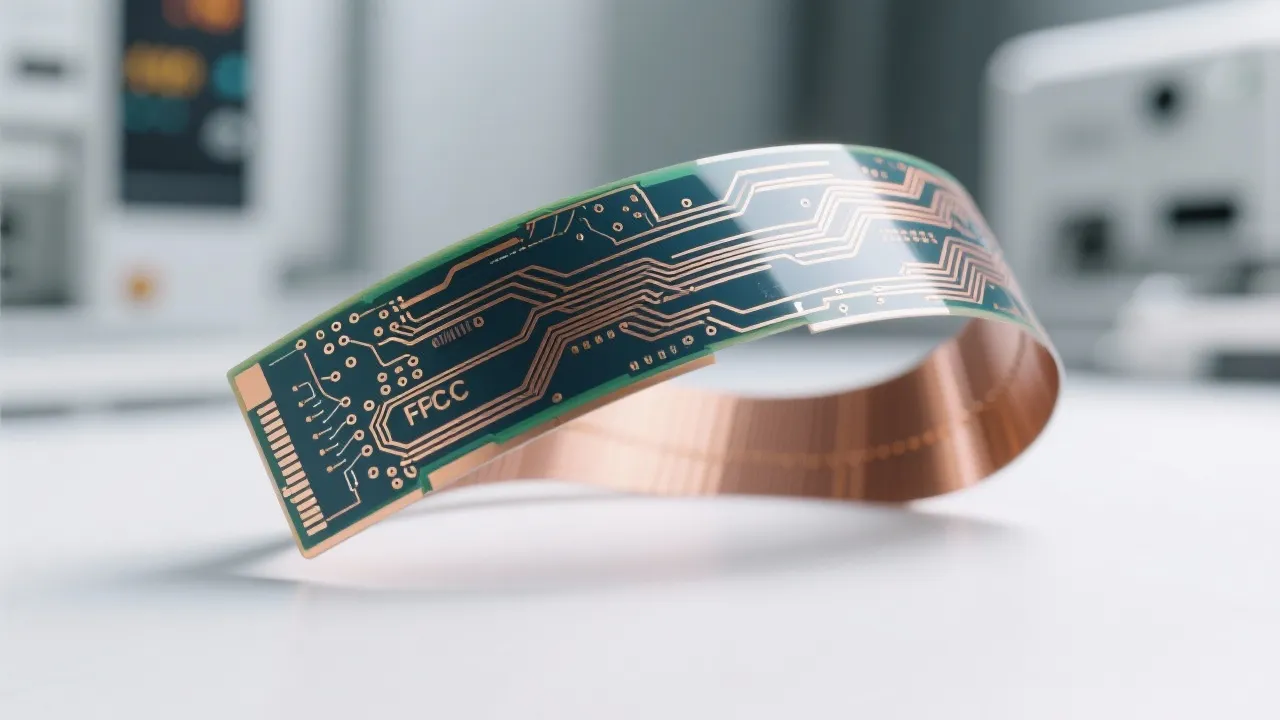
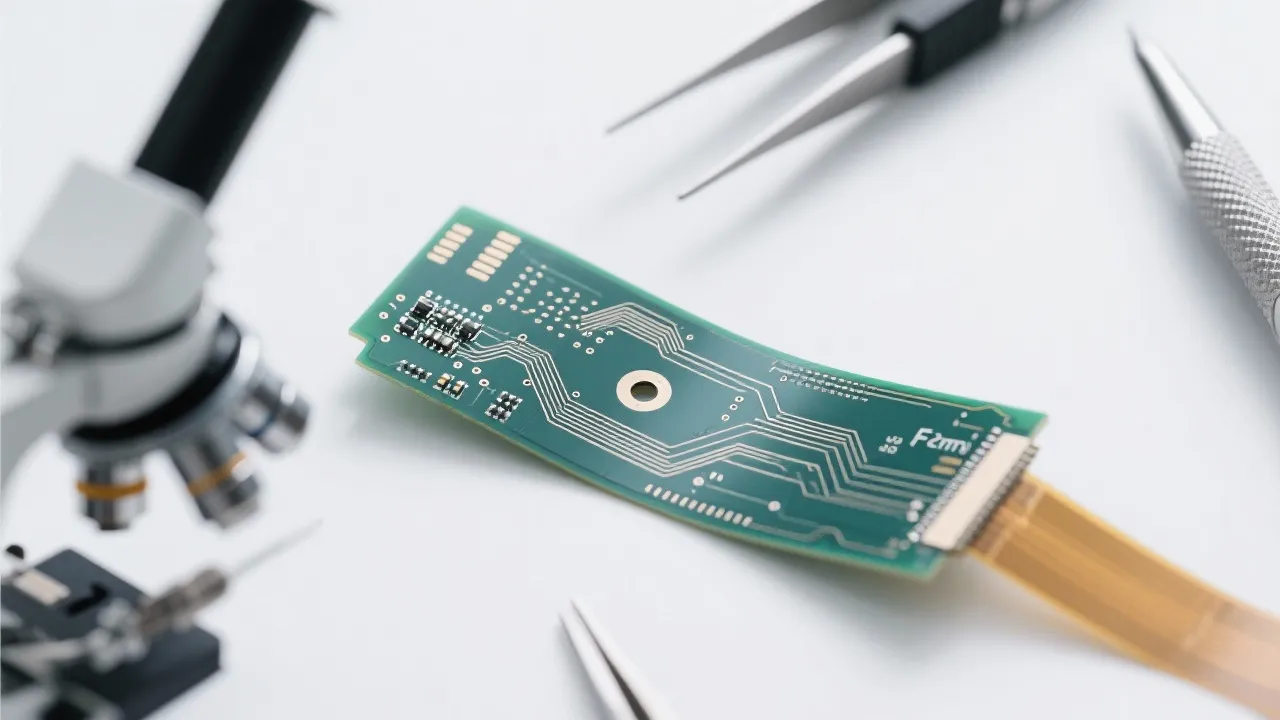
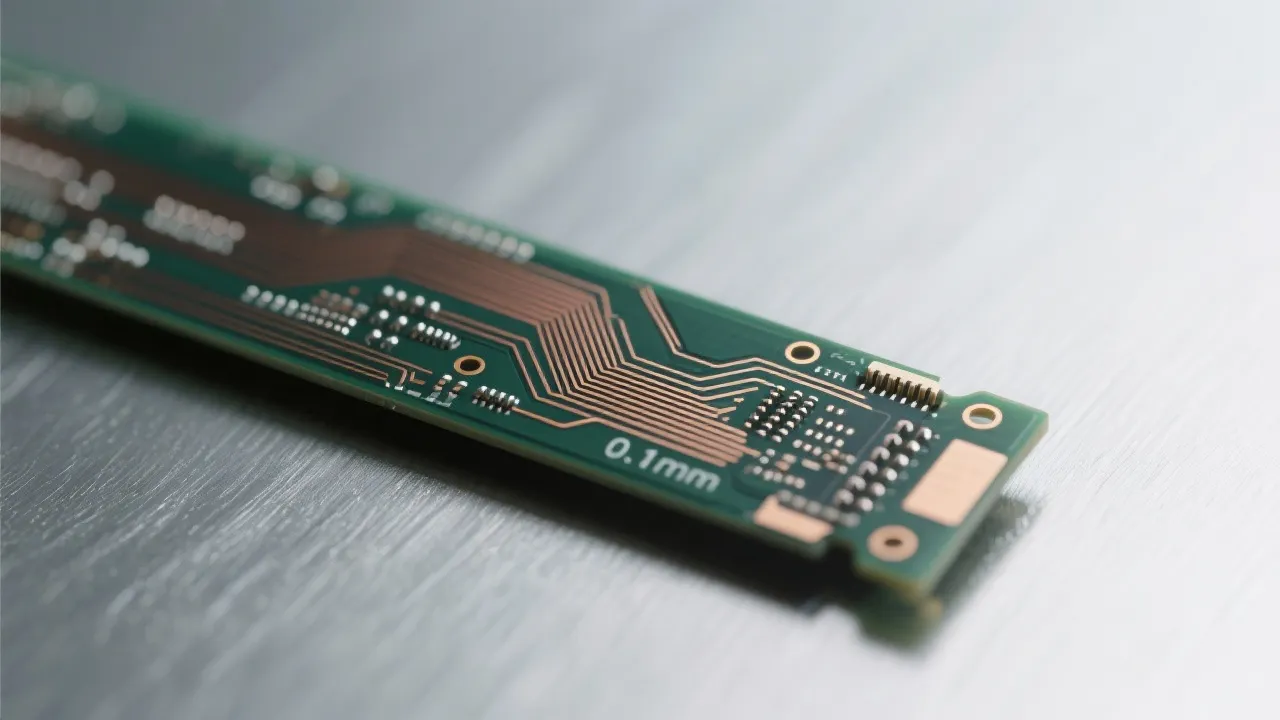
In today’s industrial electronics landscape—where miniaturization meets performance—flexible printed circuit boards (FPCs) are no longer optional. They’re essential for high-density designs in medical devices, automotive sensors, and smart wearables. But how do manufacturers consistently achieve a 0.05mm line width and spacing, especially under real-world production conditions?
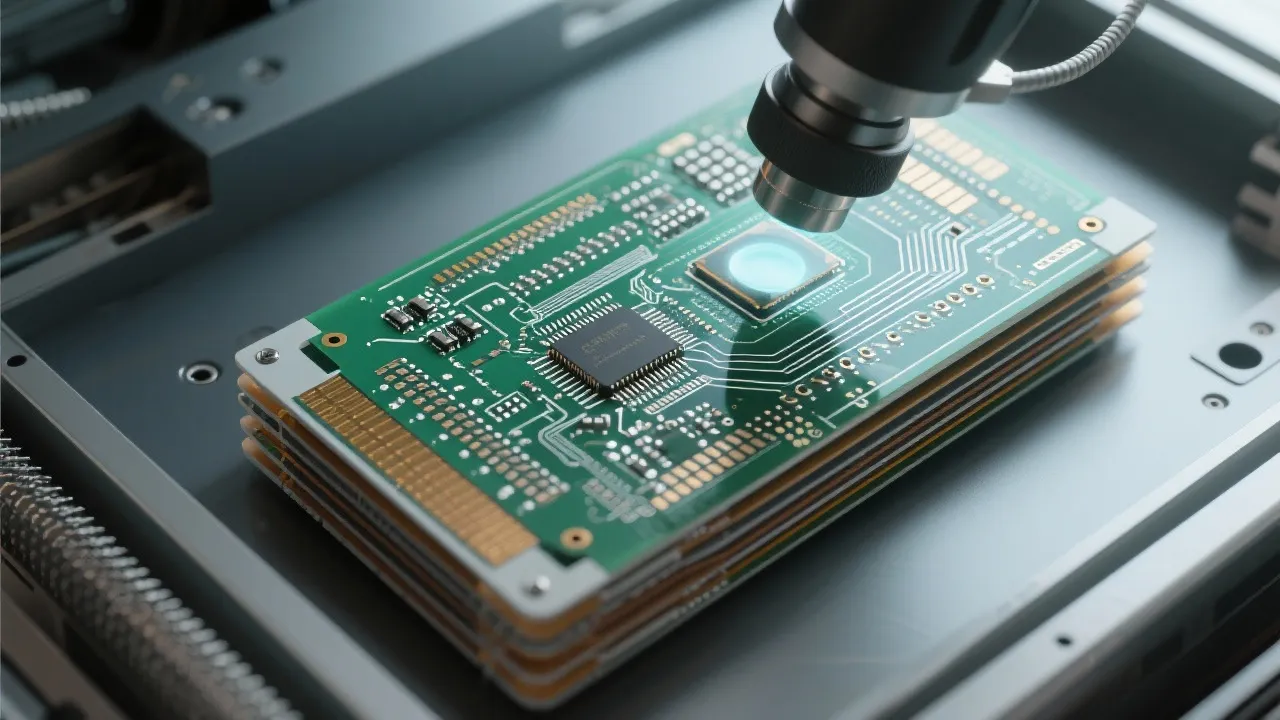
At Ruiheng PCB, we’ve optimized our process flow around two critical steps: optical image transfer and precision etching. Using advanced photolithography with UV exposure systems, we ensure that the pattern is imprinted onto the copper layer with sub-micron accuracy—typically within ±3μm tolerance. This is followed by controlled chemical etching using proprietary solutions that minimize undercutting and preserve edge integrity.
Our internal testing shows that this dual-process approach reduces line width variation from an industry average of ±15% down to just ±5%, directly improving signal integrity in high-frequency applications (up to 10 GHz).
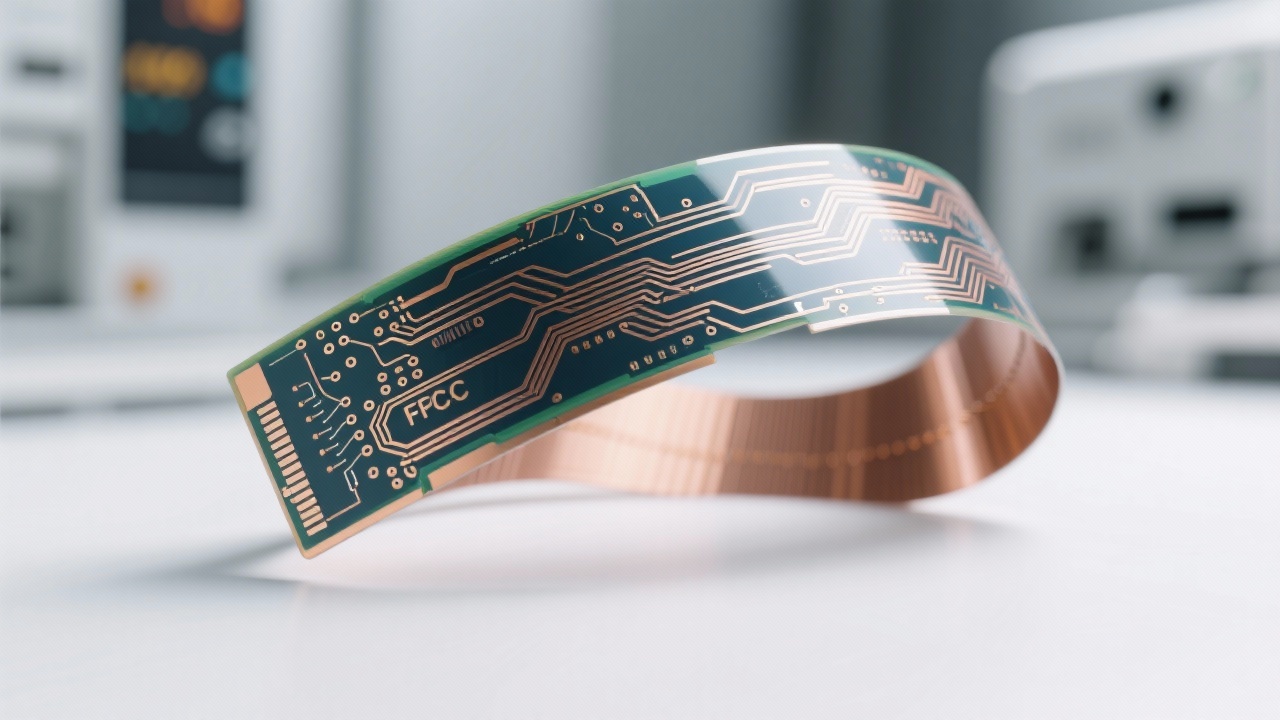
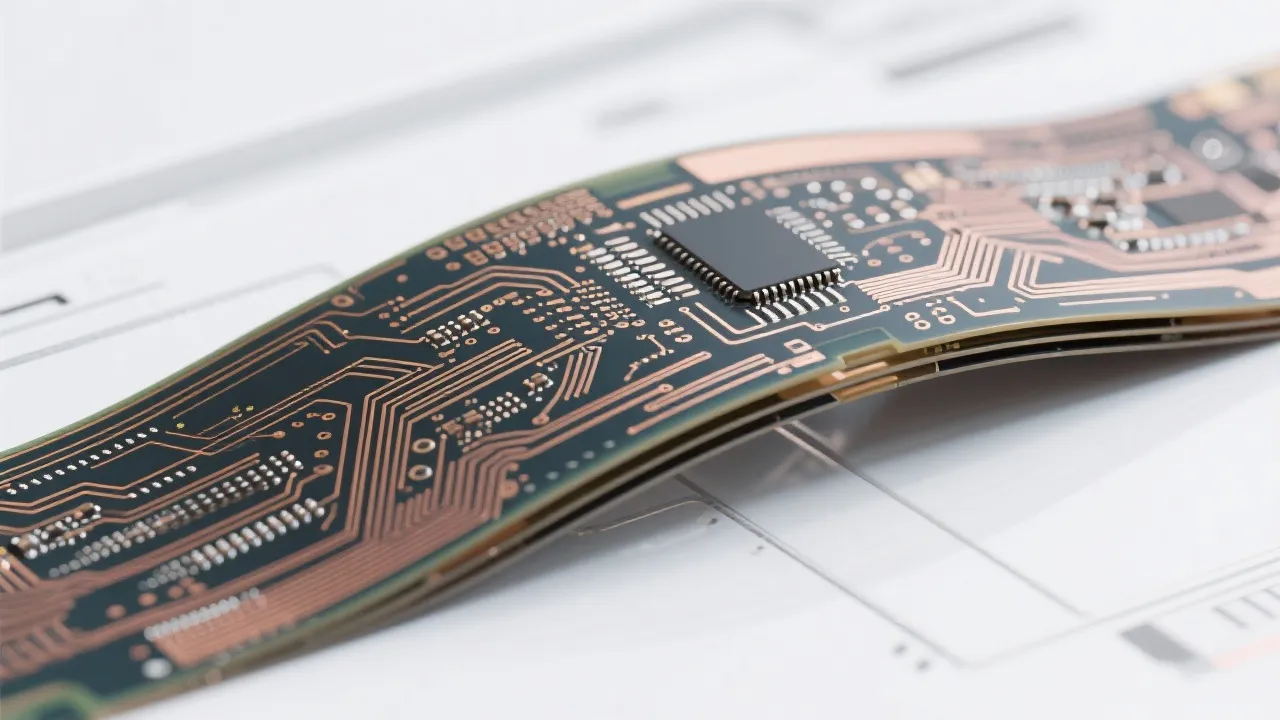
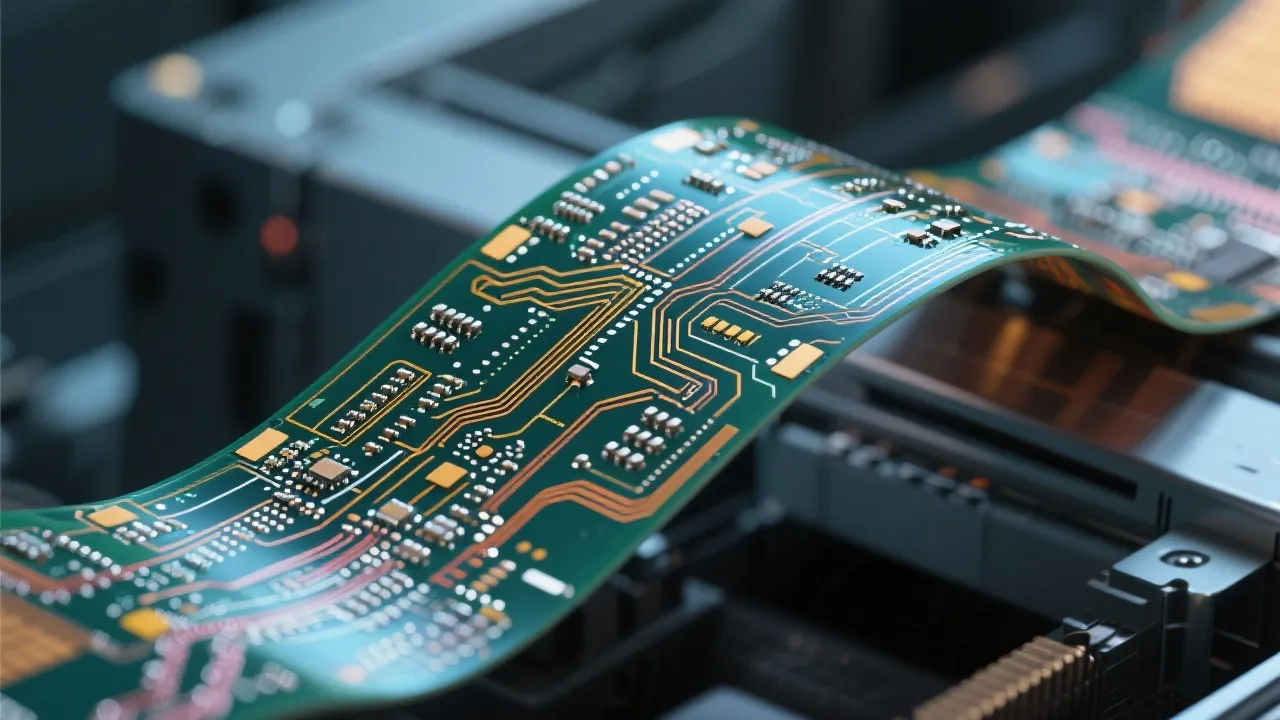
High line density alone isn’t enough. Industrial-grade FPCs must survive repeated bending cycles and thermal stress. For example, our double-layer FPCs undergo >10,000 flex tests at 0.5mm radius without delamination or open circuits—a benchmark many competitors fail to meet.
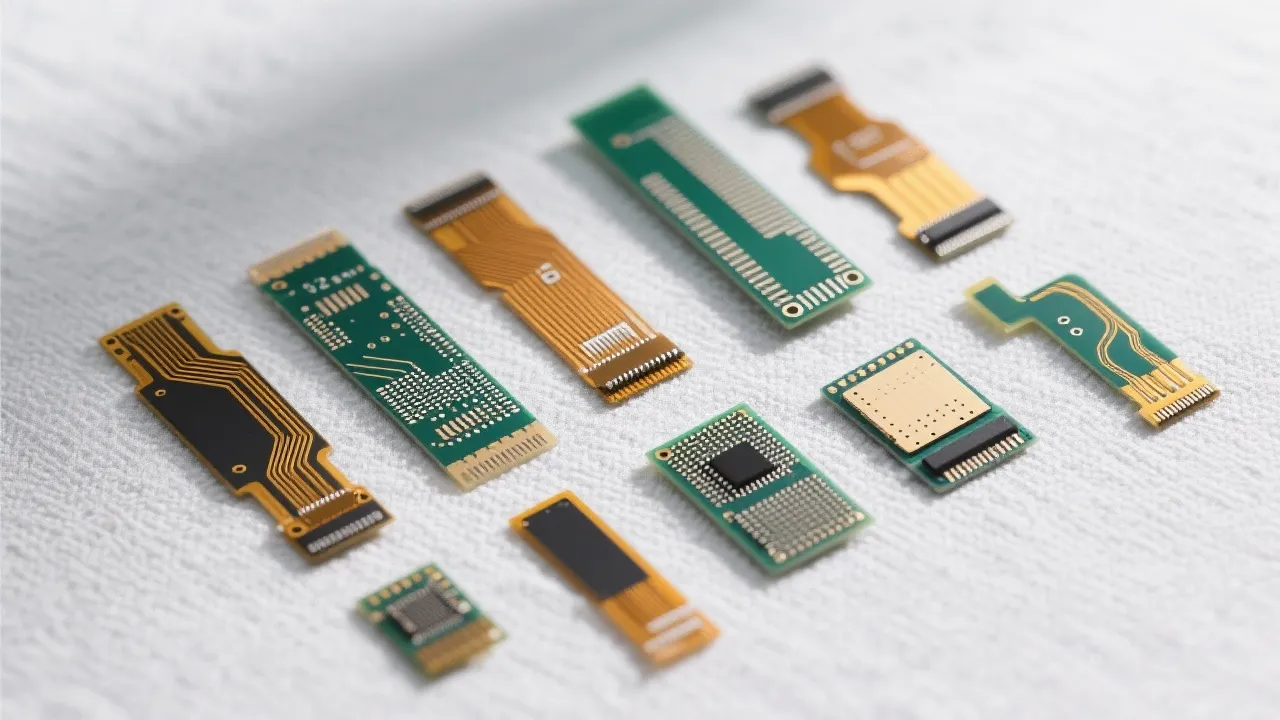
We also recommend ENIG (Electroless Nickel Immersion Gold) surface finish for connectors and fine-pitch pads because it offers superior solderability, oxidation resistance, and compatibility with both SMT and DIP assembly processes. In fact, clients who switch from HASL to ENIG report up to 30% fewer rework cases during final assembly.
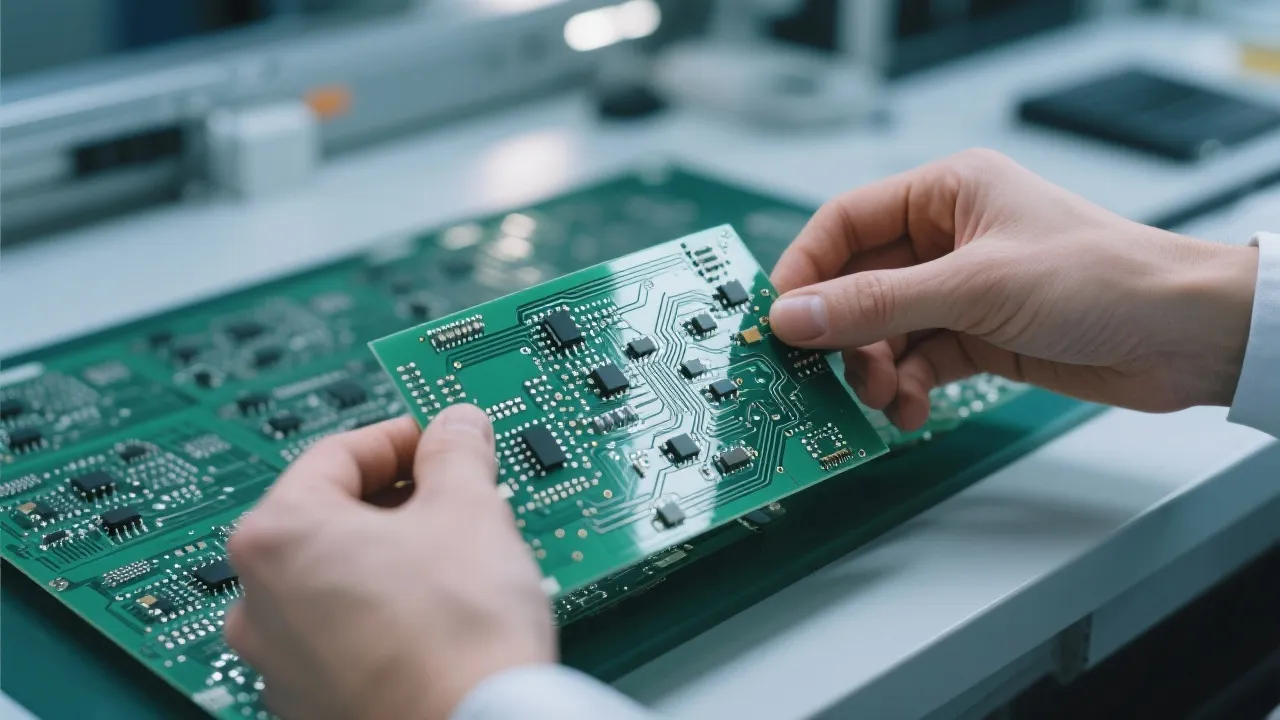
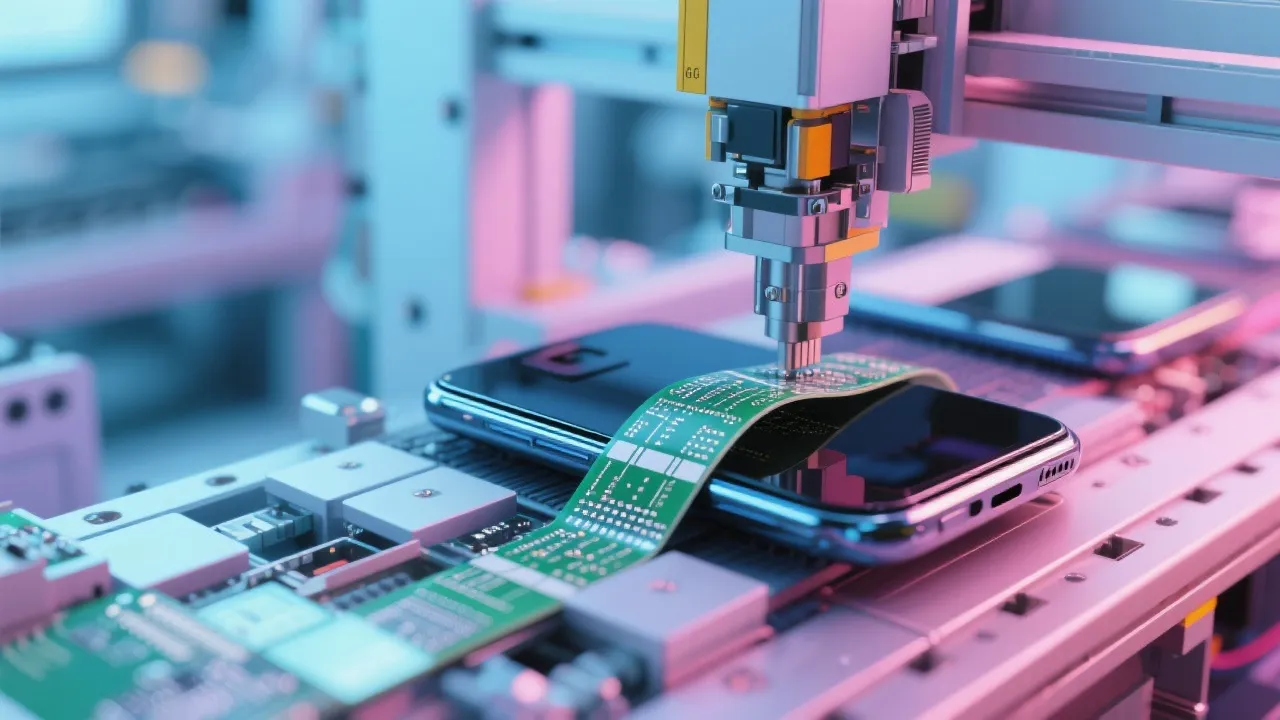
A recent project with a European medical device OEM illustrates the value of integrated capabilities. By leveraging our in-house SMT and DIP assembly services, they cut debugging time by 40% and avoided costly redesigns due to poor board-to-board connection reliability. The result? Faster time-to-market and higher first-pass yield rates.
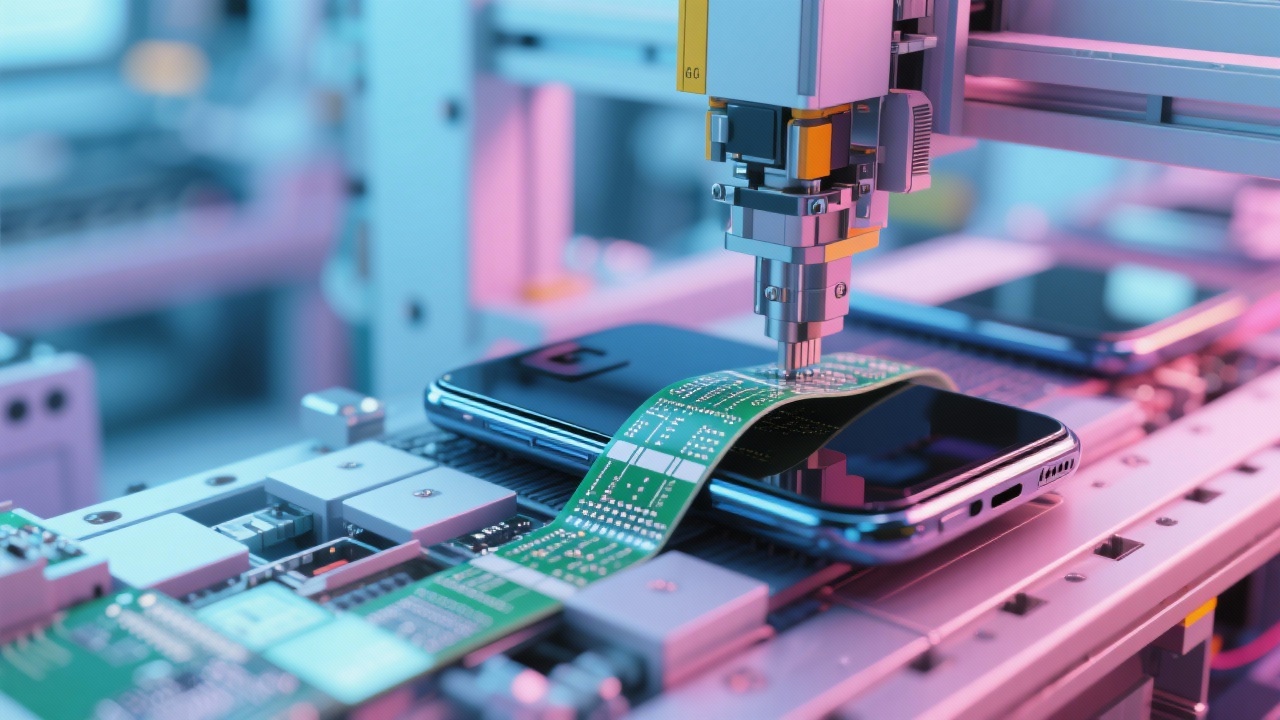
For engineers designing next-gen industrial electronics, understanding these nuances isn’t just helpful—it’s necessary. Whether you're working on ultra-thin flexible substrates or multi-layer stacks, choosing a partner like Ruiheng PCB means gaining access to proven methodologies, rigorous quality control, and a commitment to solving real problems—not just meeting specs.
Explore our full suite of high-precision FPC manufacturing and assembly solutions tailored for demanding environments.
Learn More About Industrial FPC Solutions 350
|
350
|
 High - speed multilayer PCB
Impedance control
5G communication PCB
Signal integrity
High - frequency PCB manufacturing
316
|
High-speed multilayer PCB
Impedance control technology
AOI detection
Signal integrity
5G communication PCB
155
|
5G PCB design
impedance control
high-frequency communication modules
high-speed multilayer PCB
signal integrity
299
|
FPC high - density wiring
Flexible circuit board design skills
Electromagnetic compatibility optimization
Signal crosstalk protection
High - reliability FPC manufacturing
378
|
FPC high-density routing
flexible PCB design
trace spacing control
high-density PCB manufacturing
electromagnetic compatibility
High - speed multilayer PCB
Impedance control
5G communication PCB
Signal integrity
High - frequency PCB manufacturing
316
|
High-speed multilayer PCB
Impedance control technology
AOI detection
Signal integrity
5G communication PCB
155
|
5G PCB design
impedance control
high-frequency communication modules
high-speed multilayer PCB
signal integrity
299
|
FPC high - density wiring
Flexible circuit board design skills
Electromagnetic compatibility optimization
Signal crosstalk protection
High - reliability FPC manufacturing
378
|
FPC high-density routing
flexible PCB design
trace spacing control
high-density PCB manufacturing
electromagnetic compatibility





-4.png?x-oss-process=image/resize,m_fill,h_800,w_800/format,webp)


-L4-4.png?x-oss-process=image/resize,m_fill,h_800,w_800/format,webp)
-1.png?x-oss-process=image/resize,m_fill,h_800,w_800/format,webp)