Consumer Electronics PCB Perspective
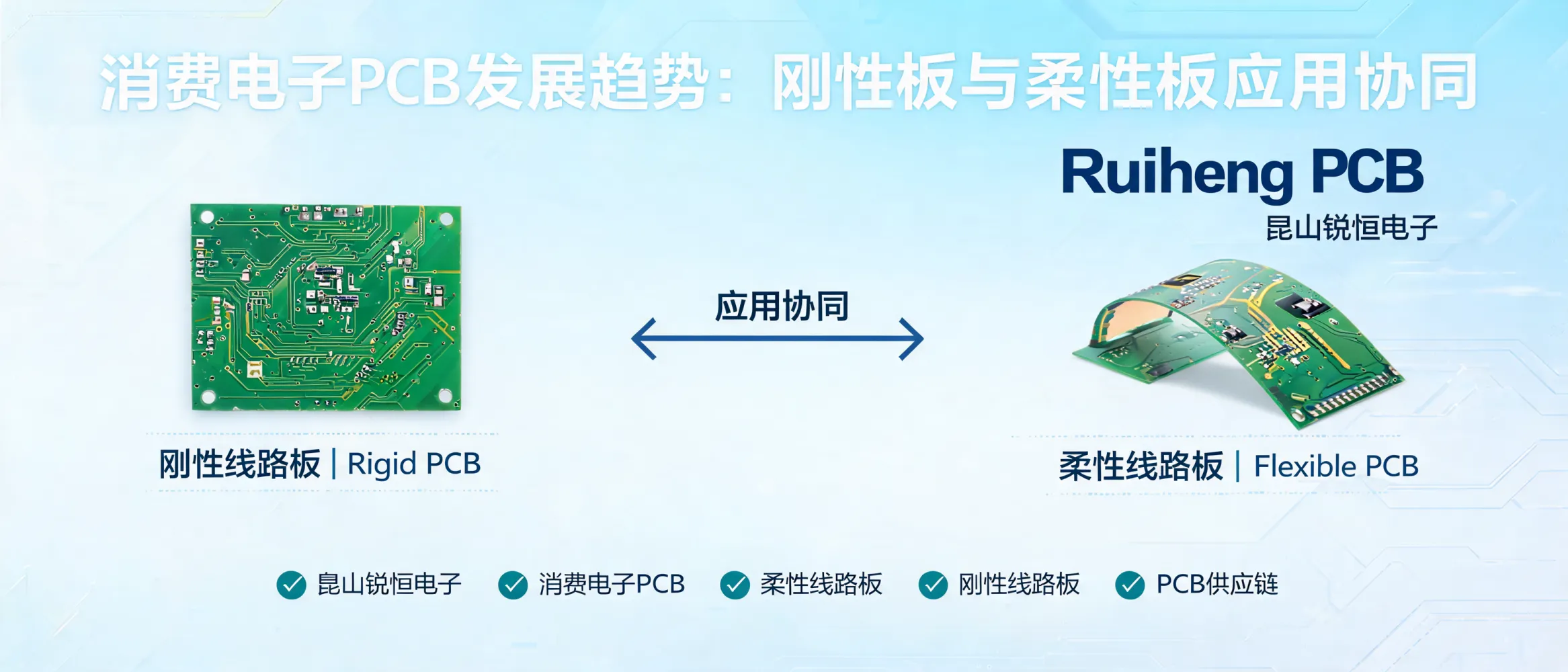
Consumer electronics products increasingly require circuit boards that combine precision, reliability, compact integration and adaptable mechanical design. In this environment, rigid PCBs and flexible PCBs are not always competing alternatives. They are often selected together according to the structural, electrical and assembly requirements of the product.
Kunshan Ruiheng Electronic Technology Co., Ltd. provides a professional manufacturing perspective on these developments, with a focus on rigid FR-4 PCBs, flexible PI polyimide PCBs, engineering coordination, quality consistency and international PCB supply chain requirements.
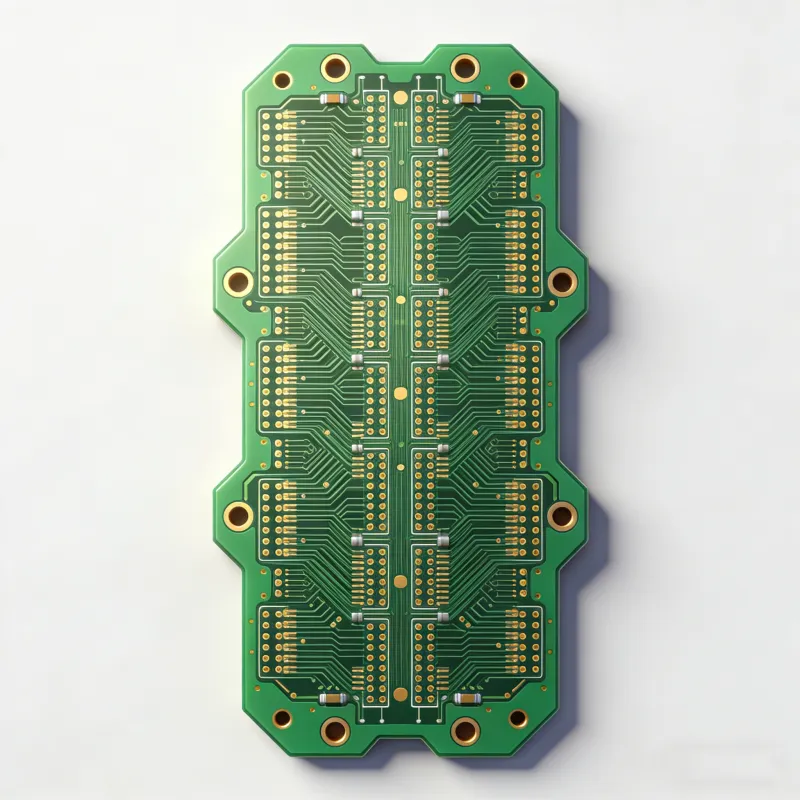
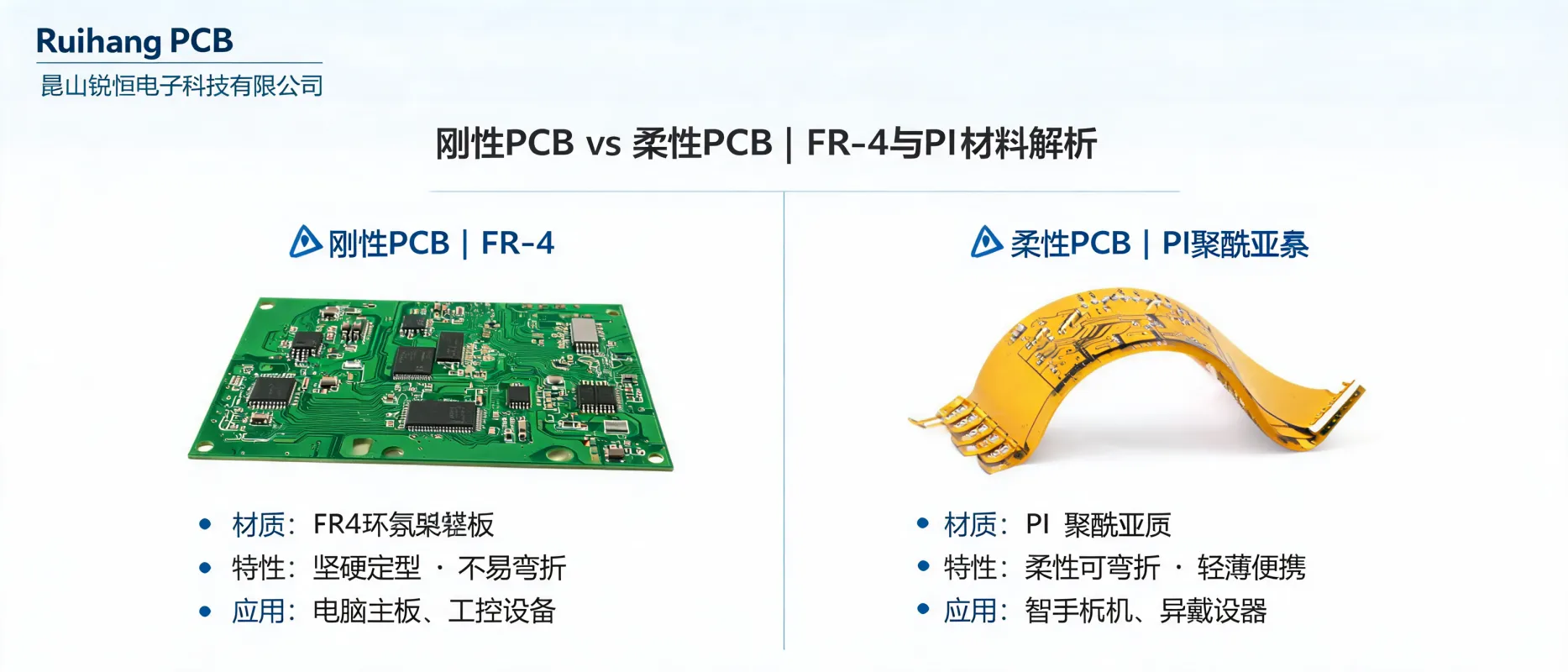
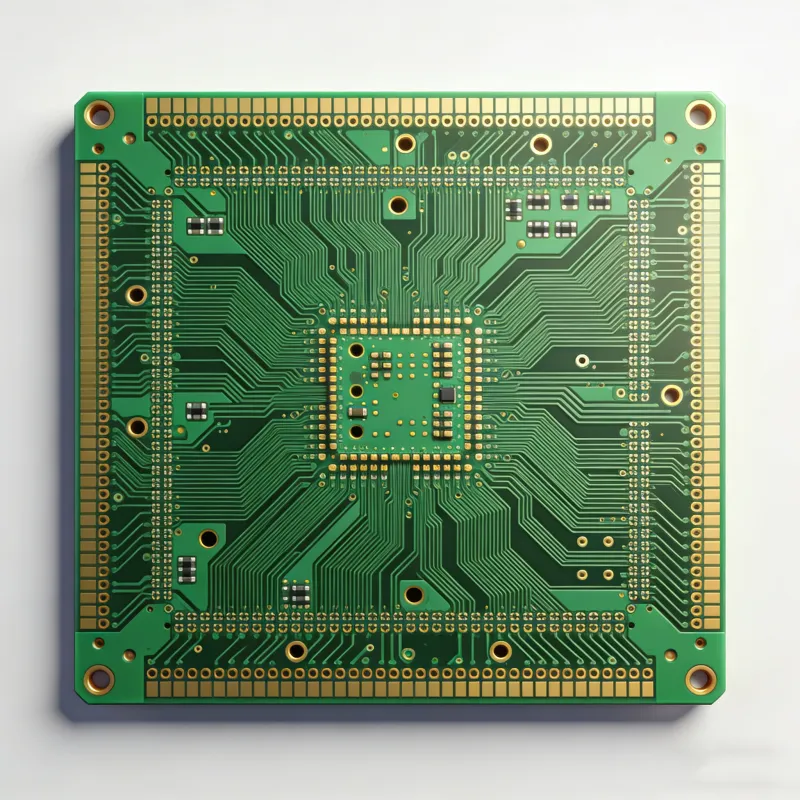
Rigid FR-4 boards provide a stable platform for components, controlled layout structures and dependable integration within consumer electronic assemblies.
Flexible PI PCBs support lightweight and space-conscious designs where the circuit needs to follow movement, folds, bends or irregular product geometry.
Selecting the appropriate board structure requires alignment between electrical design, mechanical space, assembly conditions, production volume and quality expectations.
Modern consumer electronics often contain compact internal structures and multiple functional modules. A rigid PCB can provide a stable mounting area, while a flexible PCB can help connect separated modules or adapt to limited installation space. Coordinating both board types can support more practical product structures without treating every application as a one-size-fits-all design problem.
| Sourcing consideration | Why it matters |
|---|---|
| Engineering response | Clear communication helps translate design requirements into a suitable rigid or flexible PCB manufacturing approach. |
| Material and structure selection | FR-4 and PI polyimide serve different structural and mechanical needs, so selection should follow the intended application. |
| Quality control | Process discipline supports the precision, reliability and consistency expected in consumer electronics PCB production. |
| Production flexibility | A supplier should be able to address requirements ranging from small-batch prototyping to medium- and larger-volume production. |
Review the product structure, connection requirements, available space and expected production stage.
Determine whether a rigid FR-4 PCB, flexible PI PCB or coordinated use of both is appropriate.
Align engineering communication, quality requirements and production planning before volume decisions are made.
Consistent quality management and dependable export coordination help support ongoing international sourcing.
Kunshan Ruiheng Electronic Technology Co., Ltd. focuses on the research, production and export of rigid FR-4 PCBs and flexible PI polyimide PCBs. Based in the East China PCB industry cluster, the company serves global B2B customers with high-reliability, high-precision and consistent circuit board products, supported by production equipment, quality management practices and an experienced engineering team.
Its production scope is designed to support different project stages, from small-batch prototyping to medium- and larger-volume manufacturing. With customers and markets across Europe and North America, Southeast Asia, and the Middle East, Ruiheng approaches international PCB sourcing with an emphasis on product quality, technical coordination and stable service.
Quality as the foundation, technology as the driver. For consumer electronics PCB projects, the most suitable supply chain is one that connects material expertise, engineering communication, production flexibility and consistent quality control.
 257
|
257
|
 Kunshan Ruiheng Electronic Technology Co., Ltd.
flexible PCB
PI polyimide
bendable design
lightweight electronics
300
|
Kunshan Ruiheng Electronic Technology Co., Ltd.
high-reliability PCB
manufacturing standards
consistency
quality management
94
|
Kunshan Ruiheng Electronic Technology Co., Ltd.
rigid PCB selection
flexible PCB selection
consumer electronics solutions
PCB comparison
270
|
Kunshan Ruiheng Electronic Technology Co., Ltd.
PCB manufacturer
PCB supplier evaluation
quality management
engineering capability
157
|
Kunshan Ruiheng Electronic Technology Co., Ltd.
high-consistency PCB
quality control
project collaboration
stable delivery
Kunshan Ruiheng Electronic Technology Co., Ltd.
flexible PCB
PI polyimide
bendable design
lightweight electronics
300
|
Kunshan Ruiheng Electronic Technology Co., Ltd.
high-reliability PCB
manufacturing standards
consistency
quality management
94
|
Kunshan Ruiheng Electronic Technology Co., Ltd.
rigid PCB selection
flexible PCB selection
consumer electronics solutions
PCB comparison
270
|
Kunshan Ruiheng Electronic Technology Co., Ltd.
PCB manufacturer
PCB supplier evaluation
quality management
engineering capability
157
|
Kunshan Ruiheng Electronic Technology Co., Ltd.
high-consistency PCB
quality control
project collaboration
stable delivery






-L4-4.png?x-oss-process=image/resize,m_fill,h_800,w_800/format,webp)
-1.png?x-oss-process=image/resize,m_fill,h_800,w_800/format,webp)
-4.png?x-oss-process=image/resize,m_fill,h_800,w_800/format,webp)