
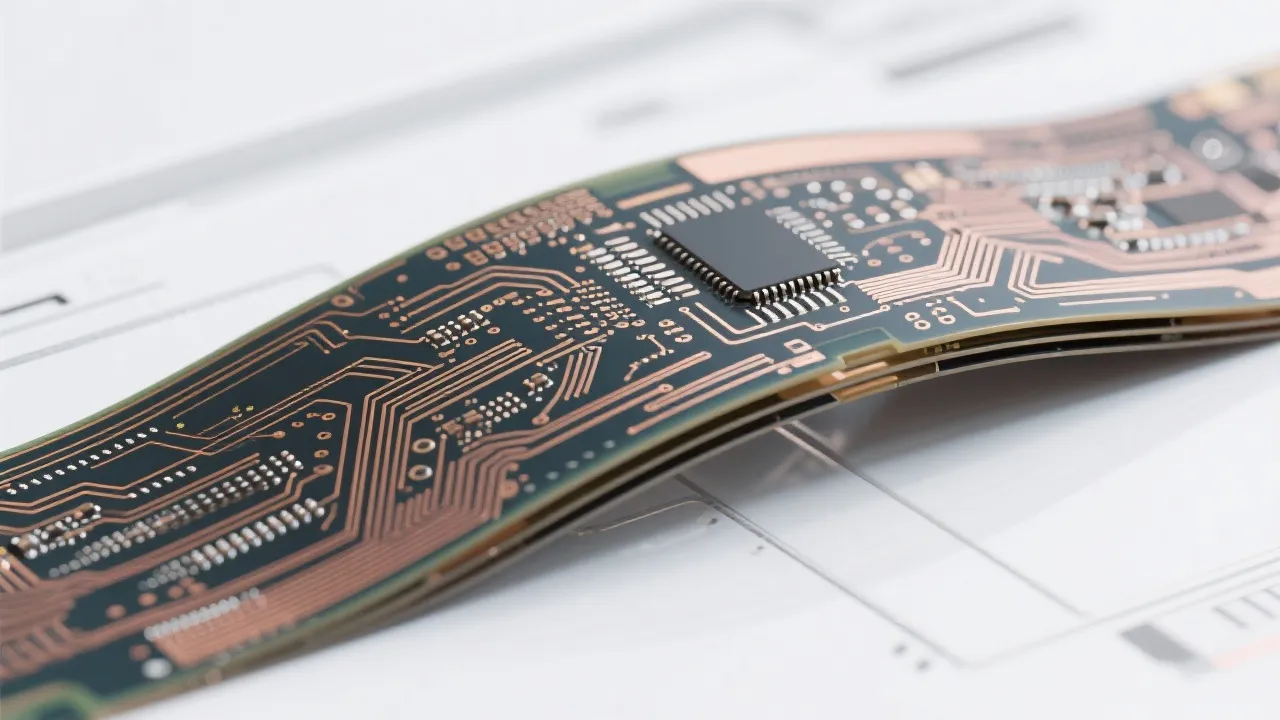
In today’s fast-paced electronics development cycle, engineers and procurement teams alike are under pressure to reduce time-to-market without compromising quality. Among the most critical components in this journey is the double-layer printed circuit board (PCB) — a versatile platform that balances cost-efficiency, performance, and manufacturability.
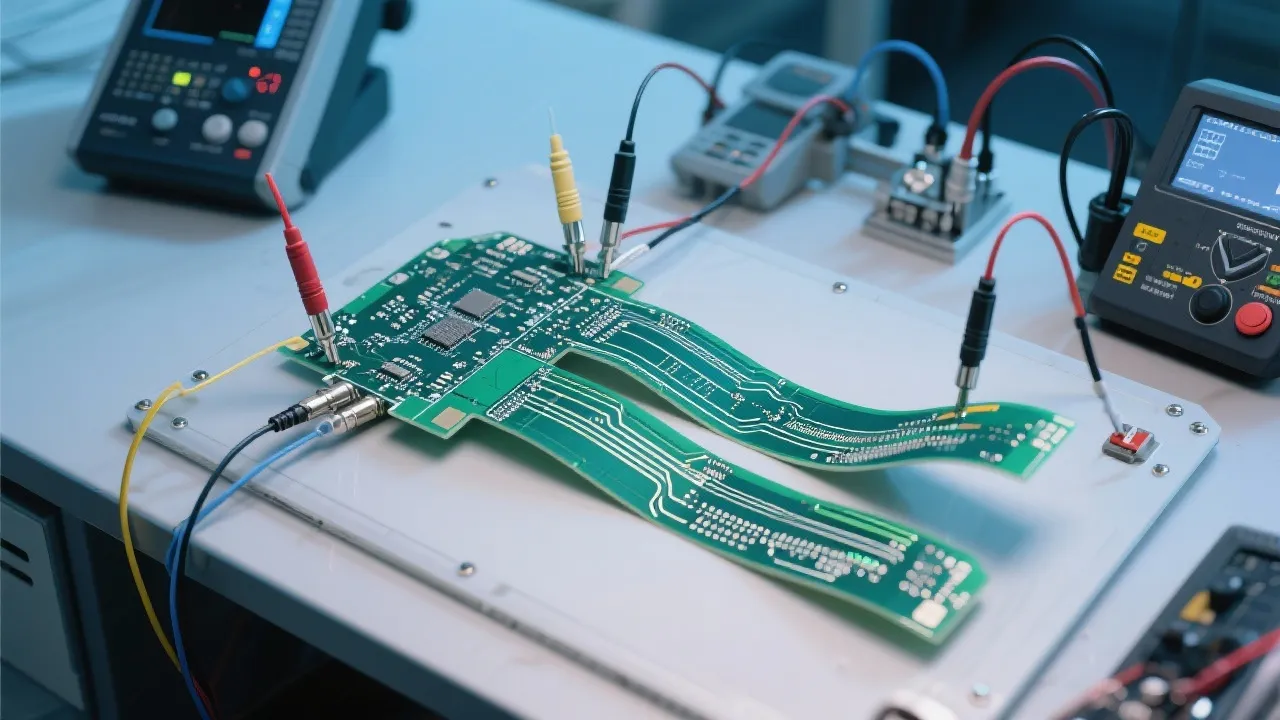
The journey from schematic to functional prototype involves several precision-driven steps:
“We’ve seen a 30% reduction in prototype iteration cycles since switching to a fully integrated PCB manufacturing process.” – John Lee, R&D Lead at a Silicon Valley IoT startup
| Finish Type | Best For | Solderability | Shelf Life |
|---|---|---|---|
| LF HAL (Lead-Free Hot Air Leveling) | High-volume production, through-hole assembly | Good | 6–12 months |
| ENIG (Electroless Nickel Immersion Gold) | Fine pitch BGA, surface mount tech | Excellent | 12+ months |
| OSP (Organic Solderability Preservative) | Low-cost consumer devices, short lead times | Moderate | 3–6 months |
If you're looking to accelerate your design validation while maintaining consistent quality, our end-to-end control over the entire PCB workflow—from raw material sourcing to final flying probe test—means we can deliver prototypes within 24 hours, even for complex double-layer boards.
Explore how our vertically integrated manufacturing enables rapid prototyping, global shipping, and reliable quality assurance — all tailored to your project needs.
Get Your 24-Hour Prototype Quote Now 348
|
348
|
 Hochgeschwindigkeits-Mehrlagige PCBs
Impedanzkontrolle
5G-Kommunikations-PCBs
Signalintegrität
Hochfrequenz-PCB-Herstellung
220
|
FPC Hochdichte-Wirng
Flex-PCB-Design-Tipps
EMC-Optimierung
Hochdichte-Leitungsrouting-Lösungen
Flex-PCB-Fertigungstechnologie
98
|
Hochfrequenz-PCB
Impedanzkontrolle
Hochleistungsdieelektrika
5G-Basisstation
Signalintegrität
142
|
Hochgeschwindigkeits-Mehrschicht-PCB
Impedanzkontrolle
Telekommunikations-Hochfrequenz-PCB
5G-Kommunikations-PCB
Signalintegrität
41
|
Hochdichte Leiterbahnführung in FPCs
Entwurfstechniken für flexible Leiterplatten
Optimierung der elektromagnetischen Kompatibilität
Herstellungsprozesse für hochdichte flexible Leiterplatten
Mindestlochdurchmesser 0
2 mm
Hochgeschwindigkeits-Mehrlagige PCBs
Impedanzkontrolle
5G-Kommunikations-PCBs
Signalintegrität
Hochfrequenz-PCB-Herstellung
220
|
FPC Hochdichte-Wirng
Flex-PCB-Design-Tipps
EMC-Optimierung
Hochdichte-Leitungsrouting-Lösungen
Flex-PCB-Fertigungstechnologie
98
|
Hochfrequenz-PCB
Impedanzkontrolle
Hochleistungsdieelektrika
5G-Basisstation
Signalintegrität
142
|
Hochgeschwindigkeits-Mehrschicht-PCB
Impedanzkontrolle
Telekommunikations-Hochfrequenz-PCB
5G-Kommunikations-PCB
Signalintegrität
41
|
Hochdichte Leiterbahnführung in FPCs
Entwurfstechniken für flexible Leiterplatten
Optimierung der elektromagnetischen Kompatibilität
Herstellungsprozesse für hochdichte flexible Leiterplatten
Mindestlochdurchmesser 0
2 mm






-1.png?x-oss-process=image/resize,m_fill,h_800,w_800/format,webp)


-4.png?x-oss-process=image/resize,m_fill,h_800,w_800/format,webp)