
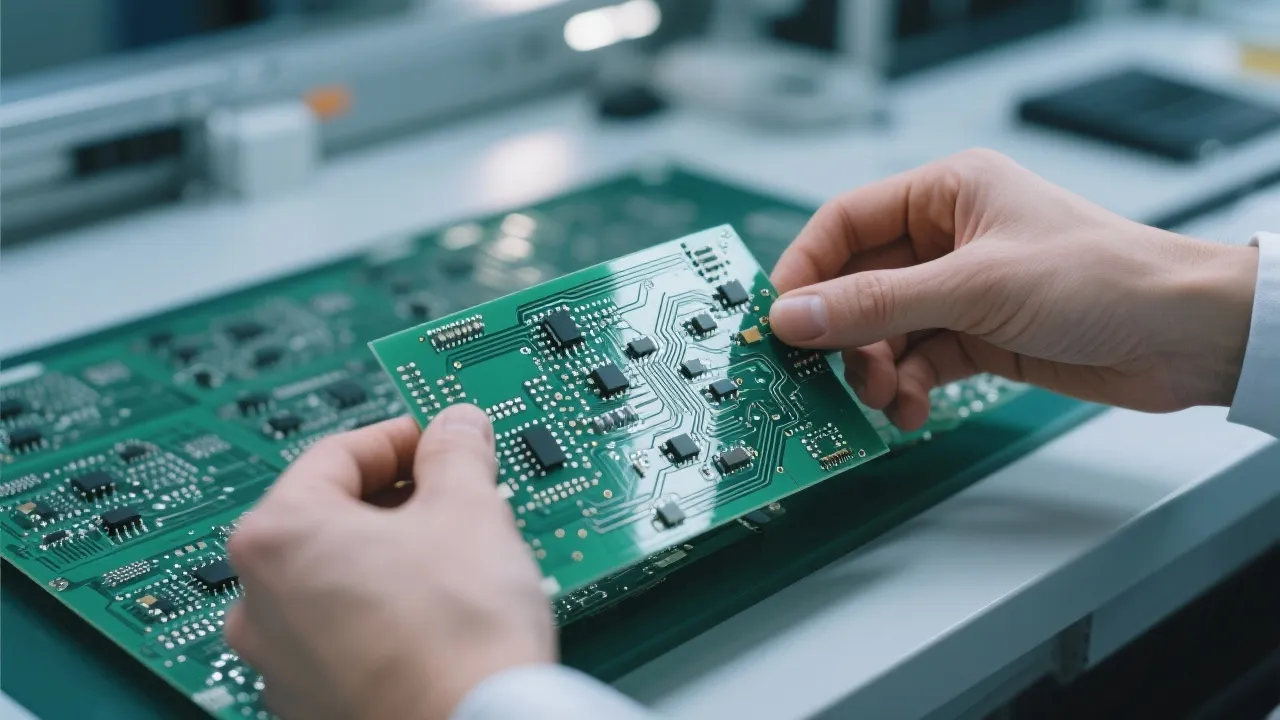
For electronics engineers and procurement managers seeking rapid prototyping without compromising quality, double-layer PCBs remain a cornerstone of modern product development. But how do leading manufacturers balance speed with precision? This article breaks down the end-to-end process—from design input to fly probe testing—with actionable insights on optimizing each stage for faster turnaround and higher reliability.
The journey begins with Gerber file validation—a step often overlooked but critical for avoiding costly rework. Once validated, the copper etching phase must maintain ±5μm tolerance across all traces to ensure signal integrity in high-frequency applications. At this point, layer alignment during lamination becomes crucial: poor consistency can lead to delamination under thermal stress, especially in automotive or industrial-grade boards.
Drilling accuracy follows closely—typically ±0.05mm for standard through-hole components, though precision connectors may demand tighter tolerances (±0.02mm). Our internal data shows that using automated drilling machines reduces setup time by up to 40% compared to manual methods, directly impacting overall cycle time from 7 days to just 4 days for small batches.
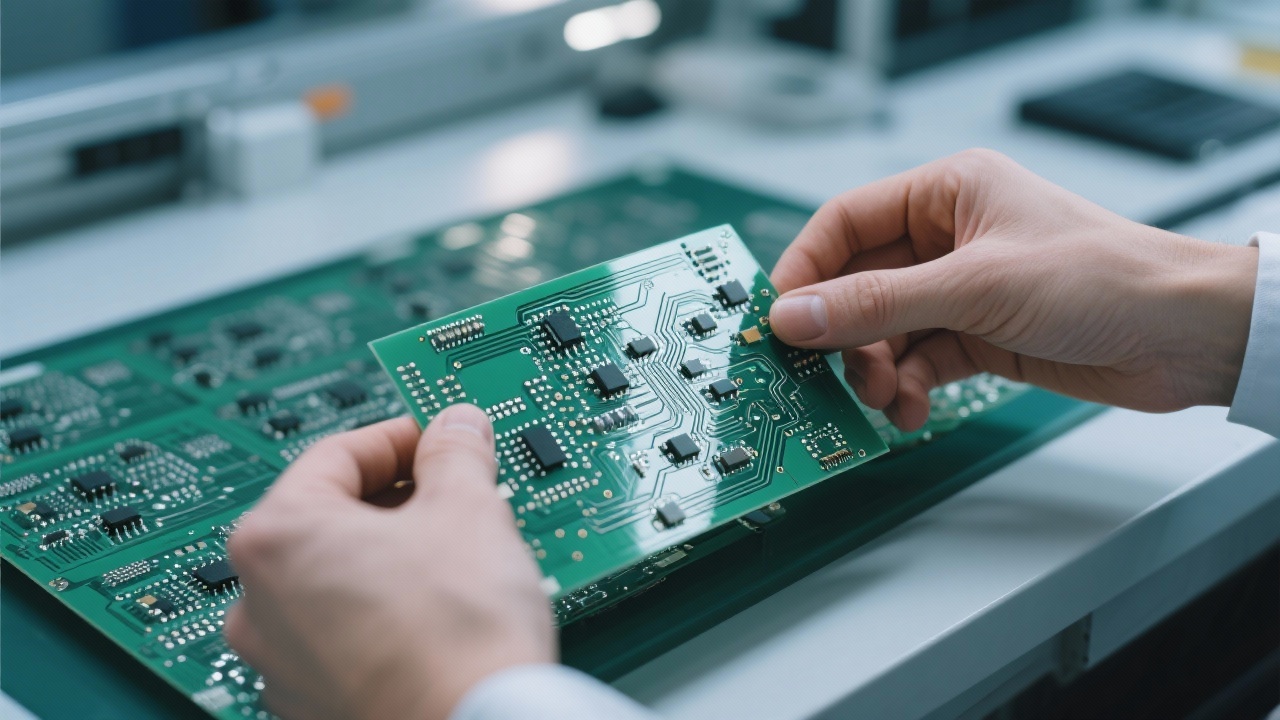
Three surface treatments dominate the market:
We’ve seen clients switch from HAL to ENIG when moving from prototype to volume production—they report fewer solder joint failures and improved test yield rates by 15–20%.
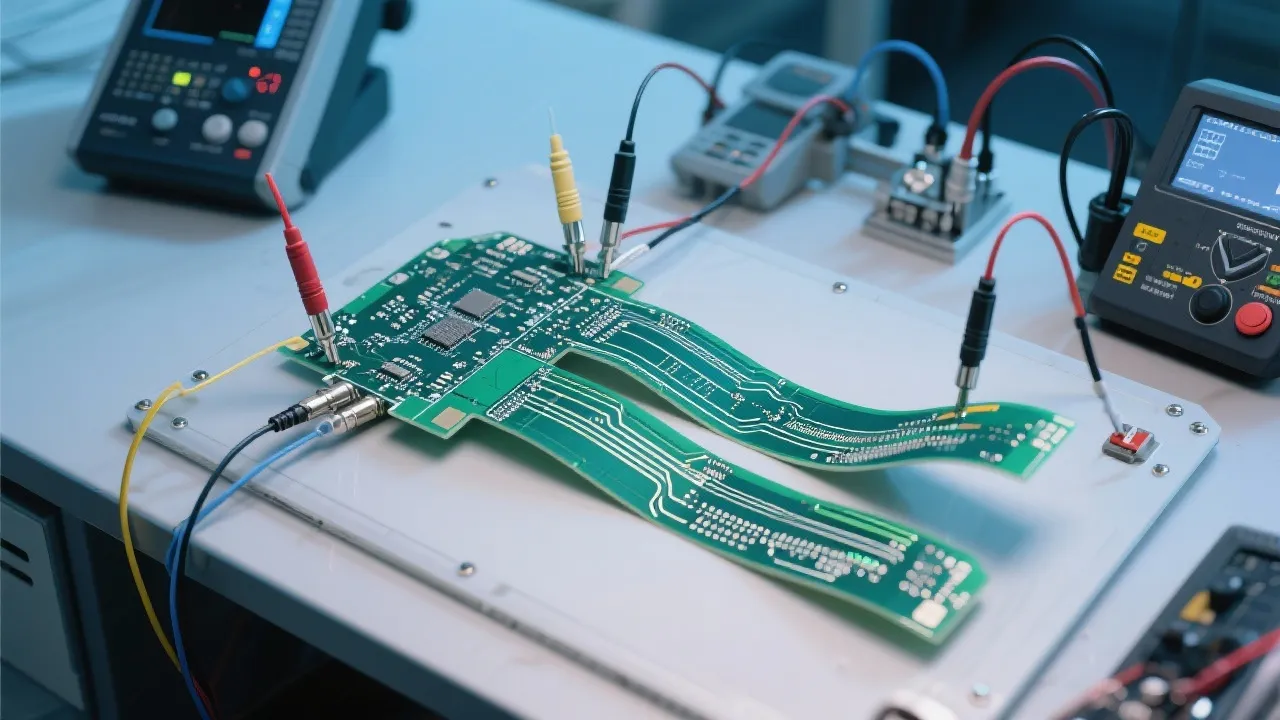
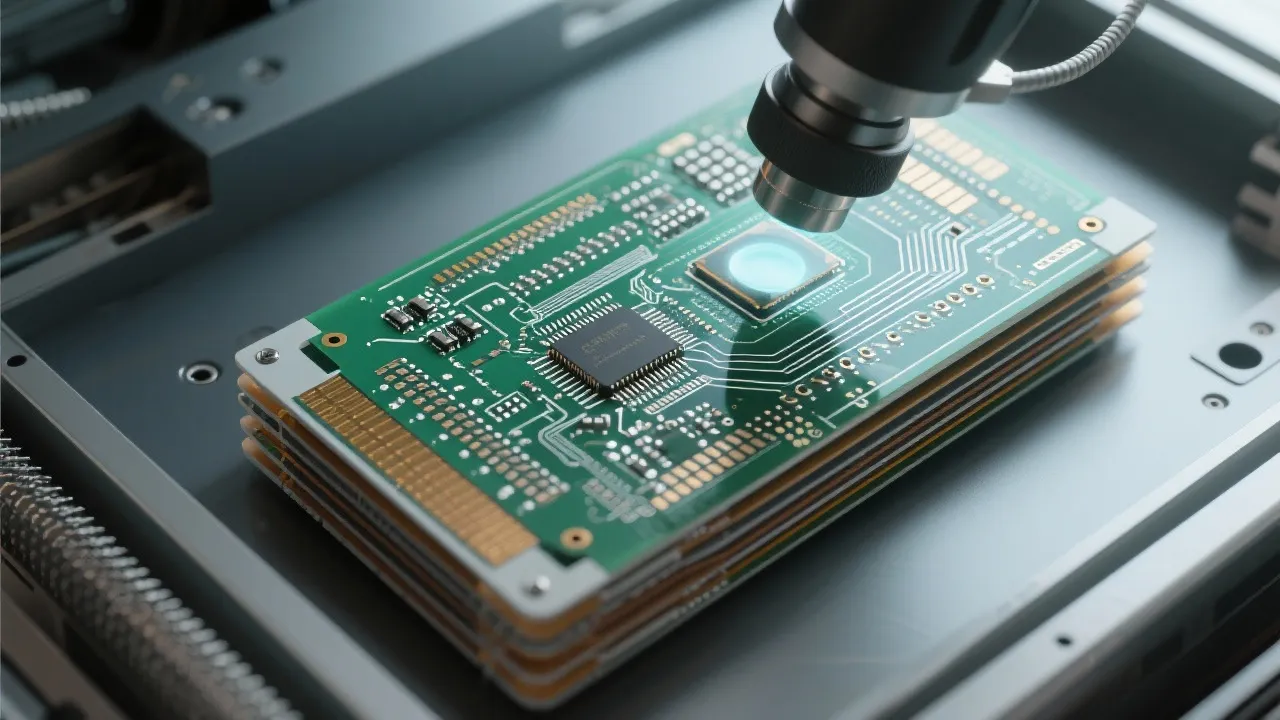
Manufacturers who control their entire production chain—from raw material sourcing to final inspection—can reduce lead times by 30–50%. Unlike outsourced models where bottlenecks occur at multiple handoffs, vertical integration ensures consistent QC checks at every stage. For example, our facility uses real-time AOI (Automated Optical Inspection) after plating, catching defects before they reach the fly probe station.
In one case study, a medical device client reduced PCB delivery time from 14 days to 5 days by leveraging our integrated workflow and global logistics network—without sacrificing compliance with IPC-6012 standards.

Ultimately, the ability to iterate quickly while maintaining electrical performance hinges not just on technology—but on process discipline. Whether you're designing a new IoT sensor or scaling up an existing product line, understanding these technical nuances empowers smarter decisions.
“We base our recommendations on years of hands-on experience—not theory. If your project needs fast, reliable double-layer PCBs, we can tailor the process to your specific requirements.”
Get expert guidance tailored to your project’s unique needs—no pressure, just clarity.
Explore Our Custom PCB Solutions 53
|
53
|
 high-density FPC routing
flexible PCB design techniques
EMI optimization in FPC
precision via design for flexible circuits
FPC manufacturing process
315
|
High-speed multilayer PCB
Impedance control technology
AOI detection
Signal integrity
5G communication PCB
256
|
multilayer flexible pcb via design
high-density fpc routing
fpc electromagnetic compatibility
flexible circuit board manufacturing capability
fpc bend zone reliability
325
|
FPC high - density wiring
Flexible circuit board design skills
Via design challenges
Electromagnetic compatibility optimization
Flexible PCB manufacturing process
156
|
multilayer flexible pcb via design
micro-hole processing in fpc
high-density flex pcb layout
emc optimization in flexible circuits
flexible pcb manufacturing process
high-density FPC routing
flexible PCB design techniques
EMI optimization in FPC
precision via design for flexible circuits
FPC manufacturing process
315
|
High-speed multilayer PCB
Impedance control technology
AOI detection
Signal integrity
5G communication PCB
256
|
multilayer flexible pcb via design
high-density fpc routing
fpc electromagnetic compatibility
flexible circuit board manufacturing capability
fpc bend zone reliability
325
|
FPC high - density wiring
Flexible circuit board design skills
Via design challenges
Electromagnetic compatibility optimization
Flexible PCB manufacturing process
156
|
multilayer flexible pcb via design
micro-hole processing in fpc
high-density flex pcb layout
emc optimization in flexible circuits
flexible pcb manufacturing process
-1.png?x-oss-process=image/resize,h_800,m_lfit/format,webp)






-4.png?x-oss-process=image/resize,m_fill,h_800,w_800/format,webp)
-1.png?x-oss-process=image/resize,m_fill,h_800,w_800/format,webp)


