
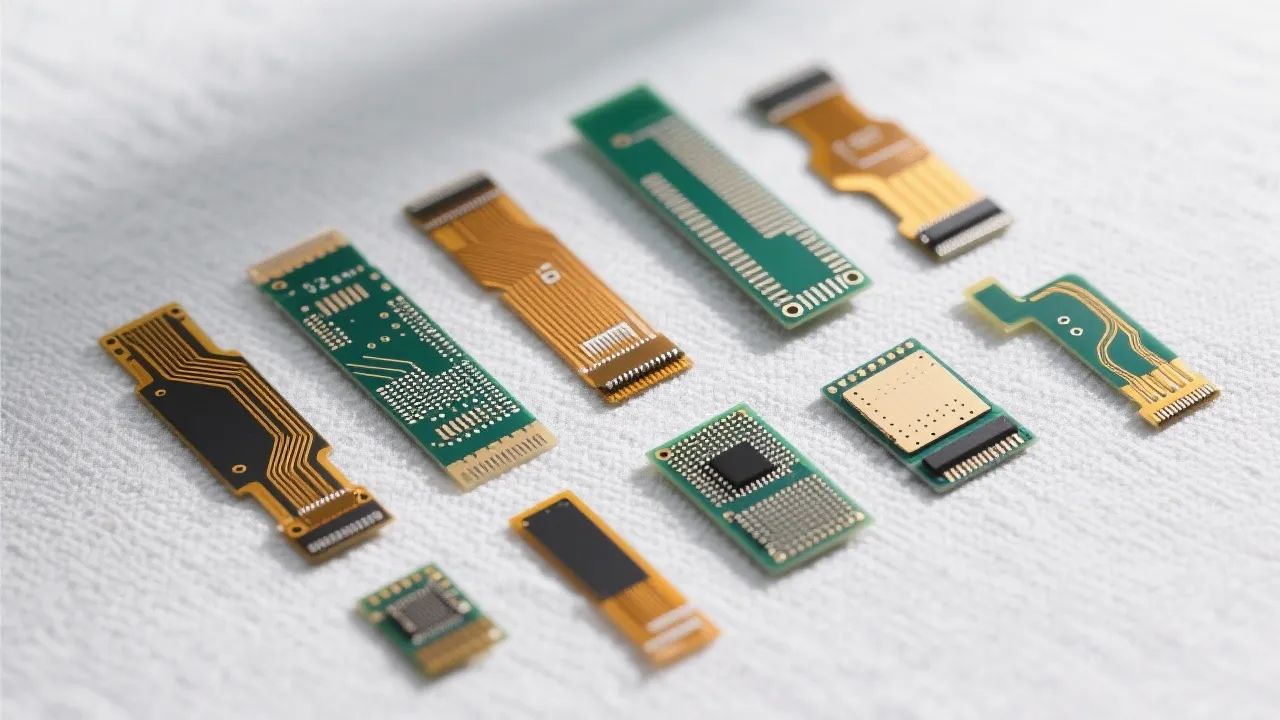
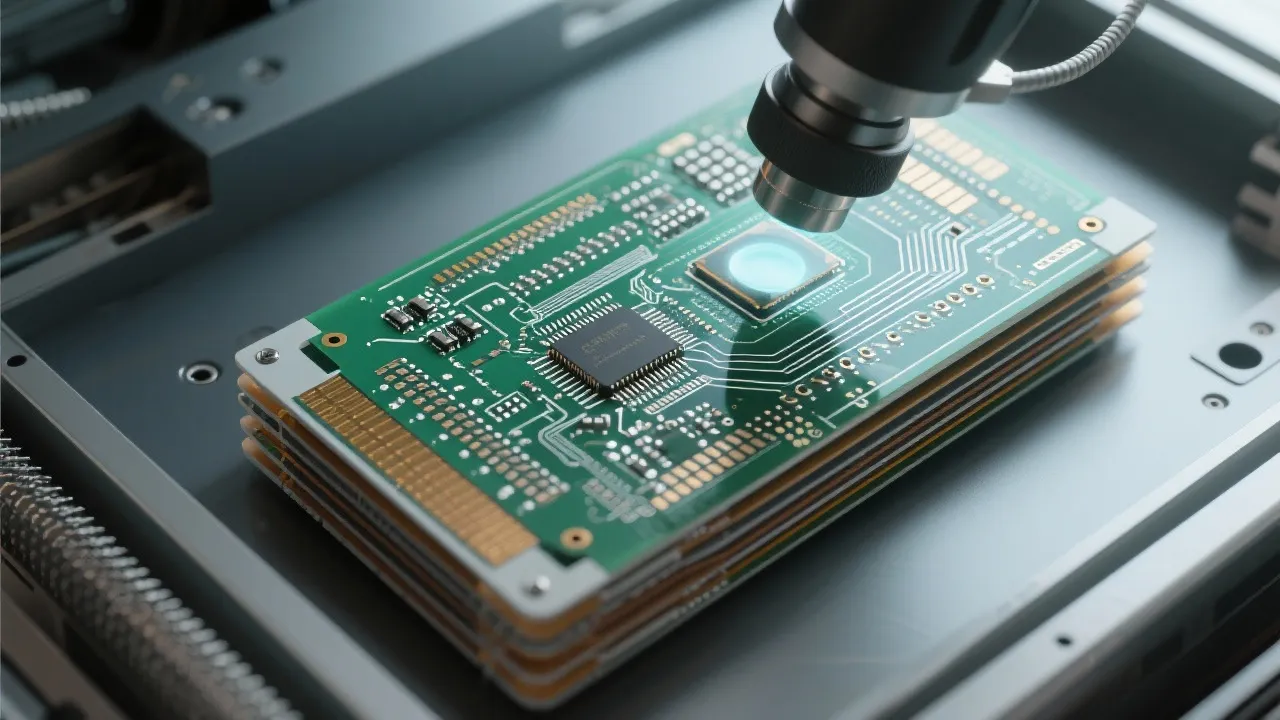
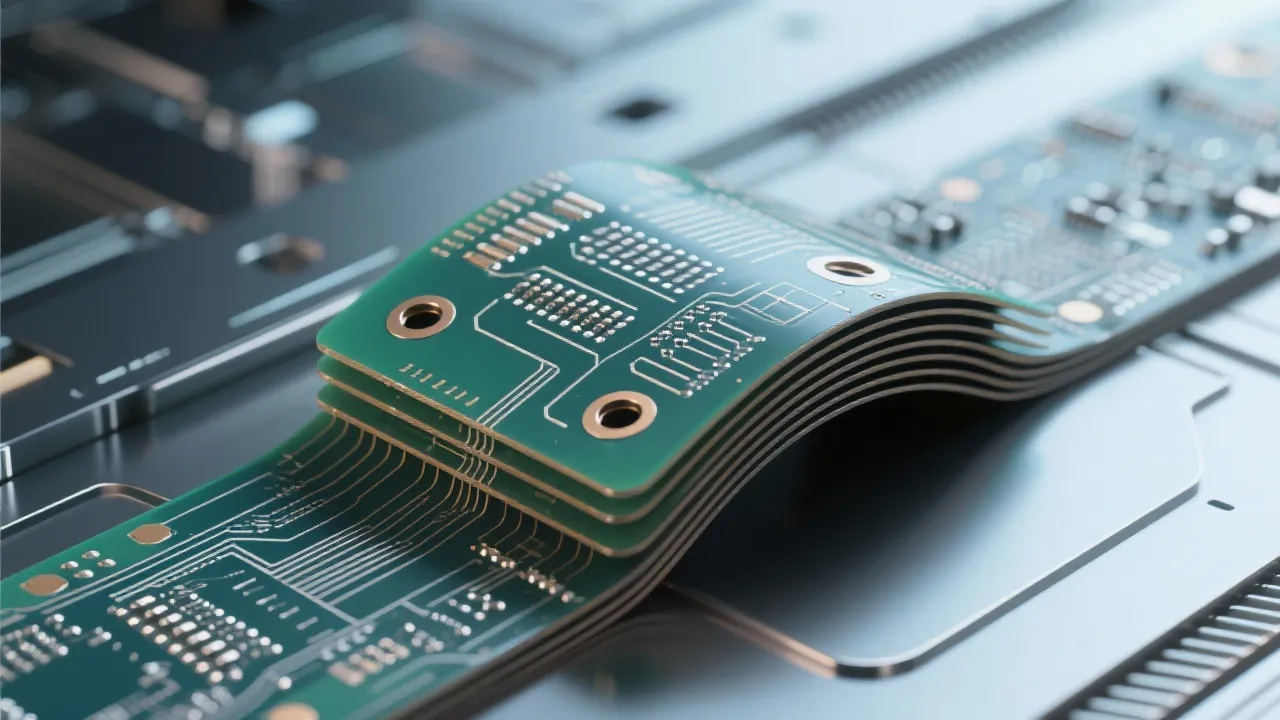
In today’s high-density, miniaturized electronics—from smartphones to aerospace systems—flexible printed circuit boards (FPCs) must perform under extreme conditions. One surface treatment has emerged as the preferred solution for engineers demanding both signal integrity and long-term durability: Electroless Nickel Immersion Gold (ENIG).
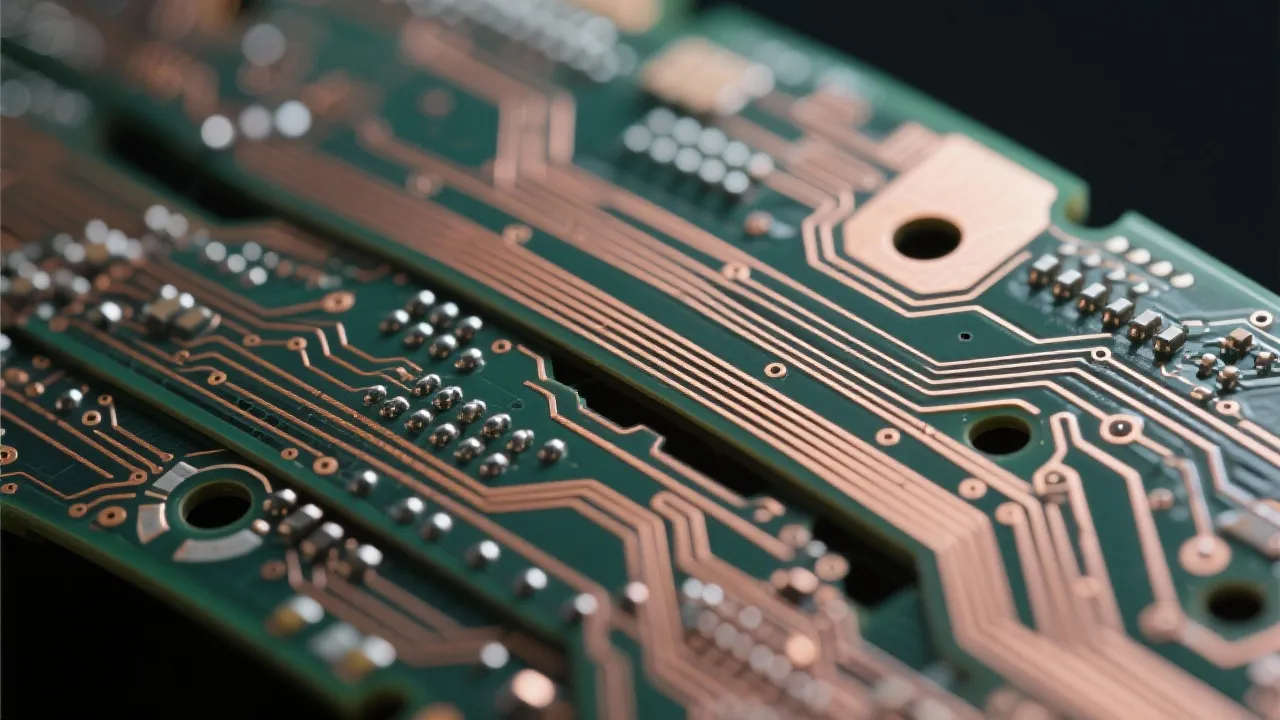
At its core, ENIG combines two layers: a 2μm-thick immersion gold layer deposited over a nickel barrier. This structure isn’t just about aesthetics—it’s engineered for performance. The nickel acts as an oxidation-resistant base that prevents copper migration during storage or thermal cycling, while the gold provides excellent solderability and wear resistance.
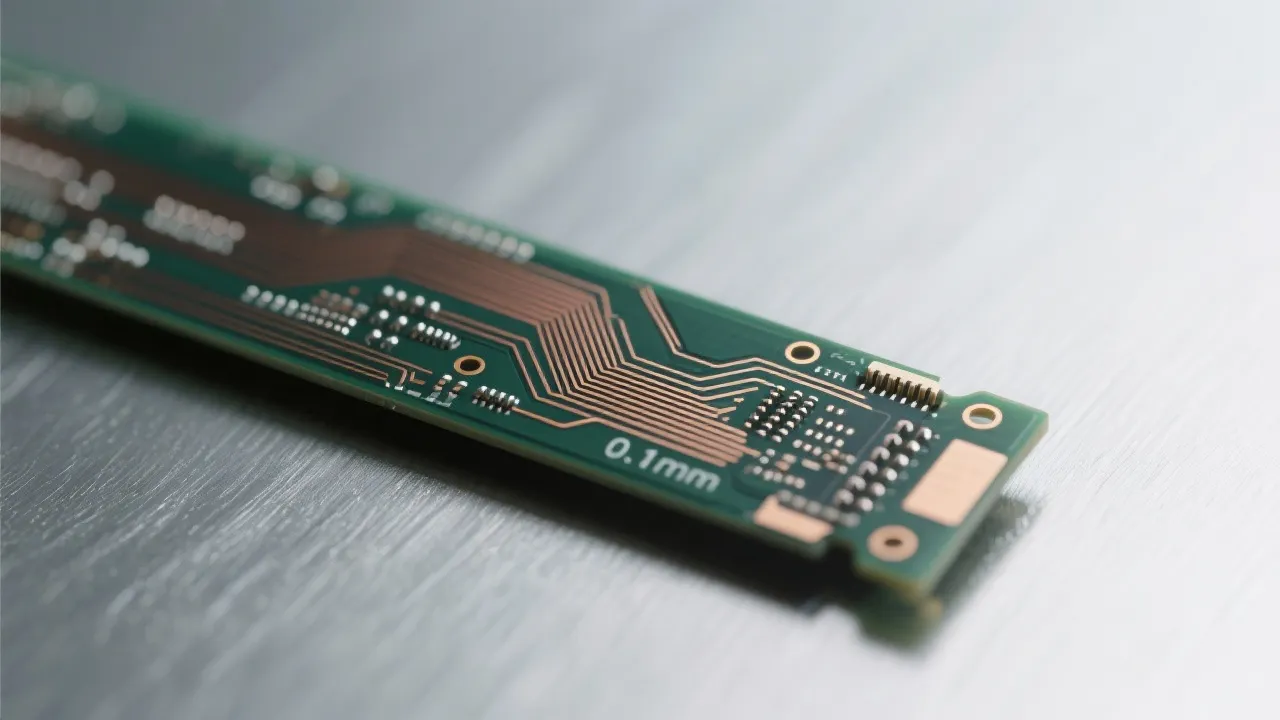
Studies show that with proper process control—such as maintaining uniform thickness within ±0.1μm across the board—ENIG can reduce interfacial resistance by up to 40% compared to OSP finishes. In applications where microvias as small as 0.15mm are common, this level of consistency is critical for reliable connections.
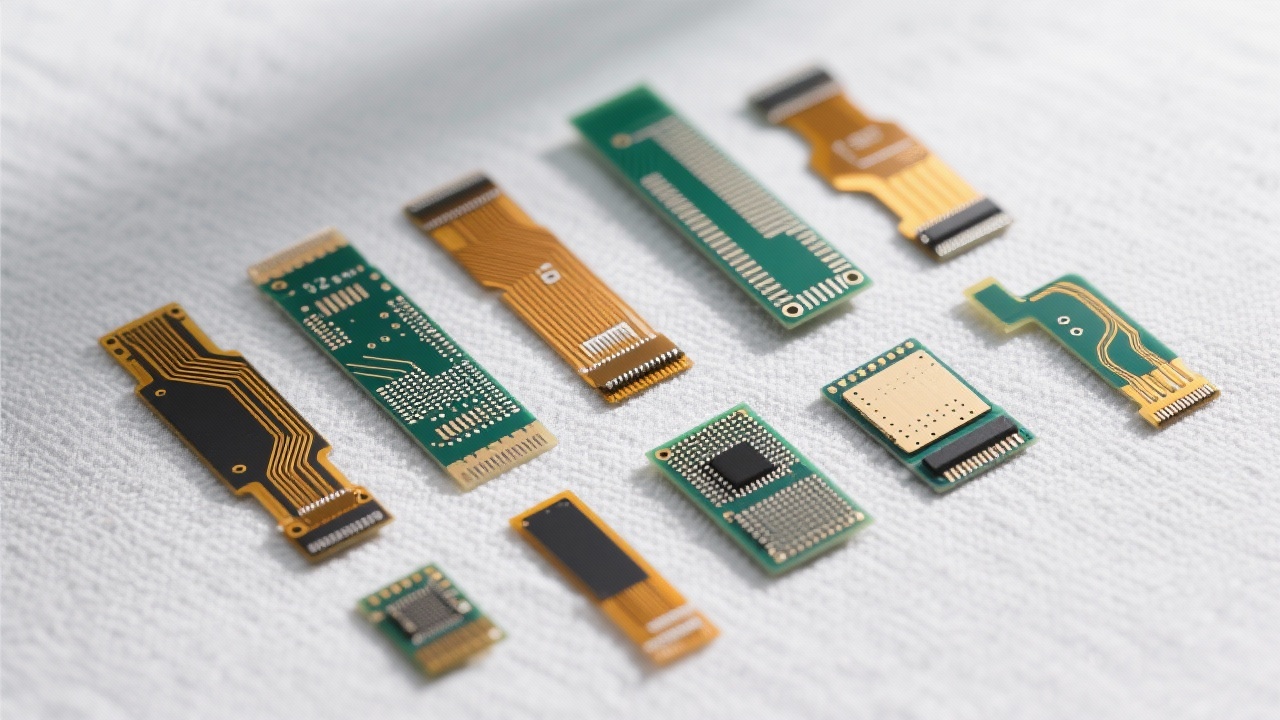
When comparing ENIG to older options like HASL (Hot Air Solder Leveling) or OSP (Organic Solderability Preservative), the differences become clear:
This makes ENIG especially valuable in industries like automotive ADAS systems, medical devices, and satellite communications, where failure is not an option.
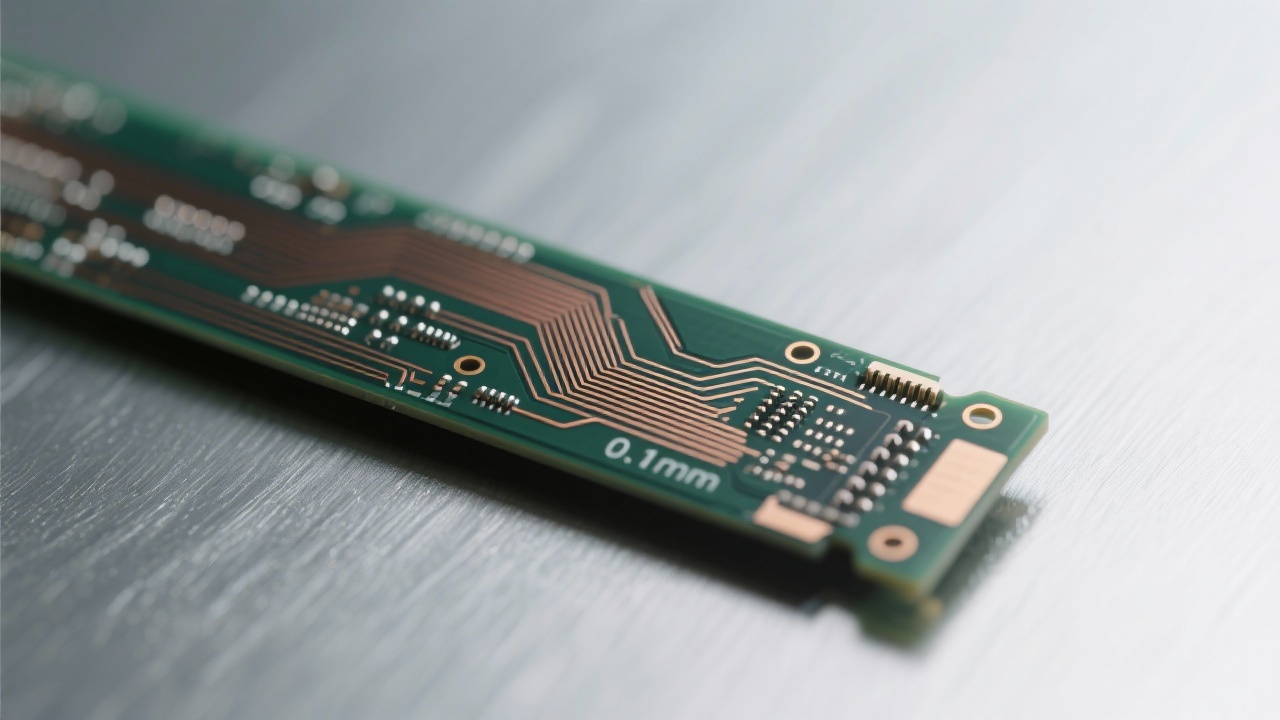
A leading smartphone manufacturer faced challenges in achieving stable 50Ω differential impedance on their multi-layer FPCs using traditional OSP. After switching to ENIG, they saw:
These results weren’t accidental—they were enabled by precise control of ENIG parameters such as bath temperature (80–85°C), immersion time (15–20 seconds), and post-treatment rinsing protocols.
For global buyers, compliance isn't optional—it's a requirement. ENIG aligns with:
These standards aren’t just checkboxes—they’re what allow procurement teams to confidently specify ENIG for mission-critical projects.
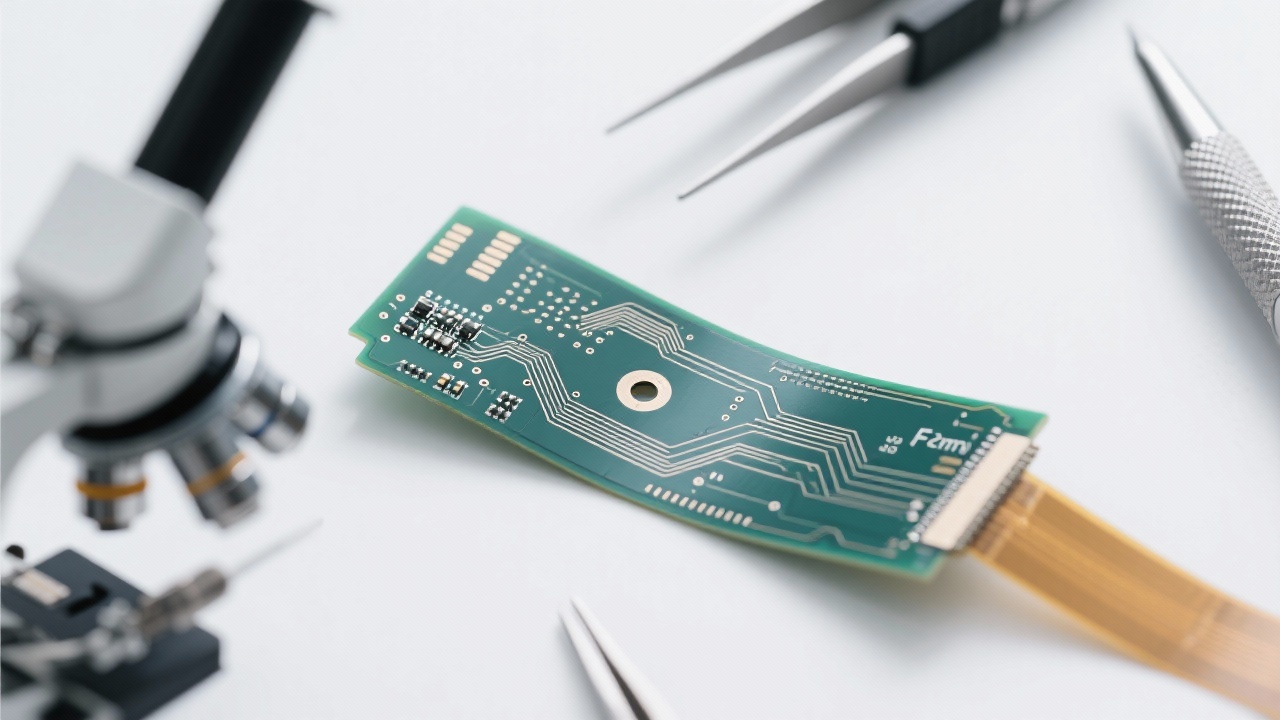
Download our free white paper: “ENIG Best Practices for High-Speed Flexible PCBs” — packed with real-world data, process maps, and compliance checklists used by top-tier manufacturers worldwide.
Get the White Paper Now → 98
|
98
|
 high-speed multilayer PCB
impedance control
high-performance dielectric materials
5G base stations
signal integrity
361
|
High-density FPC routing
Flexible circuit board design
Electromagnetic compatibility optimization
Precision FPC manufacturing
Flexible PCB reliability
293
|
high-speed multilayer PCB
impedance control
5G communication module
high-frequency PCB design
signal integrity
430
|
high-speed multilayer pcb impedance control
50 ohm single ended impedance
100 ohm differential impedance
high frequency pcb design
signal integrity optimization
379
|
FPC high-density routing
flexible PCB design
trace spacing control
high-density PCB manufacturing
electromagnetic compatibility
high-speed multilayer PCB
impedance control
high-performance dielectric materials
5G base stations
signal integrity
361
|
High-density FPC routing
Flexible circuit board design
Electromagnetic compatibility optimization
Precision FPC manufacturing
Flexible PCB reliability
293
|
high-speed multilayer PCB
impedance control
5G communication module
high-frequency PCB design
signal integrity
430
|
high-speed multilayer pcb impedance control
50 ohm single ended impedance
100 ohm differential impedance
high frequency pcb design
signal integrity optimization
379
|
FPC high-density routing
flexible PCB design
trace spacing control
high-density PCB manufacturing
electromagnetic compatibility








-L4-4.png?x-oss-process=image/resize,m_fill,h_800,w_800/format,webp)