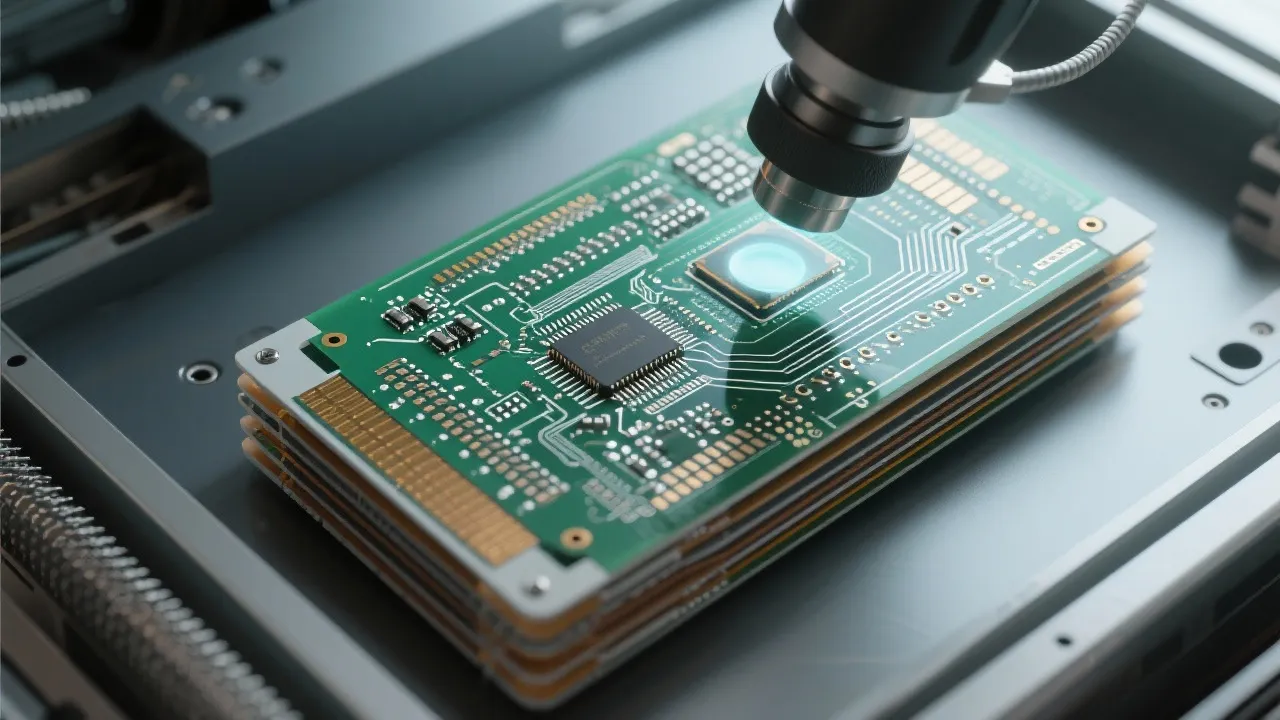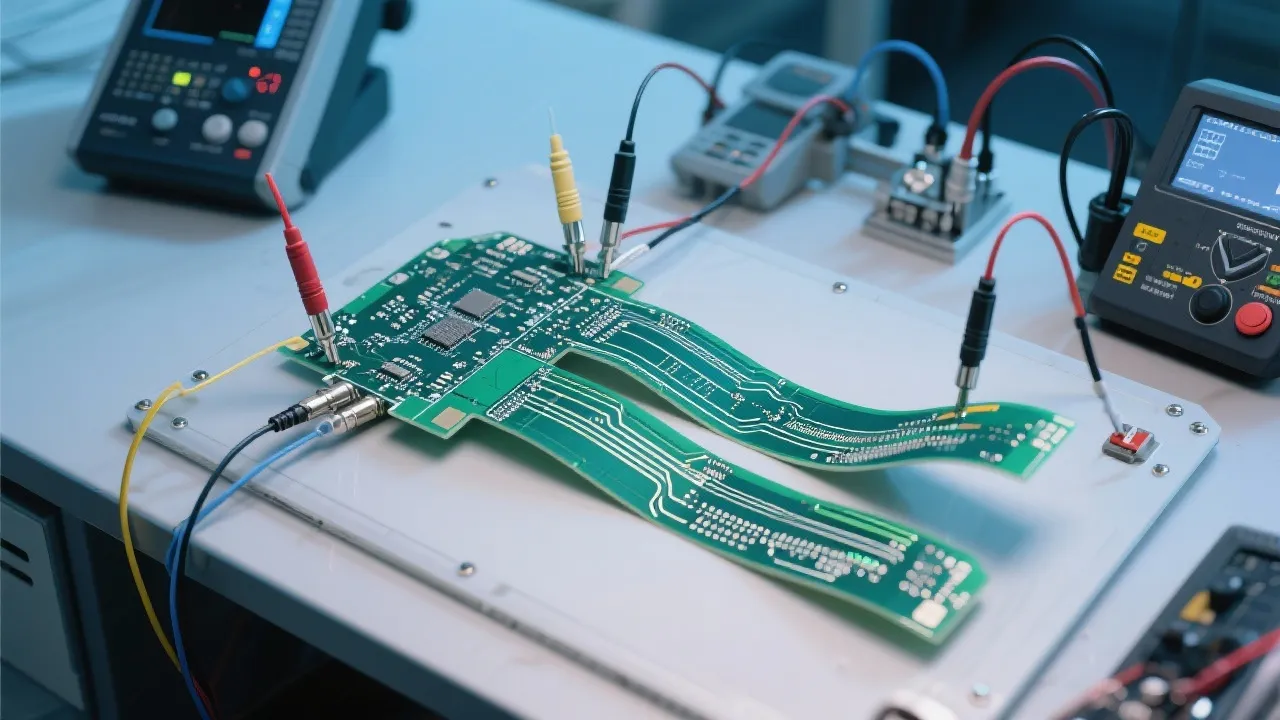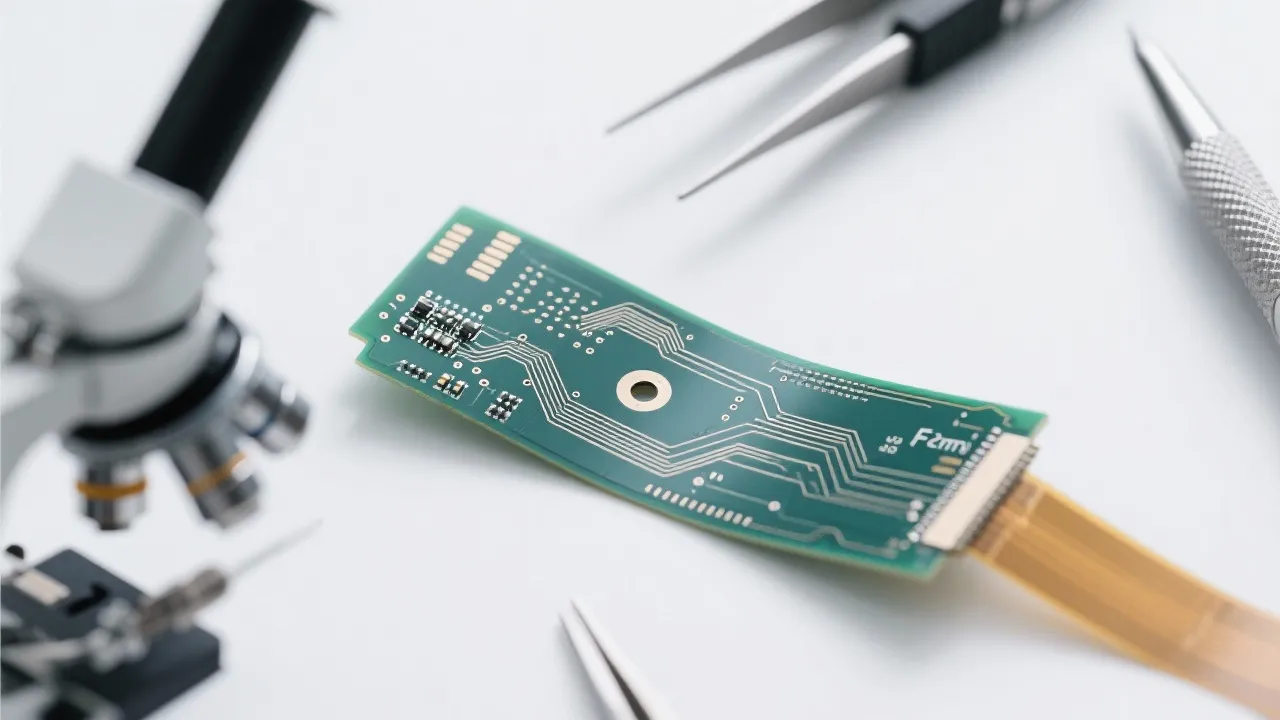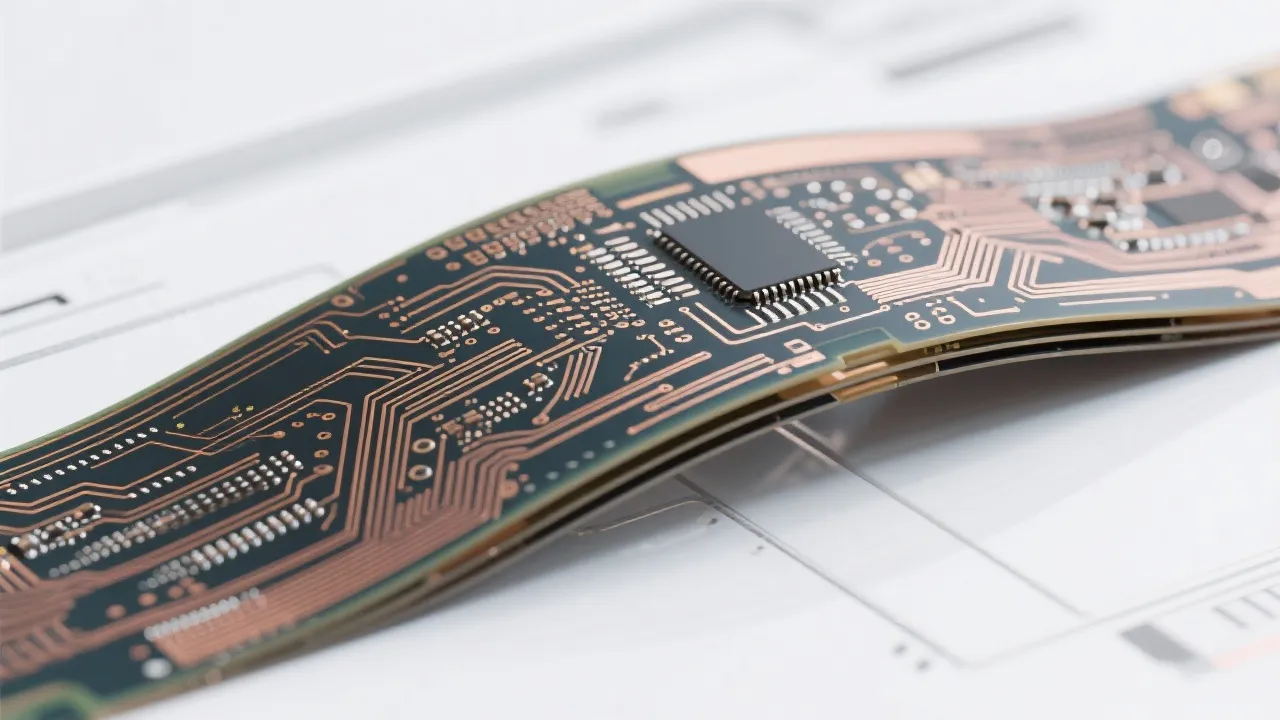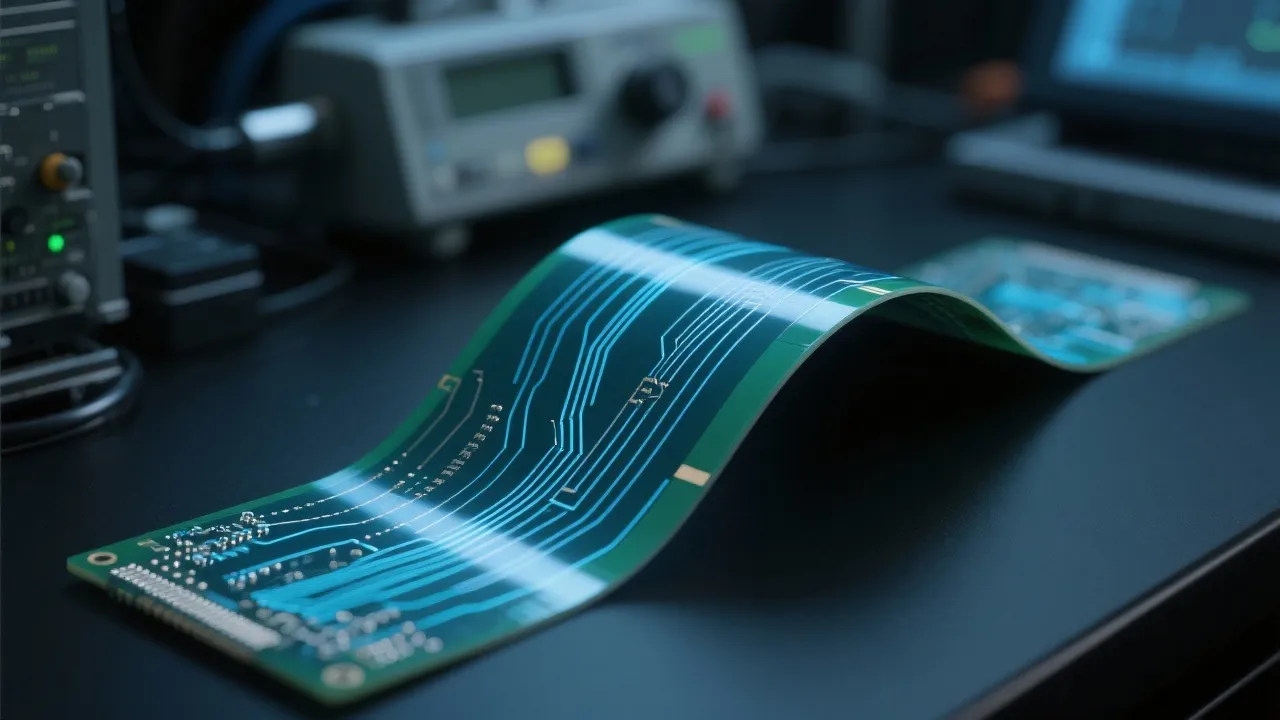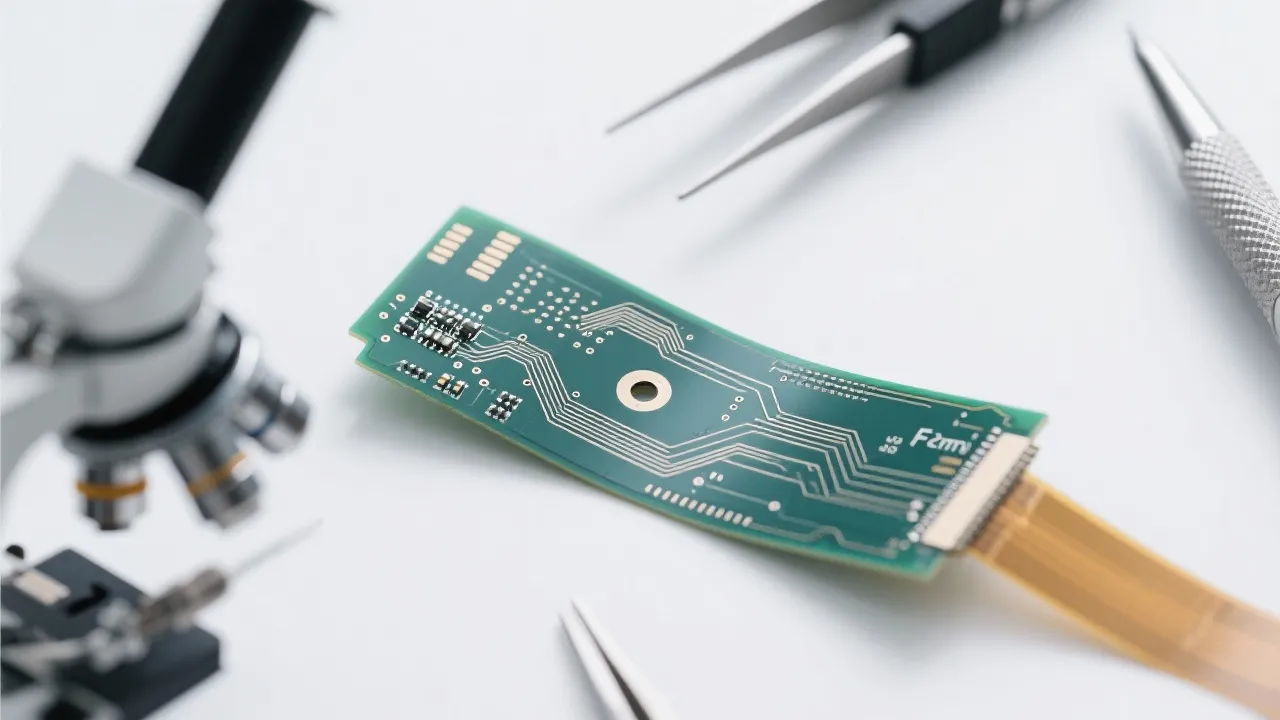
In today’s high-speed electronics—from smartphones to aerospace systems—flexible printed circuit boards (FPCs) are no longer optional. They’re essential. But how do you ensure consistent solder joint reliability and signal integrity when your circuits push the limits of miniaturization? The answer lies in one critical process: Electroless Nickel Immersion Gold (ENIG).
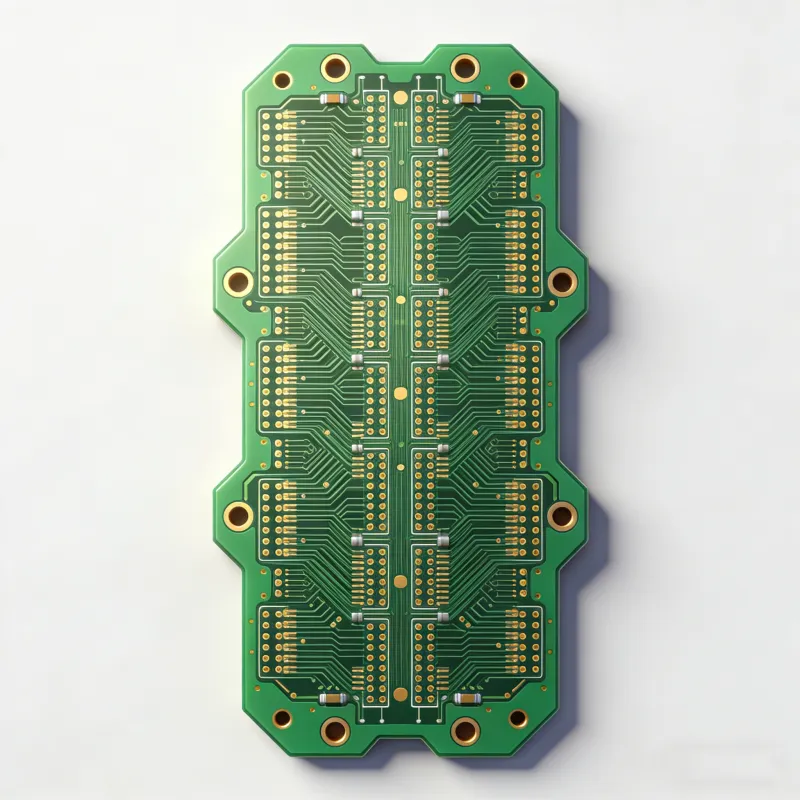
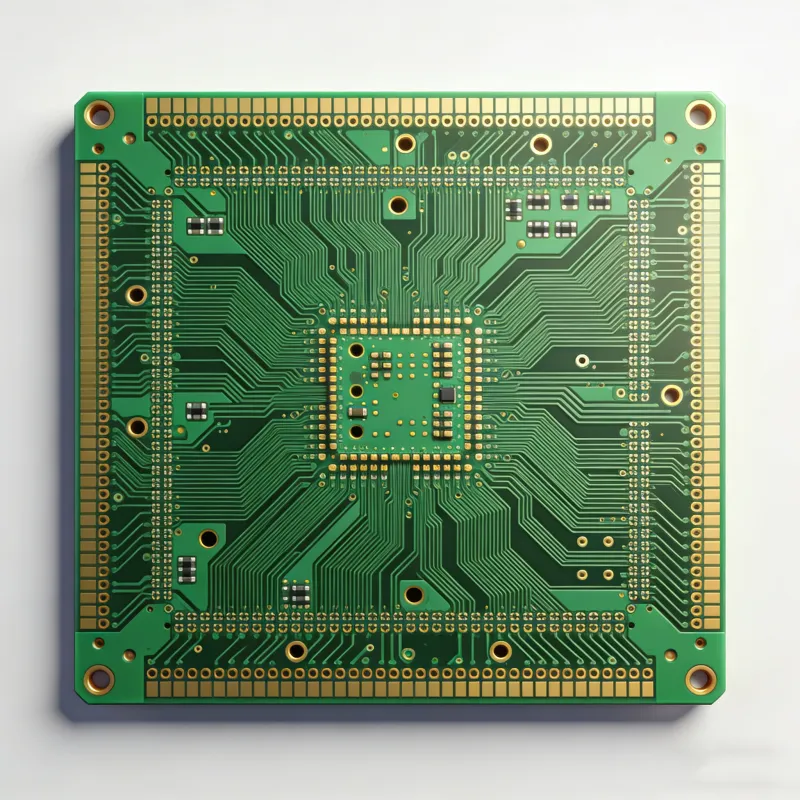
ENIG isn’t just another surface treatment—it’s a precision-engineered solution that addresses two core challenges in high-density flexible PCB manufacturing: solderability and corrosion resistance. With nickel layers typically between 3–5 μm thick and gold coatings around 0.05–0.1 μm, ENIG delivers a flat, uniform finish ideal for micro-via interconnects and fine-pitch components.
Studies show that properly executed ENIG can reduce solder joint failure rates by up to 40% compared to OSP or HASL in repeated thermal cycling tests—a key metric for devices expected to last years under stress.
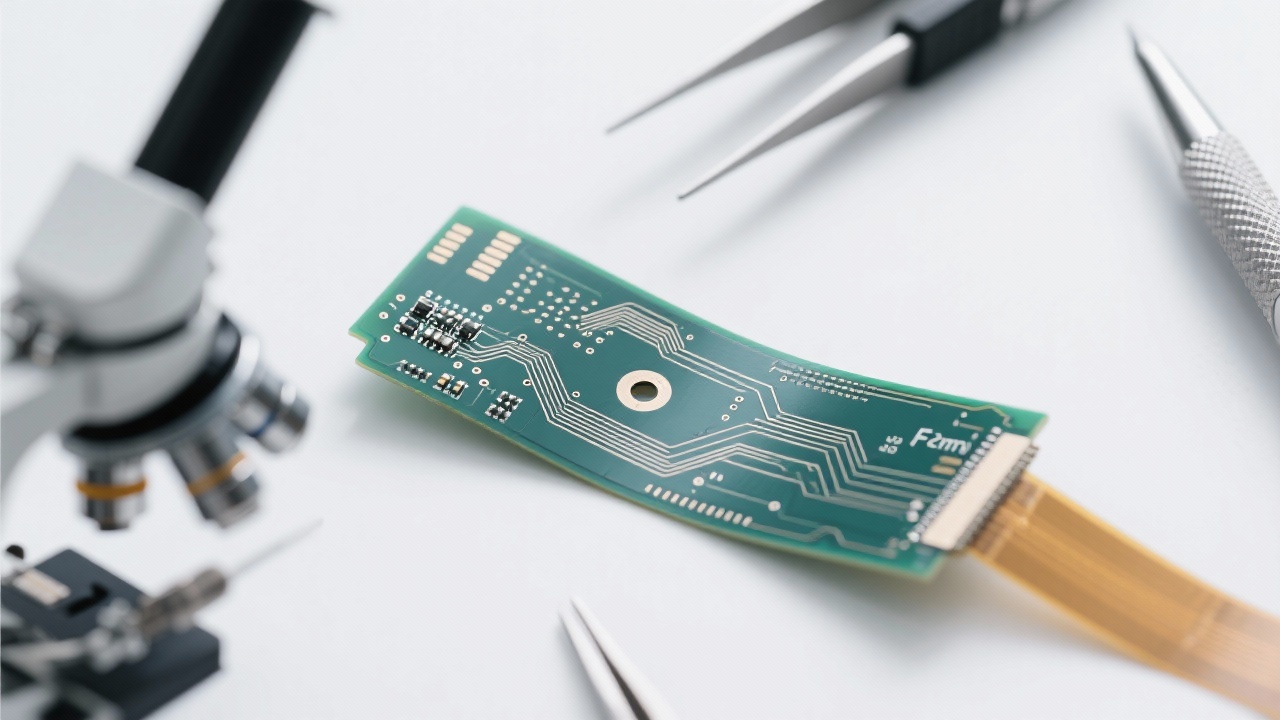
For applications requiring tight impedance control—like 5G modules or satellite communication systems—ENIG offers superior consistency over time. Its low surface roughness (<0.5 μm Ra) minimizes signal loss, making it a preferred choice among top-tier manufacturers like Ruiheng PCB.
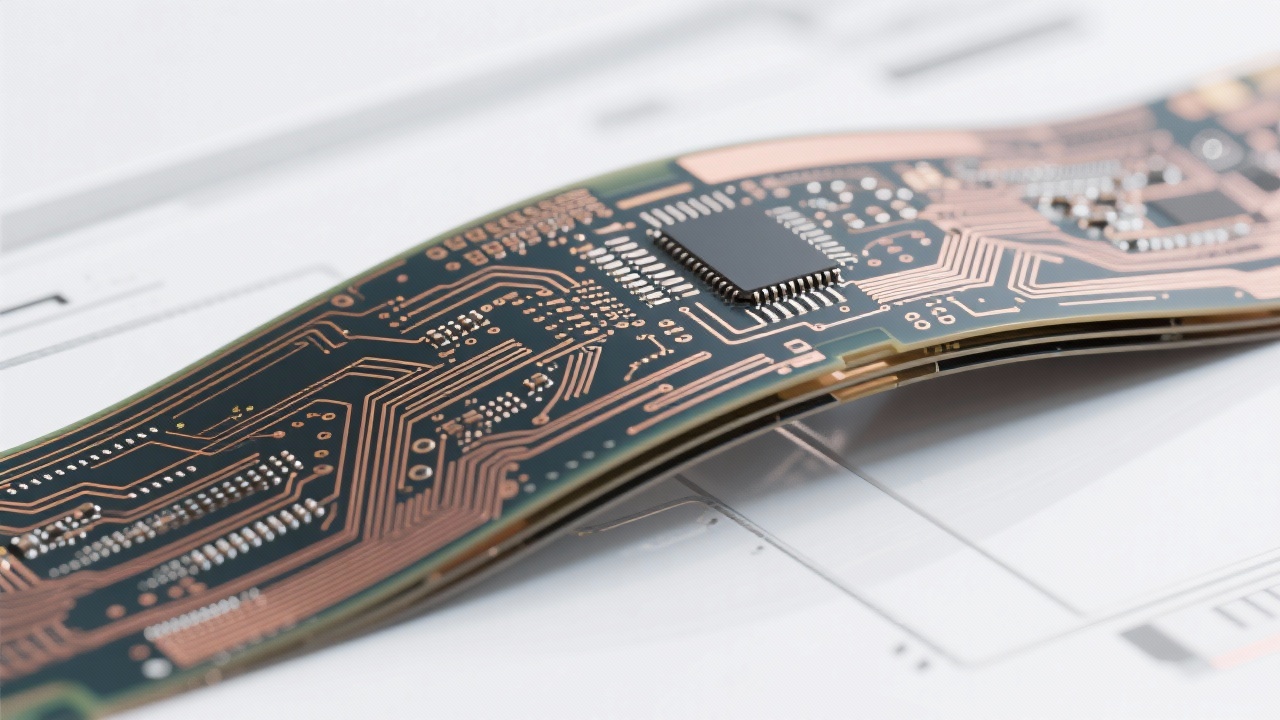
Global compliance standards such as RoHS, UL, and IATF 16949 aren’t just checkboxes—they’re trust signals. ENIG processes must meet strict thresholds for lead content (<100 ppm), halogen-free materials, and dimensional stability across temperature cycles (-40°C to +125°C). These specs are non-negotiable in automotive and aerospace sectors where failure means cost—and risk.
Ruiheng PCB has successfully implemented ENIG across multiple production lines with consistent yield rates above 97%, thanks to real-time monitoring of bath chemistry, pH, and temperature during plating. This level of process control ensures not only product quality but also long-term supply chain resilience.
Download our comprehensive technical white paper on ENIG surface finishes in flexible PCBs—including detailed case studies from smartphone OEMs and aerospace suppliers.
Get the Full Technical Guide Now 350
|
350
|
 High - speed multilayer PCB
Impedance control
5G communication PCB
Signal integrity
High - frequency PCB manufacturing
206
|
FPC bending failure analysis
PI reinforcement edge design
stress concentration in flexible circuits
SMT reflow soldering for FPC
industrial FPC reliability
402
|
four-layer thick copper PCB design
power electronics PCB thermal optimization
thick copper PCB minimum trace spacing
ENIG surface finish benefits
high Tg FR-4 applications
479
|
HDI PCB Manufacturing
0.1mm Microvia Process
0.5mm Backdrilling Technology
PCB Microvia Formation
IPC-III Standard
227
|
high-precision FPC design
2mil trace width
4-layer flexible PCB
ENIG surface finish
impedance control
High - speed multilayer PCB
Impedance control
5G communication PCB
Signal integrity
High - frequency PCB manufacturing
206
|
FPC bending failure analysis
PI reinforcement edge design
stress concentration in flexible circuits
SMT reflow soldering for FPC
industrial FPC reliability
402
|
four-layer thick copper PCB design
power electronics PCB thermal optimization
thick copper PCB minimum trace spacing
ENIG surface finish benefits
high Tg FR-4 applications
479
|
HDI PCB Manufacturing
0.1mm Microvia Process
0.5mm Backdrilling Technology
PCB Microvia Formation
IPC-III Standard
227
|
high-precision FPC design
2mil trace width
4-layer flexible PCB
ENIG surface finish
impedance control






-4.png?x-oss-process=image/resize,m_fill,h_800,w_800/format,webp)

-L4-4.png?x-oss-process=image/resize,m_fill,h_800,w_800/format,webp)