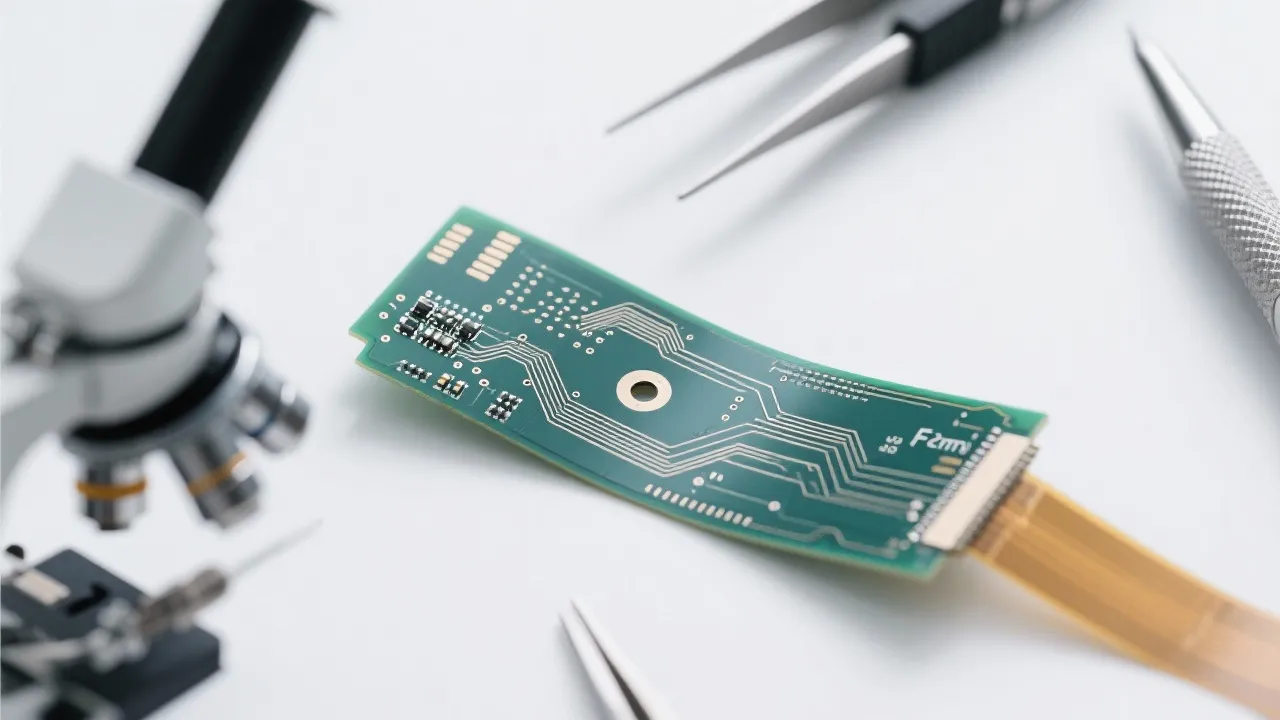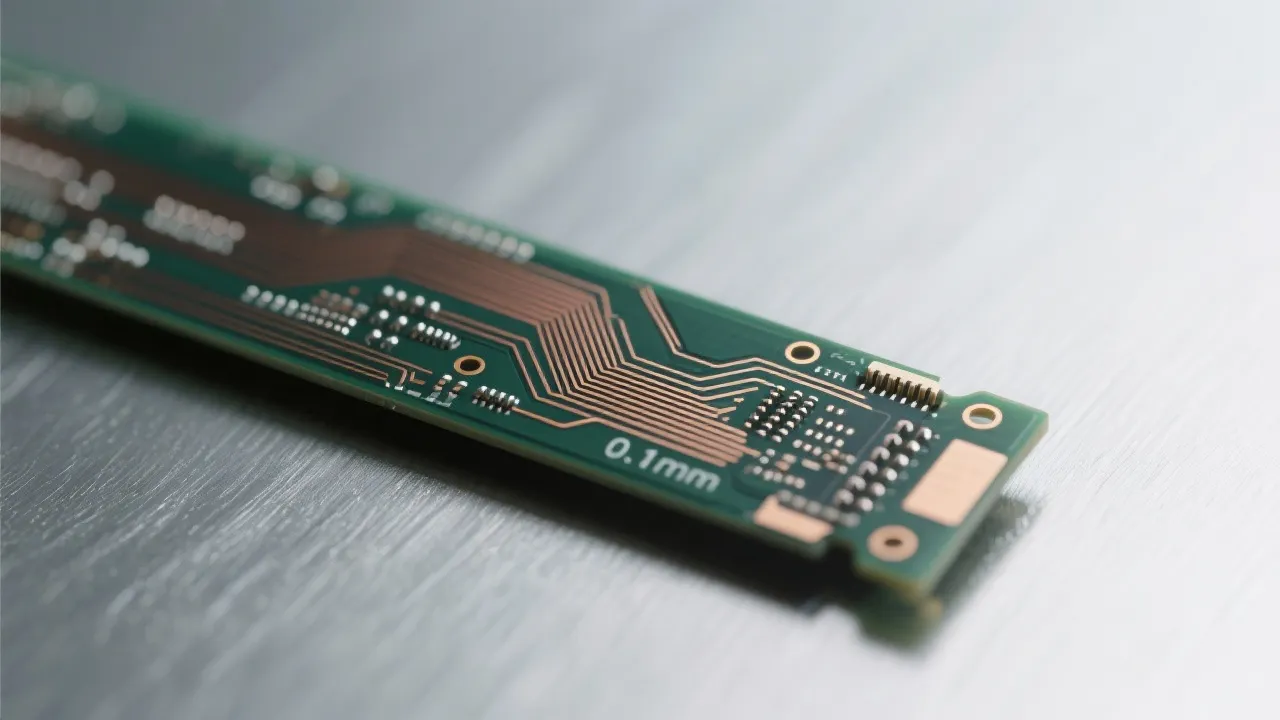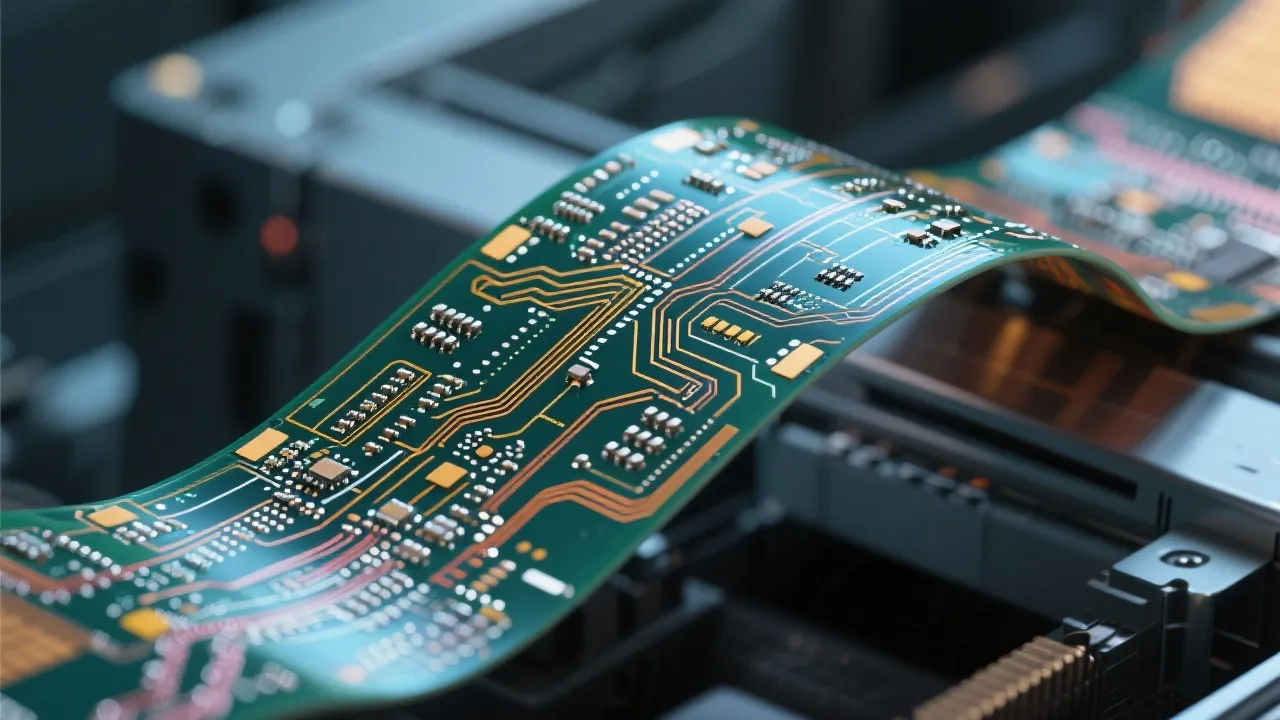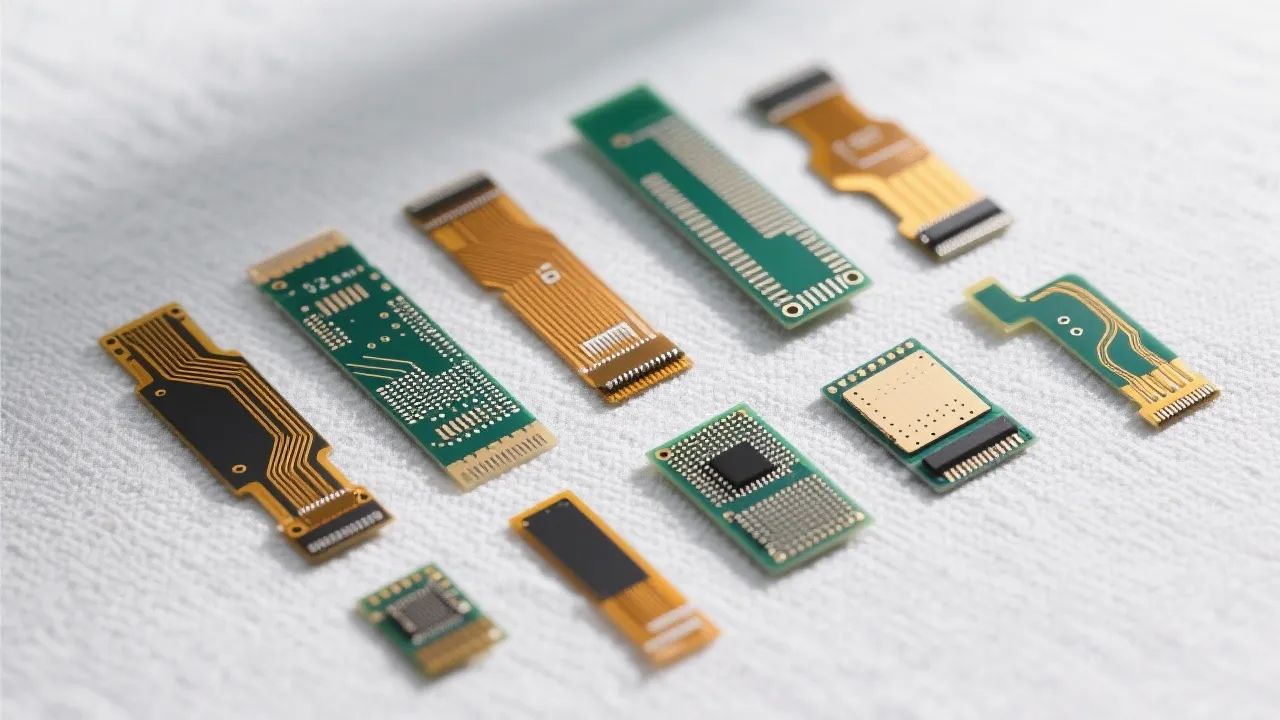
In today’s high-frequency, miniaturized electronics landscape—from smartphones to aerospace systems—signal integrity and long-term reliability are non-negotiable. For engineers designing flexible printed circuit boards (FPCs) with micro-traces as narrow as 2 mils or impedance-controlled differential pairs like 50Ω, choosing the right surface finish isn’t just a detail—it’s a critical decision that impacts yield, performance, and product lifespan.
Among all available options—OSP, HASL, ENEPIG—ENIG (Electroless Nickel Immersion Gold) stands out as the most consistent solution for both solderability and electrical stability in demanding applications.
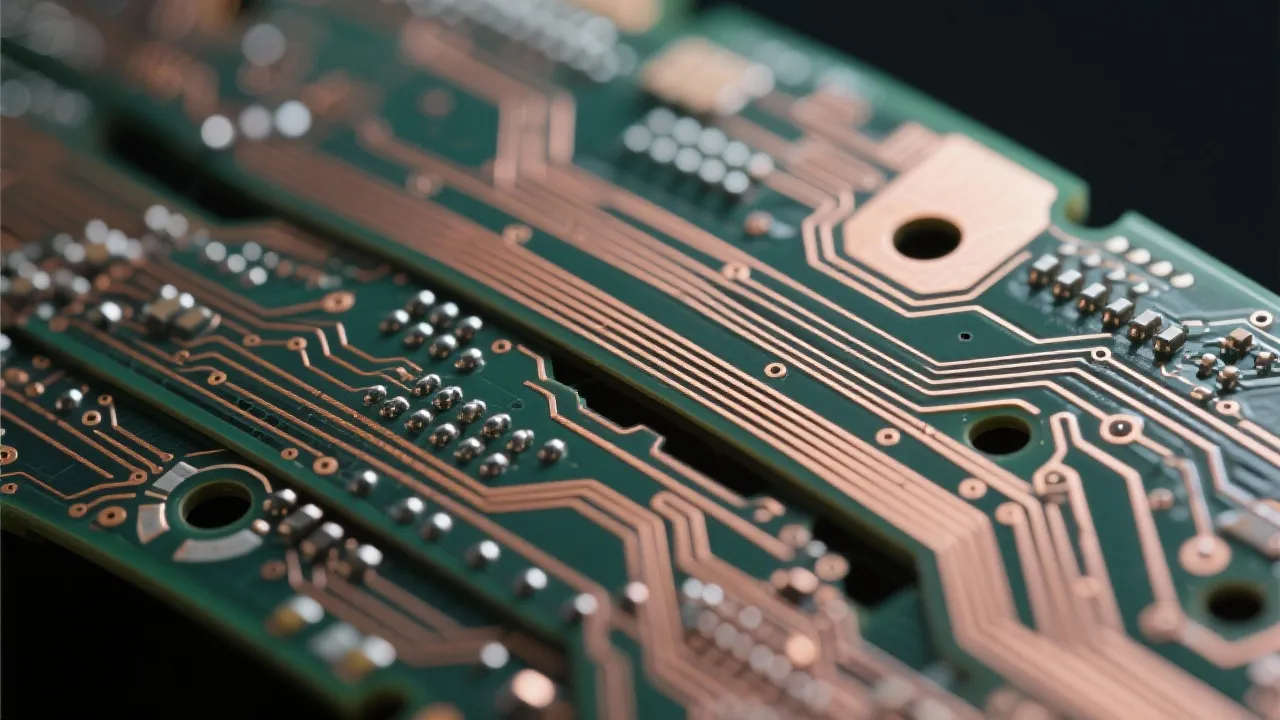
The magic lies in its two-layer structure: a 3–5 μm electroless nickel layer beneath a thin 0.05–0.15 μm immersion gold coating. This combination provides:
According to IPC-4552 standards, properly controlled ENIG finishes maintain solderability for over 12 months when stored at 25°C/60% RH—critical for global supply chains where lead times can stretch beyond 6 months.
“In automotive-grade FPCs, ENIG reduces open-circuit failures by up to 70% compared to OSP after 500 thermal cycles.” — Ruiheng PCB Technical Report, 2023
A leading OEM faced recurring signal distortion in their multi-layer FPCs used in camera modules. After switching from HASL to ENIG, they reported:
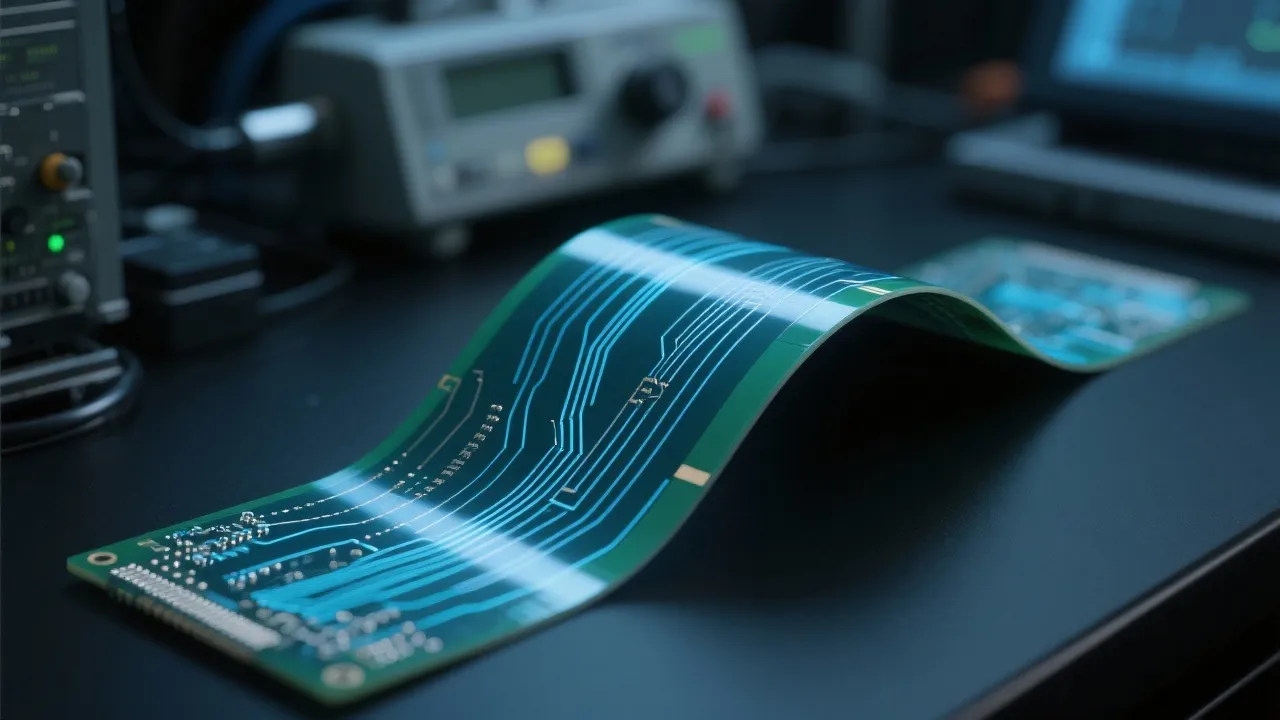
This case illustrates why ENIG is now preferred in devices requiring tight impedance matching (±5%) and robust mechanical flexibility—especially in foldable phones and wearable tech.
Modern ENIG processes must meet strict regulatory thresholds:
| Standard | Key Requirement |
|---|---|
| RoHS | Lead-free plating, no hazardous substances above 0.1% |
| TS16949 | Process capability index (Cpk ≥ 1.33) for Ni/Au thickness variation |
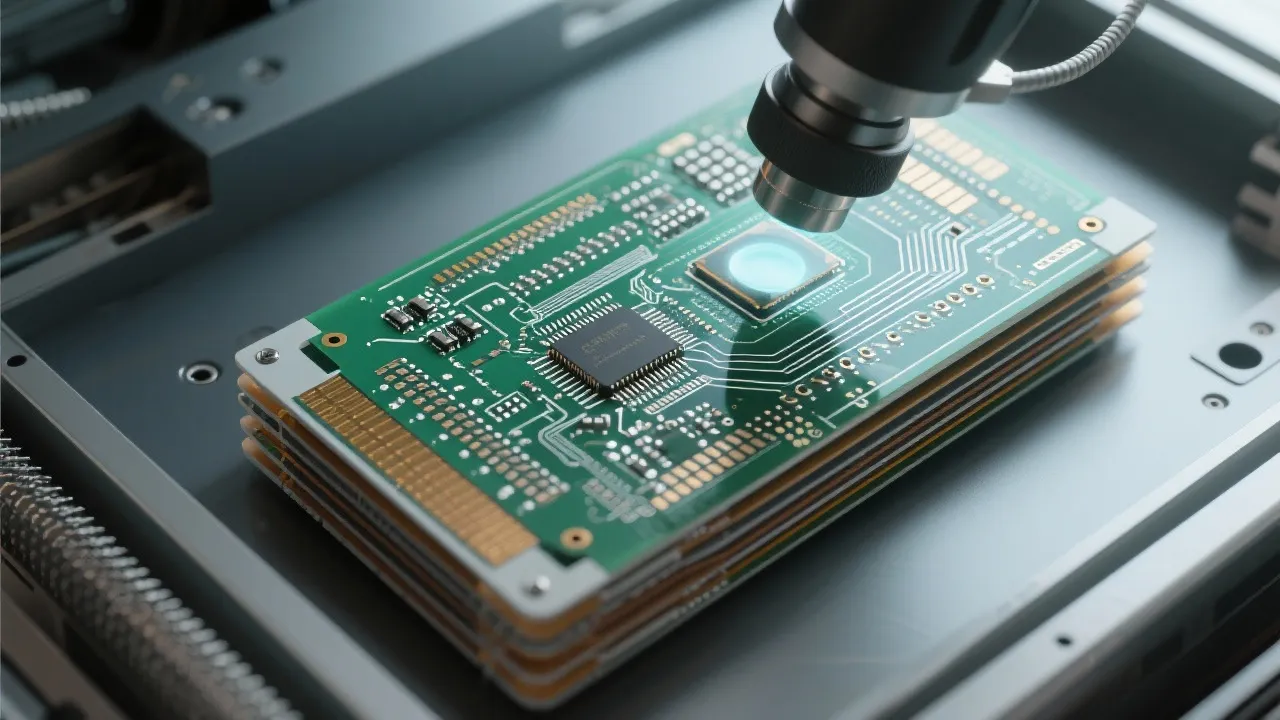
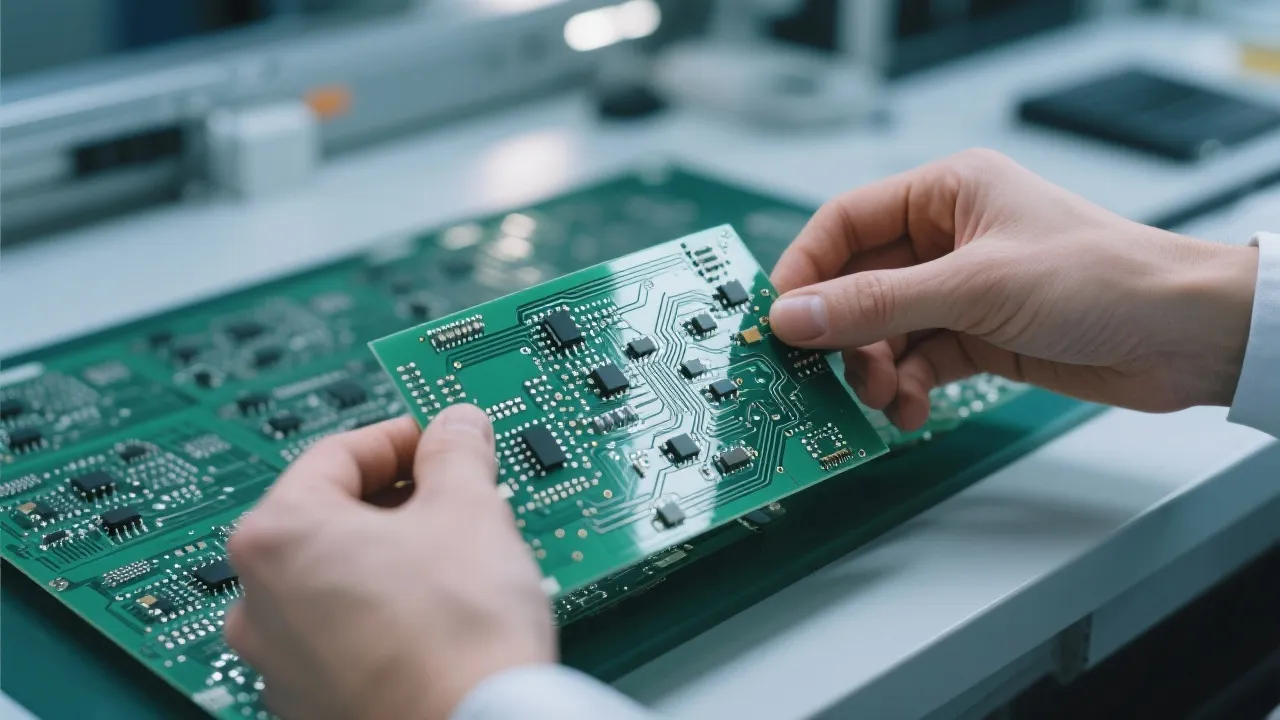
At Ruiheng PCB, every batch undergoes automated optical inspection (AOI) and XRF analysis to ensure full traceability—not just for compliance, but for trust.
Whether you're designing your first flex board or optimizing for mass production, understanding how ENIG supports precision, durability, and compliance is essential. Let this guide be your starting point—not just for specs, but for smarter engineering decisions.
 143
|
143
|
 high-speed multilayer PCB
impedance control technology
telecom high-frequency PCB
5G communication PCB
signal integrity
361
|
High-density FPC routing
Flexible circuit board design
Electromagnetic compatibility optimization
Precision FPC manufacturing
Flexible PCB reliability
402
|
four-layer thick copper PCB design
power electronics PCB thermal optimization
thick copper PCB minimum trace spacing
ENIG surface finish benefits
high Tg FR-4 applications
283
|
4-layer heavy copper PCB design
power electronics thermal management
thick copper PCB line spacing
ENIG surface finish
high Tg FR-4 application
182
|
high-frequency multilayer PCB
impedance control technology
5G base station PCB design
high-speed telecom PCB
AOI inspection
high-speed multilayer PCB
impedance control technology
telecom high-frequency PCB
5G communication PCB
signal integrity
361
|
High-density FPC routing
Flexible circuit board design
Electromagnetic compatibility optimization
Precision FPC manufacturing
Flexible PCB reliability
402
|
four-layer thick copper PCB design
power electronics PCB thermal optimization
thick copper PCB minimum trace spacing
ENIG surface finish benefits
high Tg FR-4 applications
283
|
4-layer heavy copper PCB design
power electronics thermal management
thick copper PCB line spacing
ENIG surface finish
high Tg FR-4 application
182
|
high-frequency multilayer PCB
impedance control technology
5G base station PCB design
high-speed telecom PCB
AOI inspection






-L4-4.png?x-oss-process=image/resize,m_fill,h_800,w_800/format,webp)
-4.png?x-oss-process=image/resize,m_fill,h_800,w_800/format,webp)