
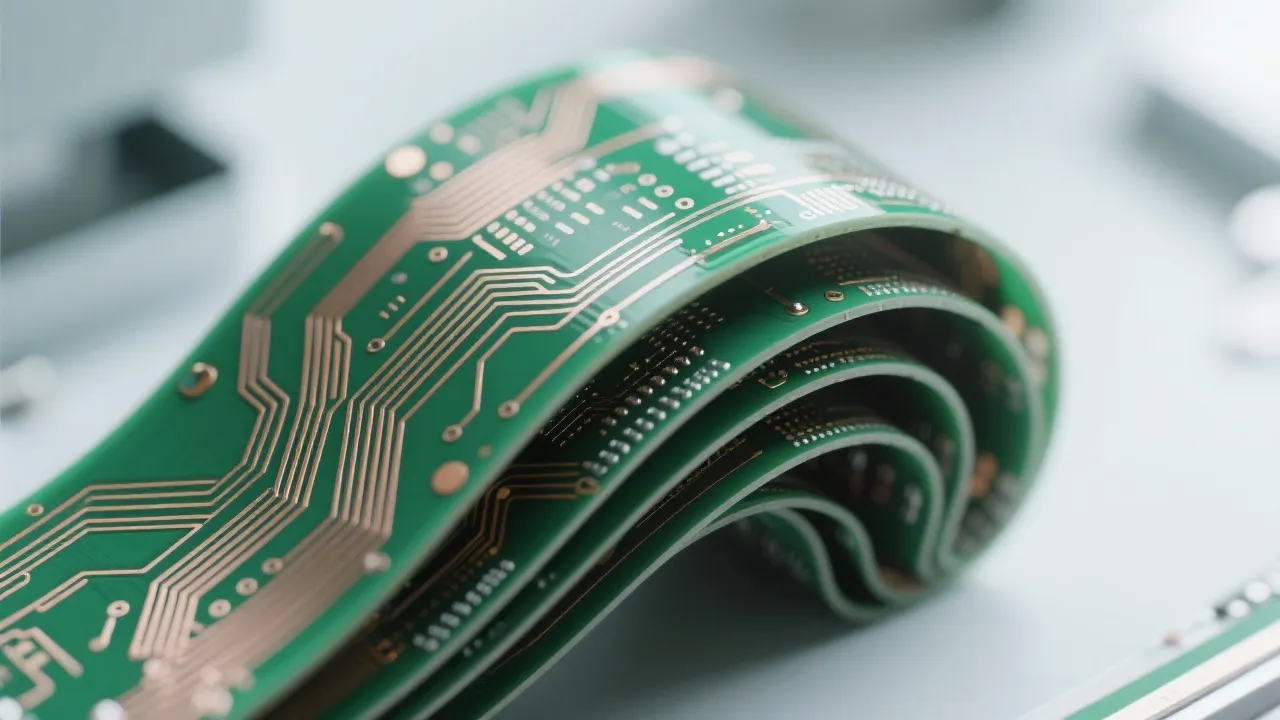
In today’s fast-paced electronics industry, the demand for high-quality, double-sided printed circuit boards (PCBs) with rapid turnaround times continues to surge. This guide explores the critical technologies and process steps involved in efficiently manufacturing double-layer PCBs, emphasizing how precision at every stage—from design input to final electrical testing—ensures reliability and accelerates production cycles. Professionals in electronic engineering and production management will find this resource instrumental in optimizing their workflows and supply chain responsiveness.
Manufacturing double-layer PCBs involves several interdependent processes, each contributing to the overall quality and performance. The principal stages include:
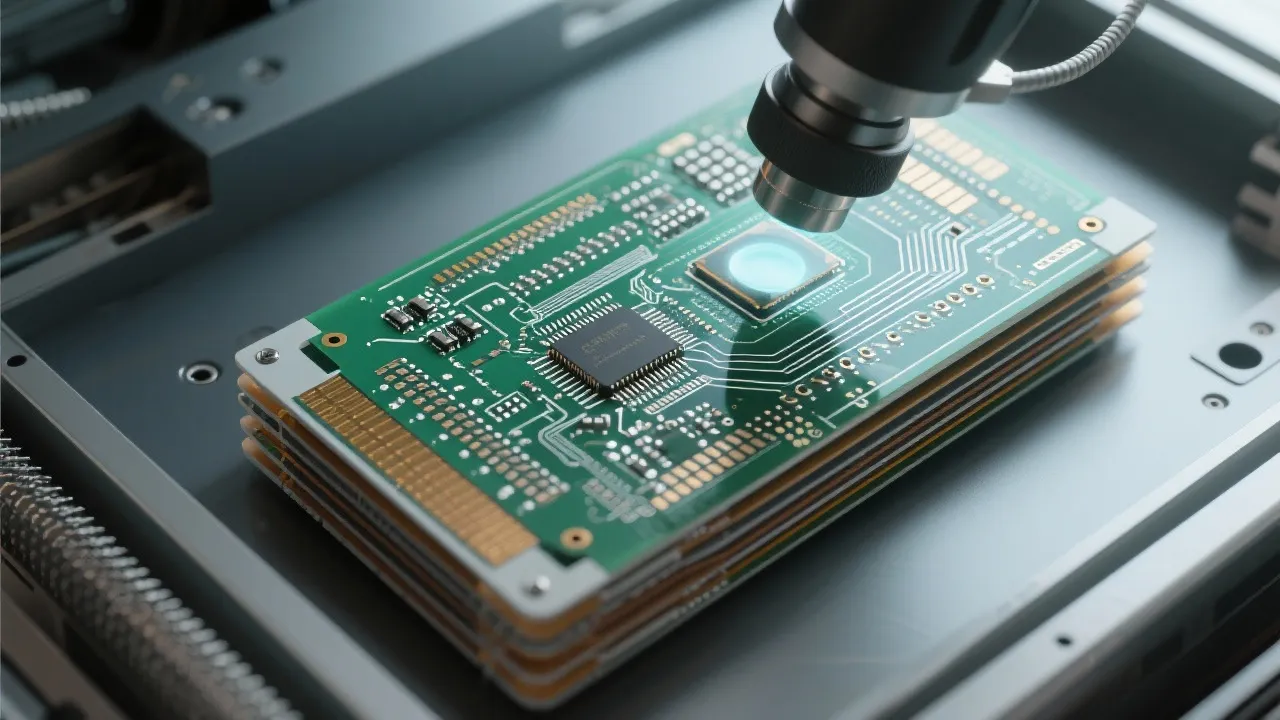
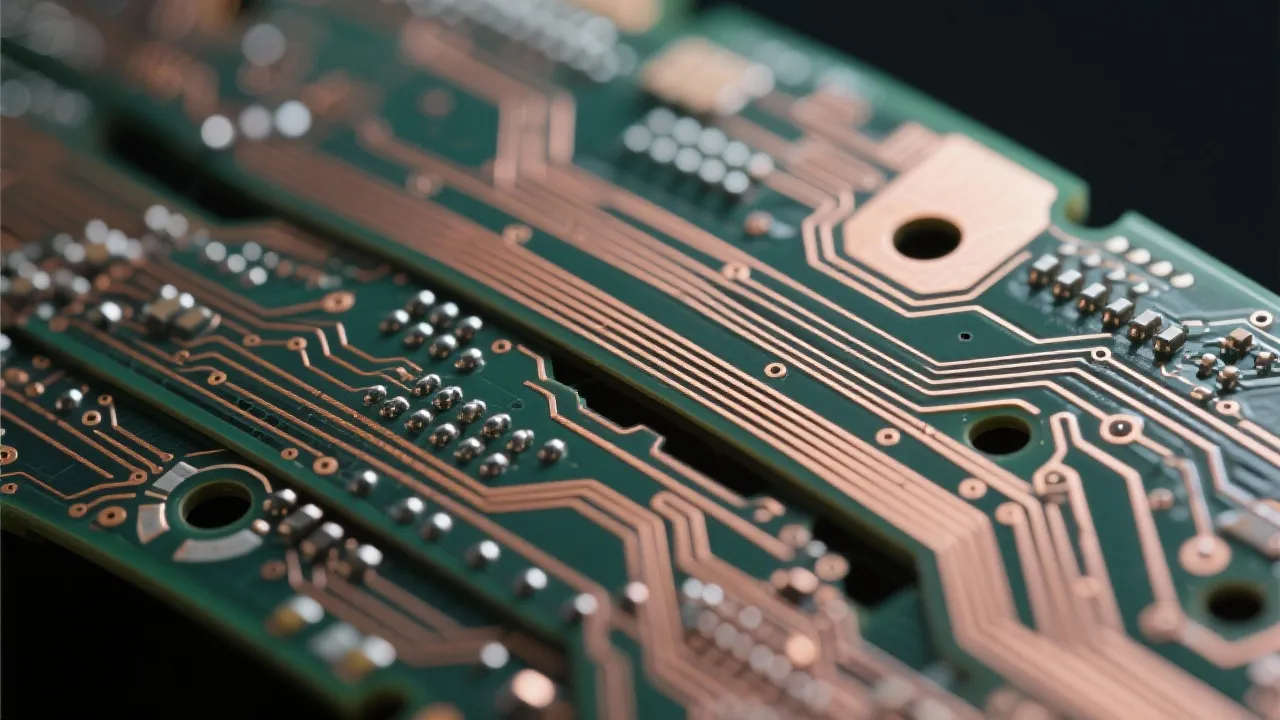
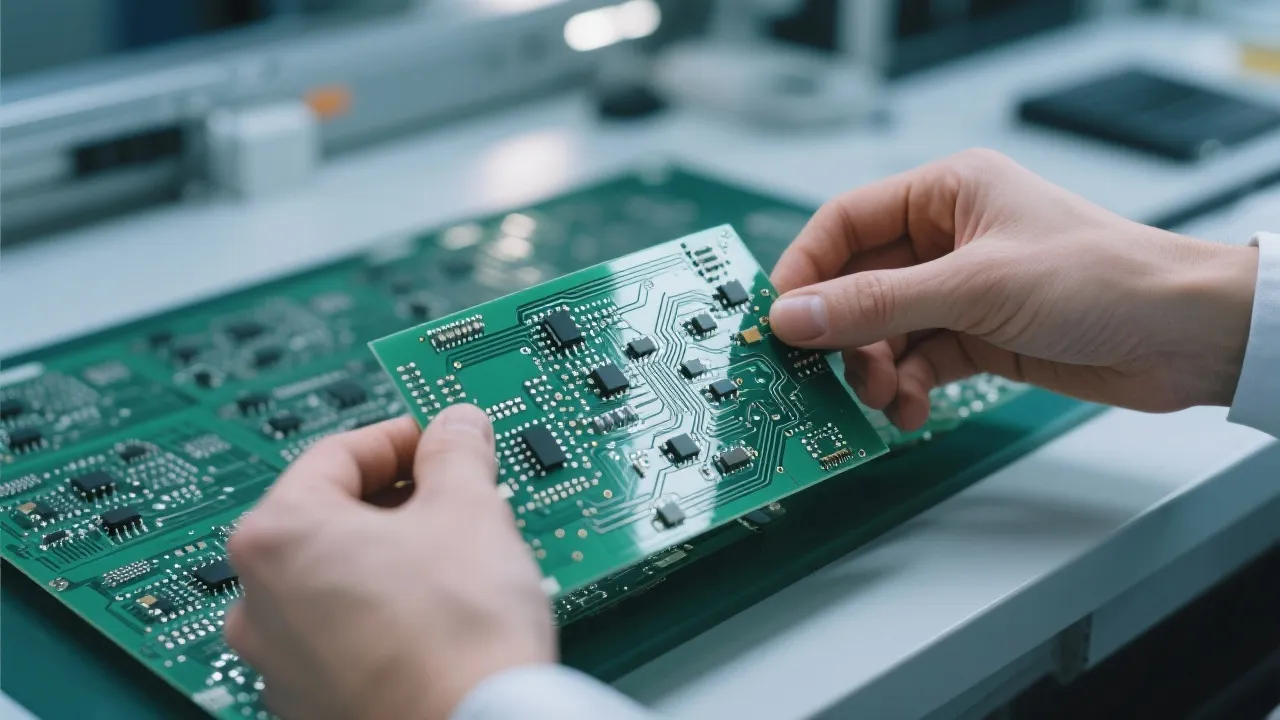
Etching stands as the most delicate step where precision defines the fidelity of circuit traces. Modern processes utilize automated spray etching and in-line inspection systems capable of real-time defect detection, boosting yield rates above 98%. In lamination, multi-layered prepregs are thermally compressed, forming robust dielectric bonds essential for board durability and electrical insulation.
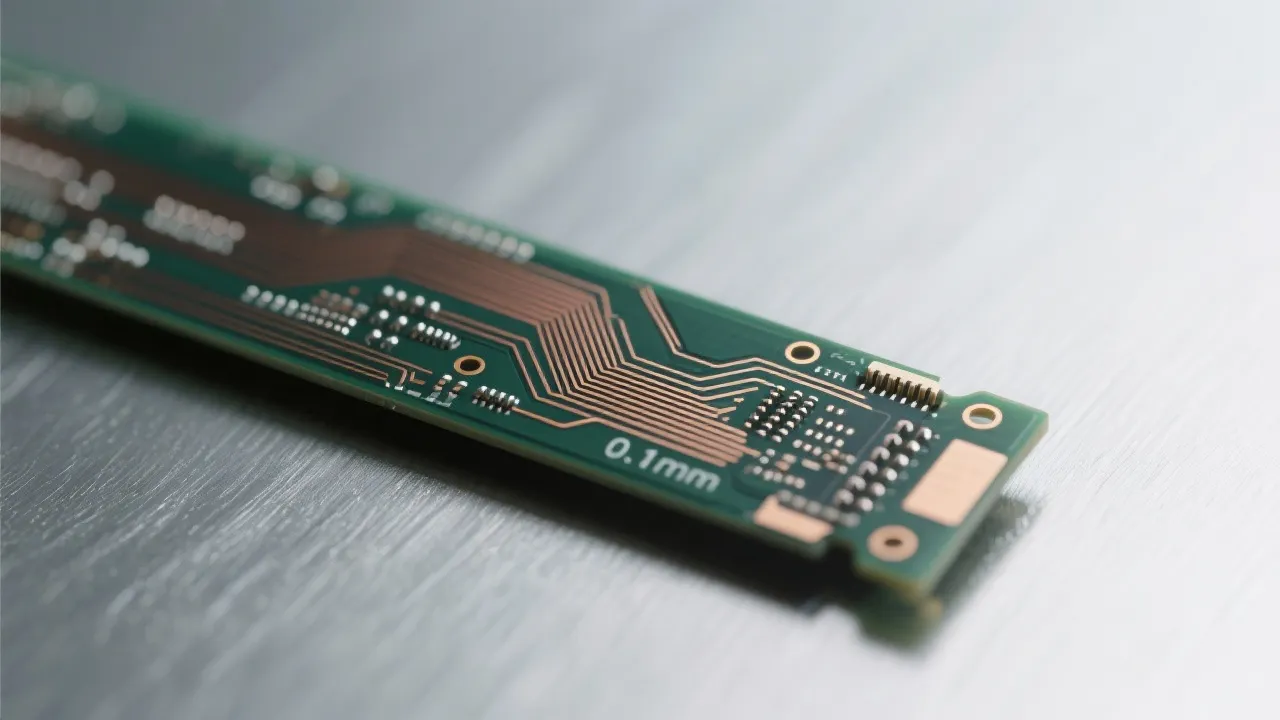
High-speed CNC routers and laser drilling systems enable hole size control and positional accuracy within ±0.02 mm, adaptable to various PCB designs requiring vias and through-holes.
Surface finishes protect copper pads and enhance solderability. Manufacturers must carefully select from three primary finishes based on application and cost considerations:
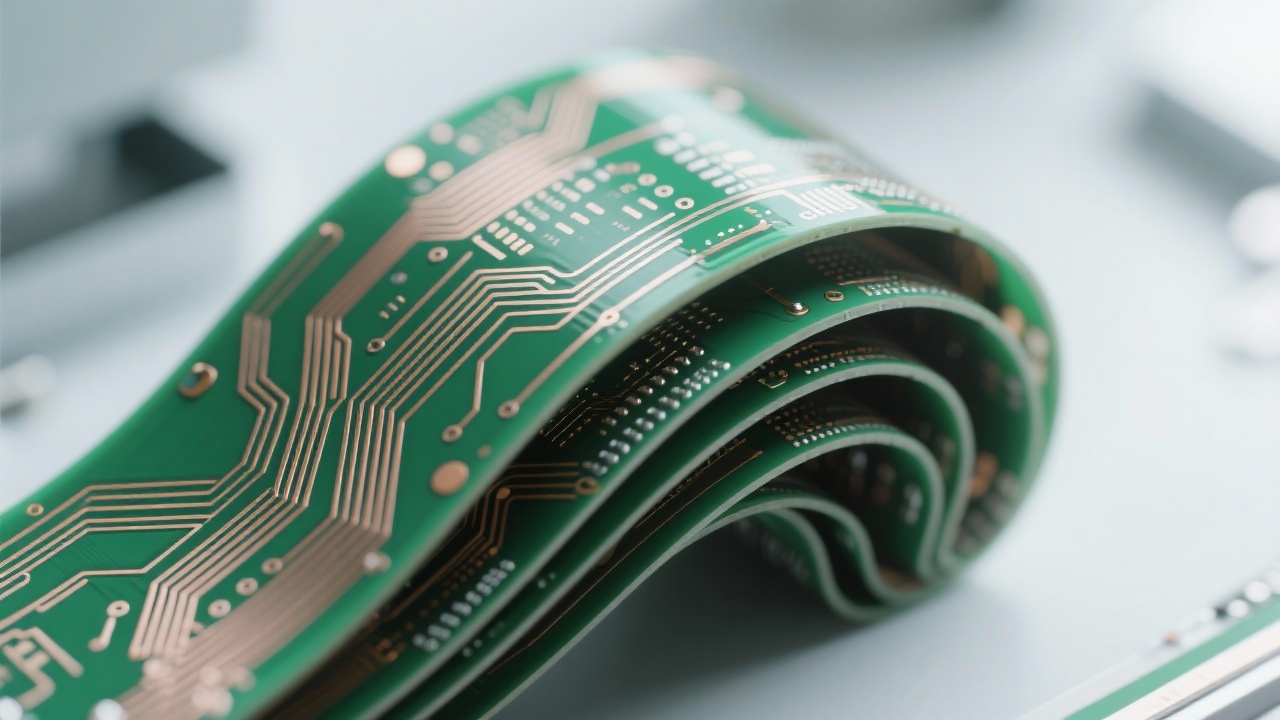
Flying probe testing uses multiple needle probes that dynamically contact various pad points to detect opens, shorts, and critical faults. This non-contact method eliminates the need for costly bed-of-nails fixtures, reducing test setup times and enhancing flexibility for complex or small production batches.
Typical test durations range from 1 to 5 minutes per PCB depending on complexity, with defect detection rates exceeding 99%. The adaptive test program can be rapidly updated to match layout revisions, supporting agile production cycles.
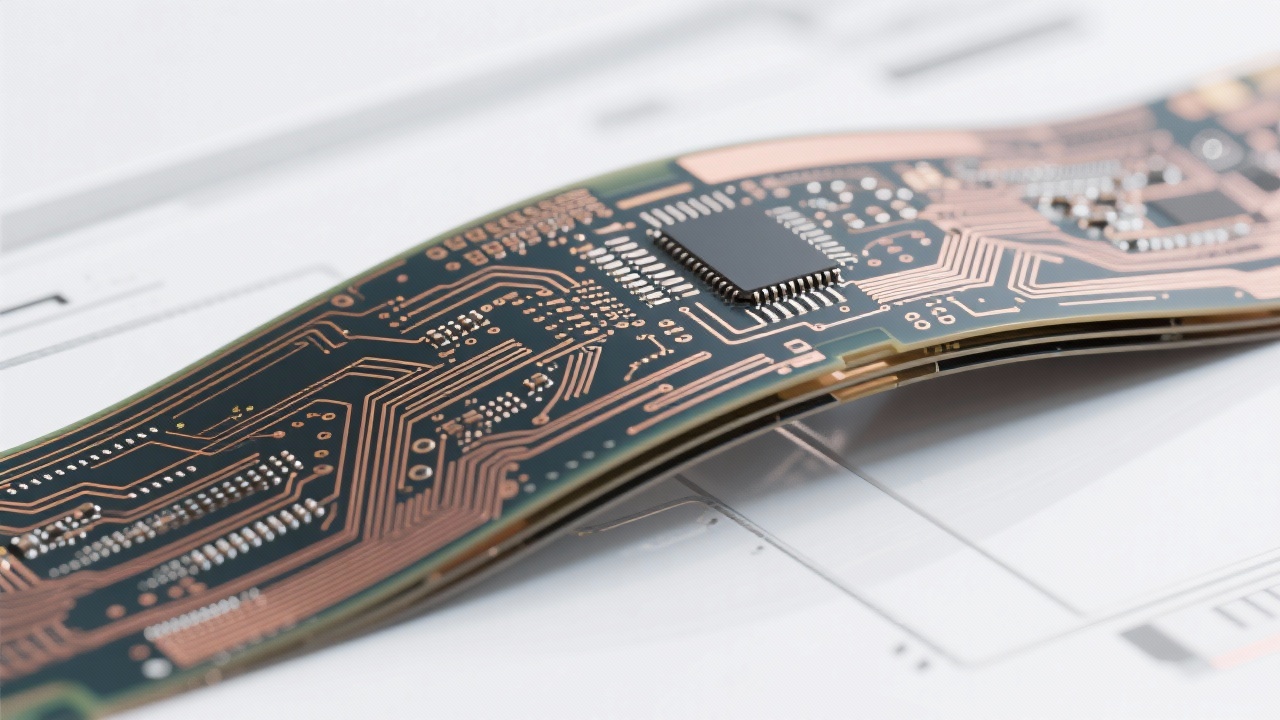
Owning the entire production chain—from material procurement to final testing—enables tighter quality control, reducing defect rates and rework by up to 25%. Internal manufacturing also shrinks lead times, with rapid prototyping and small-batch runs completed within 3-5 business days in many cases, drastically improving responsiveness to market demands.
Furthermore, synchronization of production schedules with optimized logistics leads to highly predictable order fulfillment, a critical competitive edge in global electronics supply chains.
Optimized production workflows incorporate just-in-time (JIT) inventory management coupled with multi-modal global logistics tailored for time-sensitive electronics components. For example, integrating air freight with local last-mile delivery ensures orders reach customers within 7-10 days internationally, even during peak demand.
A recent case study revealed that adjusting batch sizes based on regional demand forecasts improved capacity utilization by 18%, while enhanced tracking systems reduced transit delays by nearly 30%. These data-driven adjustments have directly contributed to higher client satisfaction rates and repeat business.

 220
|
220
|
 FPC high - density routing
Flexible circuit board design techniques
Electromagnetic compatibility optimization
High - density routing solutions
Flexible PCB manufacturing processes
125
|
high-density FPC layout
flexible PCB design techniques
electromagnetic compatibility optimization
signal crosstalk prevention
advanced flexible PCB manufacturing
459
|
Multilayer FPC Via Design
FPC Bend Area Stress
Flexible Circuit Design
High-Density FPC Routing
FPC Reliability Enhancement
41
|
FPC high-density wiring
Flexible circuit board design techniques
Electromagnetic compatibility optimization
High-density flexible PCB manufacturing process
Minimum hole diameter 0.2mm
298
|
FPC high - density wiring
Flexible circuit board design skills
Electromagnetic compatibility optimization
Signal crosstalk protection
High - reliability FPC manufacturing
FPC high - density routing
Flexible circuit board design techniques
Electromagnetic compatibility optimization
High - density routing solutions
Flexible PCB manufacturing processes
125
|
high-density FPC layout
flexible PCB design techniques
electromagnetic compatibility optimization
signal crosstalk prevention
advanced flexible PCB manufacturing
459
|
Multilayer FPC Via Design
FPC Bend Area Stress
Flexible Circuit Design
High-Density FPC Routing
FPC Reliability Enhancement
41
|
FPC high-density wiring
Flexible circuit board design techniques
Electromagnetic compatibility optimization
High-density flexible PCB manufacturing process
Minimum hole diameter 0.2mm
298
|
FPC high - density wiring
Flexible circuit board design skills
Electromagnetic compatibility optimization
Signal crosstalk protection
High - reliability FPC manufacturing






-1.png?x-oss-process=image/resize,m_fill,h_800,w_800/format,webp)

-L4-4.png?x-oss-process=image/resize,m_fill,h_800,w_800/format,webp)