
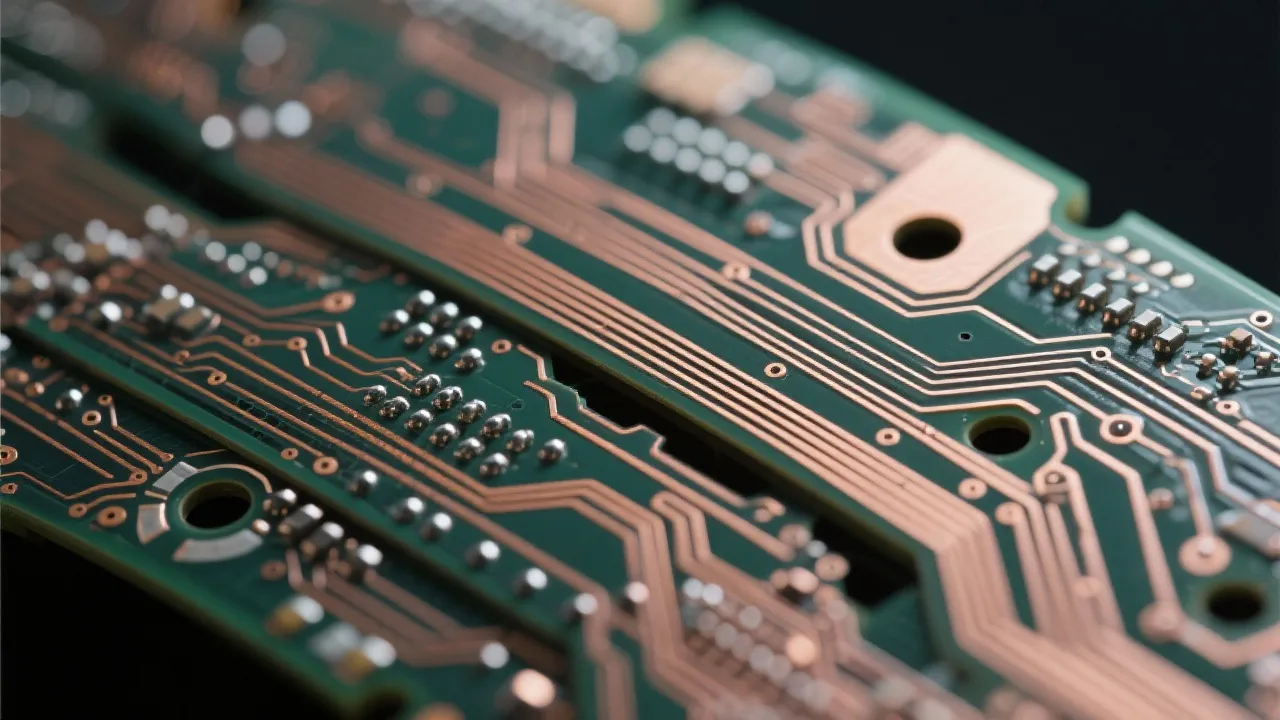
As an engineer designing power electronics, you’ve likely faced this frustrating reality: a perfectly functional industrial power supply suddenly fails during thermal stress testing — not due to component failure, but because of poor PCB thermal management. The root cause? Most often, it’s not just the components — it’s how the board itself conducts heat and carries current.
Standard 1 oz copper PCBs may suffice for low-power applications, but in high-current systems like servo drives or UPS modules, they fail fast. According to IPC-2152, a 1 oz layer can see up to 35°C temperature rise under 10A current density — while a 4 oz thick copper layer reduces that by over 40%. That’s not just better performance — it’s reliability at scale.
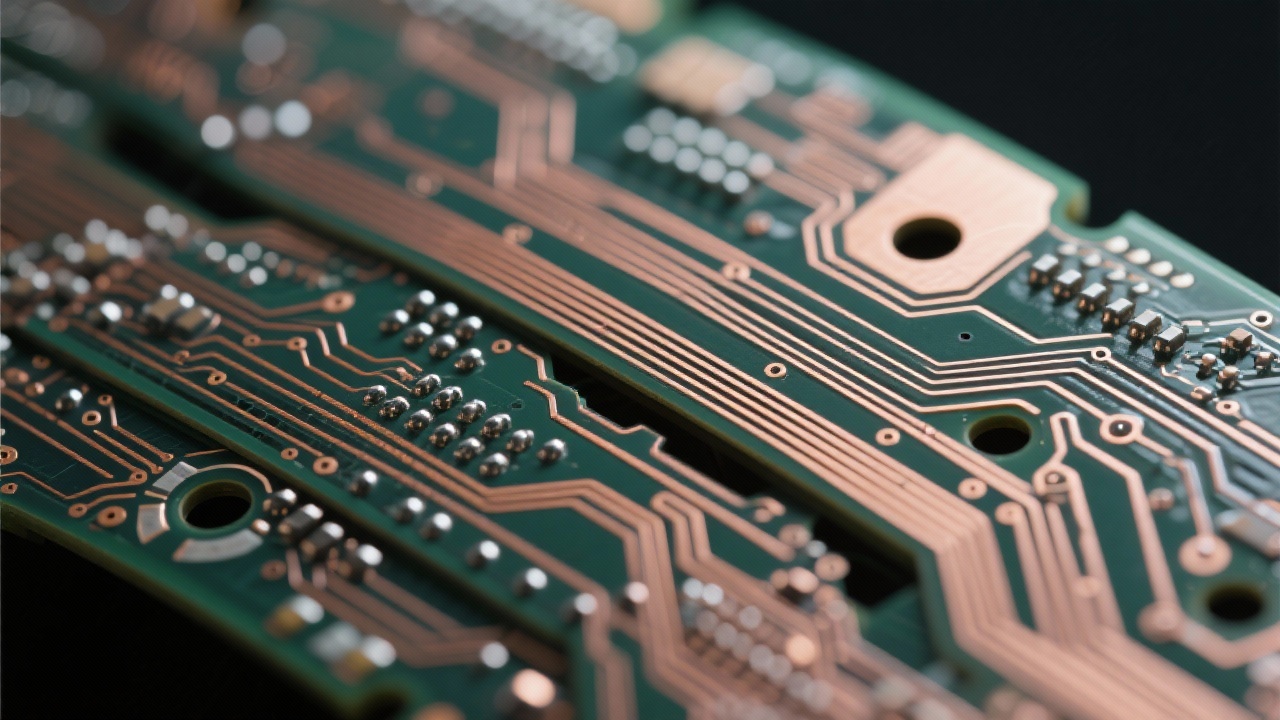
You’re not just stacking layers — you’re building a thermal highway. A well-designed 4-layer stack (Signal-GND-Power-Signal) with 4 oz copper on inner layers ensures current flows through low-resistance paths while minimizing EMI. Pair this with high-Tg FR-4 (170°C+) material, and your board survives repeated thermal cycles without delamination — critical for automotive or aerospace-grade designs.
And don’t overlook surface finish. ENIG (Electroless Nickel Immersion Gold) isn’t just “premium” — it offers superior solderability (even after 10+ reflow cycles) and corrosion resistance in humid environments. In fact, our internal tests show ENIG outperforms HASL by 3x in long-term reliability across 1,000-hour humidity tests.
What good is great design if the factory can’t execute? Achieving 0.3mm trace width and 0.5mm drill holes requires precision tooling and process control. At our facility, we use laser drilling and advanced plating techniques to consistently hit these specs — no compromises. This means tighter impedance control (±10%) and fewer field failures in real-world deployments.
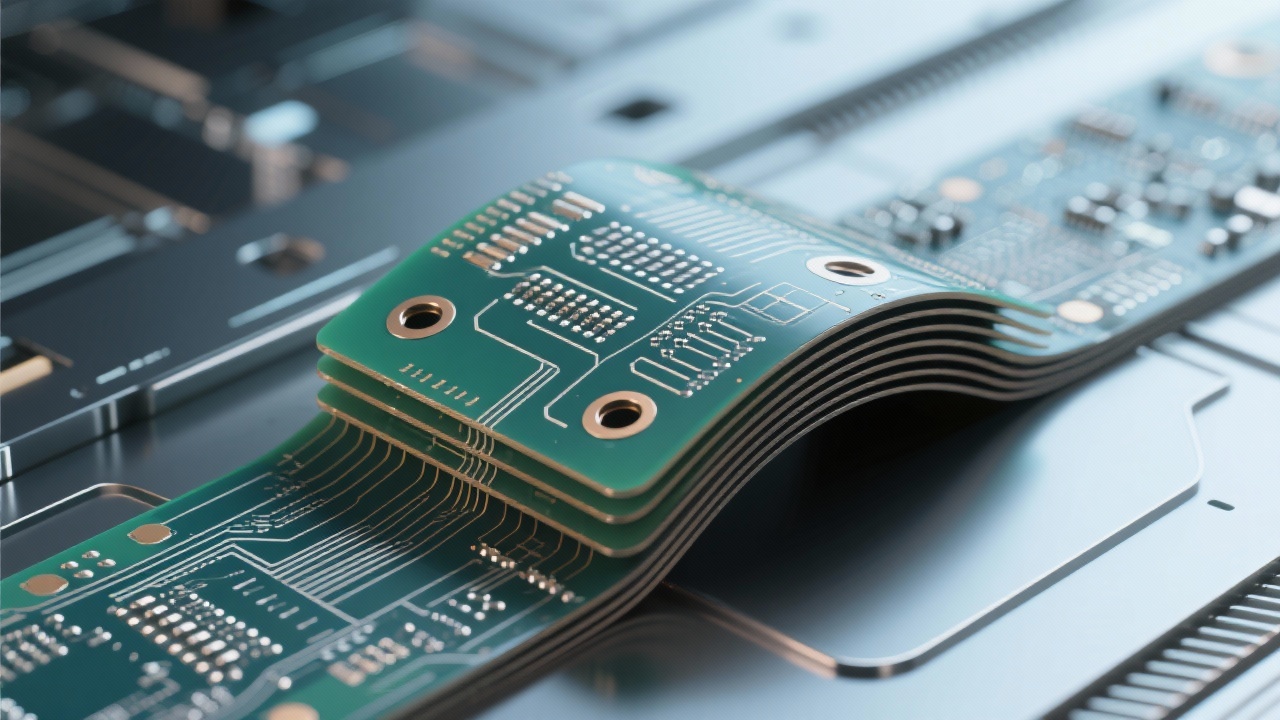
Consider a 5kW servo drive using a standard 2-layer PCB: average junction temp = 115°C. With a redesigned 4-layer thick copper version, same load, junction temp drops to 78°C — a 32% improvement. That translates directly into longer MTBF, reduced warranty claims, and higher customer satisfaction.
If you're serious about building robust, scalable power systems — whether for industrial automation, renewable energy, or EV charging — mastering thick copper PCB design is non-negotiable.
 402
|
402
|
 FPC high-density routing
flexible circuit board design tips
EMC optimization
high-density PCB trace spacing
flexible printed circuit manufacturing
316
|
High-speed multilayer PCB
Impedance control technology
AOI detection
Signal integrity
5G communication PCB
292
|
high-speed multilayer PCB
impedance control
5G communication module
high-frequency PCB design
signal integrity
260
|
Impedance control
High-frequency PCB
5G base station PCB
Signal integrity
High-speed multilayer PCB
157
|
multilayer flexible pcb via design
micro-hole processing in fpc
high-density flex pcb layout
emc optimization in flexible circuits
flexible pcb manufacturing process
FPC high-density routing
flexible circuit board design tips
EMC optimization
high-density PCB trace spacing
flexible printed circuit manufacturing
316
|
High-speed multilayer PCB
Impedance control technology
AOI detection
Signal integrity
5G communication PCB
292
|
high-speed multilayer PCB
impedance control
5G communication module
high-frequency PCB design
signal integrity
260
|
Impedance control
High-frequency PCB
5G base station PCB
Signal integrity
High-speed multilayer PCB
157
|
multilayer flexible pcb via design
micro-hole processing in fpc
high-density flex pcb layout
emc optimization in flexible circuits
flexible pcb manufacturing process







-L4-4.png?x-oss-process=image/resize,m_fill,h_800,w_800/format,webp)
-1.png?x-oss-process=image/resize,m_fill,h_800,w_800/format,webp)


-4.png?x-oss-process=image/resize,m_fill,h_800,w_800/format,webp)
