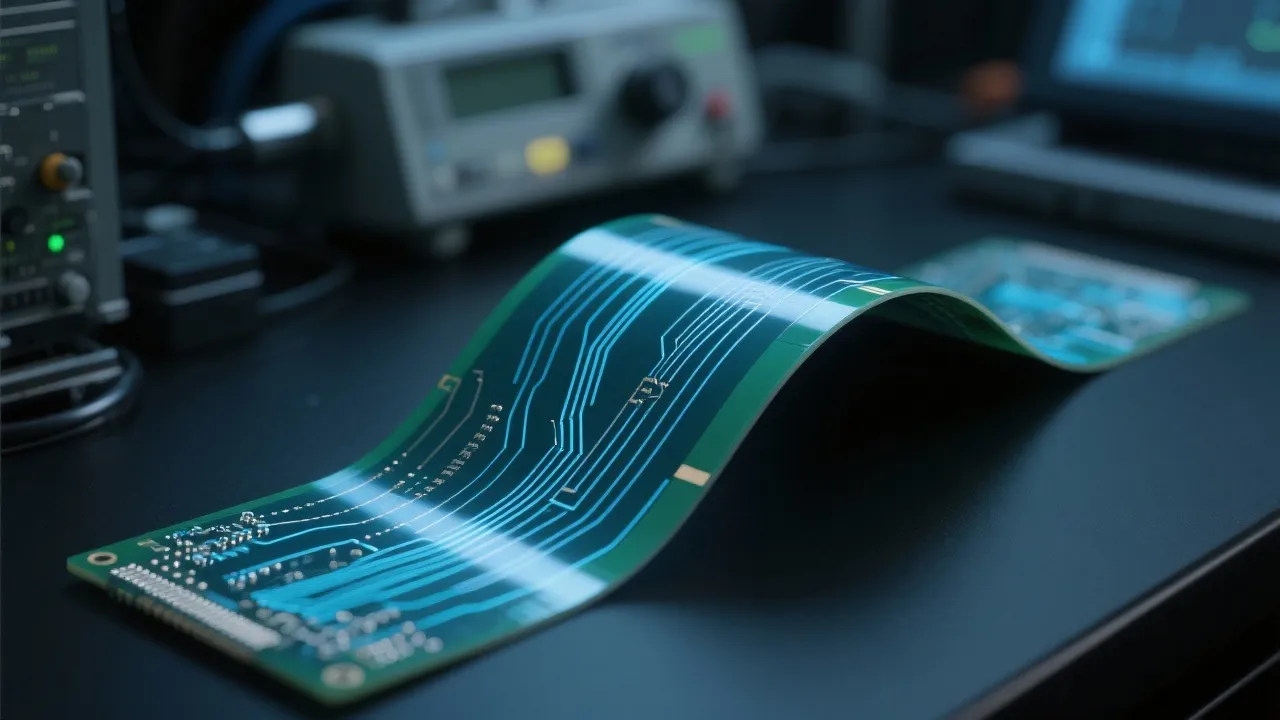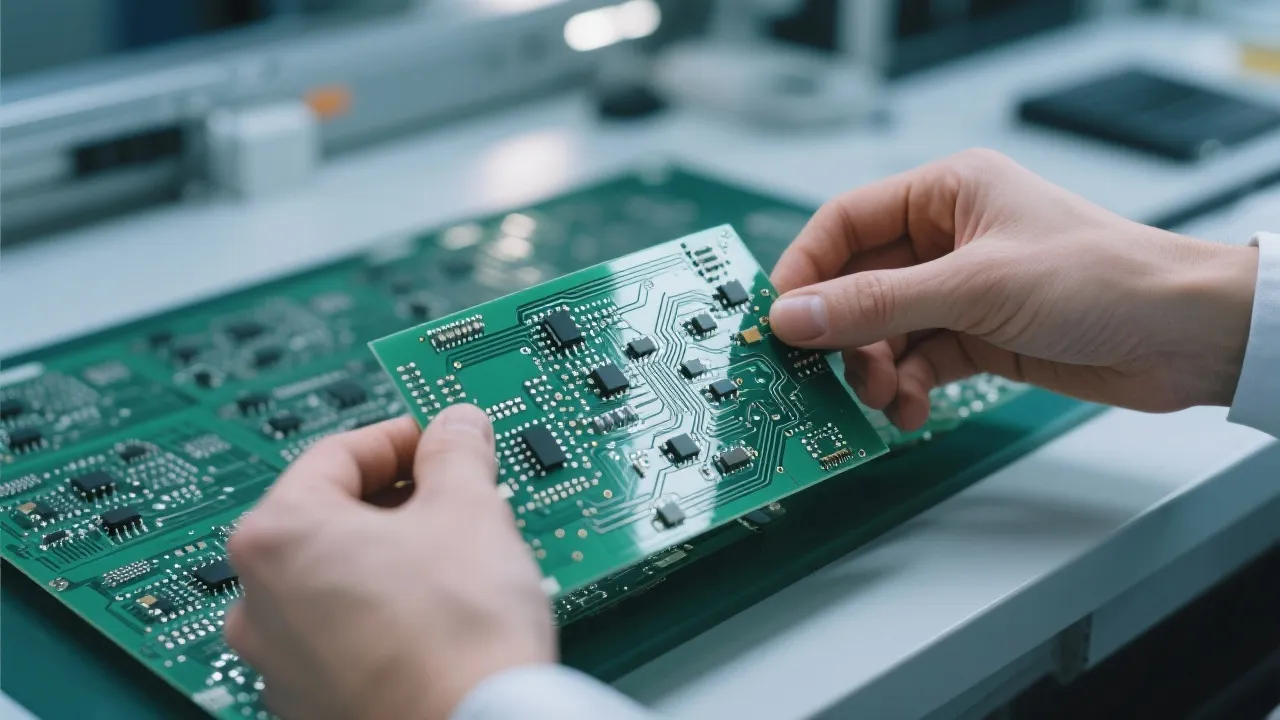
Industrial flexible printed circuits (FPCs) are increasingly critical in high-reliability applications—from automotive sensors to medical devices. Yet, one persistent failure mode continues to haunt engineers: stress-induced cracking during bending. According to industry data from IPC-2152, over 40% of early-stage FPC failures in harsh environments stem from improper mechanical design rather than material defects.
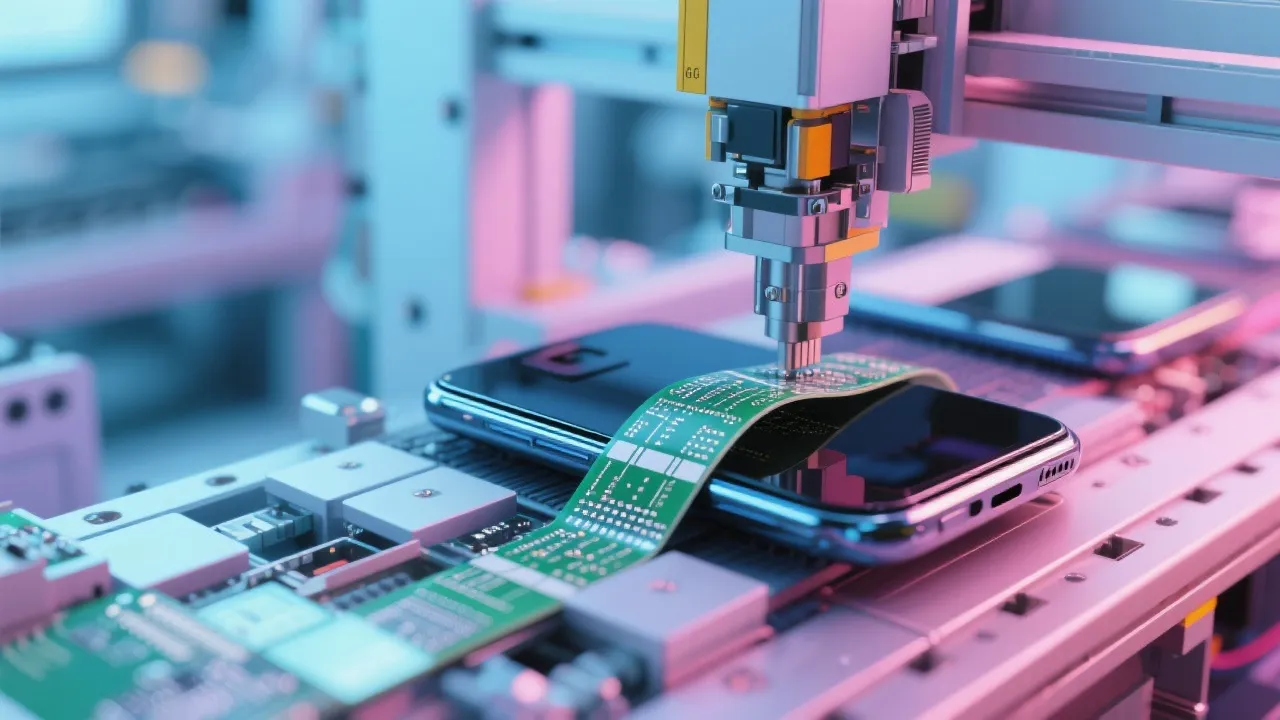
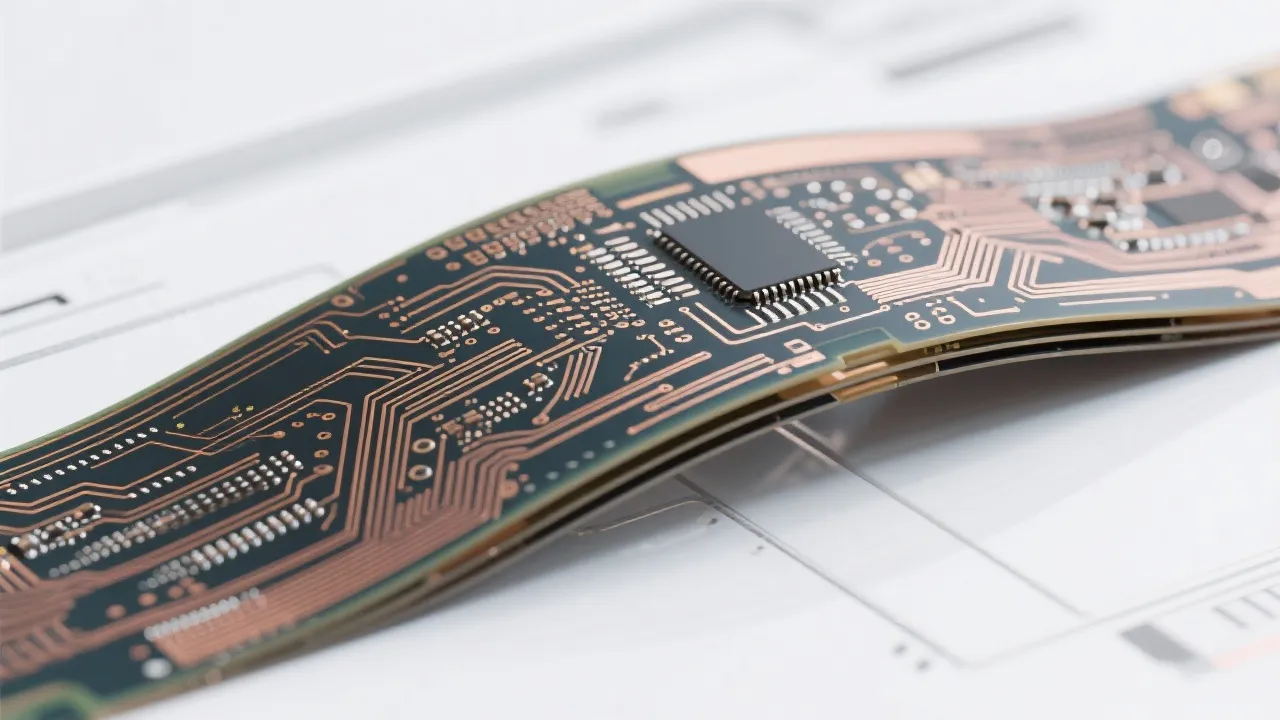
When an FPC bends repeatedly—especially around tight radii—the stress isn’t evenly distributed. Instead, it concentrates at the edge where the copper trace meets the polyimide (PI) substrate. This creates micro-cracks that grow under thermal cycling or vibration. In SMT assembly, this issue worsens due to temperature gradients across the board. For example, ENIG (Electroless Nickel Immersion Gold) surface finishes can increase solder joint brittleness by up to 25%, making the connection more vulnerable to flex fatigue.

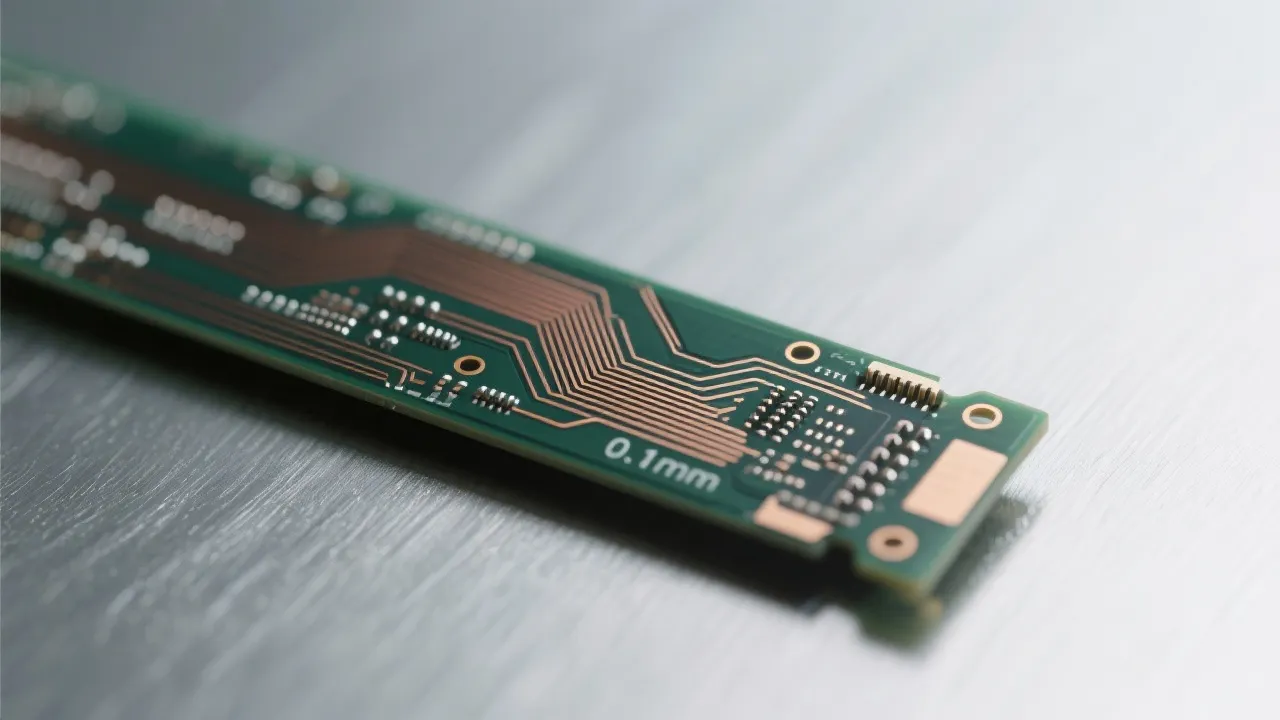
This is where a simple but powerful design tweak comes into play—a 0.3mm thick PI reinforcement layer added along the outer bend radius. Unlike traditional thin-film designs, this extra layer acts as a “stress buffer,” spreading strain energy away from the most fragile zone. Real-world testing by Ruiheng PCB shows that with this approach, FPCs can withstand >50,000 cycles without visible cracks—a 3x improvement over standard designs.
“In our experience, adding just 0.3mm of PI doesn’t add cost—it saves money downstream by reducing field returns.”
— Dr. Lin Wei, Senior Process Engineer at Ruiheng PCB
But it’s not just about the material. The SMT reflow profile must also be optimized. A steep temperature rise (>3°C/sec) can cause uneven expansion between layers, leading to delamination. We recommend a ramp-to-soak curve with a peak temp of 245°C ±5°C and a soak time of 60–90 seconds for best results.

To avoid costly redesigns or production delays:
At Ruiheng PCB, we’ve helped clients reduce FPC-related warranty claims by up to 70% through integrated design-for-manufacturability (DFM) reviews and customized reinforcement strategies. Whether you're designing a new product or troubleshooting existing ones, our team ensures every step—from layout to final test—is engineered for durability.
We provide full-cycle solutions—from stress analysis to prototype validation—for industrial-grade FPCs. Let us help you eliminate bending failures before they start.
Get Your Free FPC Reliability Assessment 350
|
350
|
 High - speed multilayer PCB
Impedance control
5G communication PCB
Signal integrity
High - frequency PCB manufacturing
421
|
FPC high-density routing
flexible PCB design techniques
EMI optimization
signal crosstalk mitigation
flexible PCB manufacturing process
361
|
High-density FPC routing
Flexible circuit board design
Electromagnetic compatibility optimization
Precision FPC manufacturing
Flexible PCB reliability
410
|
HDI PCB manufacturing
0.1 mm laser microvia
0.5 mm back drilling
IPC Class 3 via plating
semiconductor test PCB
325
|
FPC high - density wiring
Flexible circuit board design skills
Via design challenges
Electromagnetic compatibility optimization
Flexible PCB manufacturing process
High - speed multilayer PCB
Impedance control
5G communication PCB
Signal integrity
High - frequency PCB manufacturing
421
|
FPC high-density routing
flexible PCB design techniques
EMI optimization
signal crosstalk mitigation
flexible PCB manufacturing process
361
|
High-density FPC routing
Flexible circuit board design
Electromagnetic compatibility optimization
Precision FPC manufacturing
Flexible PCB reliability
410
|
HDI PCB manufacturing
0.1 mm laser microvia
0.5 mm back drilling
IPC Class 3 via plating
semiconductor test PCB
325
|
FPC high - density wiring
Flexible circuit board design skills
Via design challenges
Electromagnetic compatibility optimization
Flexible PCB manufacturing process





-4.png?x-oss-process=image/resize,m_fill,h_800,w_800/format,webp)
-1.png?x-oss-process=image/resize,m_fill,h_800,w_800/format,webp)

-L4-4.png?x-oss-process=image/resize,m_fill,h_800,w_800/format,webp)

-1.png?x-oss-process=image/resize,h_800,m_lfit/format,webp)