
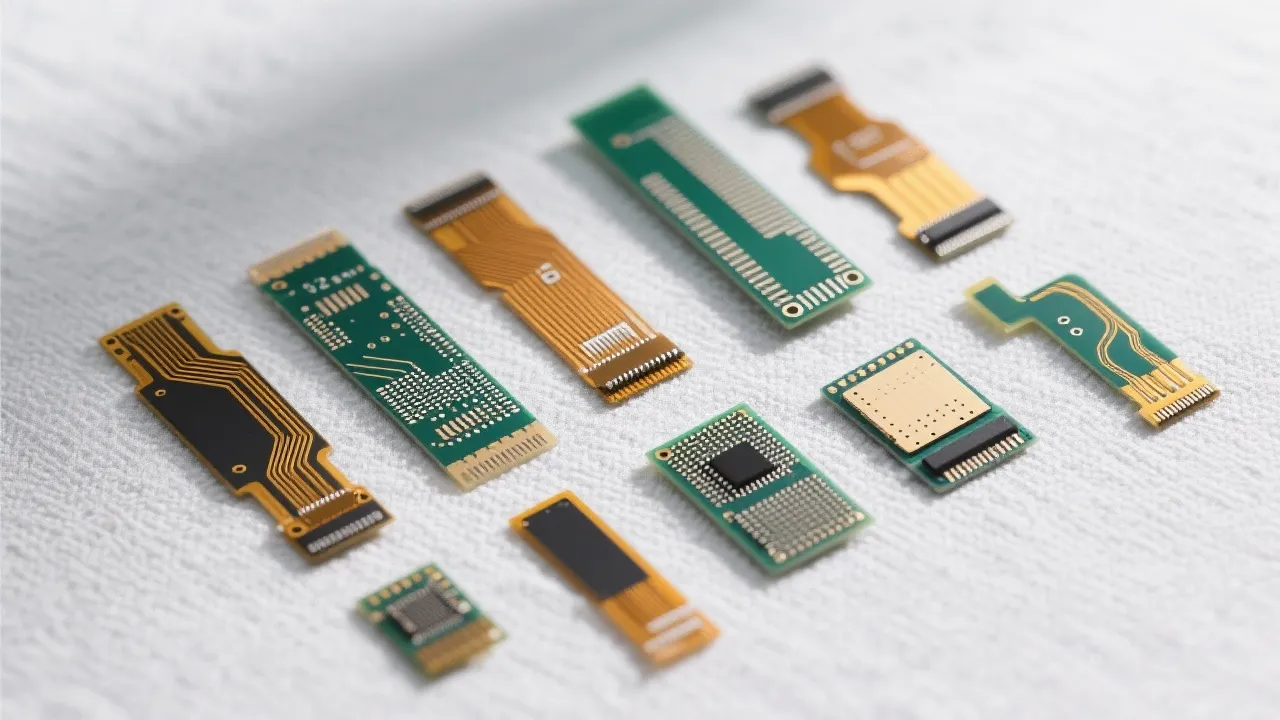
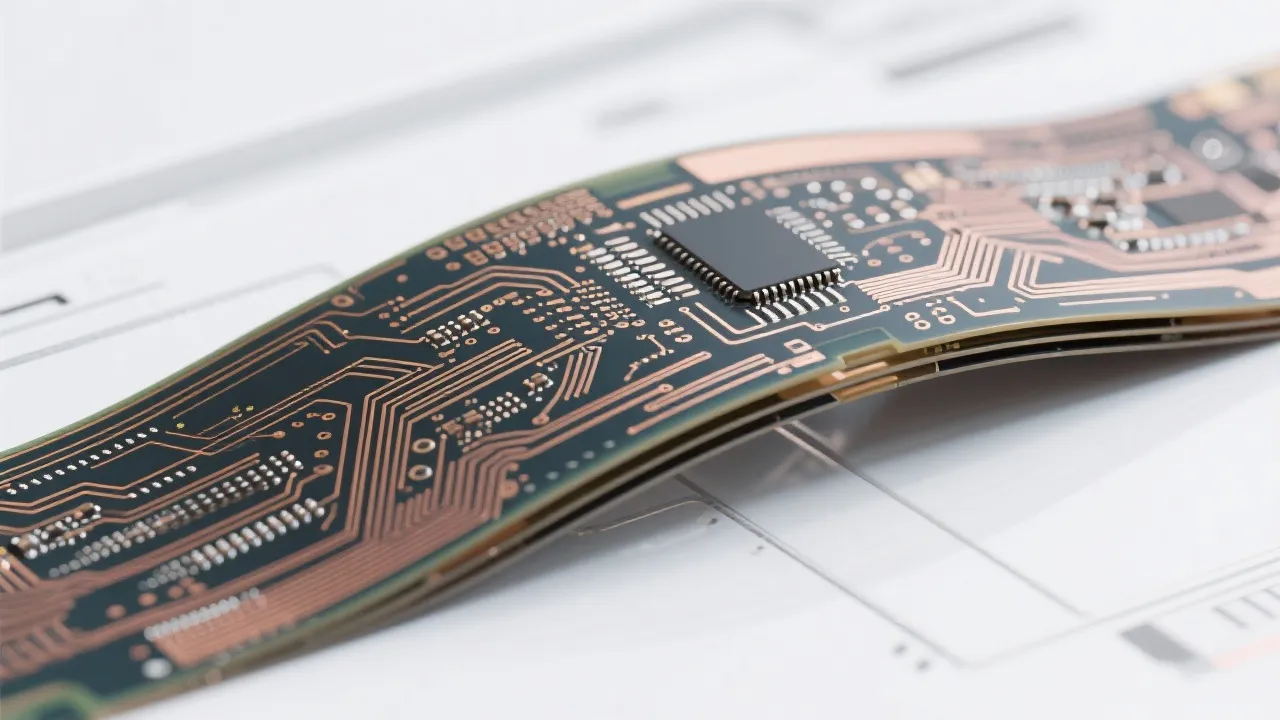
In the realm of flexible printed circuits (FPC) used across consumer electronics and cutting-edge medical devices, achieving a flawless high-density design can be a decisive factor impacting product performance and manufacturability. As an engineer navigating layout constraints with trace spacing shrinking to as tight as 0.1mm, understanding how to optimize your routing and layout strategies is paramount.
When designing high-density FPCs, three critical hurdles inevitably surface:
Signal integrity challenges intensify as trace widths and spacing decrease. When traces are placed too close, electromagnetic coupling leads to crosstalk, degrading signal quality and causing potential data corruption.
To mitigate this:
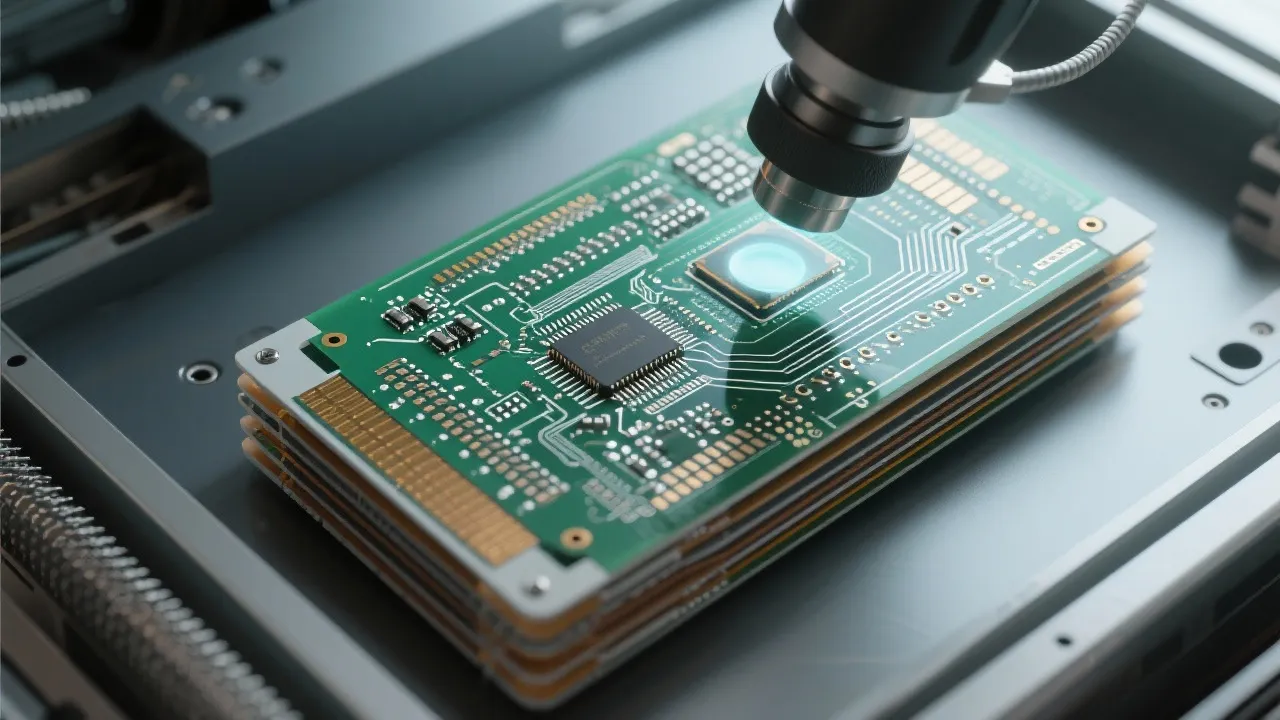
Higher layer counts and precise stack-up control are essential to balancing compact layouts with electromagnetic compatibility (EMC) compliance.
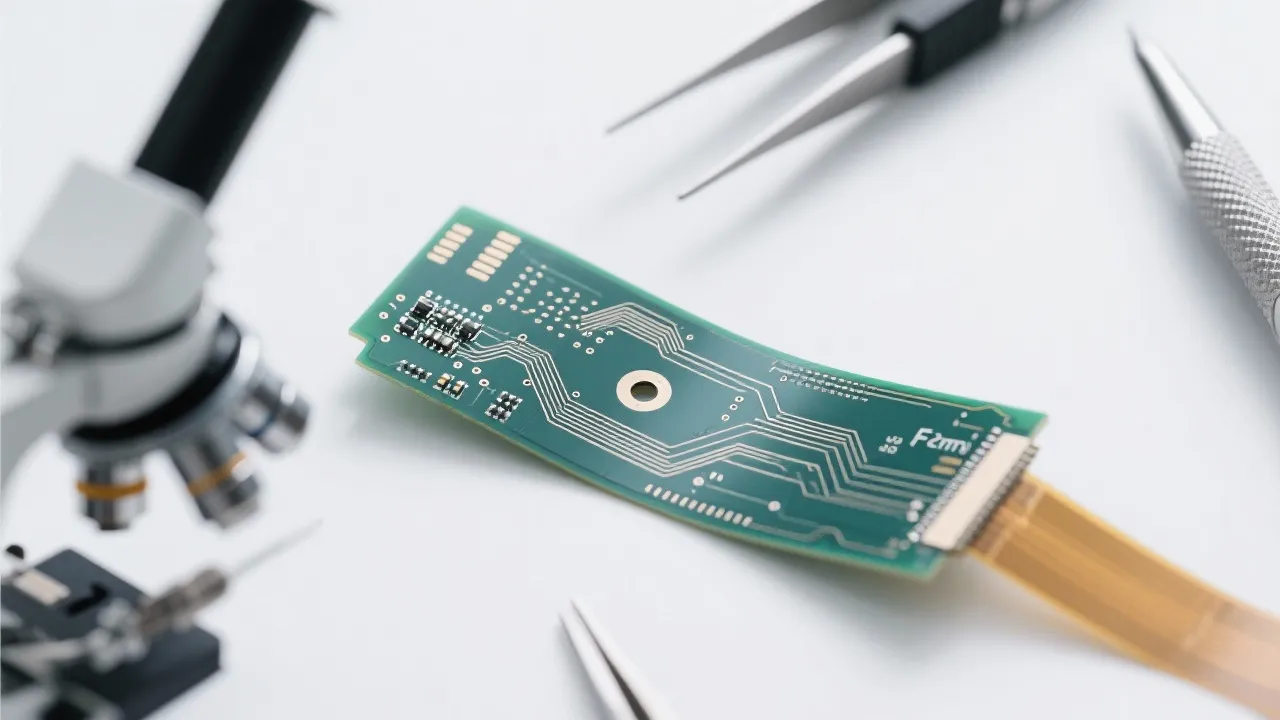
Flexible circuits endure dynamic mechanical stresses, especially in bending zones common in foldable products. Poor design in these areas accelerates fatigue failure.
Avoid sharp bends by maintaining a minimum bend radius greater than 10x the FPC thickness, and distribute traces evenly to prevent localized stress concentrations.
Our R&D team has validated stress-relief techniques in various foldable screen applications, achieving consistent bend cycle lifetimes exceeding 50,000 cycles without electrical degradation.
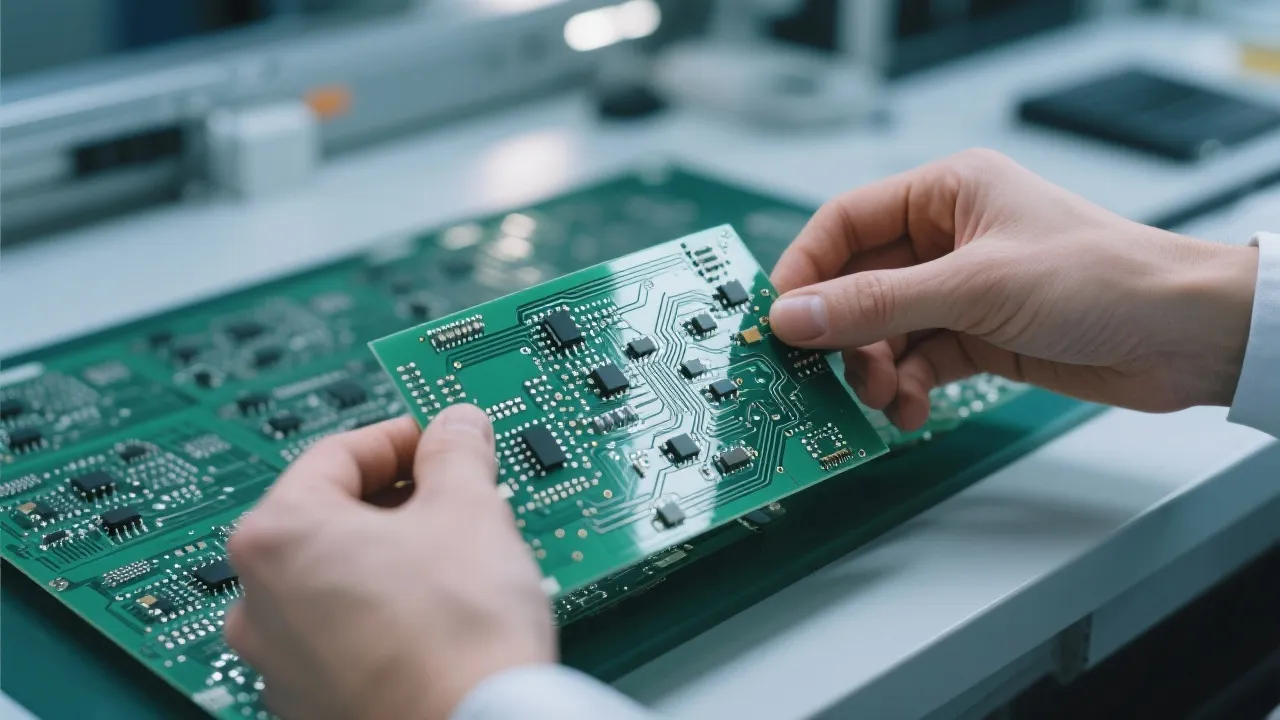
Meeting design ambitions requires tight manufacturing tolerances:
These capabilities are backed by advanced etching and laser drilling processes. Standard certifications like IATF 16949 and ISO 9001 confirm consistent quality and process control critical for volume production.
For engineers aiming to accelerate development time and reduce rework, employing standardized design templates and inspection checklists is indispensable:
These tools not only streamline design but also bridge collaboration between your layout engineers and manufacturing partners.
Leverage our proven expertise and advanced manufacturing capabilities to take your flexible circuit designs from concept to reliable mass production. Explore our high-precision FPC solutions and ensure your next product stands out with superior reliability and performance.
Have questions or want to share your own design challenges? Leave a comment below — our engineering team is here to help you master high-density FPC layouts.
 291
|
291
|
 high-speed multilayer PCB
impedance control
5G communication module
high-frequency PCB design
signal integrity
459
|
Multilayer FPC Via Design
FPC Bend Area Stress
Flexible Circuit Design
High-Density FPC Routing
FPC Reliability Enhancement
412
|
double layer PCB rapid manufacturing
PCB surface finishing technologies
flying probe testing
PCB production process
electrical reliability testing
88
|
dual layer pcb manufacturing
flying probe test
surface finish options
pcb rapid prototyping
pcb production process
440
|
HDI microvia technology
aspect ratio signal integrity
semiconductor test board PCB
high-density interconnect
laser drilling precision
high-speed multilayer PCB
impedance control
5G communication module
high-frequency PCB design
signal integrity
459
|
Multilayer FPC Via Design
FPC Bend Area Stress
Flexible Circuit Design
High-Density FPC Routing
FPC Reliability Enhancement
412
|
double layer PCB rapid manufacturing
PCB surface finishing technologies
flying probe testing
PCB production process
electrical reliability testing
88
|
dual layer pcb manufacturing
flying probe test
surface finish options
pcb rapid prototyping
pcb production process
440
|
HDI microvia technology
aspect ratio signal integrity
semiconductor test board PCB
high-density interconnect
laser drilling precision
-4.png?x-oss-process=image/resize,h_800,m_lfit/format,webp)
-1.png?x-oss-process=image/resize,h_800,m_lfit/format,webp)








-4.png?x-oss-process=image/resize,m_fill,h_800,w_800/format,webp)
