

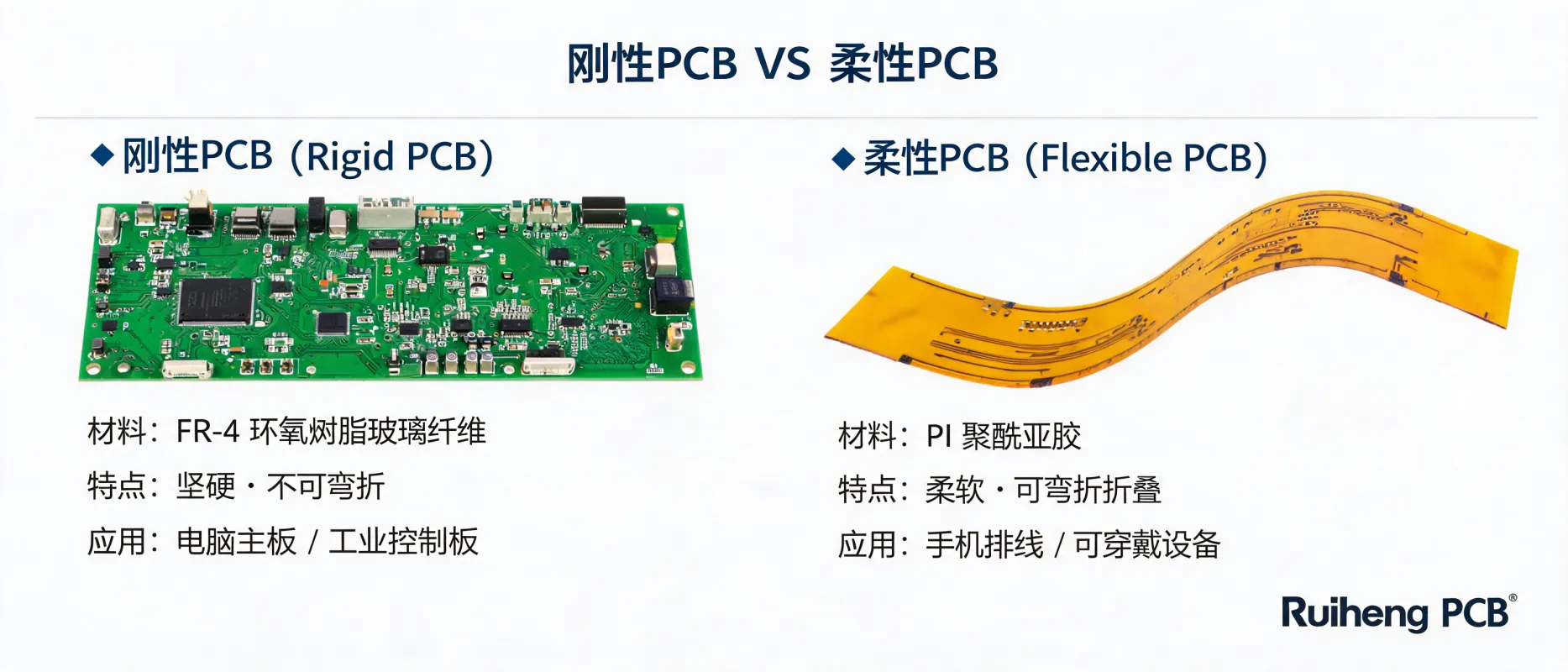
Choosing the right printed circuit board (PCB) material is critical in consumer electronics design—especially when balancing performance, reliability, and cost. At Kunshan Ruiheng Electronic Technology Co., Ltd., we specialize in both rigid FR-4 and flexible PI (polyimide) PCBs, offering tailored solutions that meet diverse application needs across global markets.
This guide explores the key differences between FR-4 and PI materials, focusing on their physical properties, thermal behavior, mechanical flexibility, and real-world suitability for modern consumer electronics.
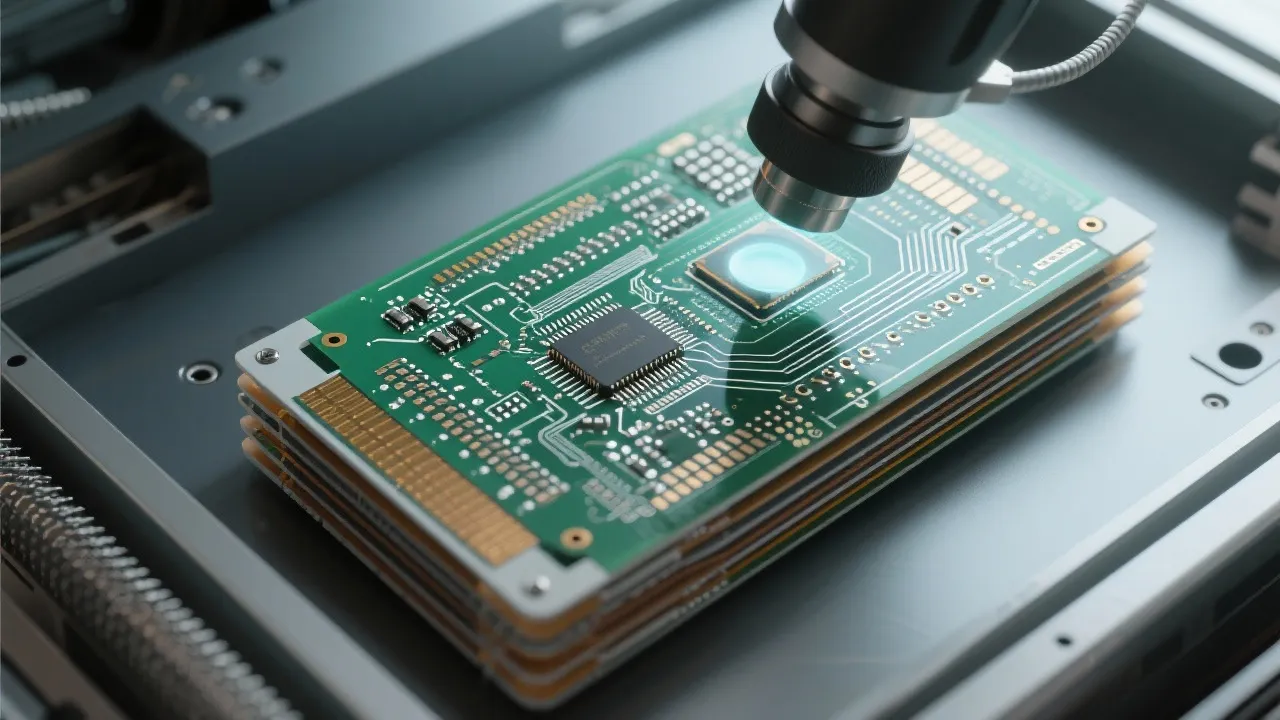
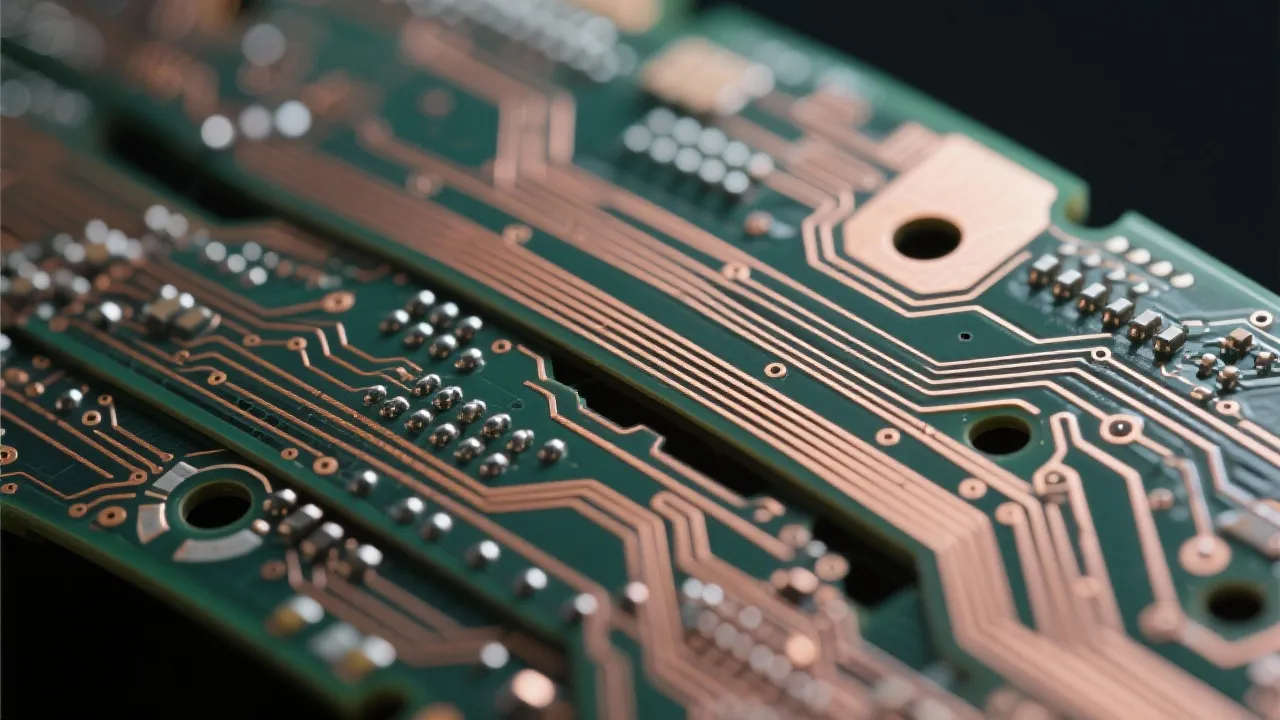
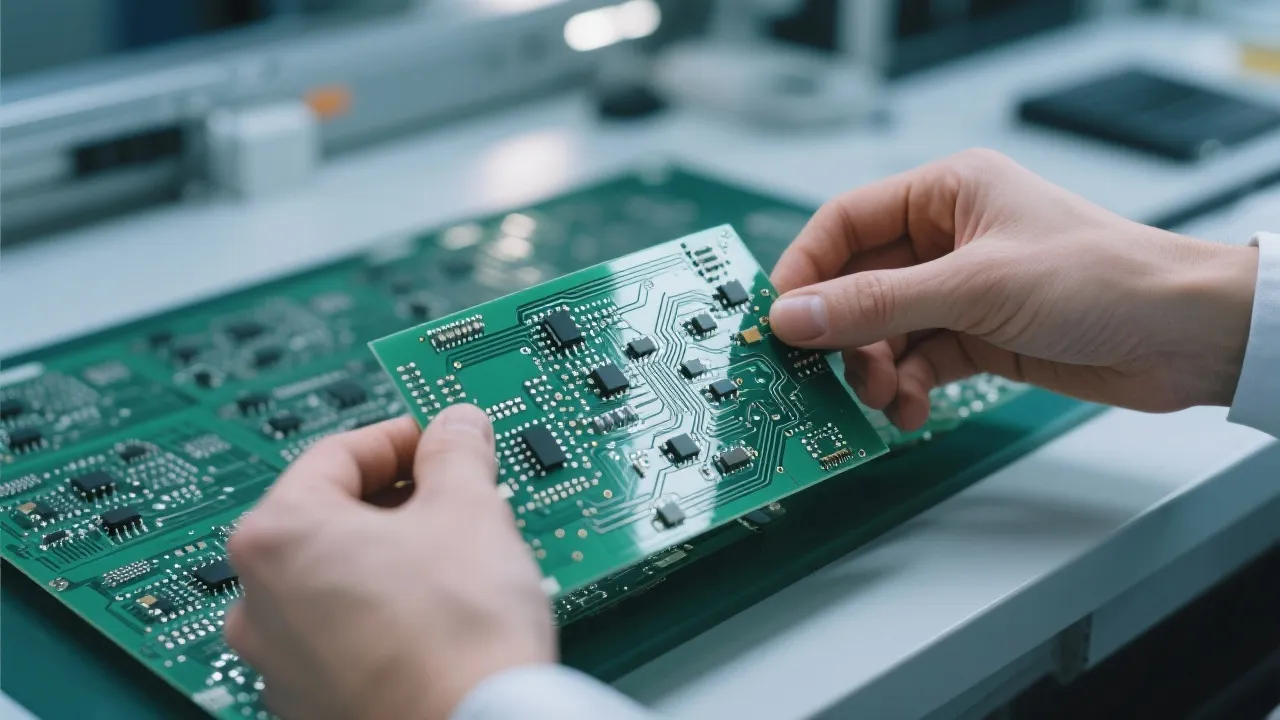
FR-4 remains the most widely used substrate in consumer electronics due to its excellent balance of cost, manufacturability, and performance. It’s particularly well-suited for:
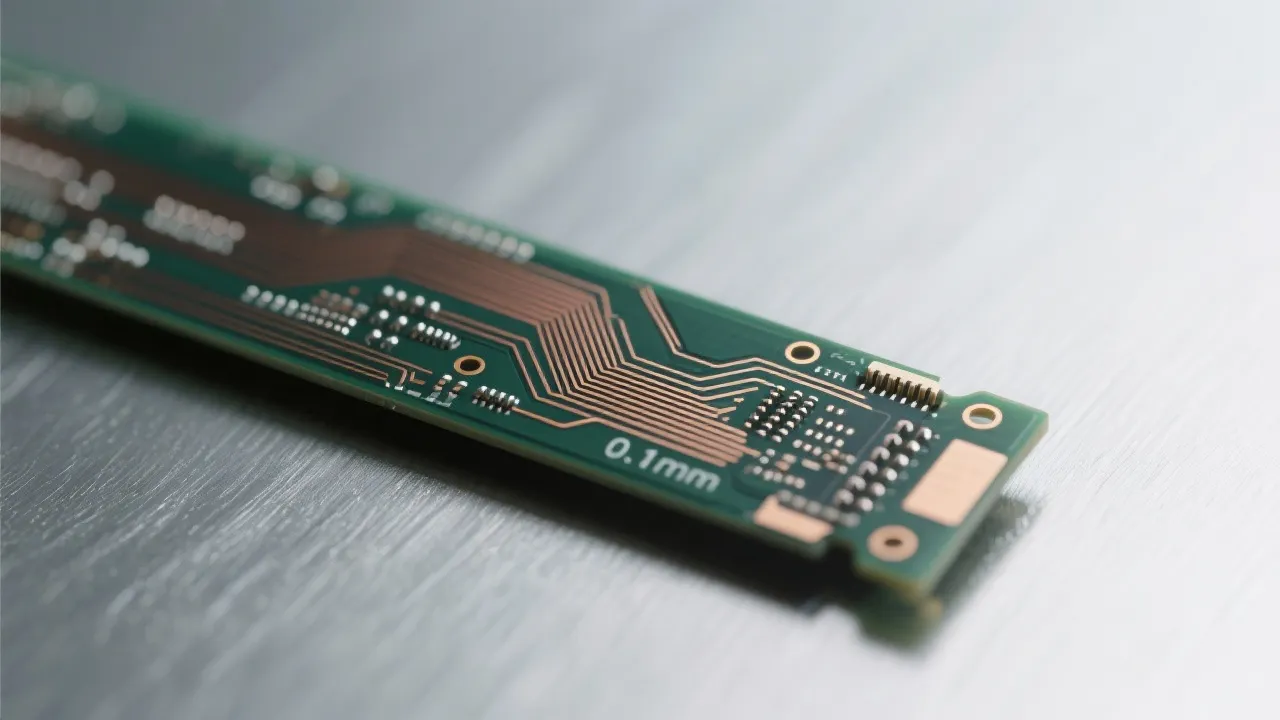
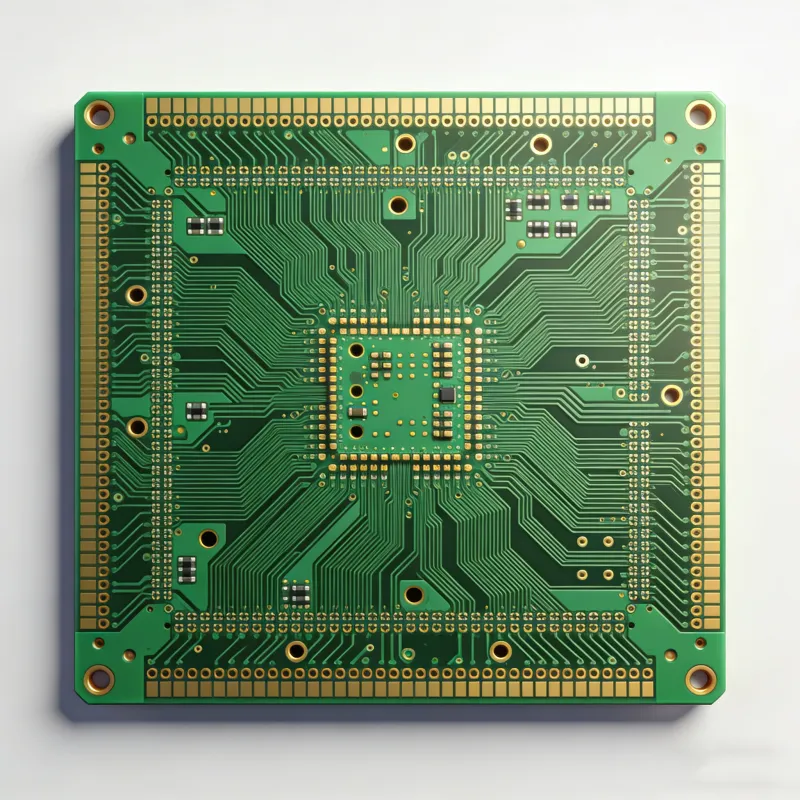
For example, our 4-layer 4 oz heavy copper PCB (Tg 170°C, ENIG surface finish) is specifically engineered for power electronics applications in consumer devices, delivering superior heat dissipation and electrical conductivity while maintaining dimensional stability under thermal stress.
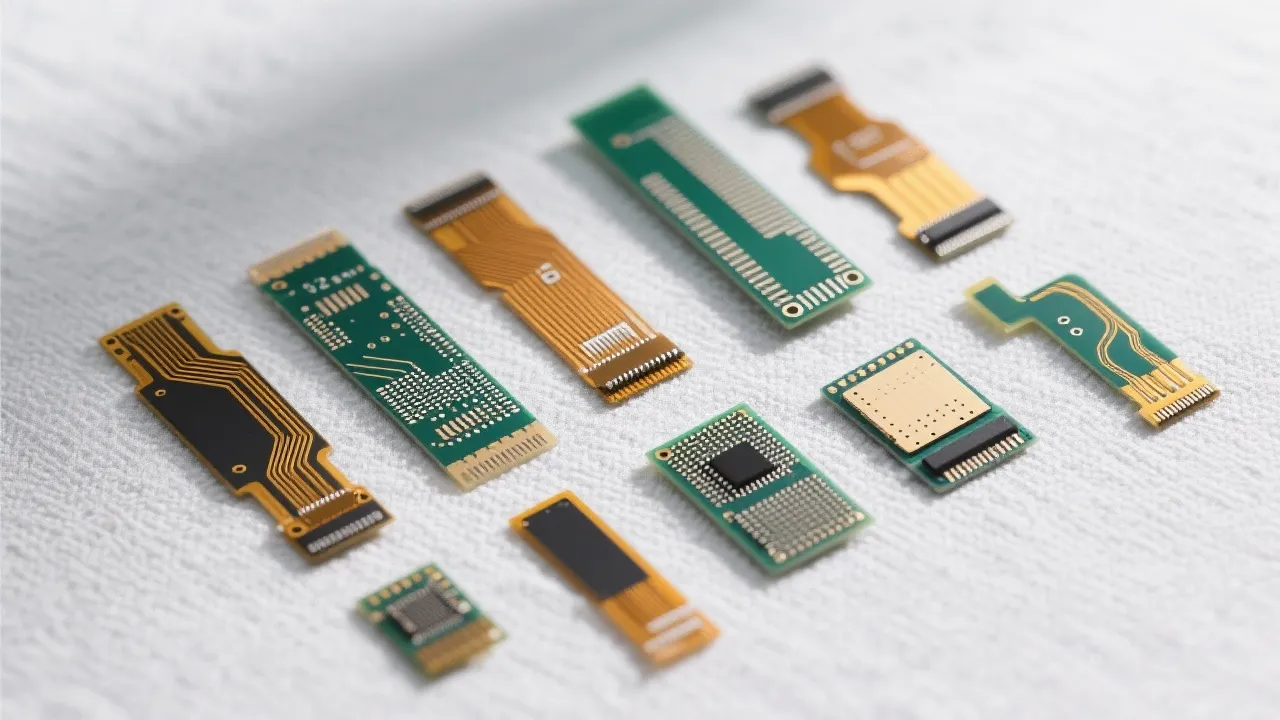
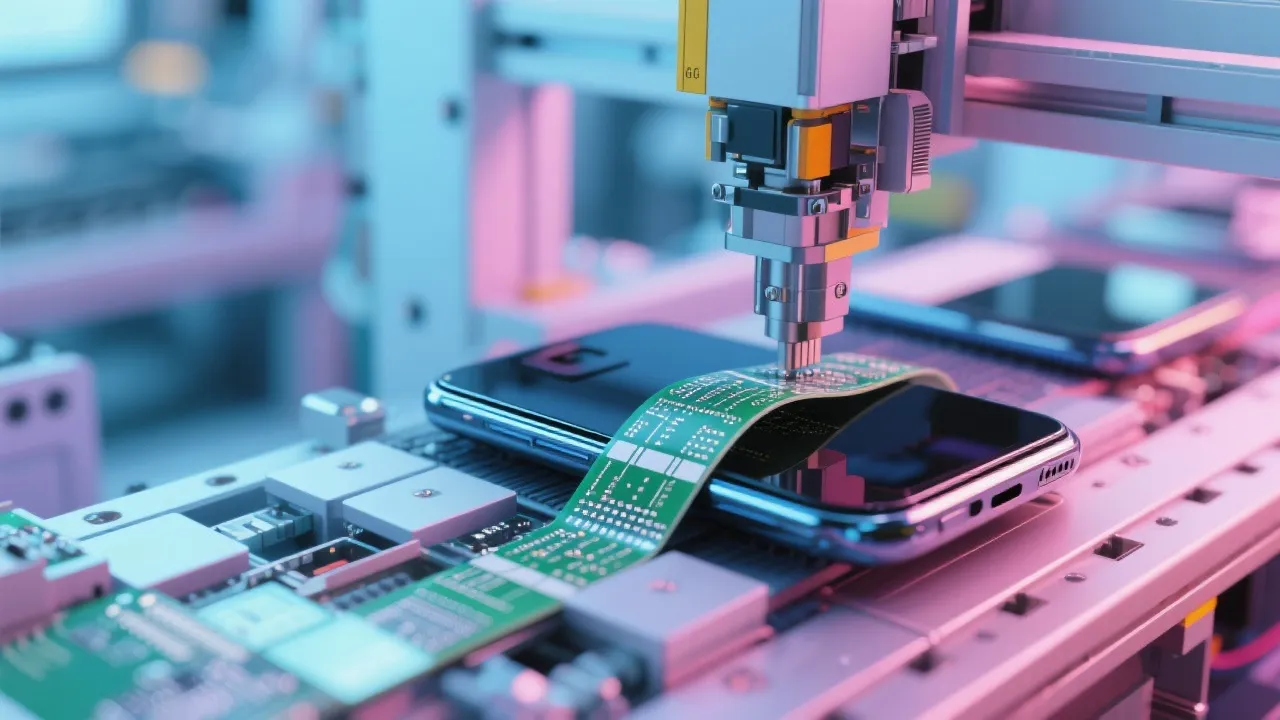
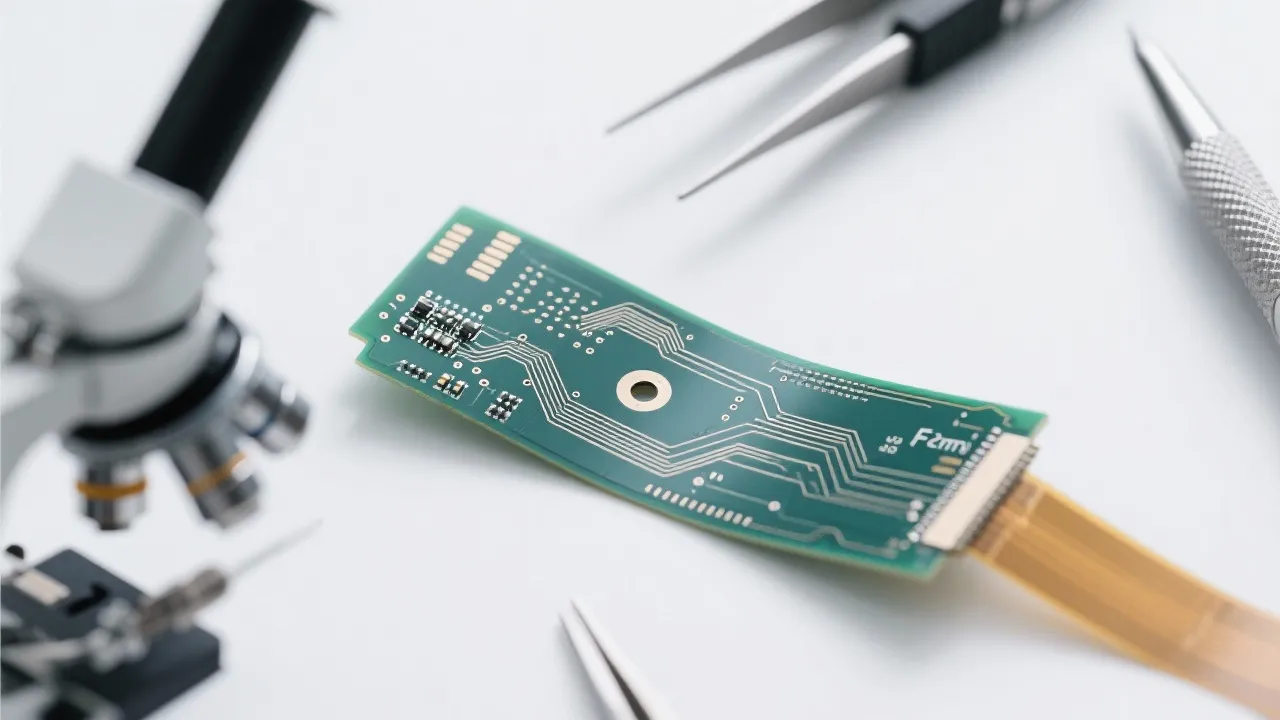
Polyimide (PI) substrates are essential in advanced consumer electronics where space constraints, dynamic movement, or extreme temperatures demand a different approach:
While PI offers greater flexibility and higher temperature resistance than FR-4, it requires specialized handling during assembly and may involve additional tooling costs—making it ideal for premium or mission-critical products.
At Kunshan Ruiheng, we’ve helped clients across Europe, Southeast Asia, and the Middle East select the optimal PCB solution based on actual use cases:
These examples highlight how material choice directly impacts product performance, longevity, and customer satisfaction—proving that there's no one-size-fits-all answer.
Ready to make your next PCB selection with confidence?
Whether you're designing for durability, miniaturization, or high-power efficiency, Kunshan Ruiheng Electronic Technology Co., Ltd. provides expert guidance and scalable manufacturing capabilities—from prototyping to full-scale production—ensuring your PCB meets both technical specifications and market expectations.
 430
|
430
|
 yellow coverlay for FPC
EMI shielding in flexible circuits
PI FR-4 composite substrate
high-frequency signal integrity
FPC manufacturing process
205
|
high-frequency pcb
24 layer pcb
3mil trace width
dense routing
low signal loss
449
|
yellow cover film
flexible PCB shielding
EMI protection in FPC
multi-layer flexible circuit board
Ruiheng PCB
161
|
high precision FPC design
4 layer flexible PCB
2mil trace width
0.15mm via hole
ENIG surface finish
301
|
high-tg fr-4 pcb
thick copper pcb
power electronics pcb
enig surface finish
impedance controlled pcb
yellow coverlay for FPC
EMI shielding in flexible circuits
PI FR-4 composite substrate
high-frequency signal integrity
FPC manufacturing process
205
|
high-frequency pcb
24 layer pcb
3mil trace width
dense routing
low signal loss
449
|
yellow cover film
flexible PCB shielding
EMI protection in FPC
multi-layer flexible circuit board
Ruiheng PCB
161
|
high precision FPC design
4 layer flexible PCB
2mil trace width
0.15mm via hole
ENIG surface finish
301
|
high-tg fr-4 pcb
thick copper pcb
power electronics pcb
enig surface finish
impedance controlled pcb





-4.png?x-oss-process=image/resize,m_fill,h_800,w_800/format,webp)


-L4-4.png?x-oss-process=image/resize,m_fill,h_800,w_800/format,webp)