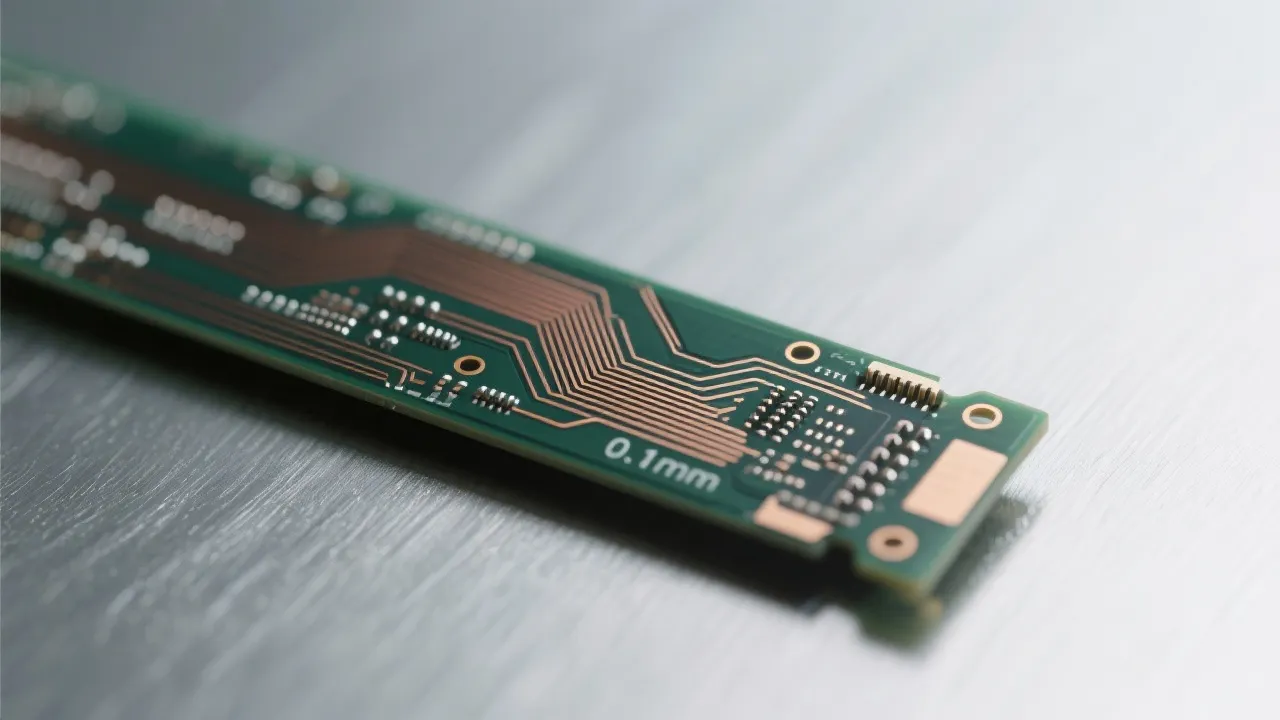
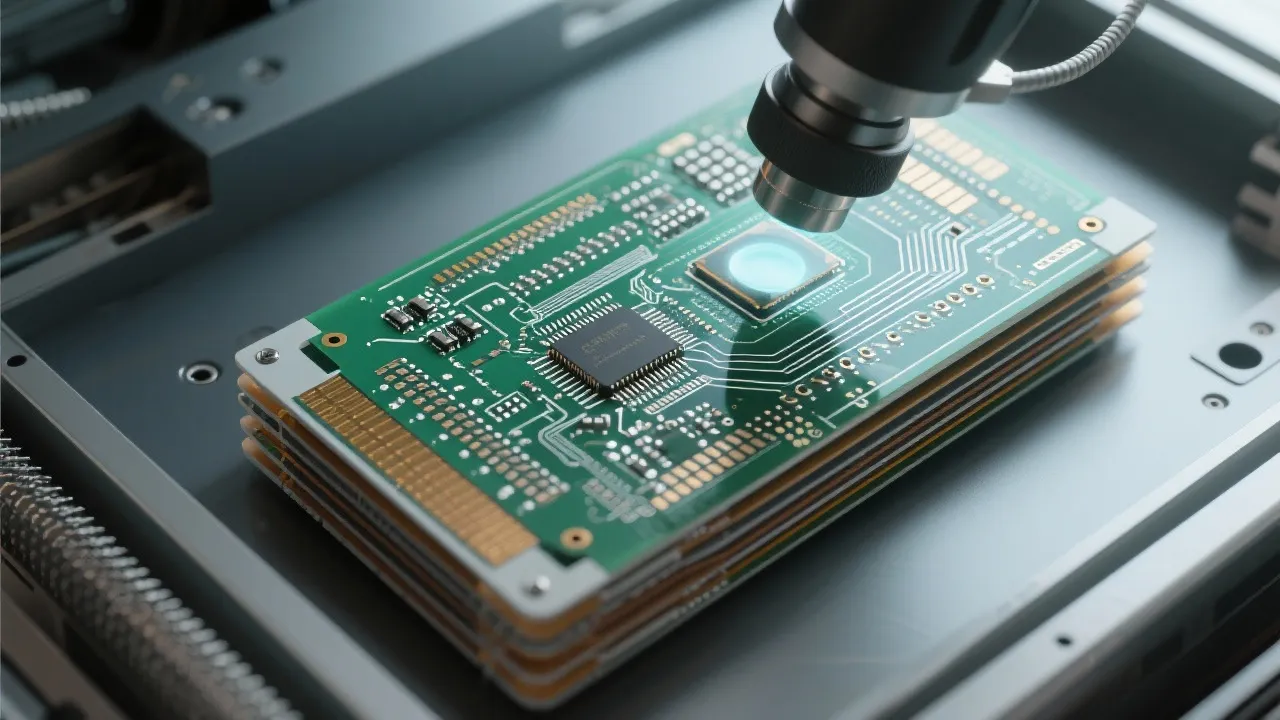
PCB project delivery is not only about producing boards. It is about keeping engineering intent, process stability, quality control, and delivery coordination aligned as a project moves from prototype validation to repeatable production. For rigid PCB and flexible PCB programs, this transition often determines whether a design can be built consistently, shipped on time, and scaled with confidence.
At the prototype stage, the focus is usually on design verification, fit, function, and early engineering feedback. As the project moves toward medium-volume and larger-volume delivery, the priorities expand to include process repeatability, material consistency, inspection discipline, and shipment planning.
Kunshan Ruiheng Electronic Technology Co., Ltd. supports this progression by combining manufacturing capability with practical project communication. The goal is to help customers move from small-batch prototyping to production-ready PCB supply without losing control over quality or delivery expectations.
A reliable delivery path starts with accurate communication between the customer and the manufacturer. For PCB projects, this includes design intent, stack-up requirements, material selection, tolerances, and any special process notes related to rigid PCB or flexible PCB builds.
In small batches, minor variation may be easier to detect and correct. In medium-volume production, the same variation can affect yield, consistency, and lead time. Stable manufacturing routines and disciplined process control help ensure that boards meet the same standard from the first lot to later repeat orders.
Quality management is not a single checkpoint. It should run through material verification, in-process monitoring, final inspection, and shipment review. This is especially important for high-reliability PCB applications where consistency matters as much as initial performance.
As order volume increases, delivery planning must account for production sequencing, inspection timing, packing requirements, and export coordination. A well-managed delivery process helps reduce avoidable delays and supports smoother project execution across repeated shipments.
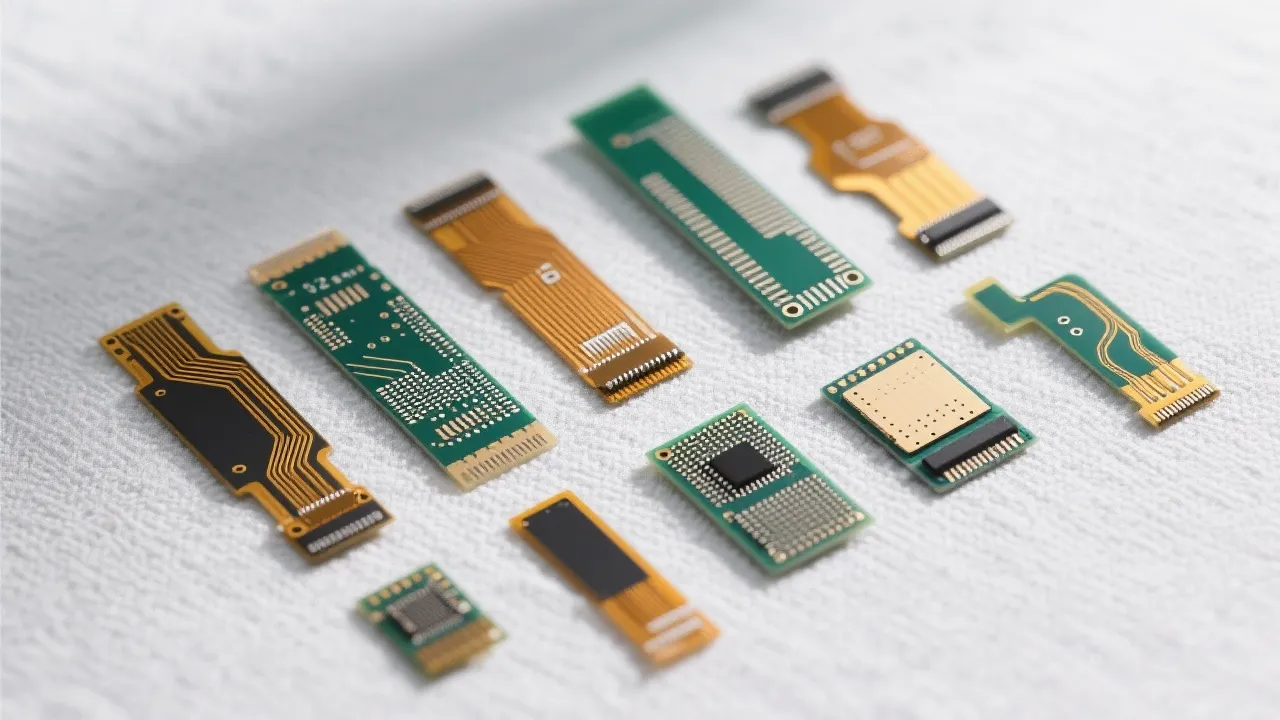
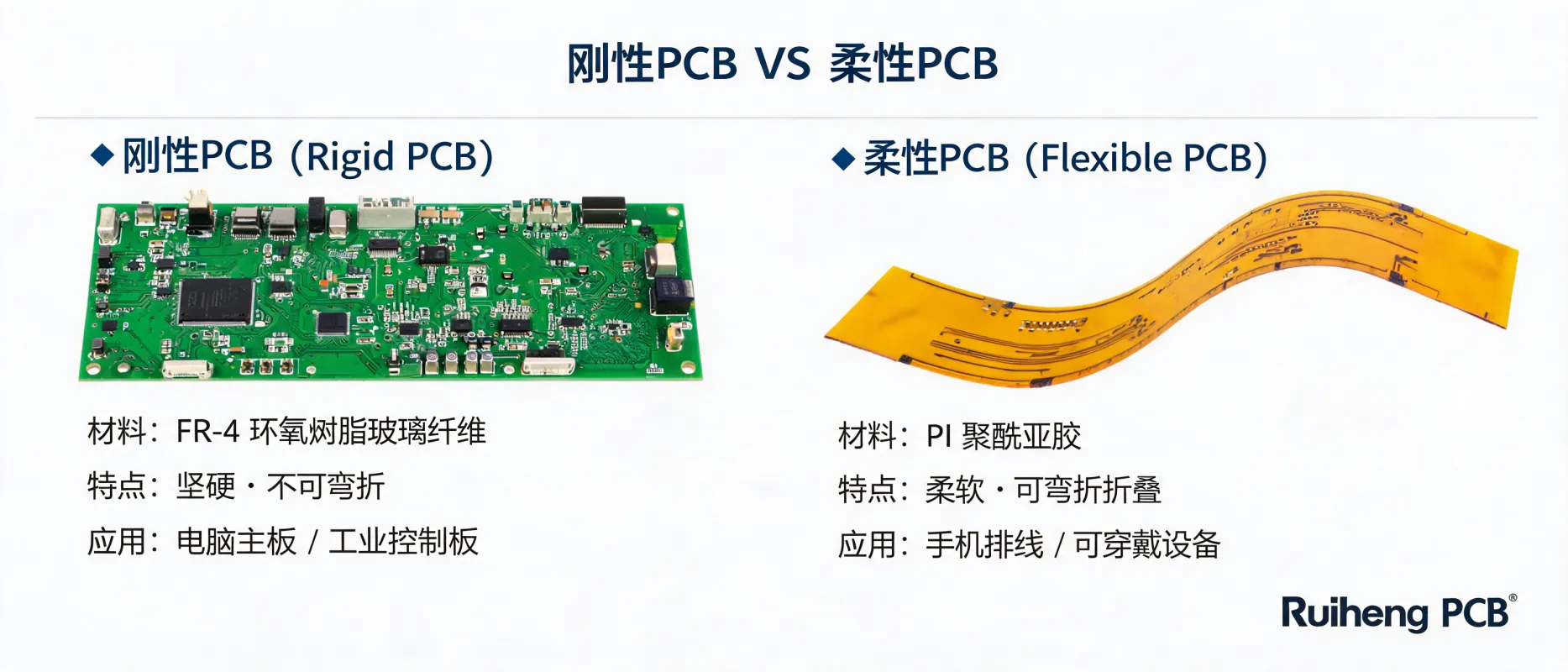
As a manufacturer focused on rigid PCB (FR-4) and flexible PCB (PI / polyimide), Kunshan Ruiheng is positioned to serve customers who need both engineering support and dependable manufacturing output. The company’s production model is suited to projects that begin with small-batch prototyping and later require medium- or larger-volume supply.
Rigid PCB and flexible PCB products serve different structural and application needs, so their delivery control points are not identical. FR-4 rigid boards typically require strong consistency in fabrication and assembly readiness, while PI-based flexible PCBs often demand added attention to material handling, dimensional control, and process detail.
Kunshan Ruiheng’s engineering-oriented approach helps customers manage these differences with practical manufacturing support rather than generic promises. This is especially valuable when a project must move from a verified prototype into a stable production flow.
Kunshan Ruiheng Electronic Technology Co., Ltd. operates with the principle of putting quality first and using technology as the driving force. For B2B customers seeking a reliable PCB solution, this means a manufacturing partner that values dependable processes, engineering collaboration, and steady delivery performance.
From prototype validation to medium-volume delivery, the most successful PCB programs are built on clarity, consistency, and control. That is the foundation Kunshan Ruiheng brings to rigid PCB and flexible PCB projects for customers across Europe, Southeast Asia, the Middle East, and other international markets.
 408
|
408
|
 ENIG surface finish
flexible PCB
solder reliability
corrosion resistance
PCB manufacturing
160
|
Kunshan Ruiheng Electronic Technology Co., Ltd.
PCB prototyping
custom PCB
technical preparation
rework risk
118
|
high precision FPC design
4 layer flexible PCB
2mil line width
0.15mm hole diameter
ENIG surface finish
75
|
Ruiheng Electronics
rigid PCB
flexible PCB
FR-4
PI polyimide
140
|
rigid PCB
flexible PCB
FR-4
PI polyimide
Ruiheng Electronics
ENIG surface finish
flexible PCB
solder reliability
corrosion resistance
PCB manufacturing
160
|
Kunshan Ruiheng Electronic Technology Co., Ltd.
PCB prototyping
custom PCB
technical preparation
rework risk
118
|
high precision FPC design
4 layer flexible PCB
2mil line width
0.15mm hole diameter
ENIG surface finish
75
|
Ruiheng Electronics
rigid PCB
flexible PCB
FR-4
PI polyimide
140
|
rigid PCB
flexible PCB
FR-4
PI polyimide
Ruiheng Electronics