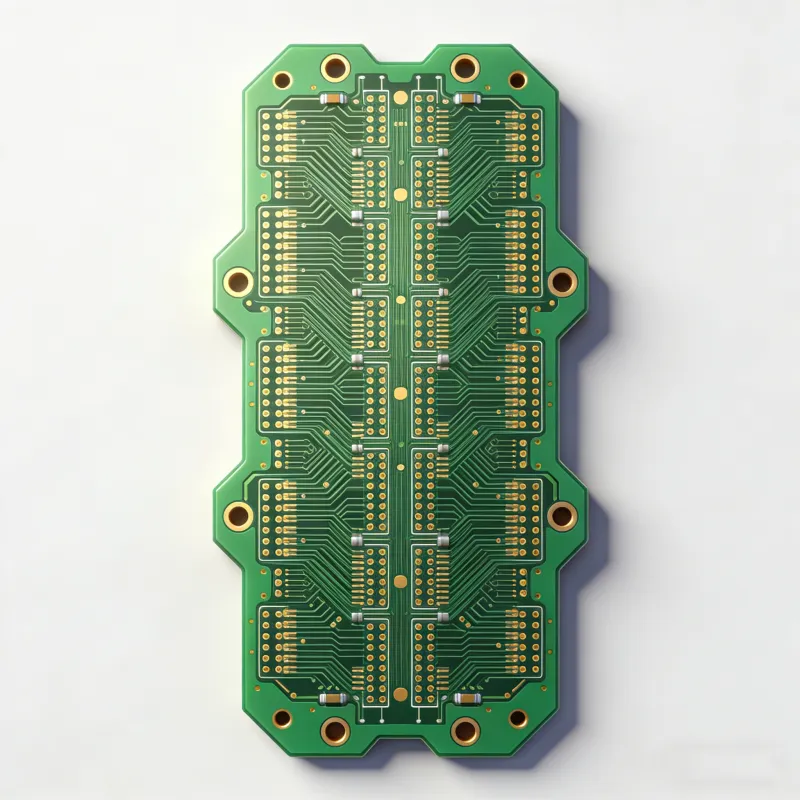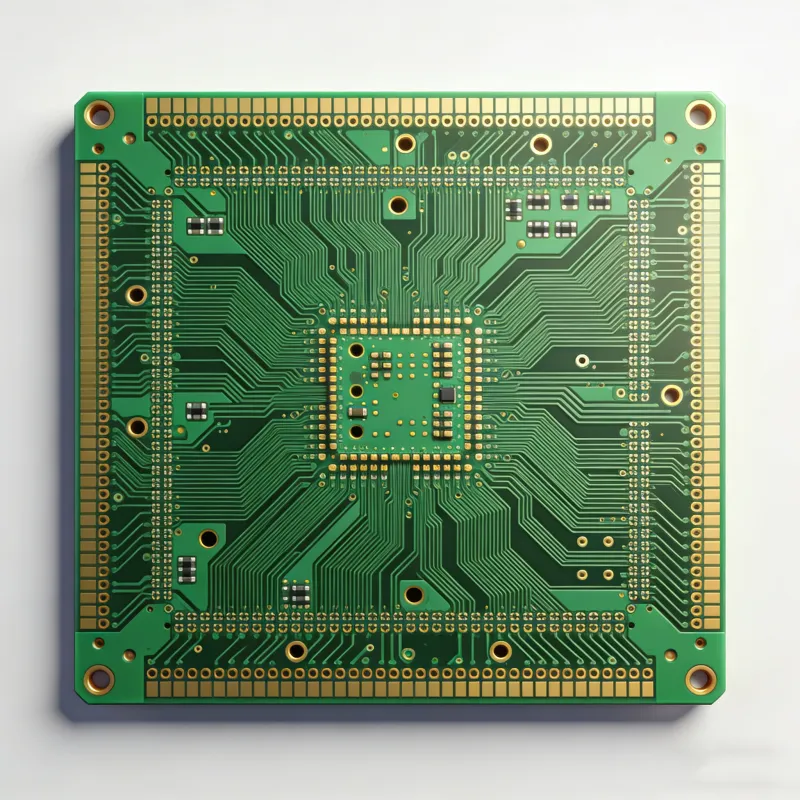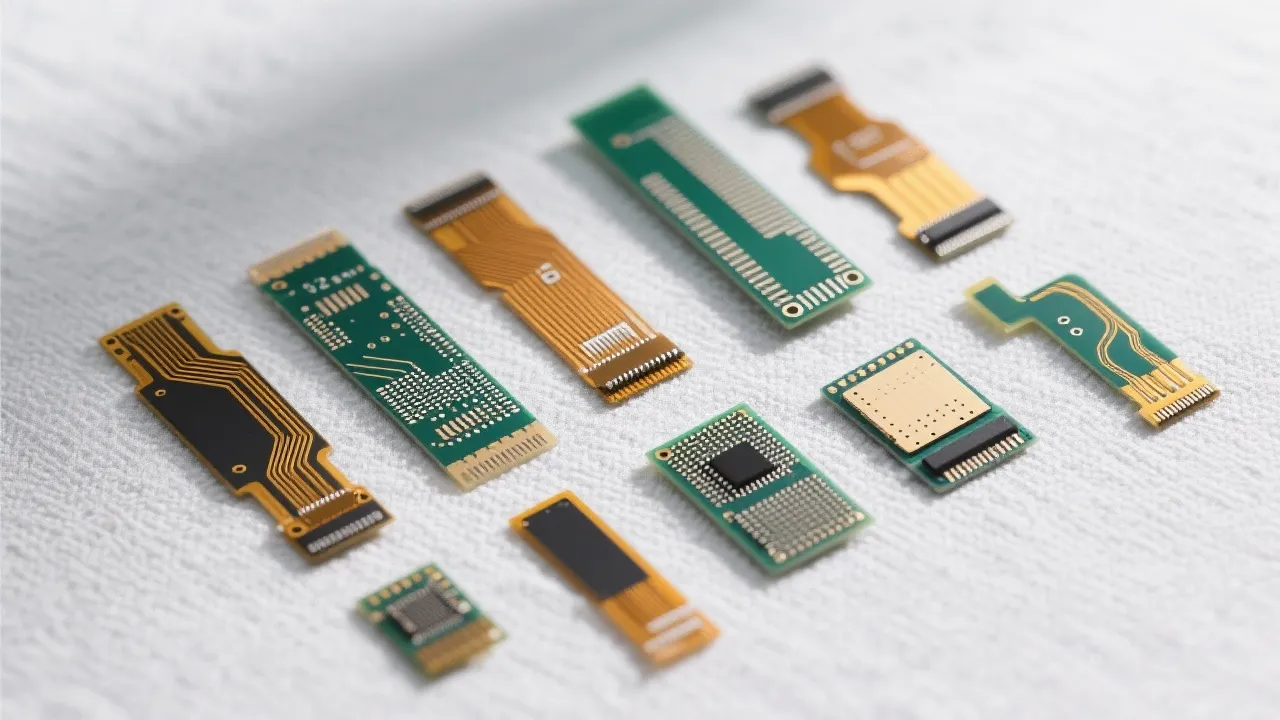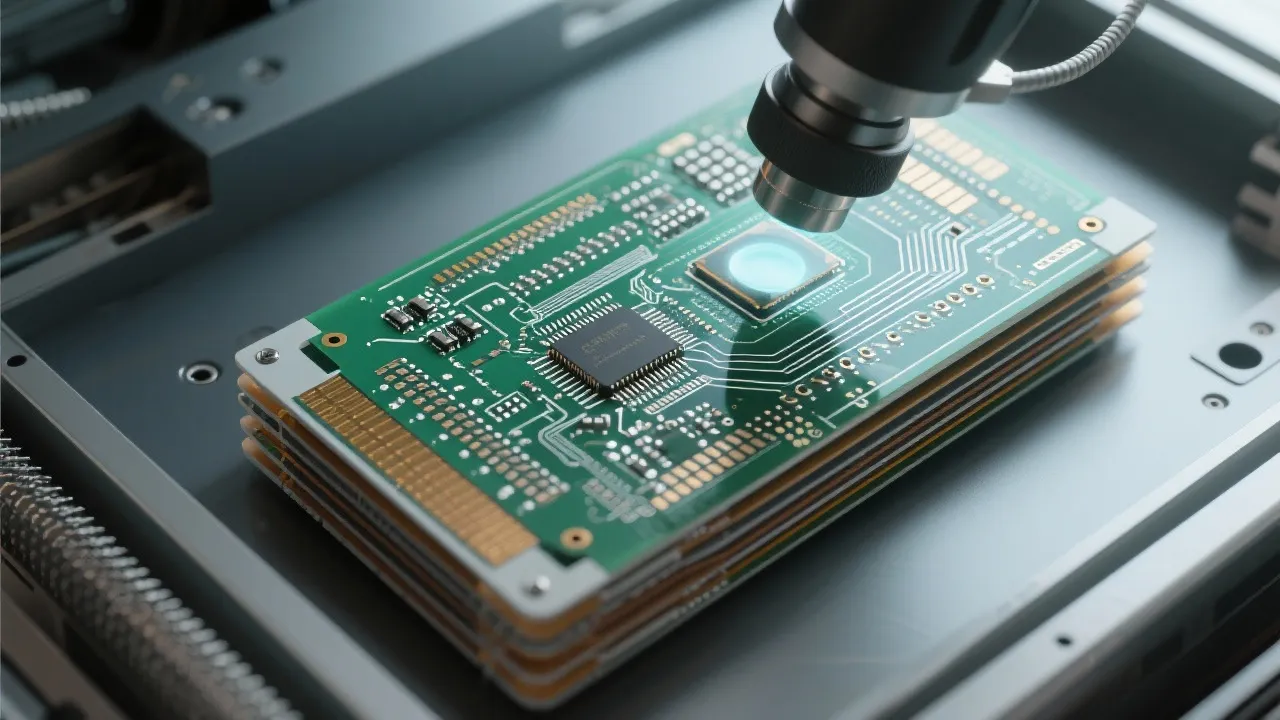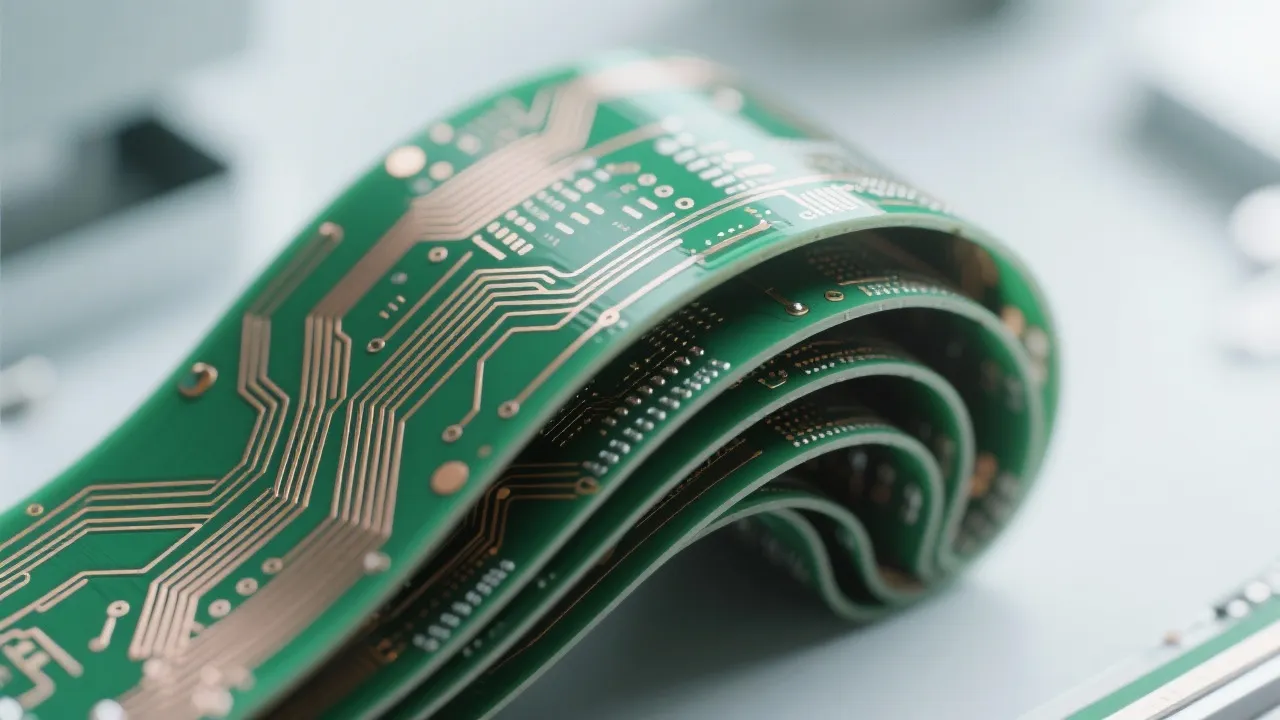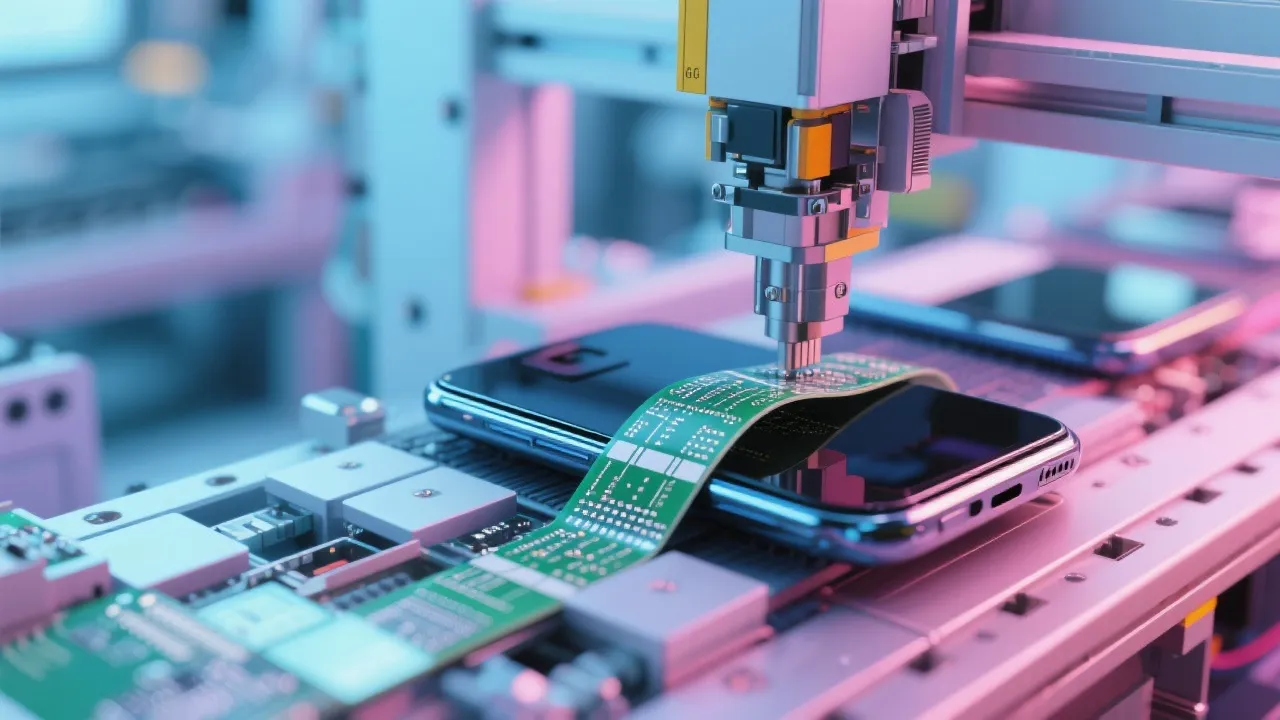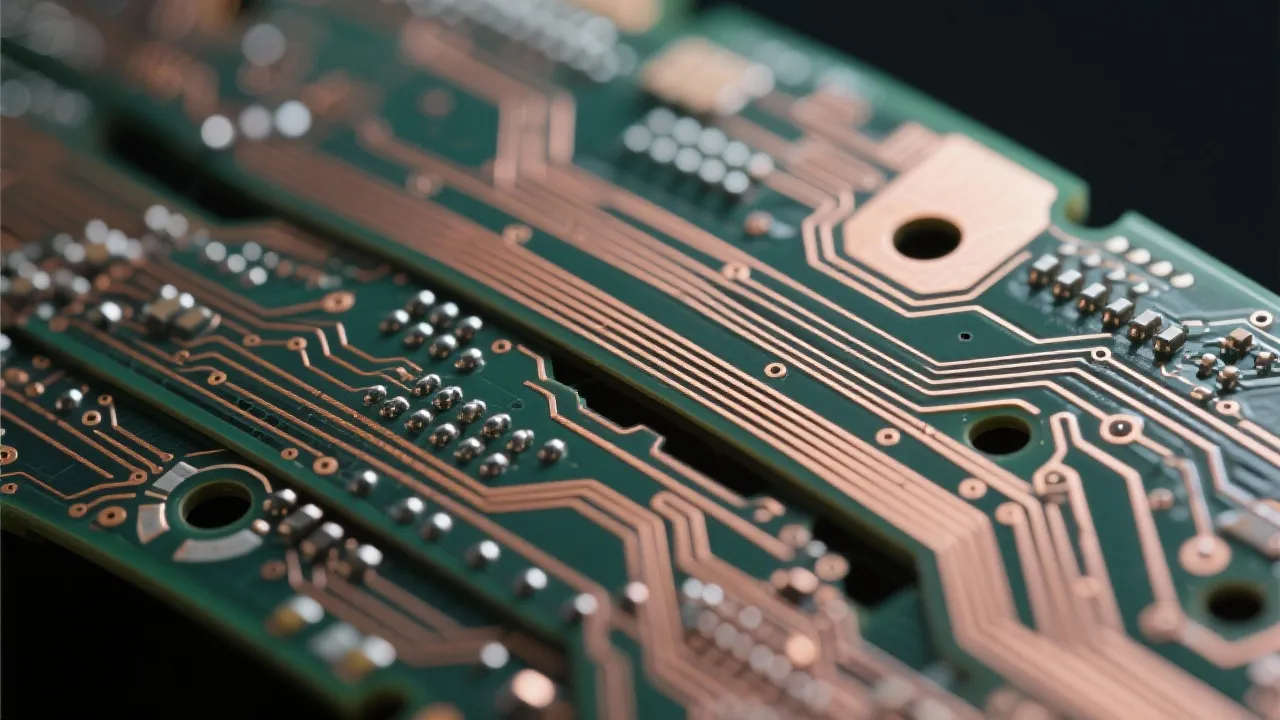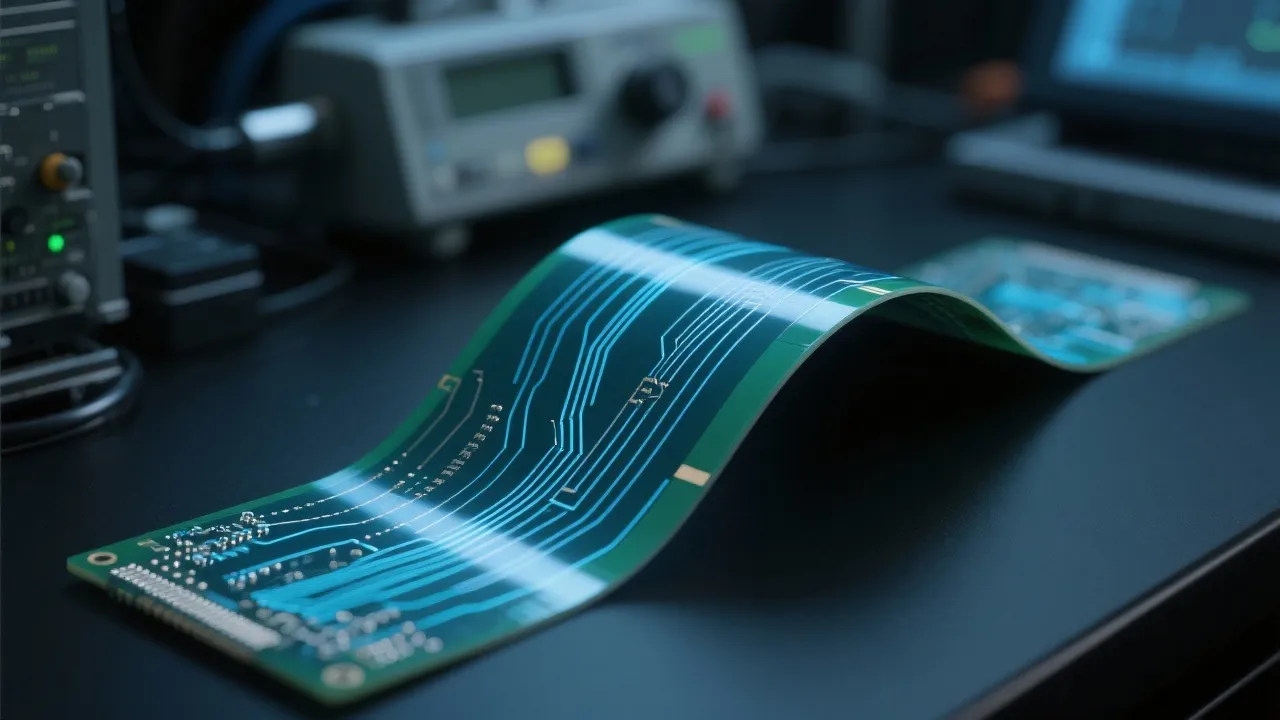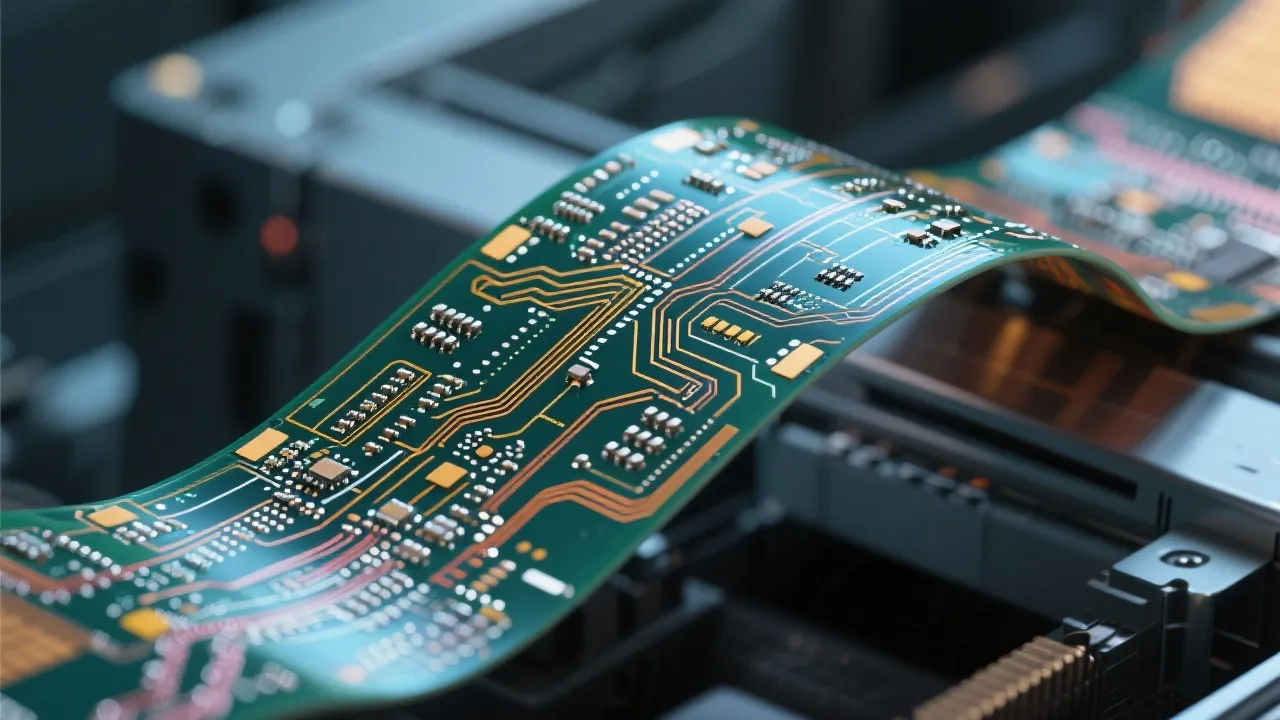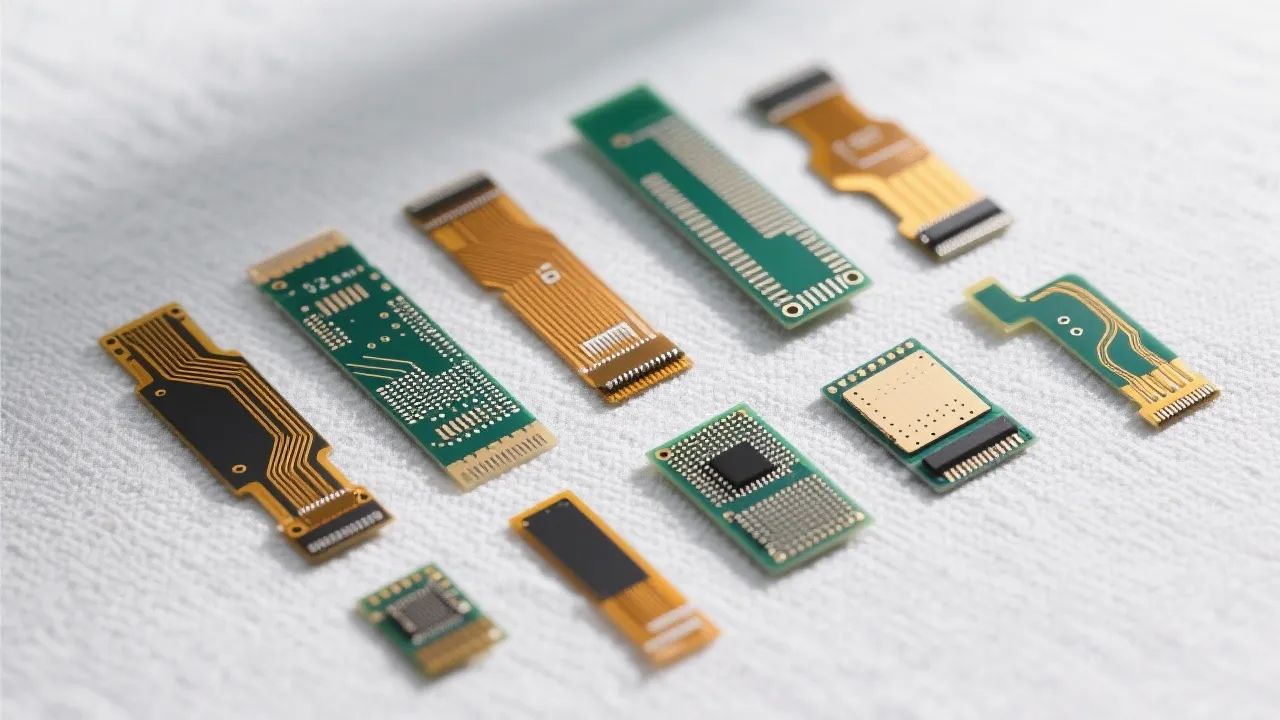
In today’s high-density electronics market—especially in smartphones, aerospace systems, and compact computing devices—the demand for ultra-fine pitch flexible printed circuits (FPCs) is rising rapidly. At Ruiheng PCB, we’ve successfully implemented designs with minimum 2mil line width and spacing, a benchmark that pushes the limits of current manufacturing capabilities while maintaining signal integrity and mechanical reliability.
A 2mil (0.05mm) trace represents a critical threshold where traditional FR-4 materials fail due to copper thinning and via drilling limitations. Our team at Ruiheng PCB uses advanced photolithography techniques combined with precise etch control to consistently achieve this resolution across thousands of boards per month—without sacrificing yield or performance.
Using a 0.13mm base material with 1oz copper (35µm) allows us to maximize routing density while ensuring adequate flex life under repeated bending cycles—a key requirement for wearable tech and foldable phones. This combination reduces stress concentration points and improves thermal dissipation compared to thinner substrates or heavier copper layers.
Achieving consistent 0.15mm micro-vias requires strict process control—from laser drilling accuracy to plating uniformity. We validate each batch using X-ray inspection and automated optical testing (AOI), achieving >99.2% via fill rate and zero short-circuits in production runs over 500 units.
For high-speed applications (e.g., USB-C, MIPI, PCIe), impedance control is non-negotiable. By integrating controlled dielectric thickness and optimized layer stack-up, our engineers ensure 50Ω ±5% impedance across all signal layers. Paired with ENIG (Electroless Nickel Immersion Gold) surface finish, we reduce contact resistance by up to 40% and enhance solder joint reliability in harsh environments—critical for military-grade and automotive electronics.
Real-World Case Study: Smartphone Camera Module FPC
We delivered a 4-layer FPC with 2mil lines, 0.15mm vias, and 0.13mm thickness for a Tier-1 OEM client. After 10k+ flex tests and 85°C/85% RH humidity exposure, no degradation was observed in electrical continuity or mechanical stability—proving our approach works at scale.
All our high-precision FPCs are built to IPC-6013 Class 3 standards—mandatory for mission-critical applications like avionics and medical devices. From design review to final test report, every step is documented for full traceability, giving global clients confidence in long-term supply chain resilience.
Ready to Scale Your High-Density FPC Projects?
Whether you're designing next-gen wearables, EV battery management systems, or miniaturized IoT modules, Ruiheng PCB offers end-to-end support—from prototyping to volume production—with guaranteed 2mil capability and fast turnaround times (7–10 working days for samples).
Request a Free Design Review Today → 349
|
349
|
 double layer pcb rapid manufacturing
flying probe test
surface finish for pcb
pcb production process
quick prototype pcb
101
|
industrial FPC line width precision
optical image transfer process
precision etching technology
ENIG surface finish
flexible circuit board manufacturing
286
|
0.3mm microvia HDI PCB
17:1 aspect ratio vias
semiconductor test board PCB
laser drilling and backdrill control
high-speed signal integrity PCB
240
|
thick copper PCB design
industrial power supply PCB
ENIG surface finish
high Tg FR-4 material
PCB thermal management
409
|
ENIG surface finish
flexible PCB
high-density FPC
solder reliability
impedance control
double layer pcb rapid manufacturing
flying probe test
surface finish for pcb
pcb production process
quick prototype pcb
101
|
industrial FPC line width precision
optical image transfer process
precision etching technology
ENIG surface finish
flexible circuit board manufacturing
286
|
0.3mm microvia HDI PCB
17:1 aspect ratio vias
semiconductor test board PCB
laser drilling and backdrill control
high-speed signal integrity PCB
240
|
thick copper PCB design
industrial power supply PCB
ENIG surface finish
high Tg FR-4 material
PCB thermal management
409
|
ENIG surface finish
flexible PCB
high-density FPC
solder reliability
impedance control





-L4-4.png?x-oss-process=image/resize,m_fill,h_800,w_800/format,webp)