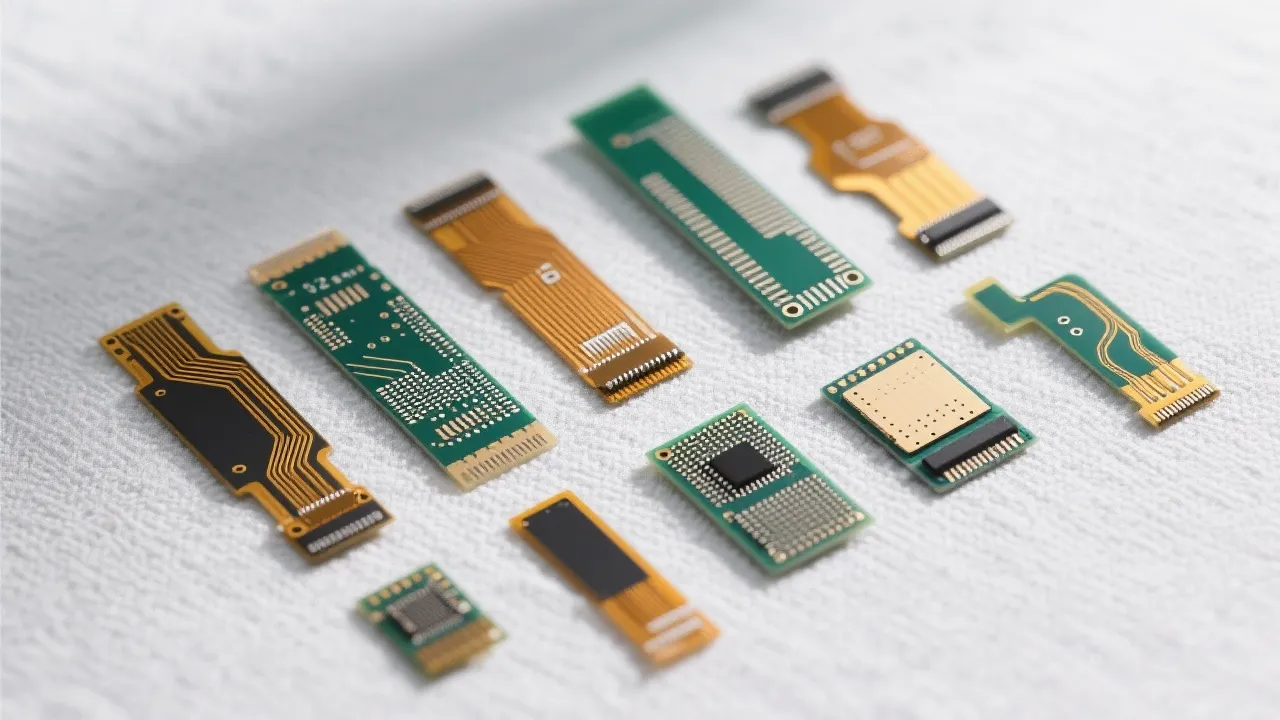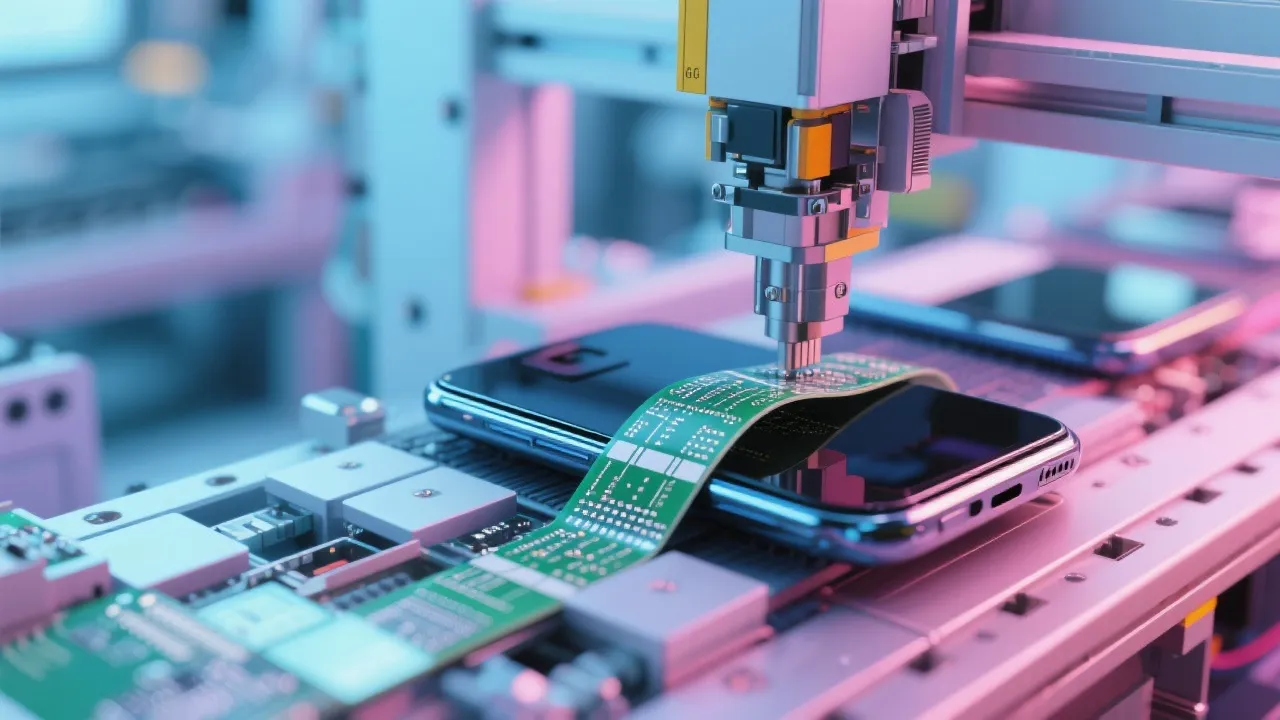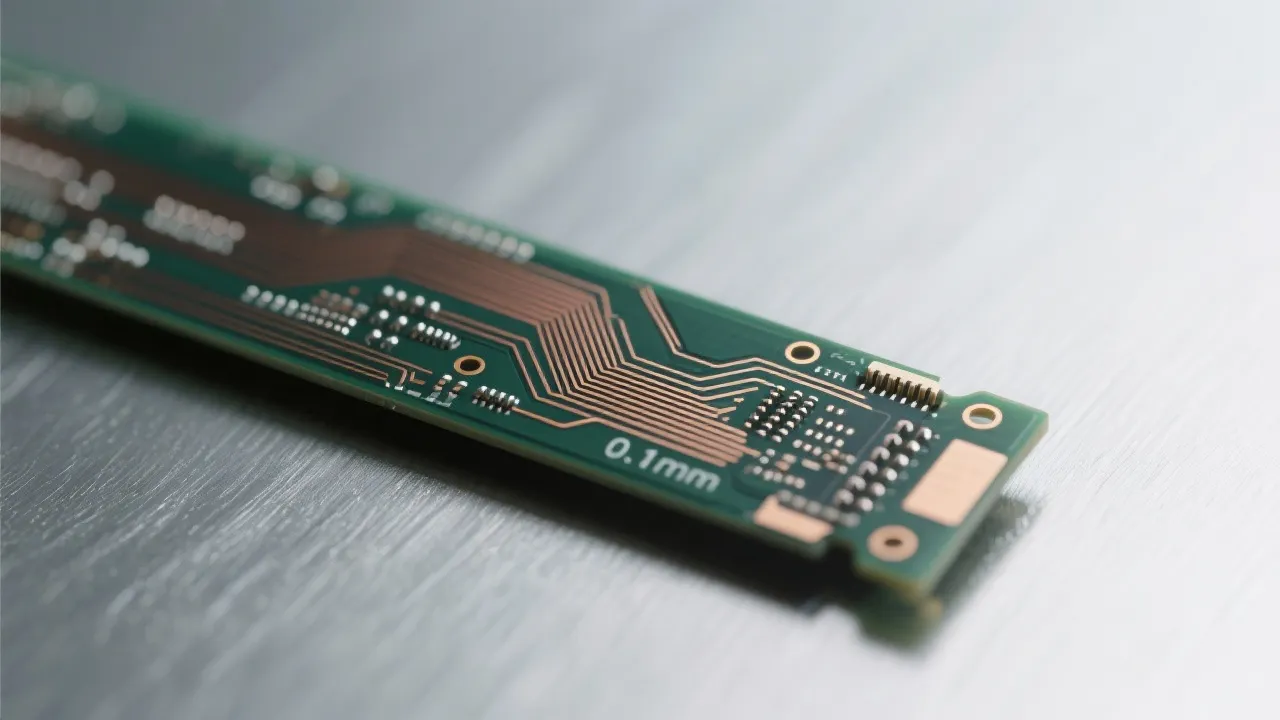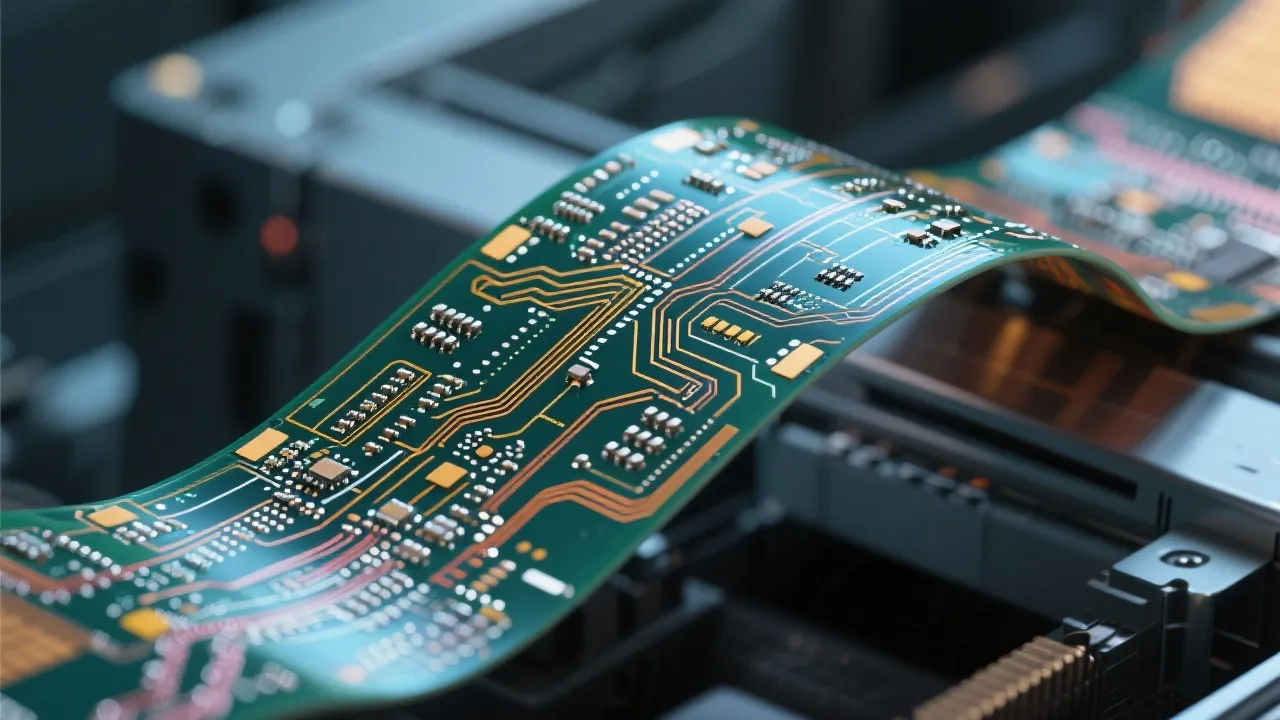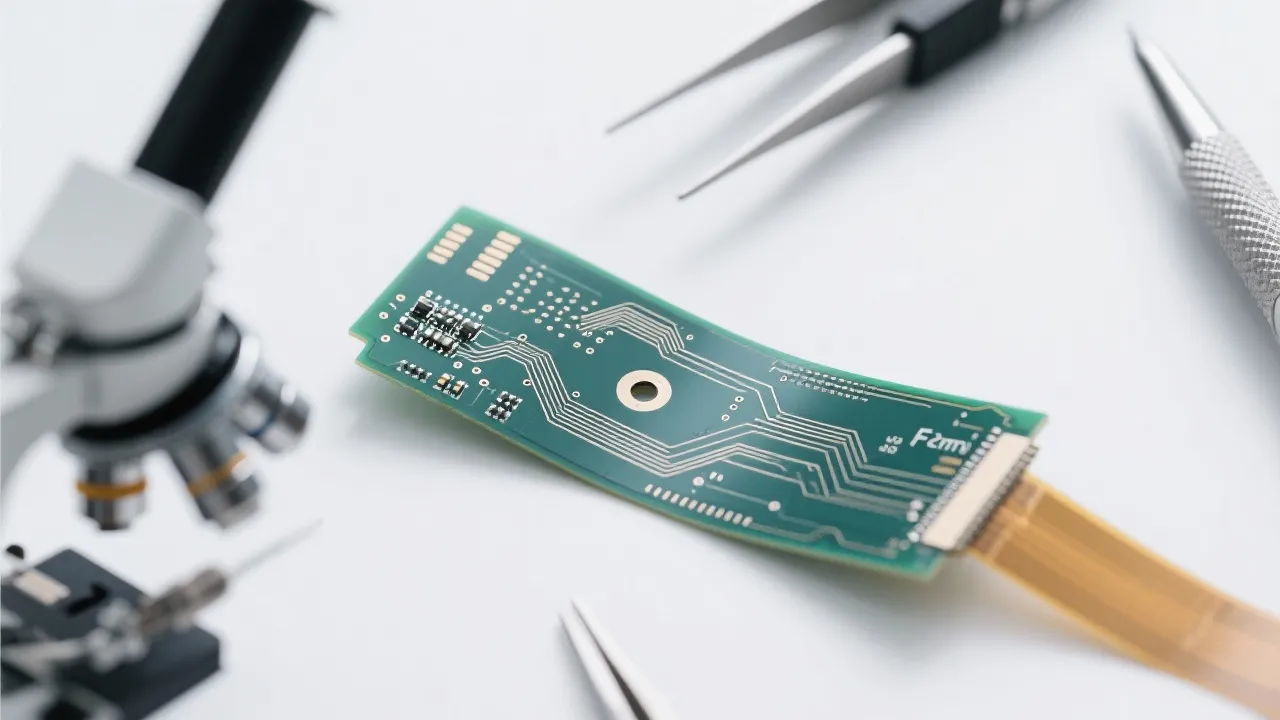
In high-density electronic design, achieving consistent manufacturing at 2mil line width and 0.15mm hole diameter is no longer a theoretical goal—it’s a practical necessity for advanced devices like smartphones, wearables, and aerospace systems. At Ruiheng PCB, we’ve refined our process over 15 years to deliver reliable, repeatable results that meet global standards.
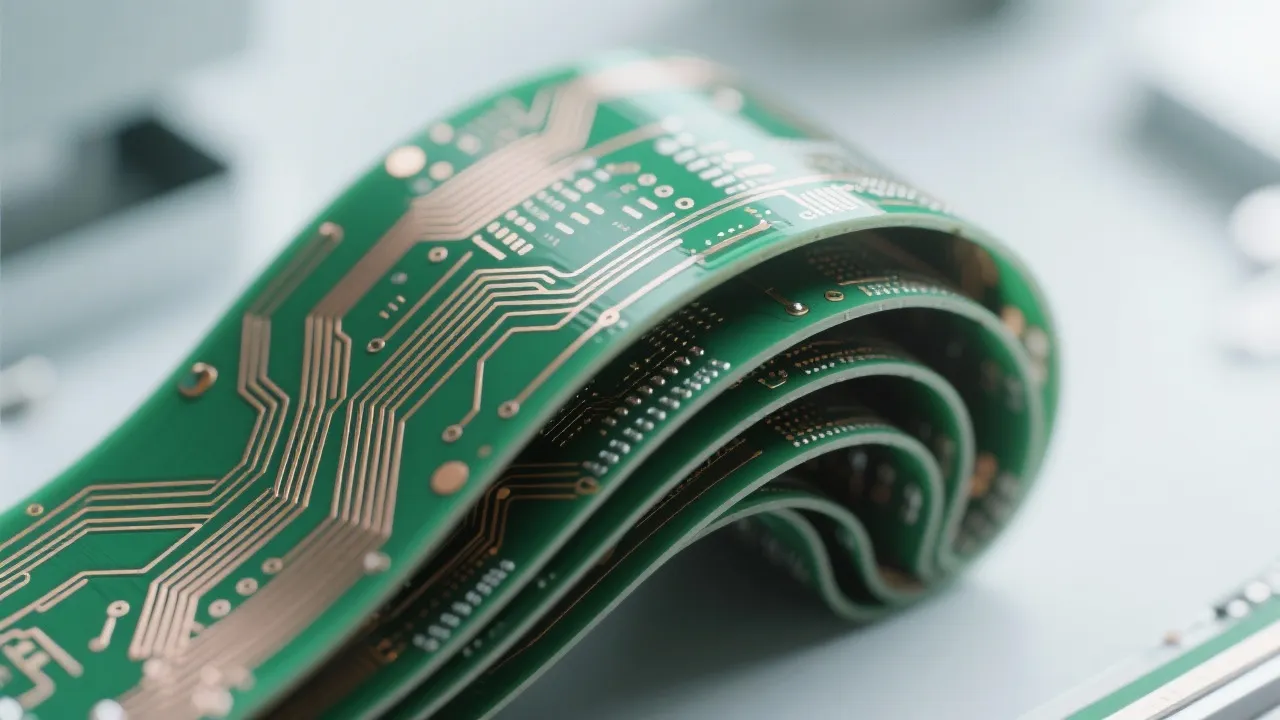
For stable 2mil traces, choosing the right base material is critical. A 0.13mm board thickness with 1oz copper offers optimal balance between flexibility and signal integrity. Our engineers prefer PI (Polyimide) + FR-4 composite materials—not just for mechanical strength, but also for EMI shielding in sensitive environments.
| Parameter | Recommended Value | Why It Matters |
|---|---|---|
| Board Thickness | 0.13mm | Reduces warpage, improves bendability |
| Copper Weight | 1oz (35μm) | Balances conductivity and etch precision |
| Surface Finish | ENIG (Electroless Nickel Immersion Gold) | Ensures solderability, corrosion resistance, and long-term reliability |
Even with perfect materials, impedance mismatch can ruin signal quality. We recommend controlled impedance routing using tools like Altium or Cadence—ensuring trace width, dielectric constant, and layer spacing are all calculated before fabrication. For 4-layer boards, placing power planes adjacent to signal layers reduces crosstalk by up to 40%.
💡 Design Tip: Always simulate your layout under worst-case conditions—temperature variation, flexing cycles, and moisture exposure—to avoid real-world failures.
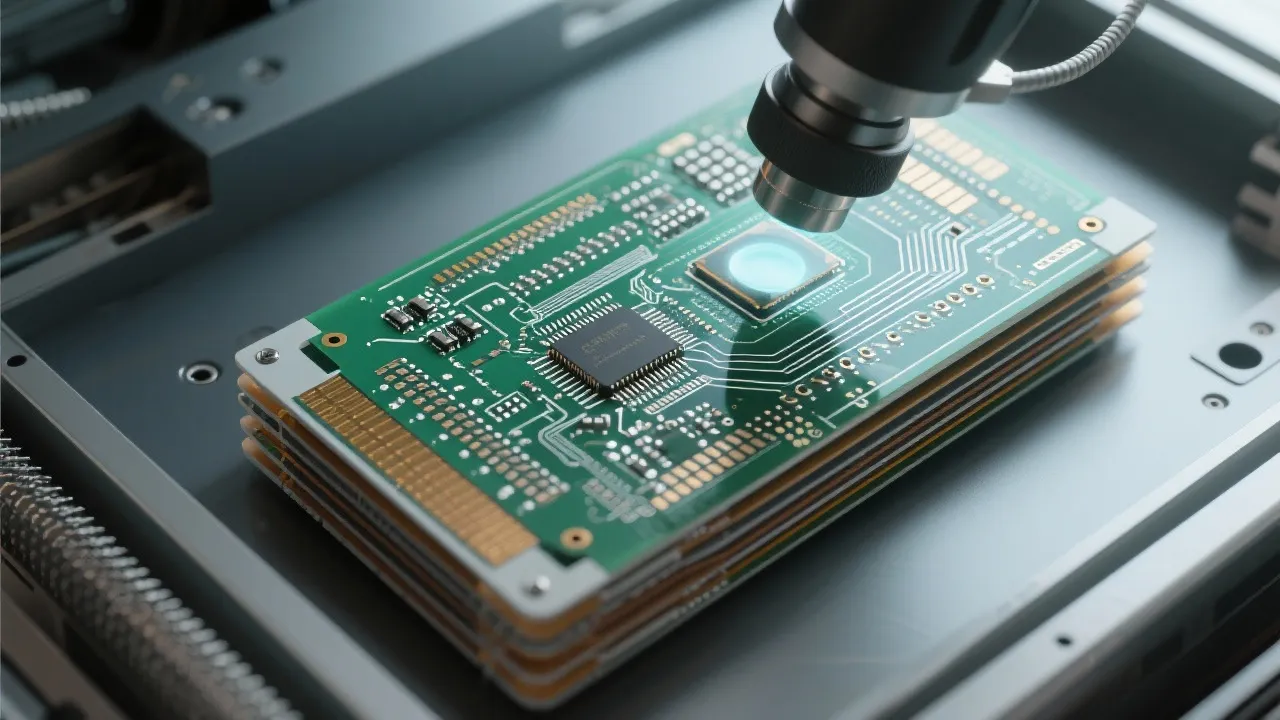
Drilling holes smaller than 0.2mm requires laser drilling or micro-mechanical drills with tight tolerance control (±0.02mm). At Ruiheng PCB, we use automated optical inspection (AOI) post-drill to verify hole quality and prevent via plugging issues—a common failure point in mass production.
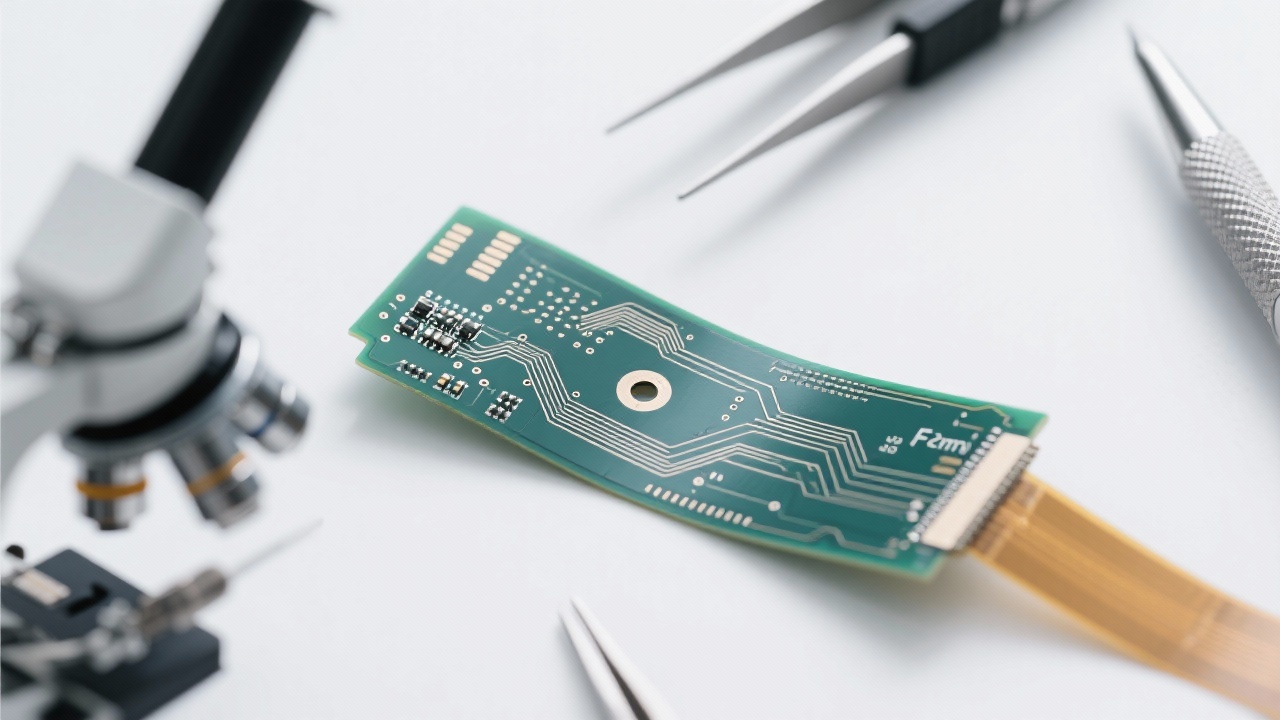
Our customers report 98% first-pass yield on 0.15mm holes when following our guidelines—especially when combining ENIG surface finish with proper cleaning protocols before assembly.
Many designers fail because they overlook these three points:
If you’re designing for medical devices, automotive electronics, or IoT modules, every micron counts—and so does consistency.
With ISO 9001 and IPC-6013-certified processes, Ruiheng PCB delivers rapid prototyping (7-day turnaround) and full-scale production with guaranteed accuracy down to 2mil lines and 0.15mm holes. Let us help you turn complex designs into reliable products—without compromise.
Get Your Free FPC Design Review Today 101
|
101
|
 industrial FPC line width precision
optical image transfer process
precision etching technology
ENIG surface finish
flexible circuit board manufacturing
286
|
0.3mm microvia HDI PCB
17:1 aspect ratio vias
semiconductor test board PCB
laser drilling and backdrill control
high-speed signal integrity PCB
300
|
high-tg fr-4 pcb
thick copper pcb
power electronics pcb
enig surface finish
impedance controlled pcb
409
|
ENIG surface finish
flexible PCB
high-density FPC
solder reliability
impedance control
211
|
IPC Class 2 PCB warpage
0.5% warpage HDI PCB
34-layer HDI PCB manufacturing
semiconductor test PCB reliability
HDI stack-up copper balance
industrial FPC line width precision
optical image transfer process
precision etching technology
ENIG surface finish
flexible circuit board manufacturing
286
|
0.3mm microvia HDI PCB
17:1 aspect ratio vias
semiconductor test board PCB
laser drilling and backdrill control
high-speed signal integrity PCB
300
|
high-tg fr-4 pcb
thick copper pcb
power electronics pcb
enig surface finish
impedance controlled pcb
409
|
ENIG surface finish
flexible PCB
high-density FPC
solder reliability
impedance control
211
|
IPC Class 2 PCB warpage
0.5% warpage HDI PCB
34-layer HDI PCB manufacturing
semiconductor test PCB reliability
HDI stack-up copper balance





-L4-4.png?x-oss-process=image/resize,m_fill,h_800,w_800/format,webp)

-1.png?x-oss-process=image/resize,m_fill,h_800,w_800/format,webp)