
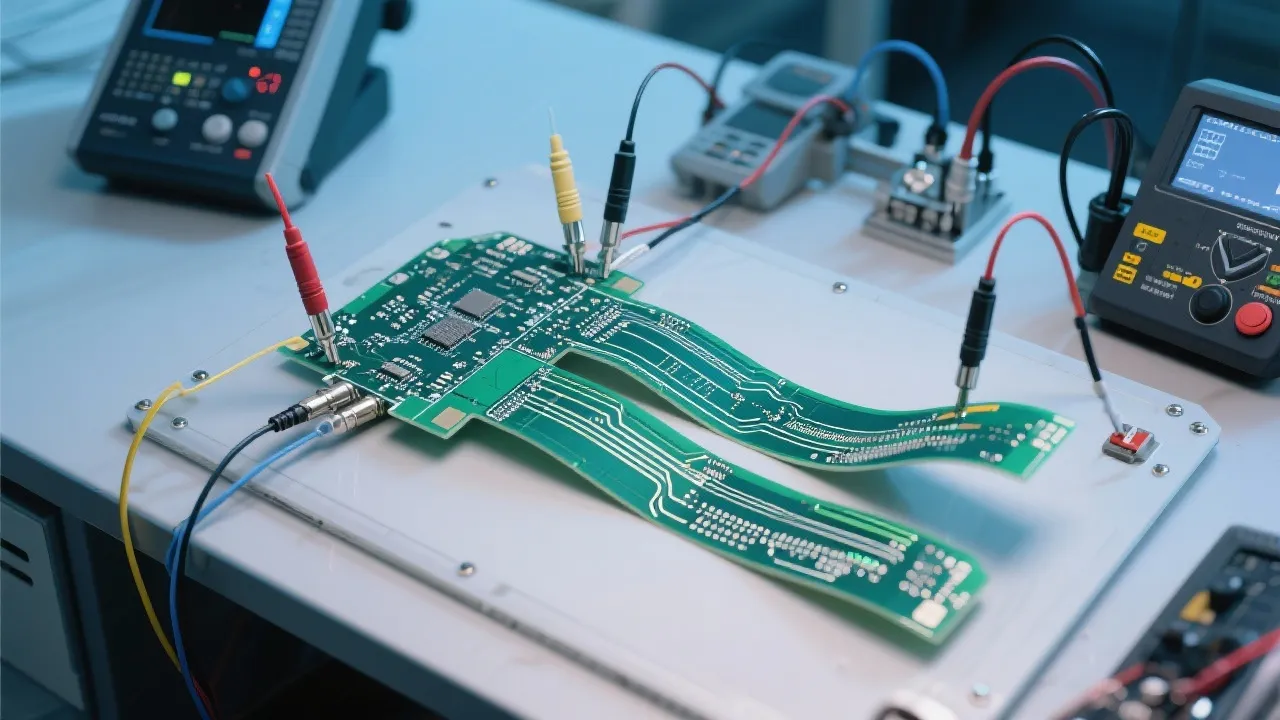
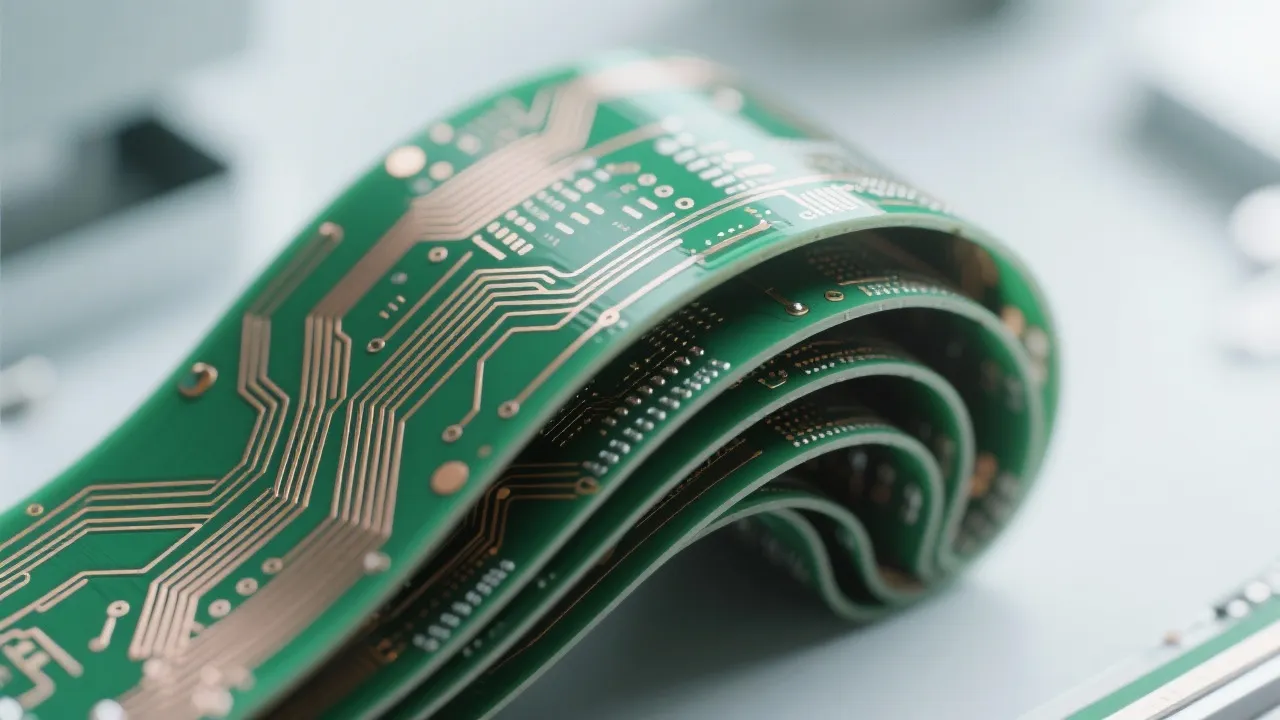
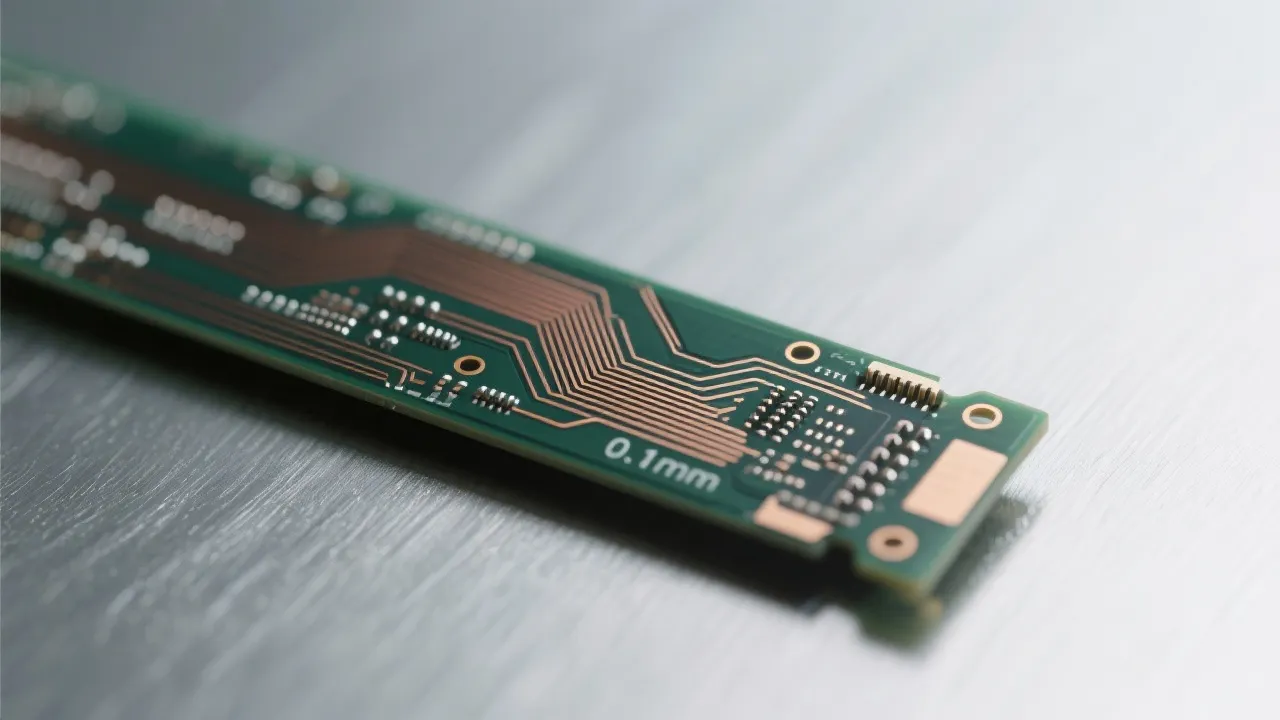
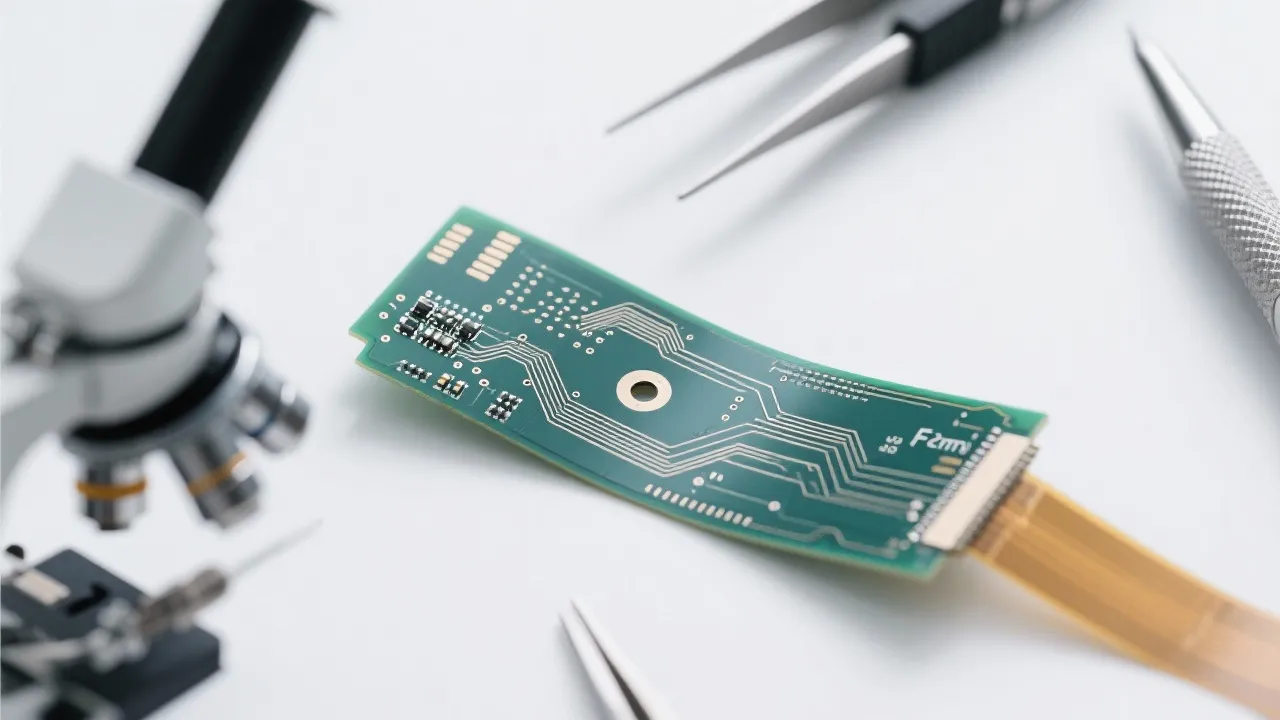
Designing high-precision flexible printed circuits (FPCs) for aerospace and advanced electronics demands more than just technical know-how—it requires a systematic approach to material selection, manufacturing tolerances, and signal integrity. In this guide, we walk through the proven strategies used by leading PCB designers to consistently achieve 2mil trace widths, 0.15mm microvias, and reliable performance in ultra-thin (0.13mm) boards with 1oz copper thickness.
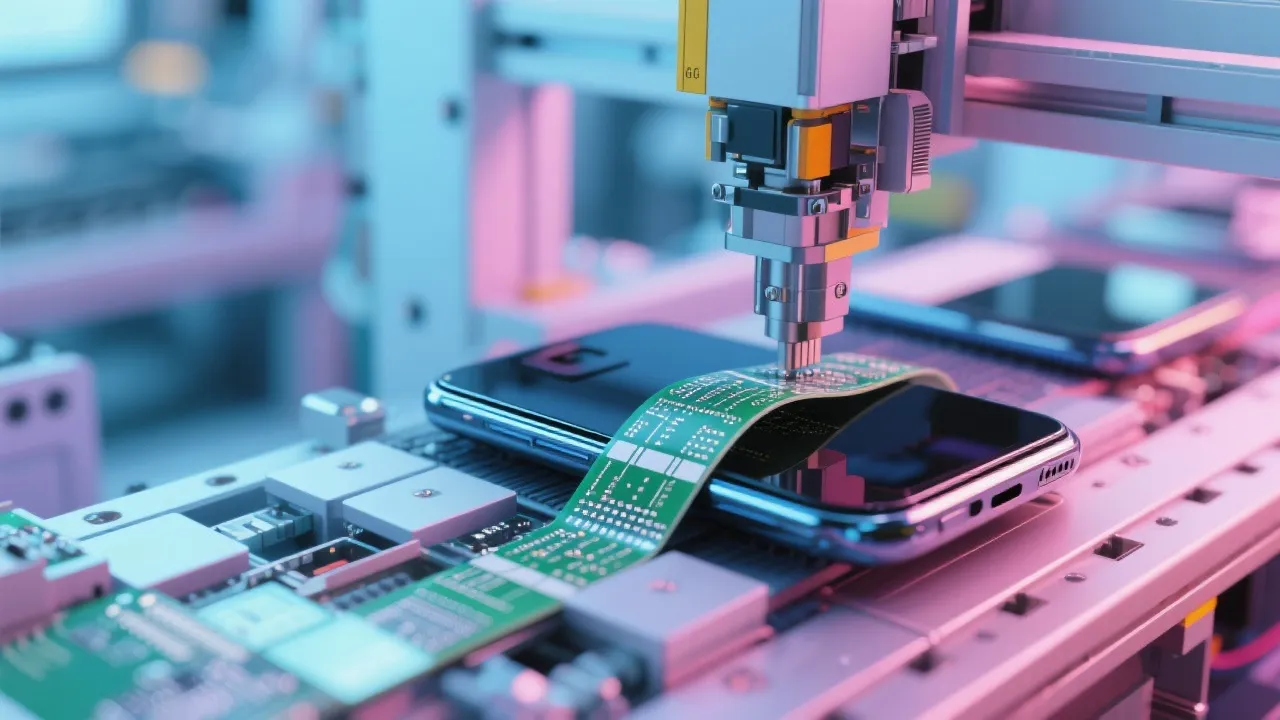
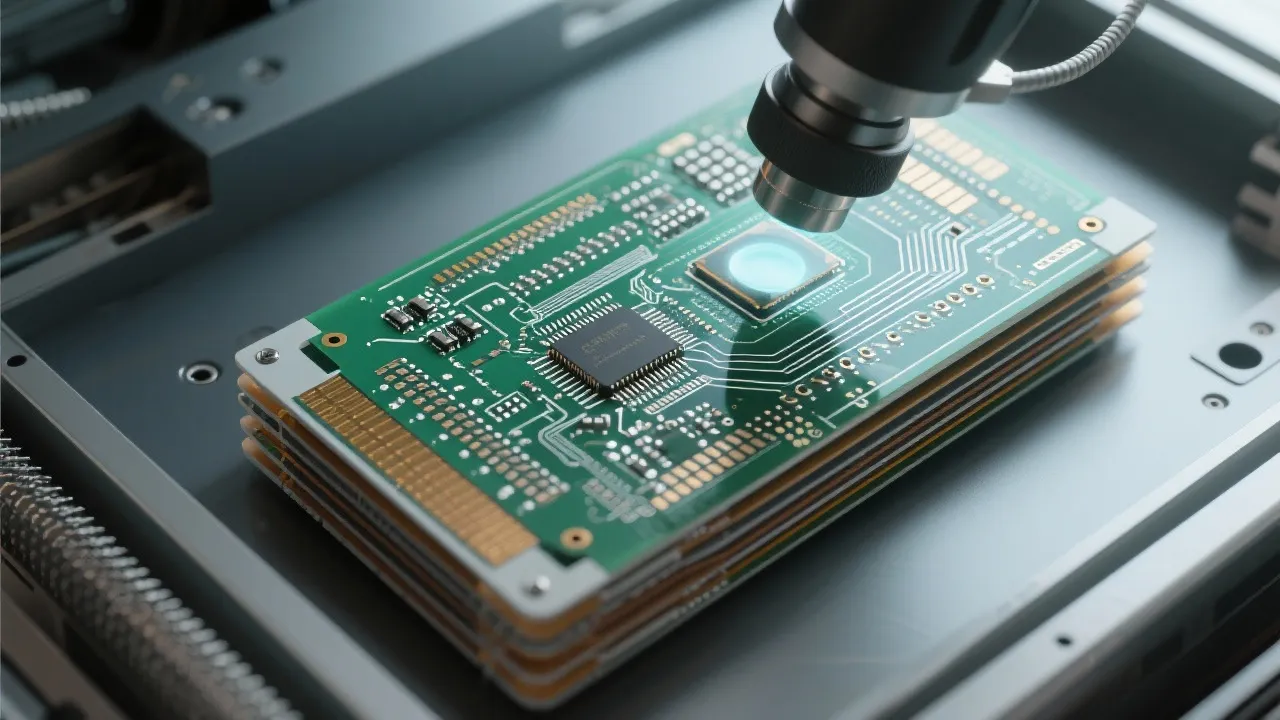
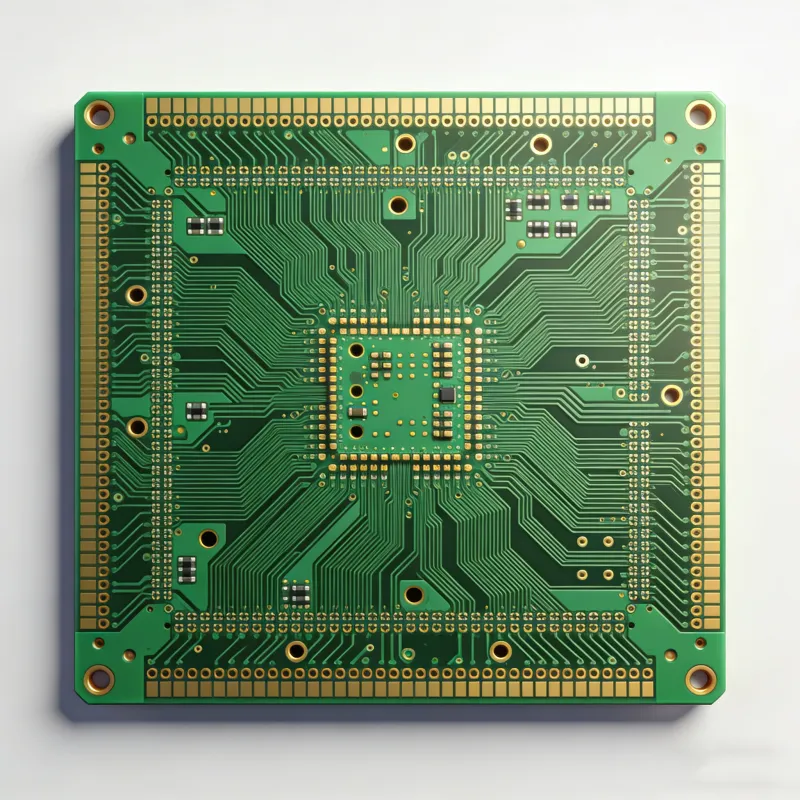
As devices shrink and functionality increases—especially in medical wearables, drones, and avionics—the need for tighter routing density without compromising reliability has never been greater. According to industry benchmarks from IPC-2221 and IPC-4101, achieving consistent 2mil lines on a 4-layer FPC requires not only precise tooling but also controlled laminates like PI/FR-4 hybrids that minimize warpage and delamination.
For example, Ruiheng PCB’s proprietary process ensures uniform etch profiles across all layers using advanced photolithography techniques. This results in a yield rate exceeding 97% for designs featuring 2mil traces and 0.15mm holes—a critical metric for clients in defense or IoT sectors where failure is not an option.
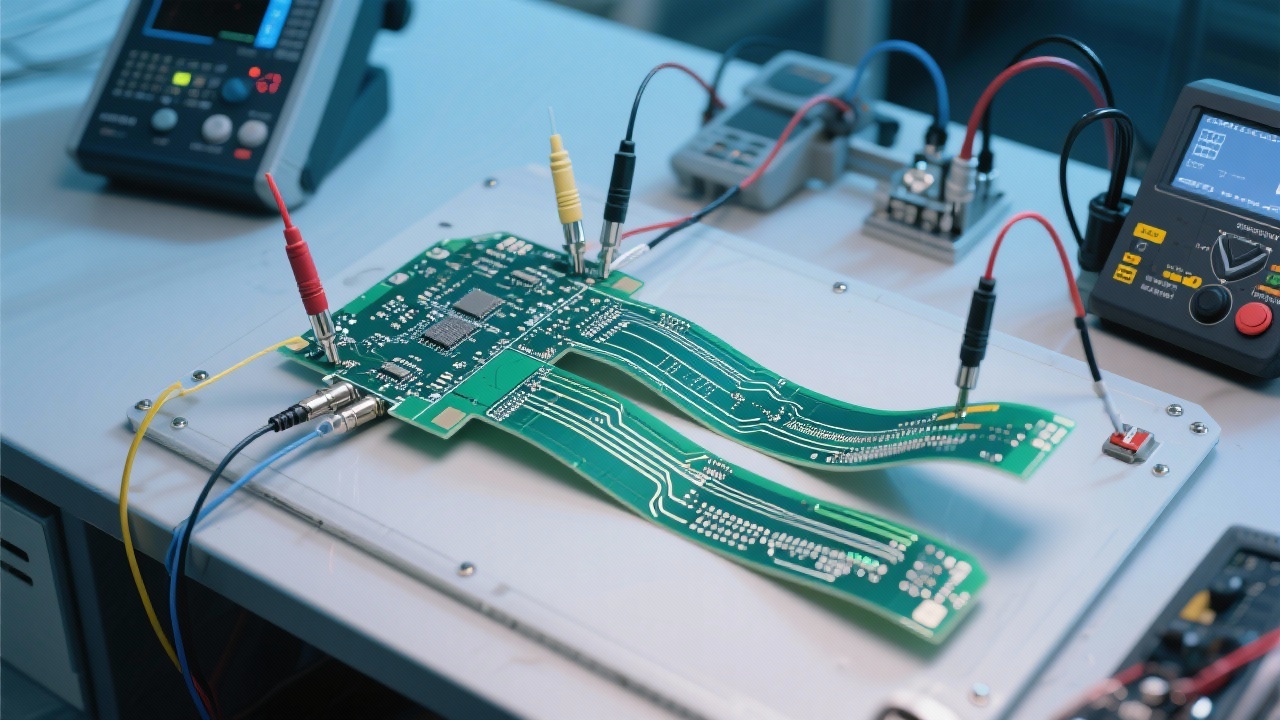
When targeting 0.15mm via diameters, mechanical stress becomes a major concern. At such small scales, even minor inconsistencies in drilling or plating can cause via collapse or poor solder joint formation. Our engineers recommend:
These methods are validated against IEC 61188-1 standards for flexible circuit reliability, ensuring your design meets global compliance requirements before production begins.
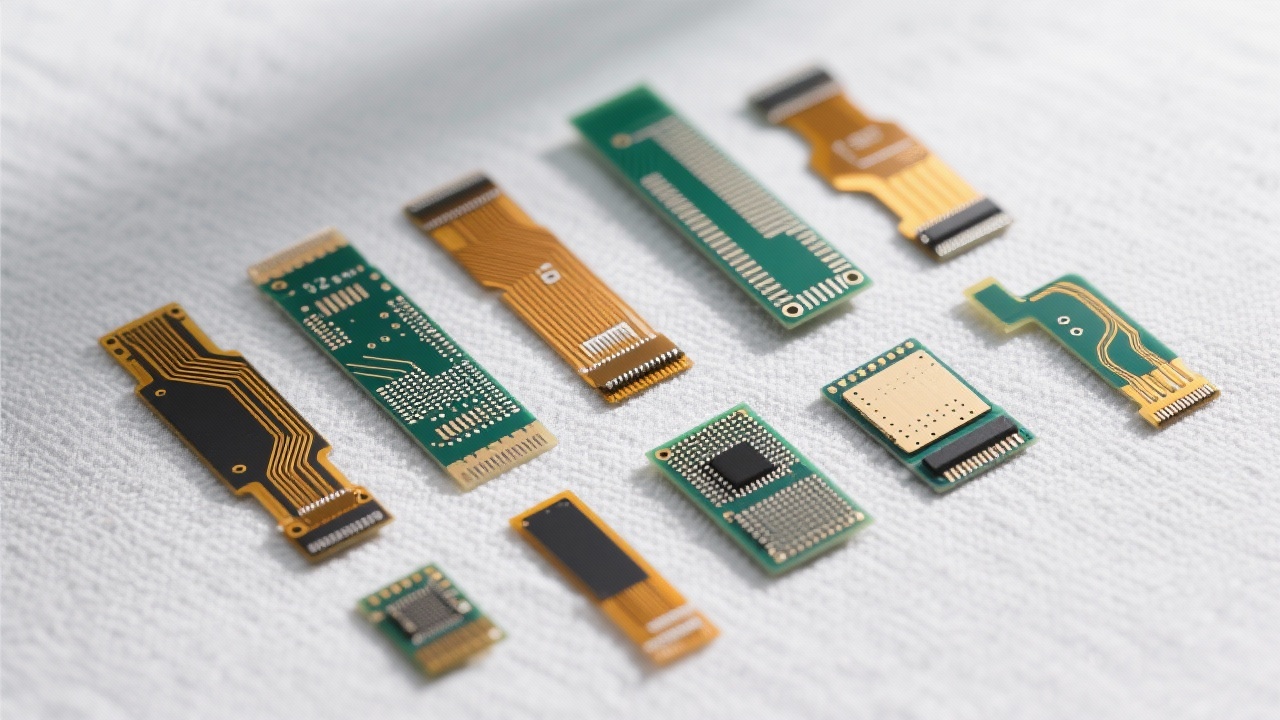
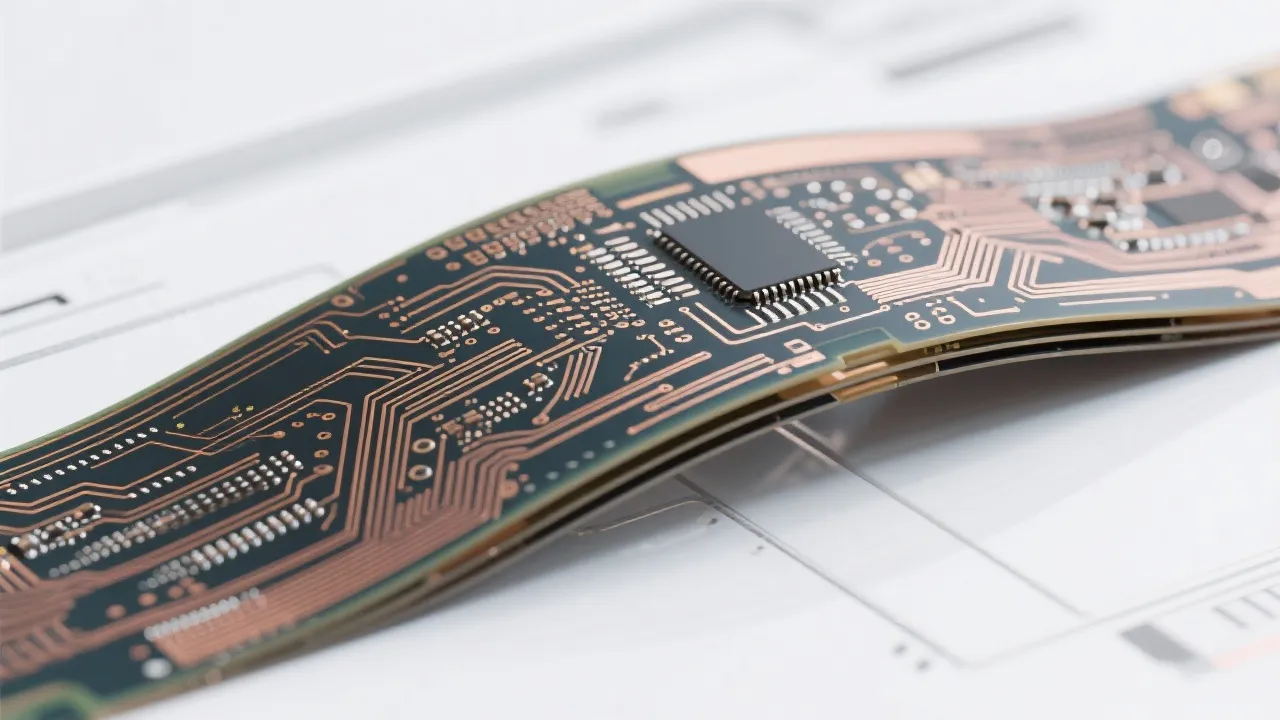
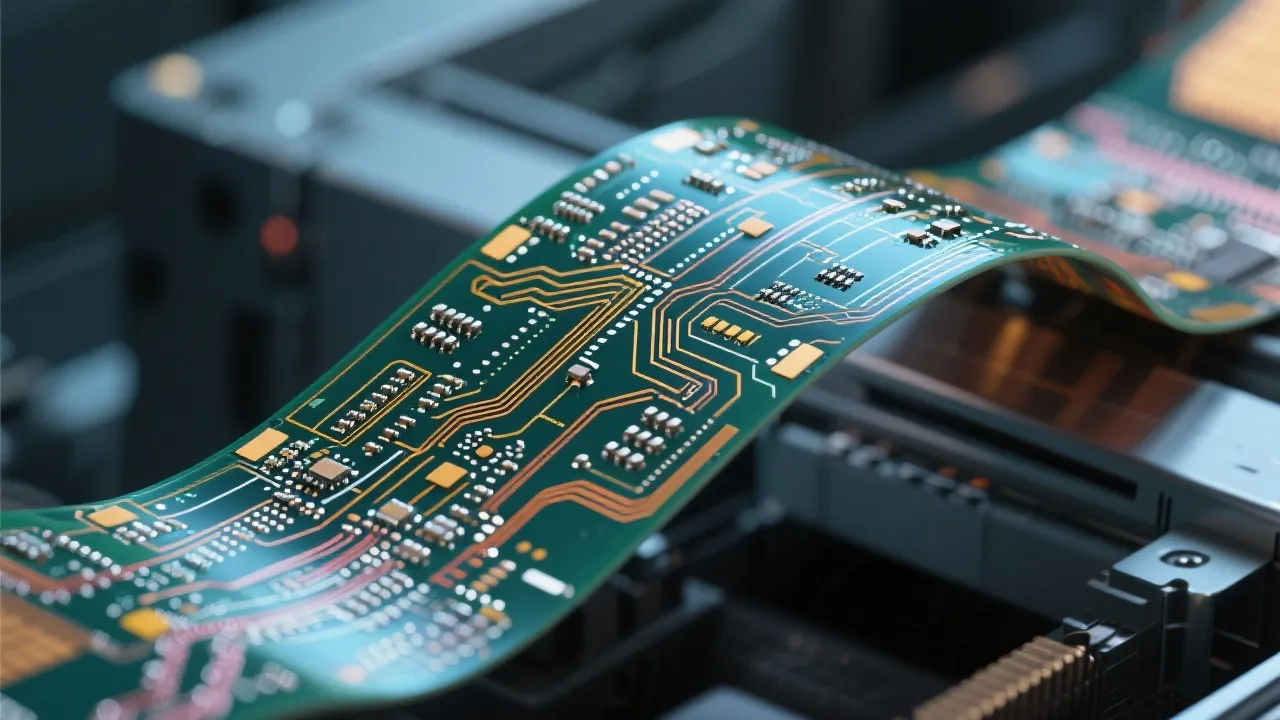
A board thickness of 0.13mm may seem minimal, but it's precisely what enables ultra-compact designs in smart sensors and wearable tech. To maintain structural integrity while maximizing routing space, we use a combination of polyimide (PI) and FR-4 materials tailored to each layer’s electrical load.
Our internal testing shows that this hybrid approach reduces thermal expansion mismatch by over 40% compared to pure PI boards—an essential factor when designing for repeated flex cycles in dynamic environments.
With these practices, Ruiheng PCB delivers designs that not only meet but exceed expectations for stability, manufacturability, and long-term durability—ideal for customers seeking high-reliability solutions in demanding markets.
Explore how Ruiheng PCB’s engineering team can help you optimize your next-generation FPC layout—from concept to prototype—with faster turnaround times and guaranteed quality.
Get a Free Design Review Now 232
|
232
|
 HDI PCB warpage control
IPC-II standard
semiconductor test PCB
multi-layer PCB design
PCB manufacturing precision
402
|
ENIG surface finish
flexible PCB
solder reliability
corrosion resistance
PCB manufacturing
156
|
5G PCB design
impedance control
high-frequency communication modules
high-speed multilayer PCB
signal integrity
409
|
thick copper PCB design
power electronics PCB thermal management
ENIG surface finish
high Tg FR-4 material
four layer PCB stackup
364
|
Impedance control
High-frequency PCB
5G base station PCB
Signal integrity
Multilayer PCB manufacturing
HDI PCB warpage control
IPC-II standard
semiconductor test PCB
multi-layer PCB design
PCB manufacturing precision
402
|
ENIG surface finish
flexible PCB
solder reliability
corrosion resistance
PCB manufacturing
156
|
5G PCB design
impedance control
high-frequency communication modules
high-speed multilayer PCB
signal integrity
409
|
thick copper PCB design
power electronics PCB thermal management
ENIG surface finish
high Tg FR-4 material
four layer PCB stackup
364
|
Impedance control
High-frequency PCB
5G base station PCB
Signal integrity
Multilayer PCB manufacturing





-4.png?x-oss-process=image/resize,m_fill,h_800,w_800/format,webp)
-1.png?x-oss-process=image/resize,m_fill,h_800,w_800/format,webp)


-L4-4.png?x-oss-process=image/resize,m_fill,h_800,w_800/format,webp)