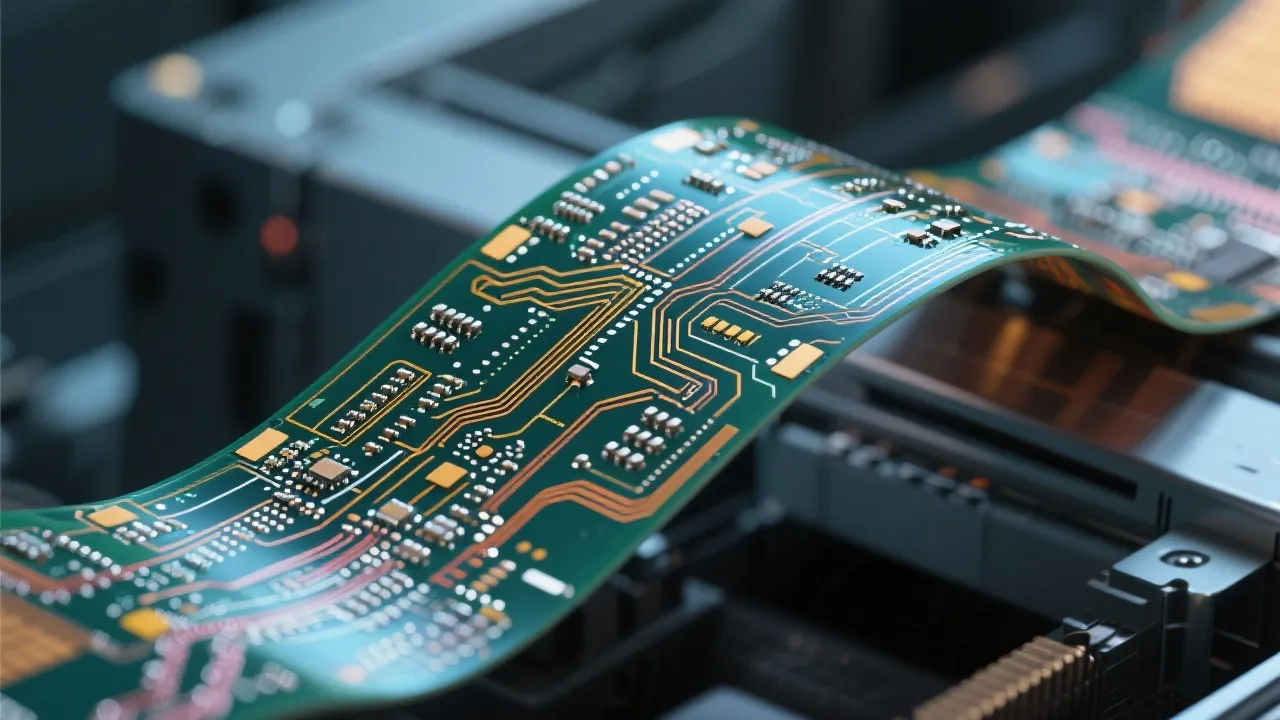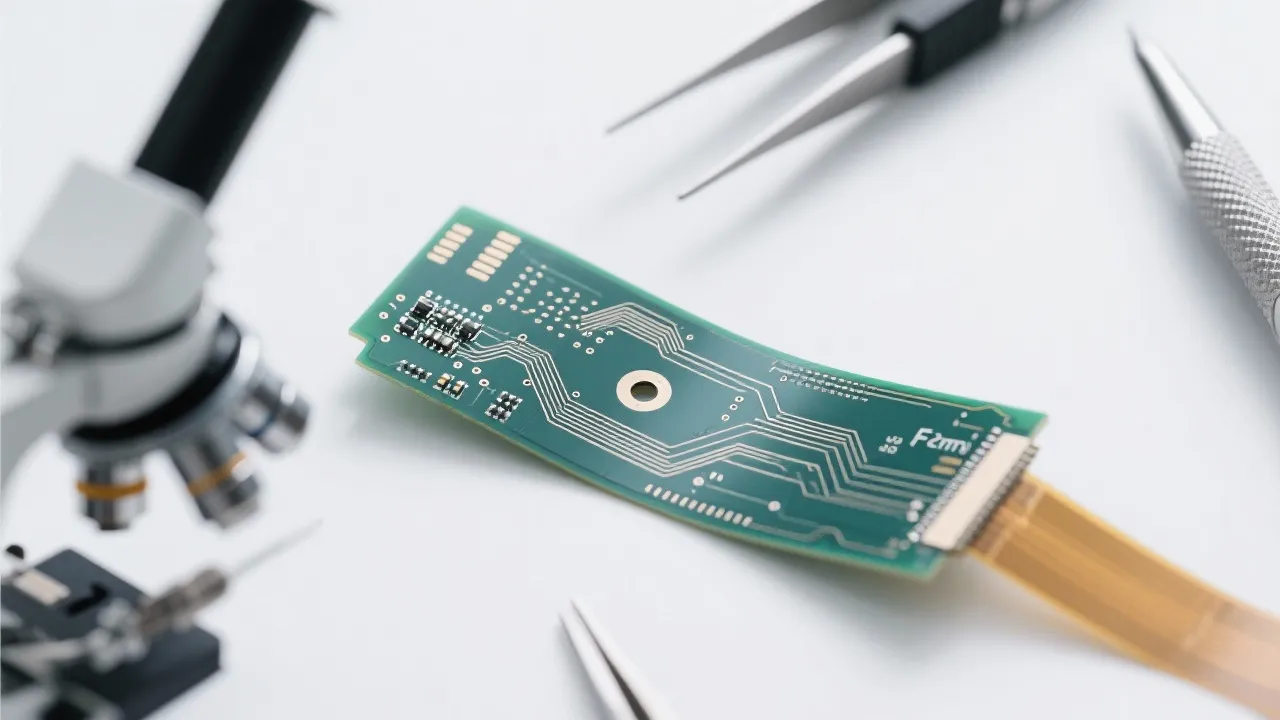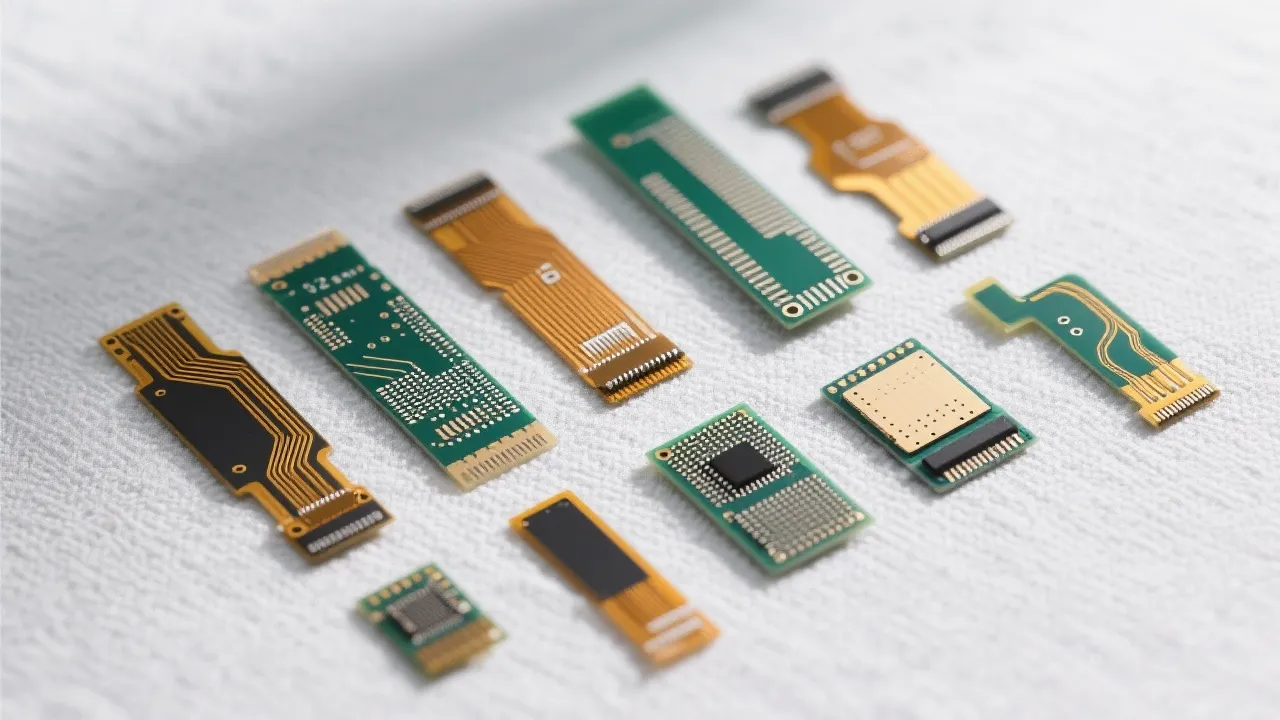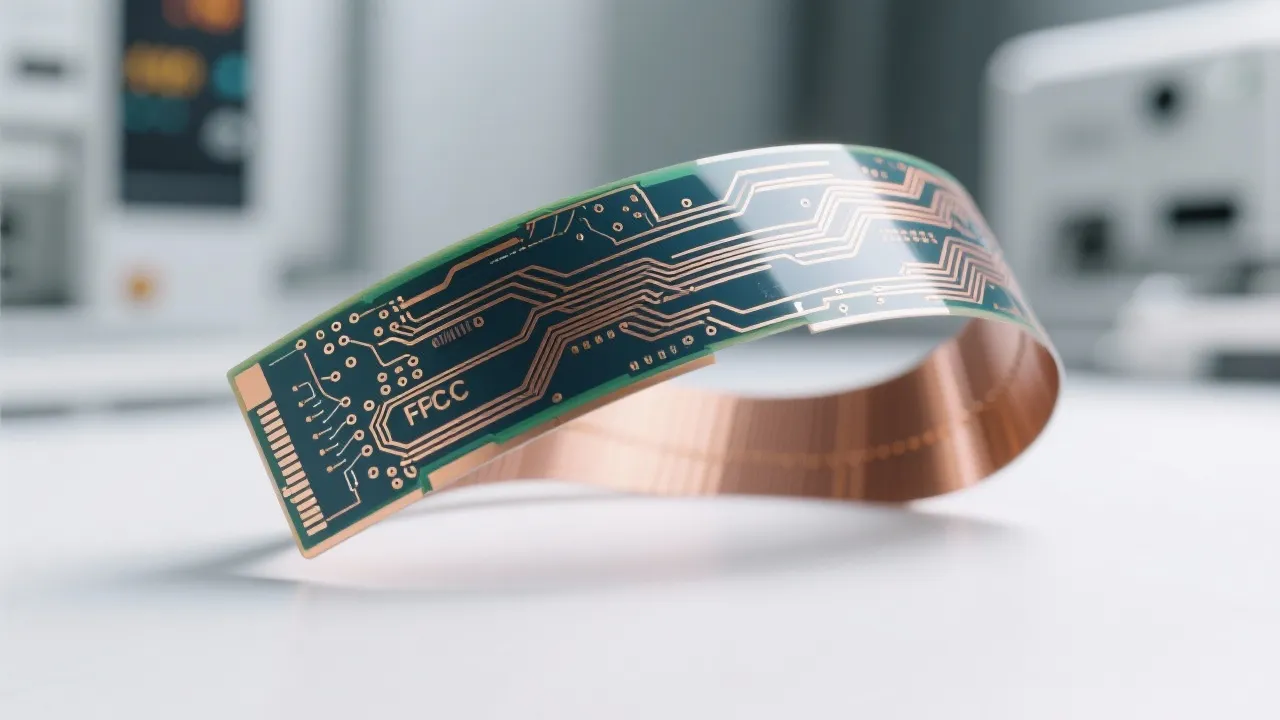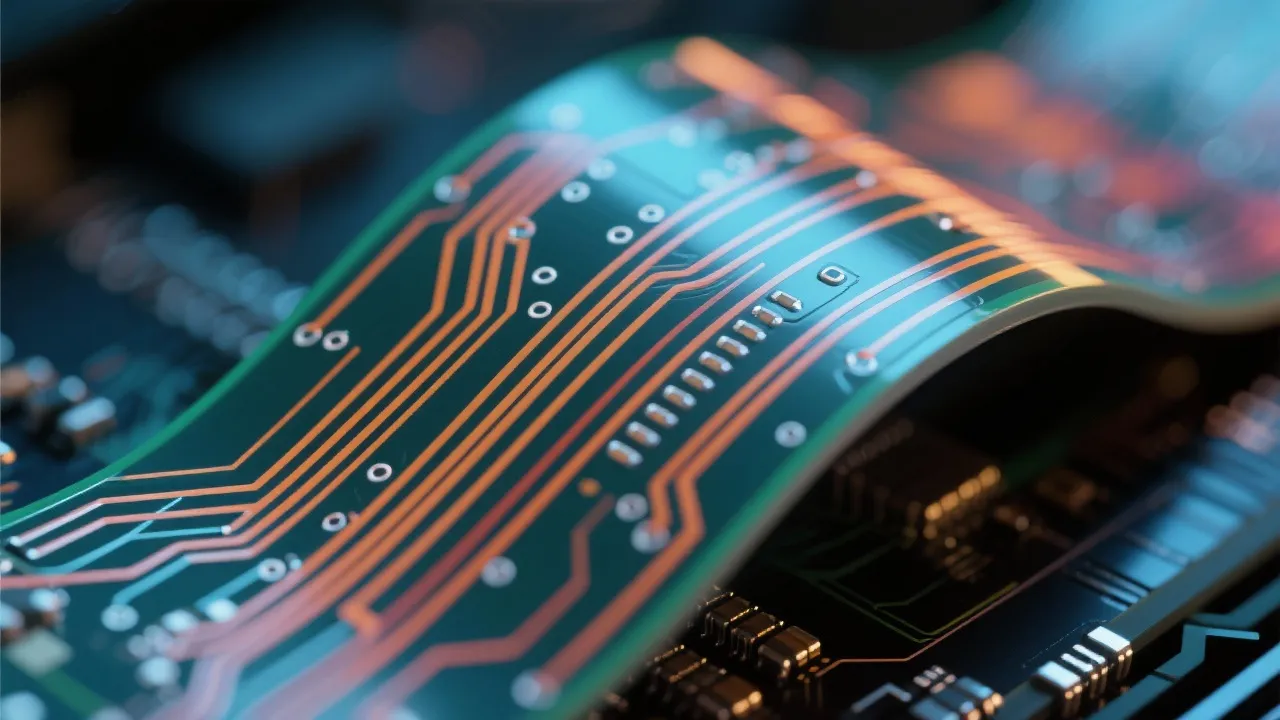
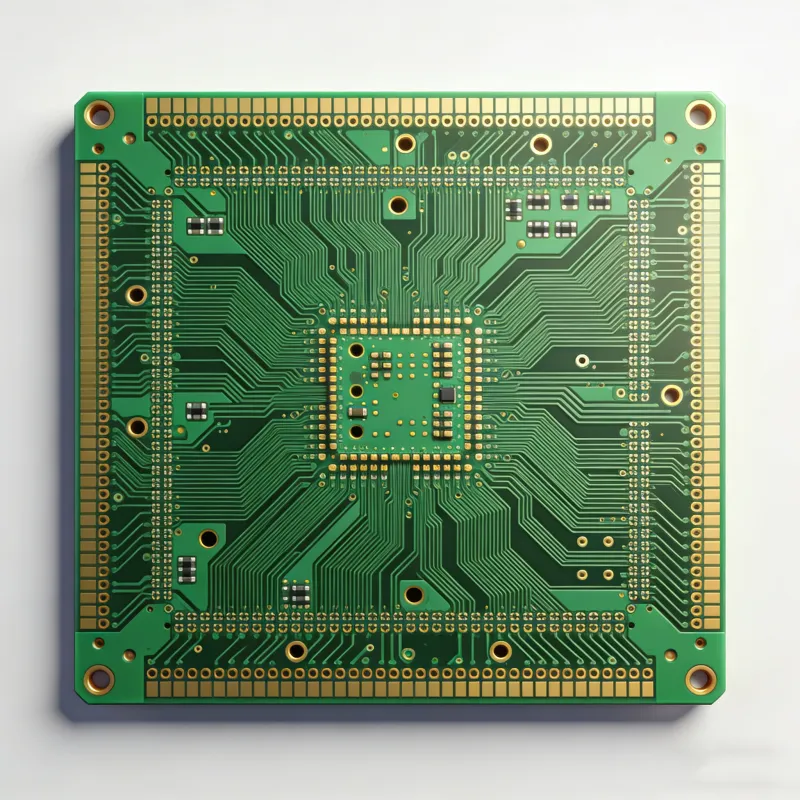
In today's rapidly evolving power electronics industry, the demand for high-performance PCBs continues to grow exponentially. As industrial power systems, frequency converters, and motor drives push the boundaries of efficiency and reliability, the choice of PCB materials and manufacturing processes becomes increasingly critical. This article explores how four-layer thick copper PCBs featuring high Tg FR-4 material and ENIG surface finish are addressing the most demanding challenges in power electronics applications.
High Tg (Glass Transition Temperature) FR-4 material represents a significant advancement over standard FR-4 substrates, offering exceptional thermal stability that directly translates to improved reliability in harsh operating environments. With a glass transition temperature typically ranging from 170°C to 220°C (compared to 130-140°C for standard FR-4), high Tg FR-4 maintains its mechanical and electrical properties at elevated temperatures, making it ideal for power electronics applications where heat dissipation is a critical concern.
In power conversion systems operating at 1000W and above, high Tg FR-4 PCBs have demonstrated a 35% reduction in thermal stress-related failures compared to standard materials, according to independent reliability testing conducted by the International Electronics Manufacturing Initiative (IEMI).

Electroless Nickel Immersion Gold (ENIG) surface finish provides a superior alternative to traditional HASL (Hot Air Solder Leveling) finishes, particularly for power electronics applications. The ENIG process creates a uniform, flat surface with excellent solderability, corrosion resistance, and contact reliability—essential qualities for PCBs operating in industrial environments.
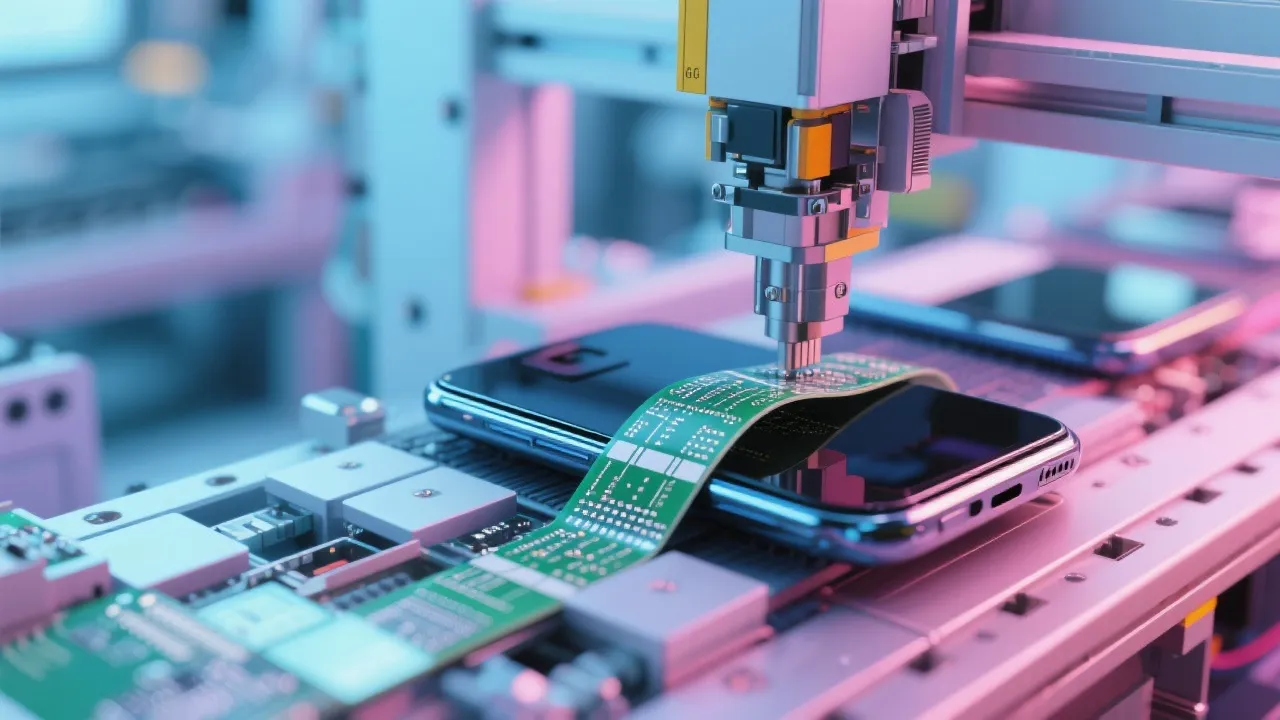
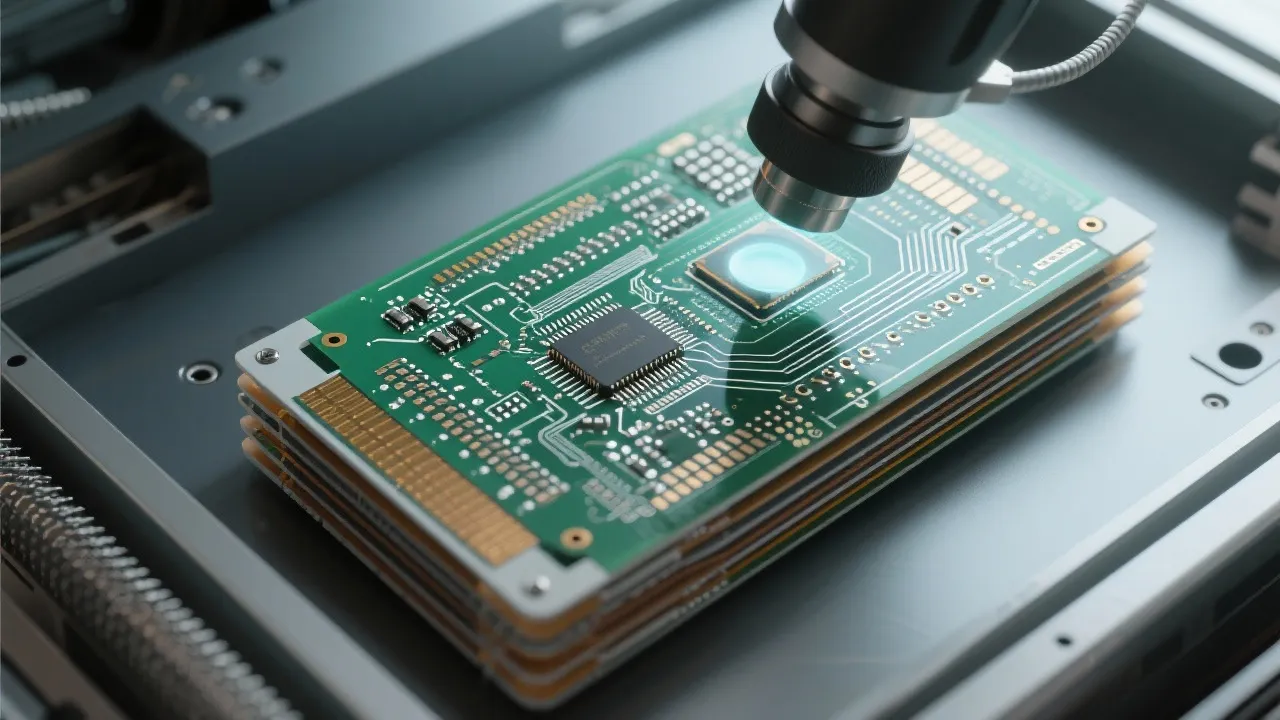
The manufacturing of four-layer PCBs with 4-ounce copper thickness presents unique technical challenges that require advanced manufacturing capabilities. Achieving uniform copper distribution across all layers while maintaining precise dielectric thickness and controlled impedance demands state-of-the-art production facilities and stringent process controls.
| Parameter | Specification | Industrial Standard |
|---|---|---|
| Copper Thickness | 4 oz (140μm) | 1-2 oz typical |
| Minimum Line Spacing | 0.3mm (12mil) | 0.4mm+ typical |
| Minimum Hole Diameter | 0.5mm (20mil) | 0.8mm+ typical |
| Impedance Control | ±10% | ±15% typical |
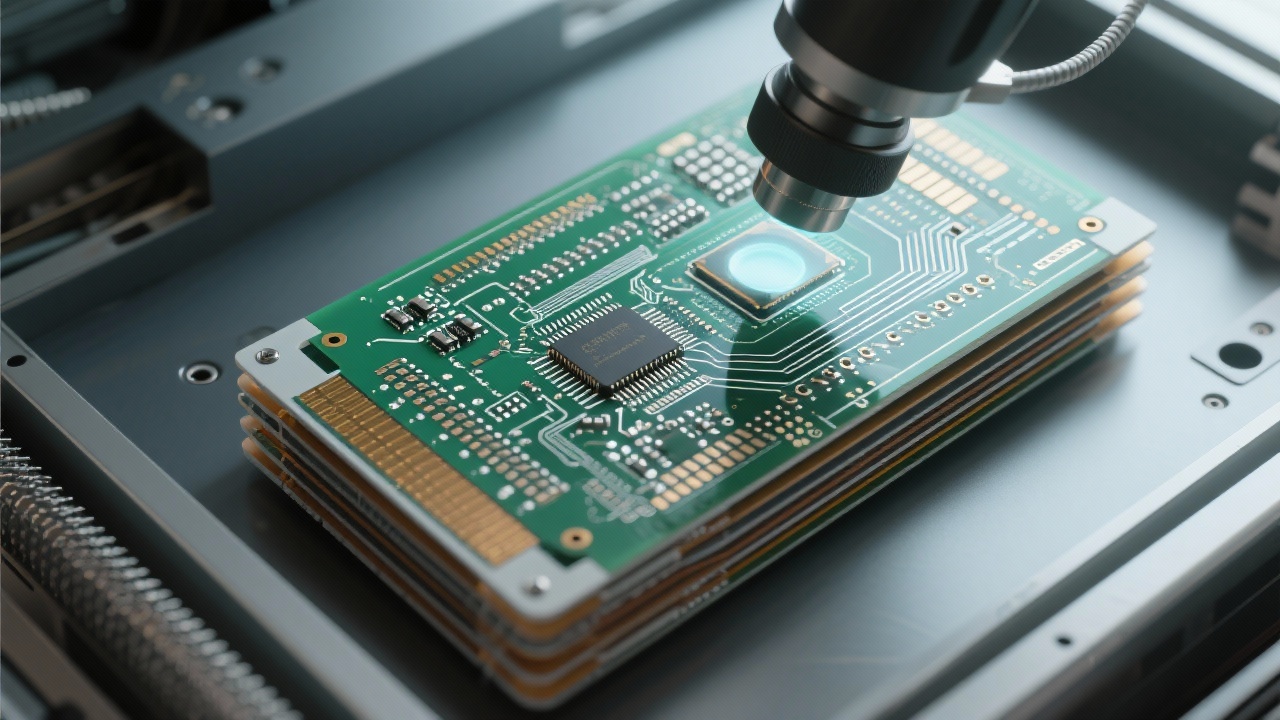
The combination of high Tg FR-4 material, ENIG surface finish, and thick copper construction delivers measurable performance advantages in real-world power electronics applications. These PCBs have become the preferred choice for demanding environments where reliability and longevity are critical factors.
In 3-phase industrial power supplies rated at 5000W and above, the use of four-layer thick copper PCBs has resulted in a 22% reduction in operating temperature and a 40% increase in MTBF (Mean Time Between Failures) compared to conventional PCB designs, according to case studies from leading power supply manufacturers.
Variable frequency drives (VFDs) for industrial motors benefit significantly from the improved heat dissipation and current handling capabilities of thick copper PCBs. Field data shows that VFDs utilizing 4-ounce copper PCBs maintain stable performance under load variations up to 150% of rated capacity, with minimal thermal drift.
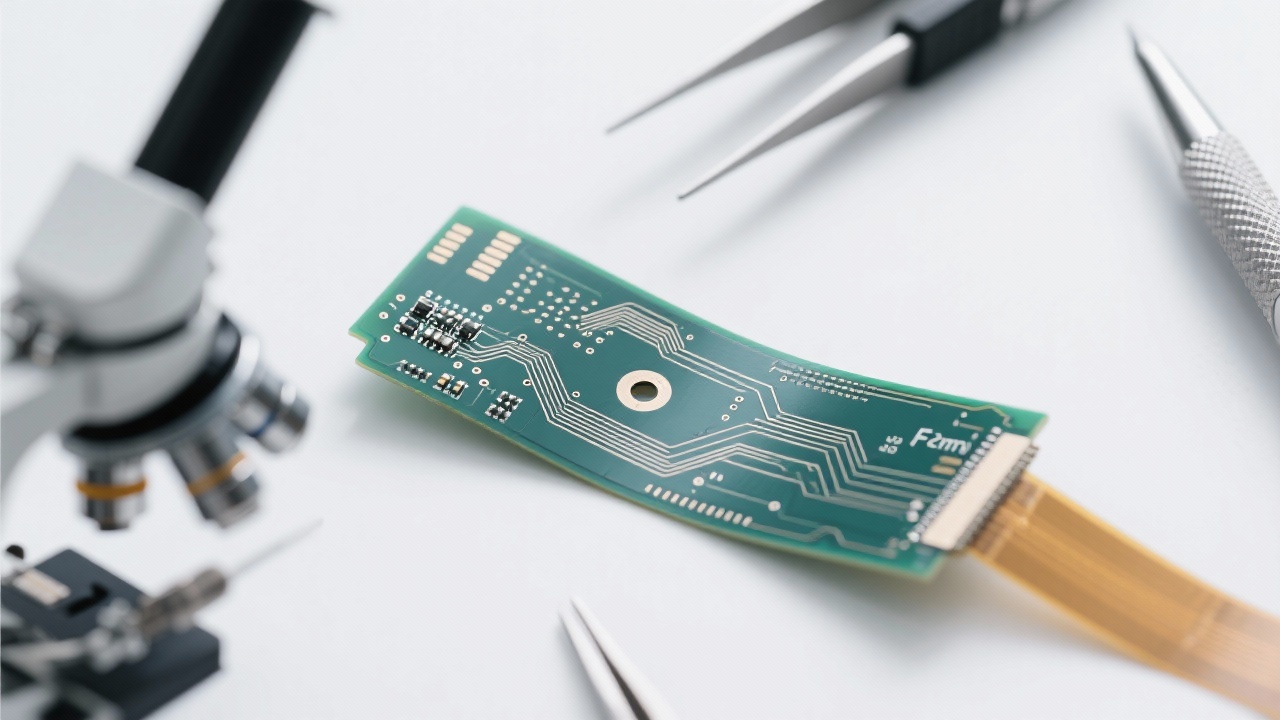
When specifying PCBs for power electronics applications, engineers must balance multiple factors including thermal management, current carrying capacity, mechanical stability, and cost. High Tg FR-4 with ENIG finish represents an optimal solution for applications where operating temperatures exceed 105°C or where reliability requirements demand superior material performance.
For power electronics designers, the key is to match PCB construction to the specific thermal and electrical requirements of the application. While thick copper PCBs involve higher material costs, the total cost of ownership often decreases due to improved reliability and reduced field failures.
Discover how our high-performance four-layer thick copper PCBs with high Tg FR-4 material and ENIG surface finish can elevate your power electronics designs.
Request Technical ConsultationAs power electronics continue to advance, the importance of PCB material selection will only grow. The combination of high Tg FR-4 and ENIG surface treatment in four-layer thick copper PCBs offers a proven solution for today's most challenging power applications, delivering the reliability and performance that modern industrial systems demand. Engineers and procurement professionals who prioritize these advanced PCB technologies position their products for success in increasingly competitive global markets.
 349
|
349
|
 High - speed multilayer PCB
Impedance control
5G communication PCB
Signal integrity
High - frequency PCB manufacturing
220
|
FPC high - density routing
Flexible circuit board design techniques
Electromagnetic compatibility optimization
High - density routing solutions
Flexible PCB manufacturing processes
402
|
four-layer thick copper PCB design
power electronics PCB thermal optimization
thick copper PCB minimum trace spacing
ENIG surface finish benefits
high Tg FR-4 applications
461
|
HDI PCB manufacturing
laser blind via technology
backdrilling control
high-density interconnect PCB
semiconductor test PCB
298
|
FPC high - density wiring
Flexible circuit board design skills
Electromagnetic compatibility optimization
Signal crosstalk protection
High - reliability FPC manufacturing
High - speed multilayer PCB
Impedance control
5G communication PCB
Signal integrity
High - frequency PCB manufacturing
220
|
FPC high - density routing
Flexible circuit board design techniques
Electromagnetic compatibility optimization
High - density routing solutions
Flexible PCB manufacturing processes
402
|
four-layer thick copper PCB design
power electronics PCB thermal optimization
thick copper PCB minimum trace spacing
ENIG surface finish benefits
high Tg FR-4 applications
461
|
HDI PCB manufacturing
laser blind via technology
backdrilling control
high-density interconnect PCB
semiconductor test PCB
298
|
FPC high - density wiring
Flexible circuit board design skills
Electromagnetic compatibility optimization
Signal crosstalk protection
High - reliability FPC manufacturing





-4.png?x-oss-process=image/resize,m_fill,h_800,w_800/format,webp)
-1.png?x-oss-process=image/resize,m_fill,h_800,w_800/format,webp)


-1.png?x-oss-process=image/resize,h_800,m_lfit/format,webp)