
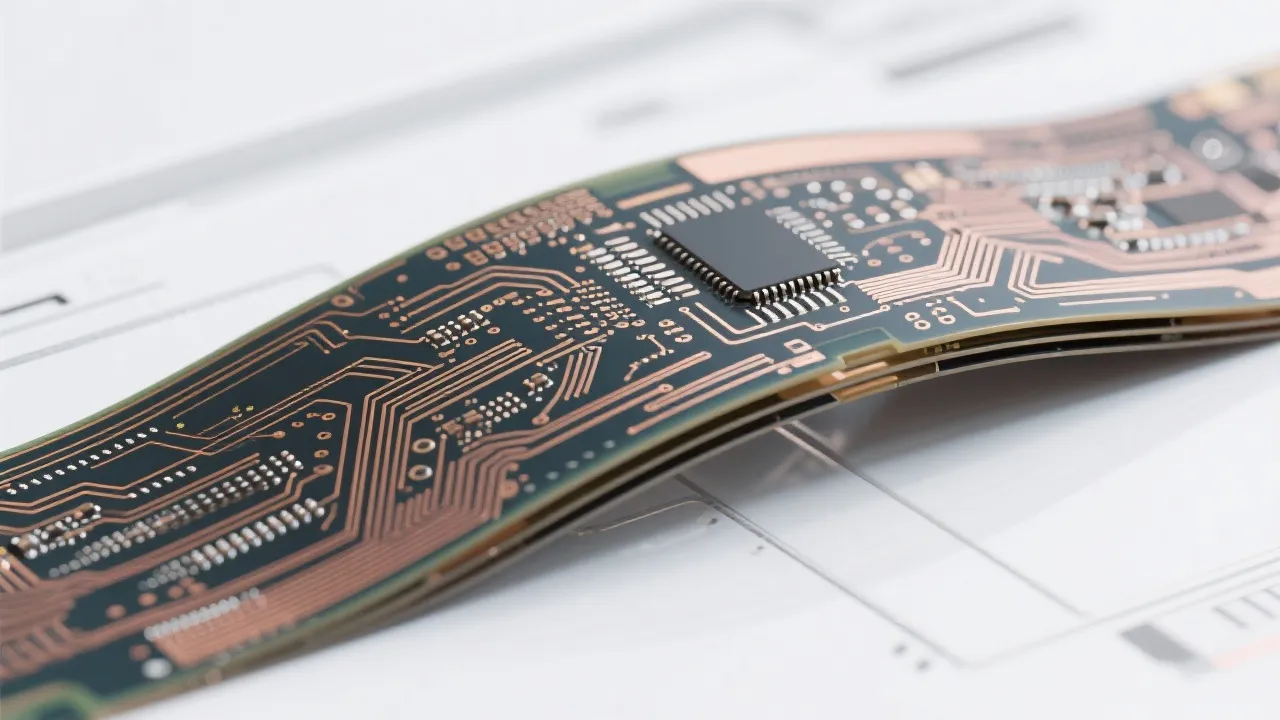
In today’s high-density industrial electronics—think medical devices, robotics, and aerospace systems—the ability to reliably produce 0.05mm line width on flexible printed circuits (FPCs) is no longer optional—it’s a baseline expectation for performance and reliability. But how do manufacturers consistently hit this micro-scale target? The answer lies in the precise coordination between optical image transfer and precision etching processes.
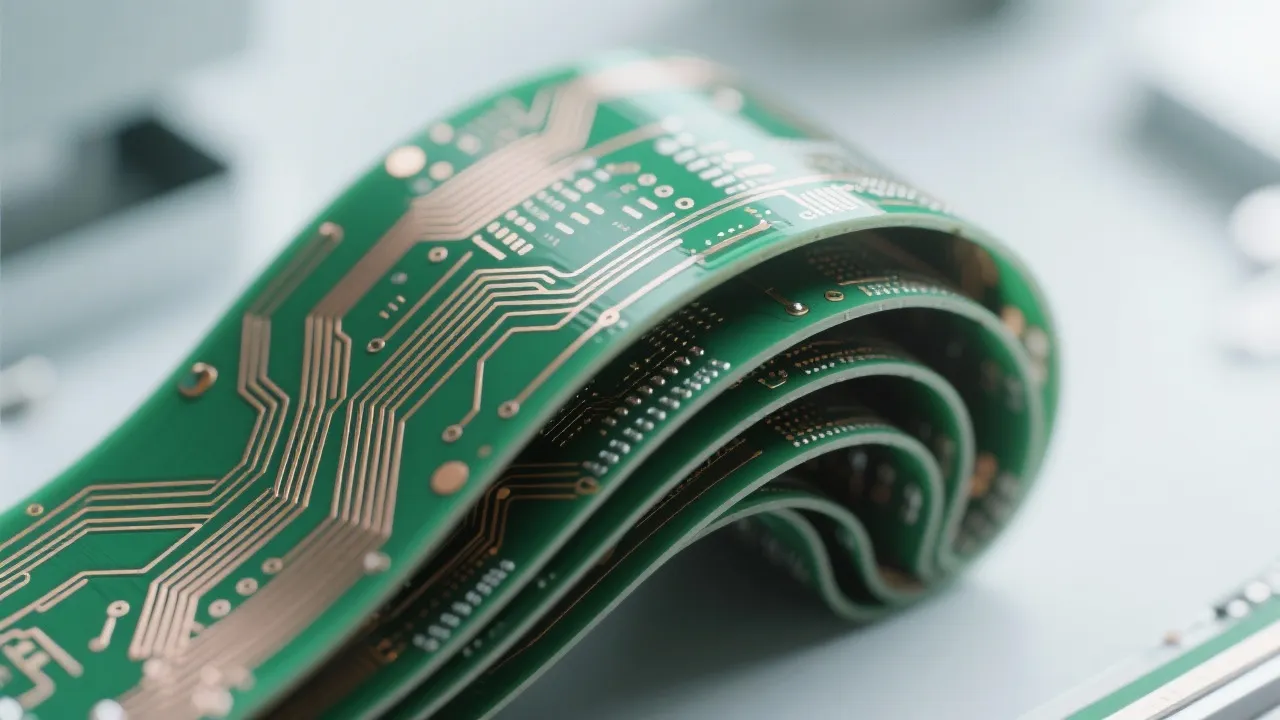
At Ruiheng PCB, we’ve seen firsthand that even minor deviations at this scale can cause signal integrity issues or mechanical failures under repeated flexing. According to IPC-2221 standards, 0.05mm represents the practical limit for reliable routing in double-layer FPCs used in harsh environments. This isn’t just about miniaturization—it’s about ensuring long-term operational stability in applications where failure is not an option.
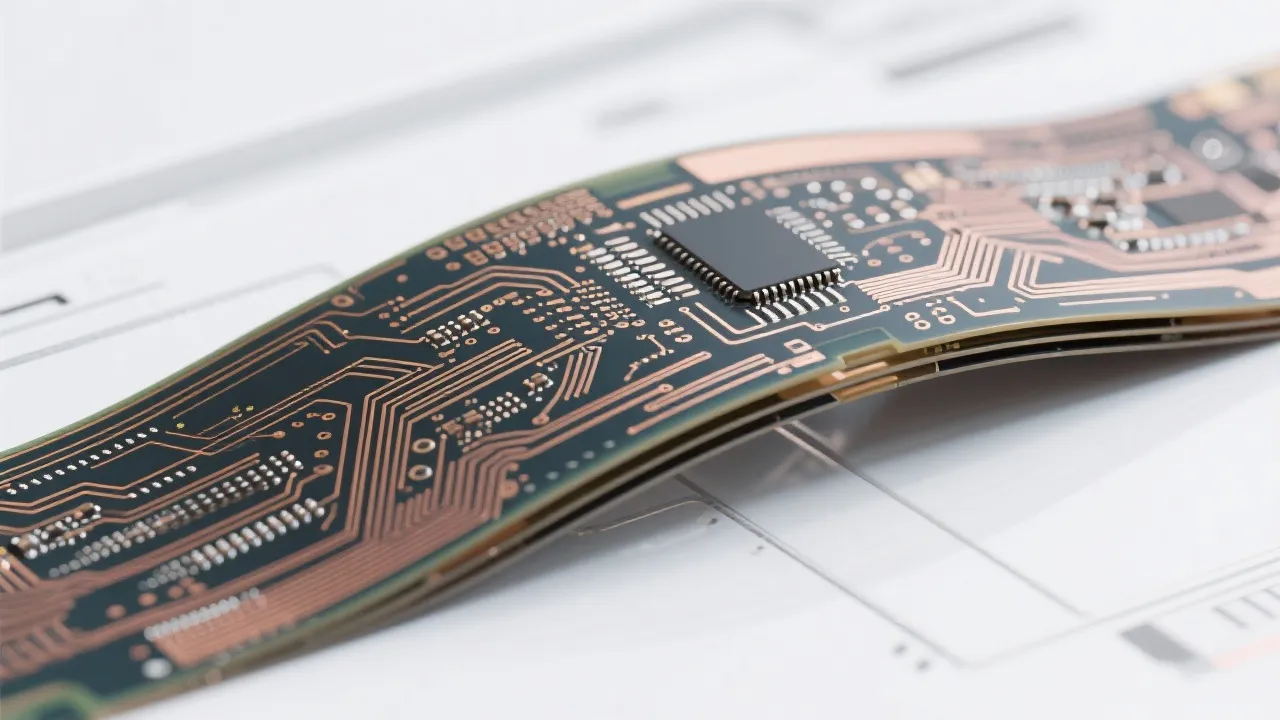
The journey begins with photomasking—a process where UV light exposes a photoresist layer through a high-resolution mask. At Ruiheng PCB, our advanced optical imaging system achieves ±2μm alignment accuracy, crucial for minimizing misregistration during fine-line patterning. Once the pattern is fixed, the next step—chemical etching—must be tightly controlled. We use a multi-stage wet etch process with temperature-regulated baths and real-time monitoring, allowing us to achieve uniformity within ±3% across the entire panel.
Here's what sets industrial-grade FPC apart from consumer-grade variants:
| Feature | Standard FPC | Ruiheng Industrial FPC |
|---|---|---|
| Min Line Width | 0.1mm | 0.05mm |
| Bend Life (Double Layer) | 50K cycles | 150K+ cycles |
| Surface Finish | HASL | ENIG |
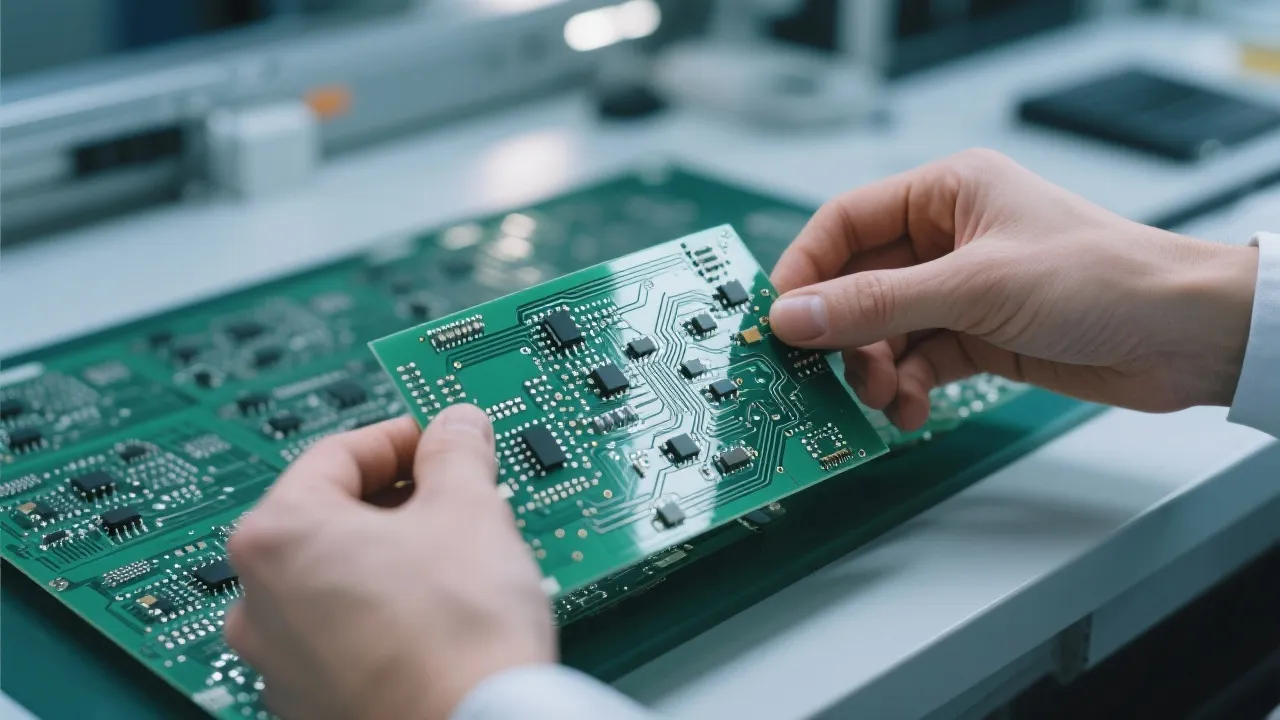
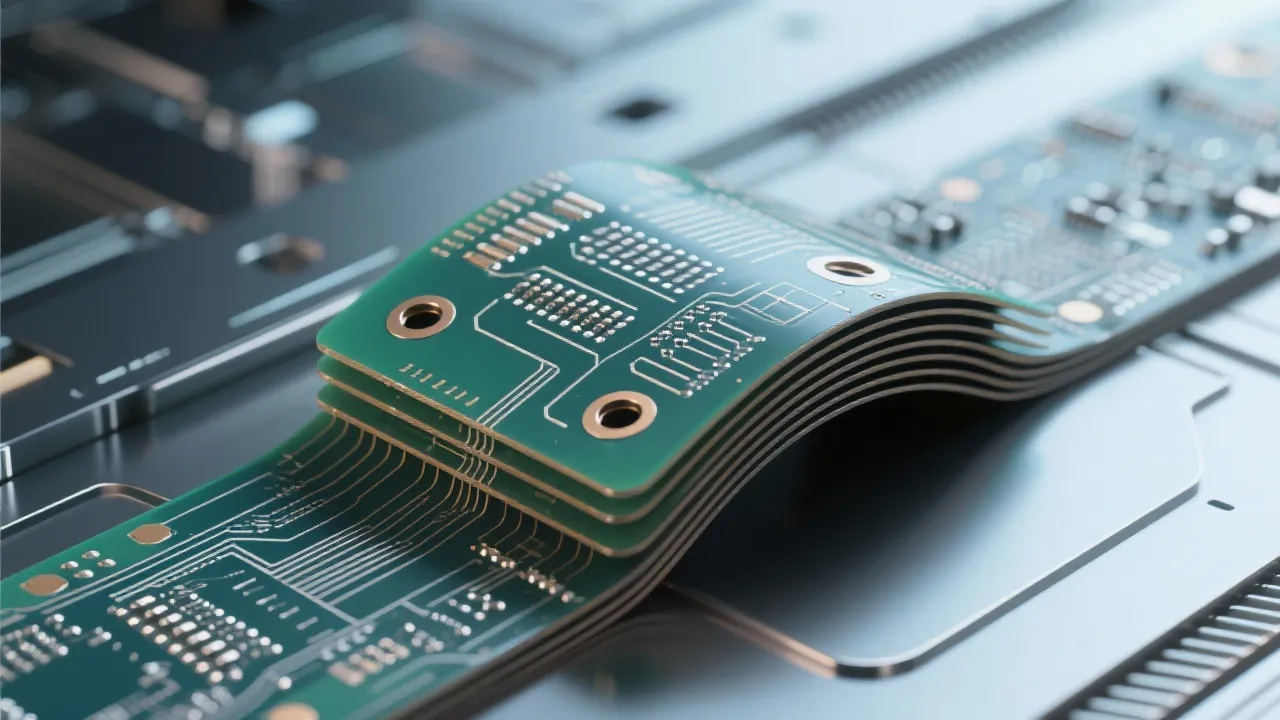
While manufacturing precision is critical, design choices also play a role. For example, edge protection via lamination layers improves durability in dynamic bending scenarios. And when it comes to surface finishes, ENIG (Electroless Nickel Immersion Gold) remains the top choice for industrial applications due to its excellent solderability, wear resistance, and compatibility with fine-pitch components—especially important for SMT assembly lines.
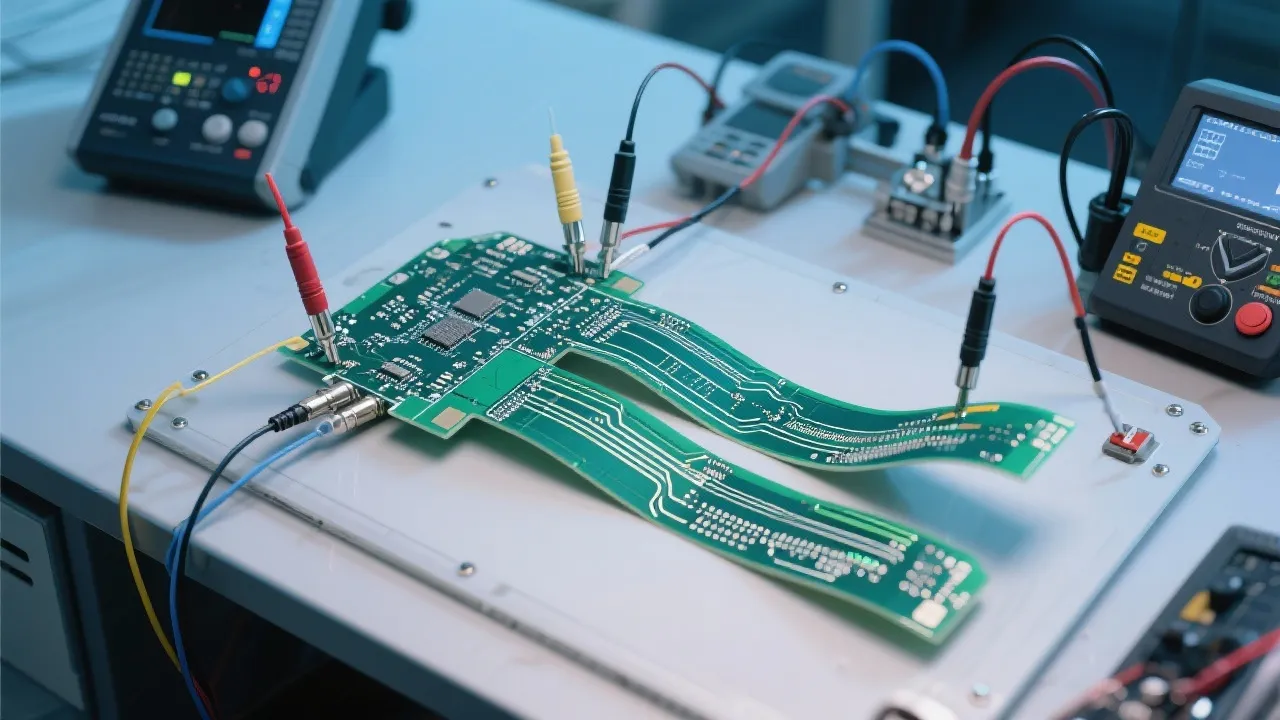
Our DIP+SMT assembly capabilities further reduce debugging time by up to 60% compared to third-party vendors, thanks to integrated test protocols and rapid prototyping support. Whether you're designing a compact wearable or a rugged IoT device, Ruiheng PCB delivers both technical excellence and operational efficiency.
Download our free whitepaper: “Industrial FPC Selection Guide: From Design to Production”, packed with real-world case studies, material specs, and best practices.
Explore Industrial FPC Solutions 305
|
305
|
 High - frequency PCB impedance control
High - speed multilayer PCB design
Signal integrity optimization
5G base station PCB
High - performance dielectric materials
66
|
FPC manufacturing defects
FPC bend cracking
FPC solder joint reliability
SMT reflow profile optimization
edge reinforcement design for flexible PCB
317
|
high-density FPC routing
flexible PCB design
EMI optimization
medical FPC
consumer electronics FPC
300
|
high-tg fr-4 pcb
thick copper pcb
power electronics pcb
enig surface finish
impedance controlled pcb
169
|
HDI board manufacturing process
0.1mm blind hole control
0.5mm back - drilling technology
Semiconductor test PCB
Precision circuit board production
High - frequency PCB impedance control
High - speed multilayer PCB design
Signal integrity optimization
5G base station PCB
High - performance dielectric materials
66
|
FPC manufacturing defects
FPC bend cracking
FPC solder joint reliability
SMT reflow profile optimization
edge reinforcement design for flexible PCB
317
|
high-density FPC routing
flexible PCB design
EMI optimization
medical FPC
consumer electronics FPC
300
|
high-tg fr-4 pcb
thick copper pcb
power electronics pcb
enig surface finish
impedance controlled pcb
169
|
HDI board manufacturing process
0.1mm blind hole control
0.5mm back - drilling technology
Semiconductor test PCB
Precision circuit board production







-4.png?x-oss-process=image/resize,m_fill,h_800,w_800/format,webp)


-1.png?x-oss-process=image/resize,m_fill,h_800,w_800/format,webp)