
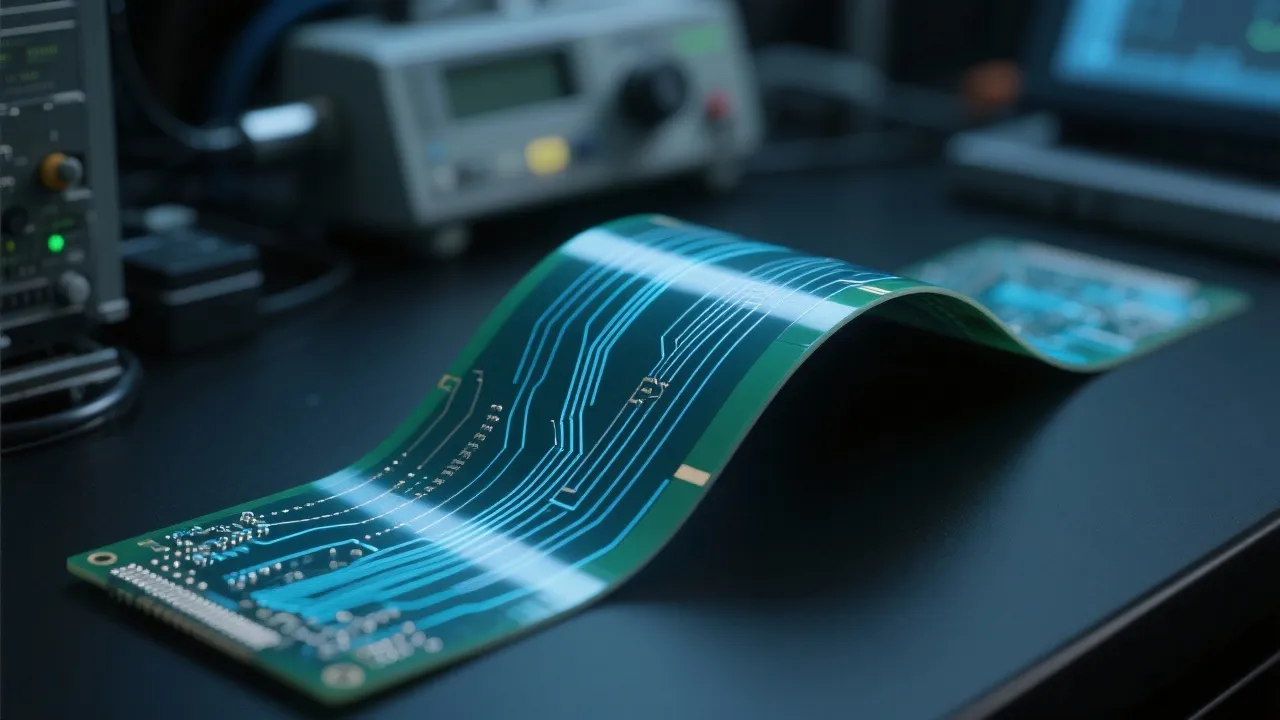
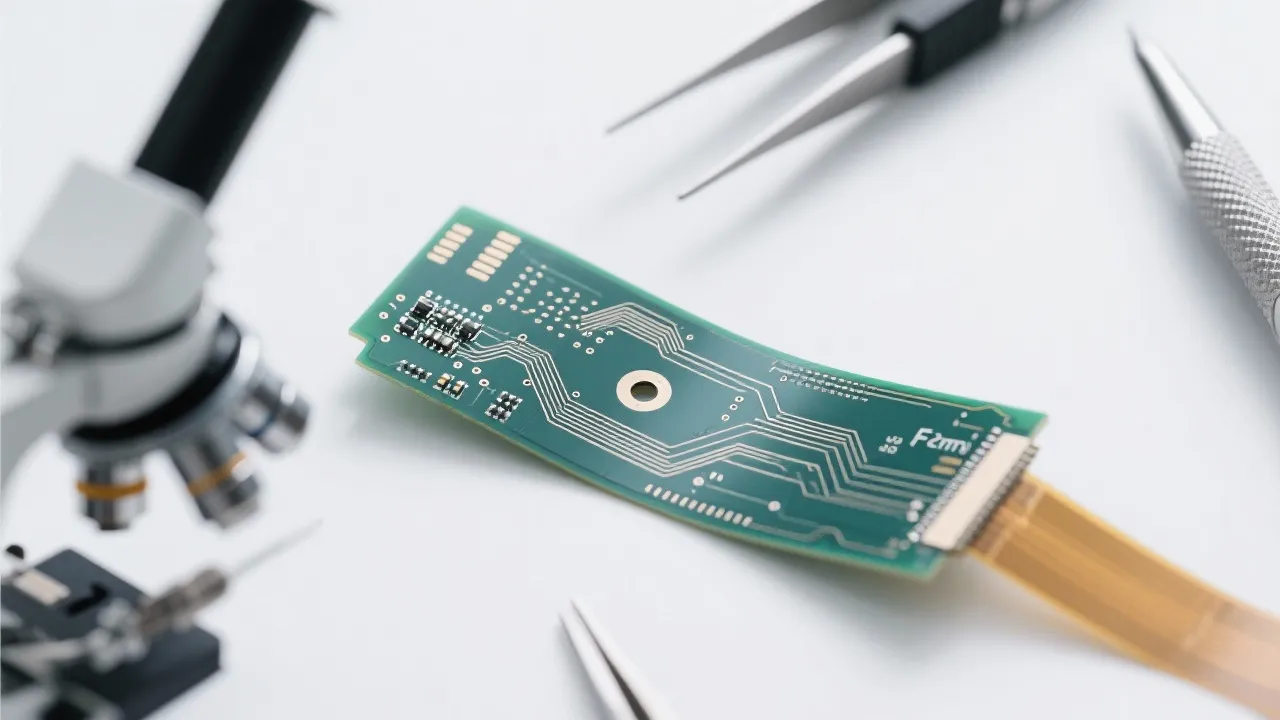
In high-density electronics like medical devices, automotive sensors, and 5G modules, even minor deviations in flexible printed circuit (FPC) line width can cause signal crosstalk or complete functional failure. For engineers pushing the limits of miniaturization, achieving consistent 0.05mm minimum line width and spacing isn't just a goal—it's a requirement.
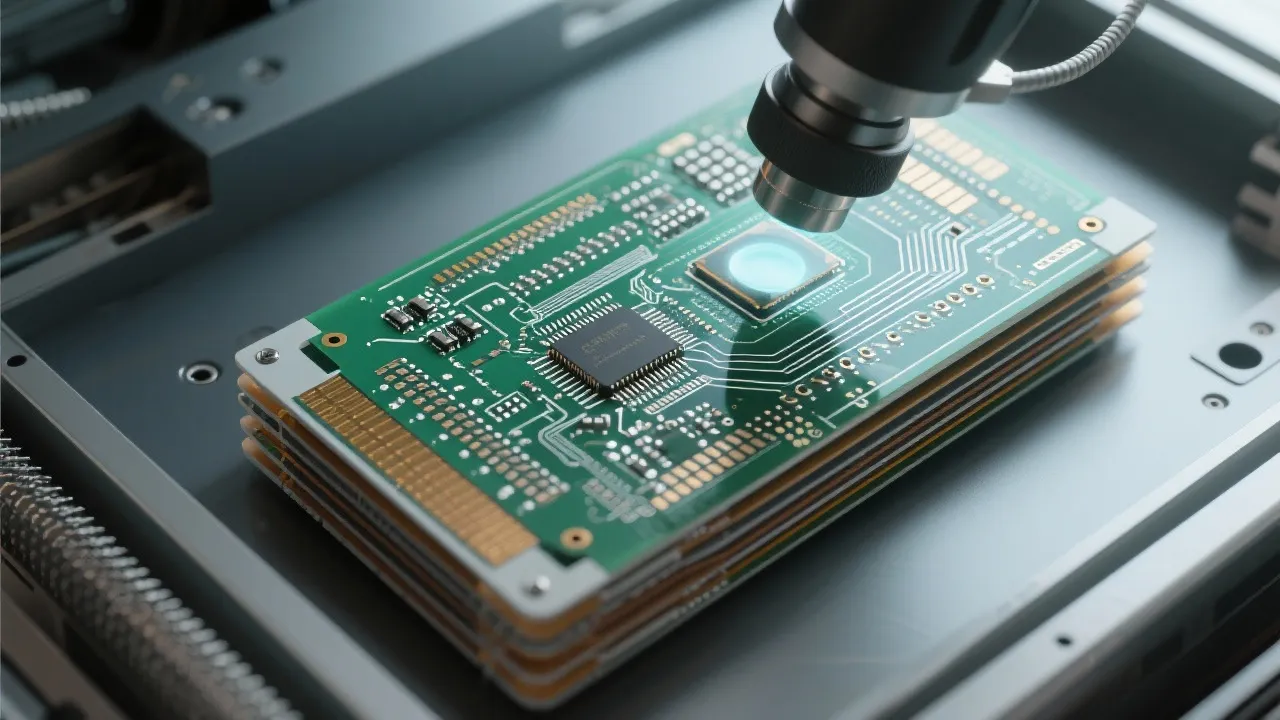
The foundation of micro-scale FPC fabrication lies in optical image transfer—a process where photomasks are projected onto copper-clad laminates using UV exposure systems. According to IPC-2221 standards, a typical industrial-grade setup achieves ±5μm tolerance at 0.05mm features. This precision is critical when designing for frequencies above 6 GHz, where impedance control becomes paramount.
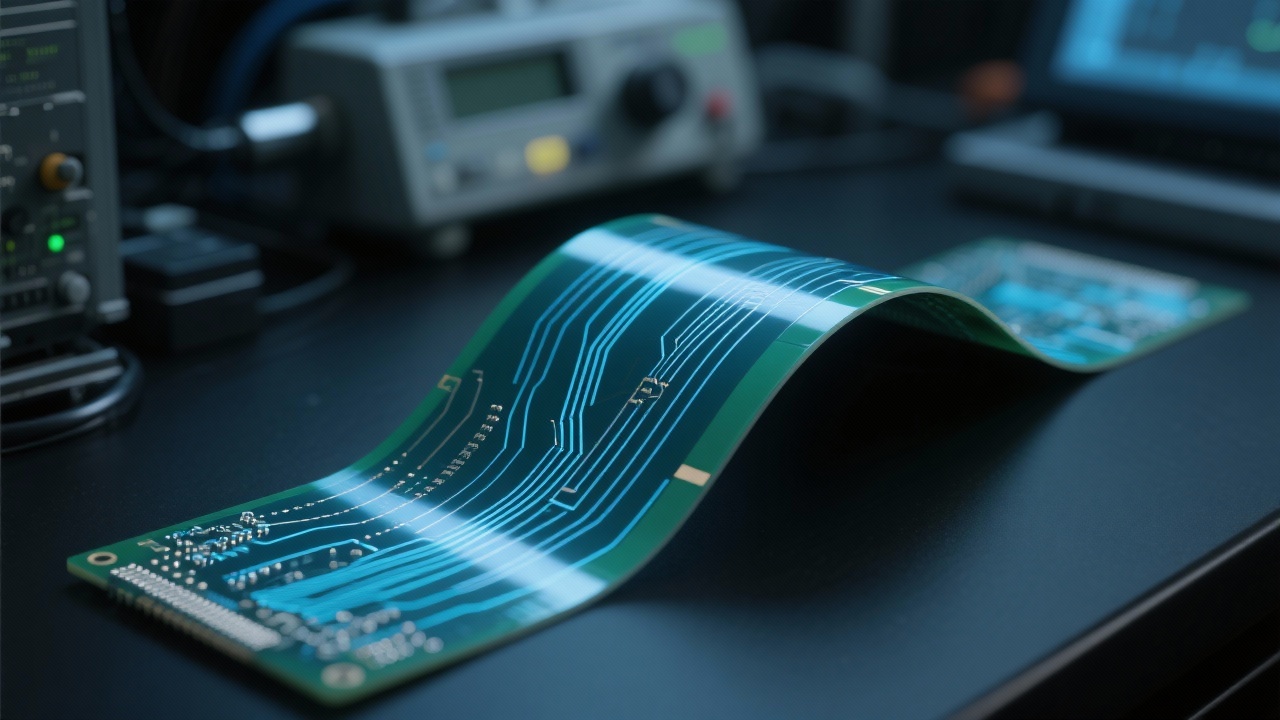
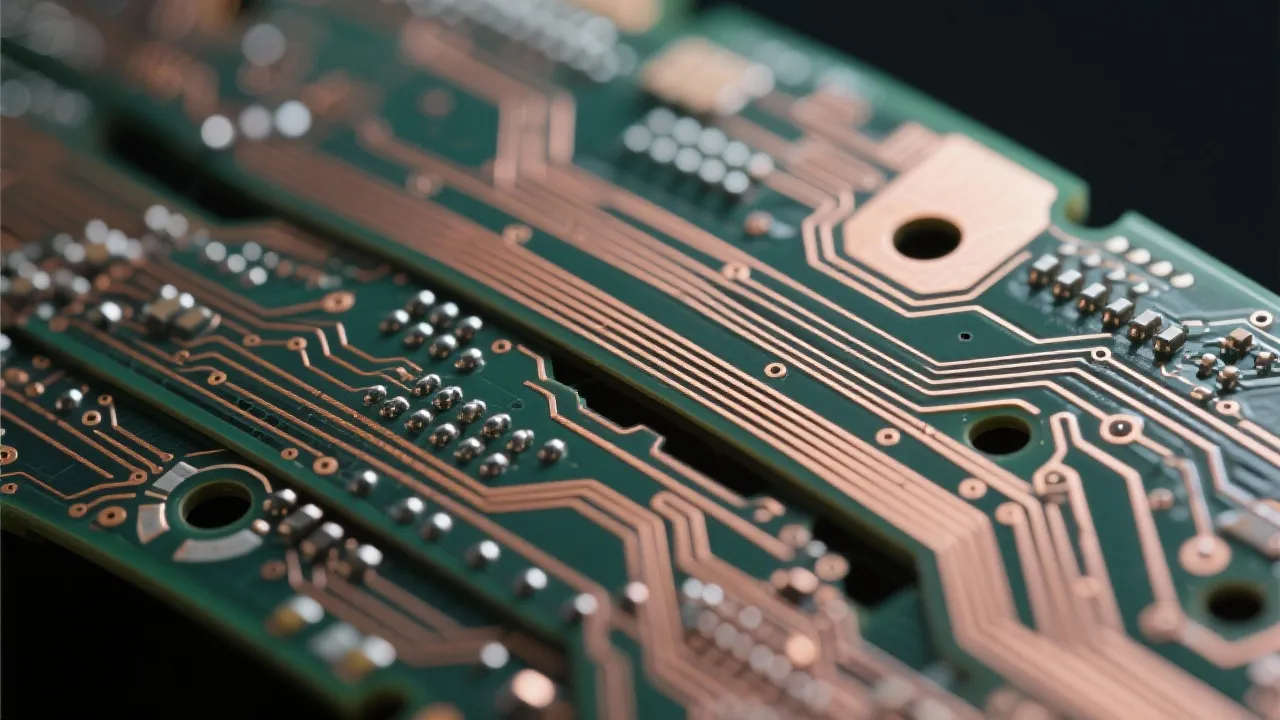
Once the pattern is transferred, precise chemical etching ensures minimal undercutting. At Ruiheng PCB, our proprietary multi-stage etch bath system maintains uniformity across entire panels—reducing variation from ±10% to under ±3%. This level of control directly impacts yield rates: one client reported a 17% reduction in rework after switching to our process flow.
Pro Tip: When specifying FPC designs, always include a 0.1mm clearance between adjacent traces—even if your design allows tighter spacing—to account for real-world manufacturing variance.
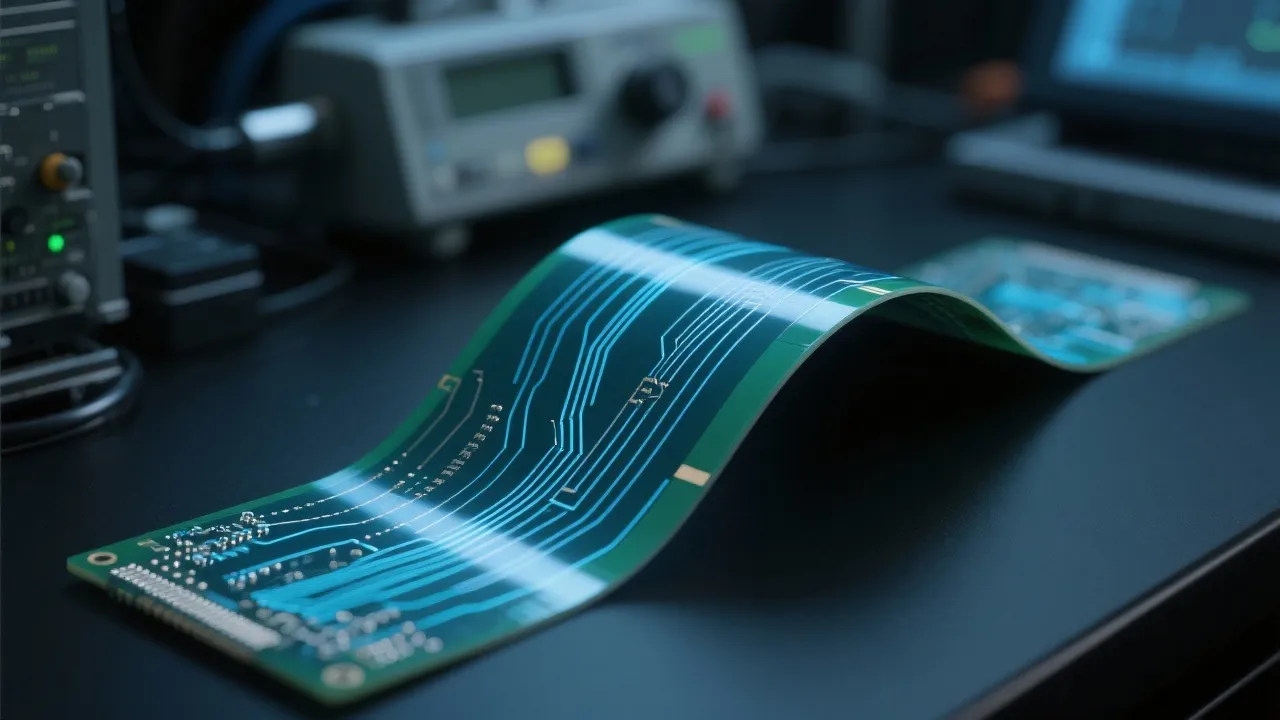
For applications requiring repeated flexing—such as foldable smartphones or wearable tech—the choice of surface finish significantly affects long-term reliability. While immersion tin may offer lower cost, ENIG (Electroless Nickel Immersion Gold) provides superior solderability, corrosion resistance, and mechanical durability. Industry data shows ENIG-treated boards maintain >95% bond strength after 50,000 bend cycles—far exceeding alternatives.
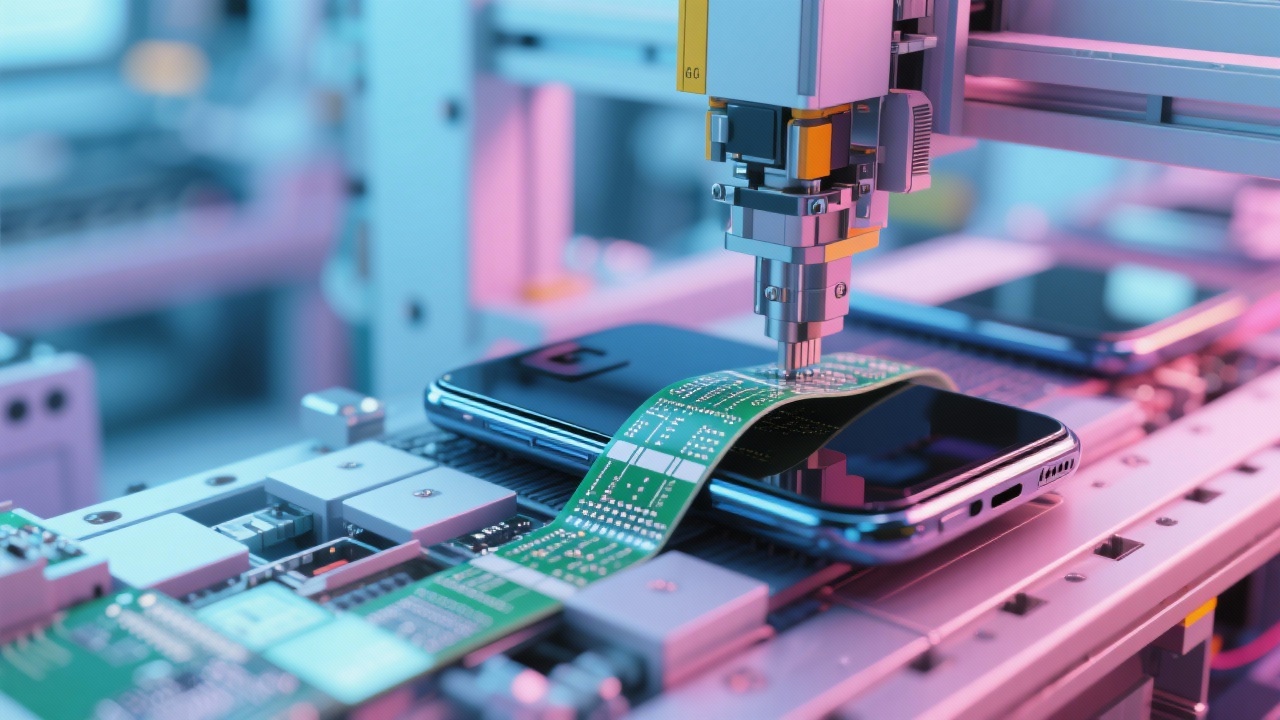
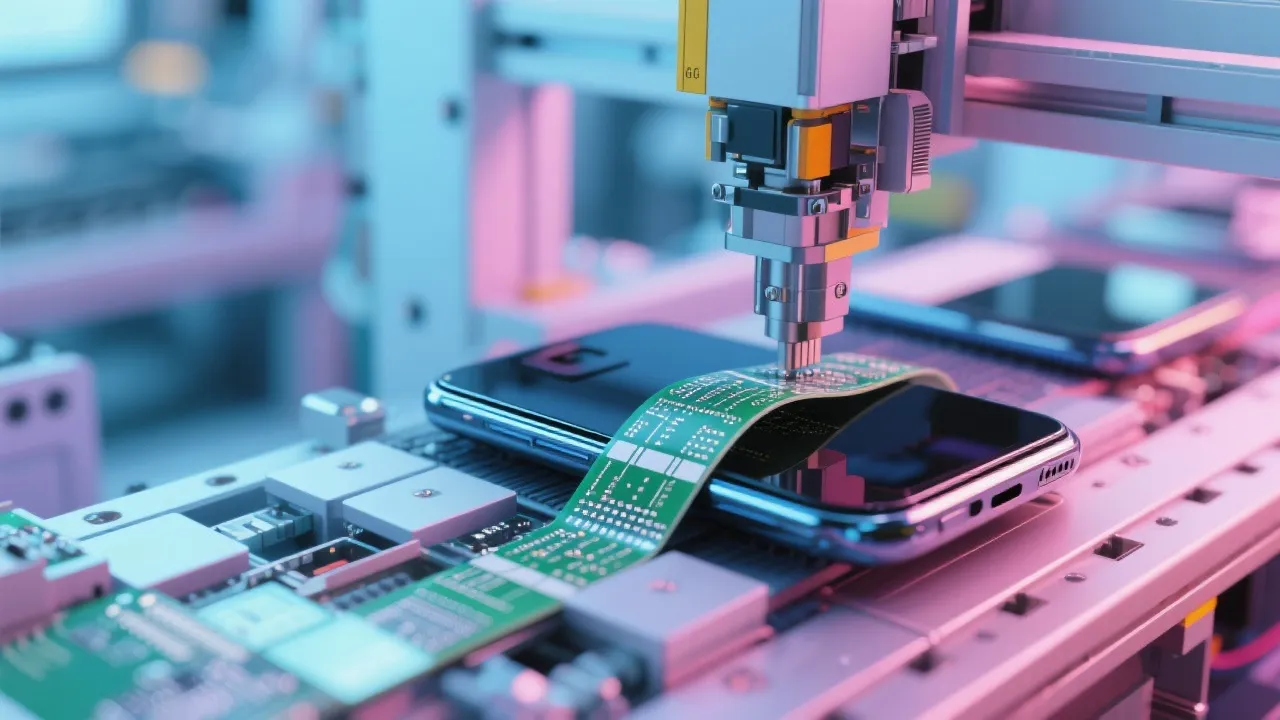
Many companies still separate FPC fabrication from DIP+SMT assembly, leading to delays during prototyping. With integrated capabilities—from layout review to full test verification—Ruiheng PCB reduces debugging time by up to 40%. One customer in the IoT sector cut their first production run from 12 weeks to 7 simply by working with a single supplier who understands both design intent and manufacturability.
“We used to lose 3–5 days per iteration just coordinating between vendors. Now we get feedback within 24 hours.” — Senior Design Engineer, MedTech Startup
Ready to explore how Ruiheng PCB’s precision engineering can support your next-generation FPC project?
Download Our Industrial FPC Design Guide 358
|
358
|
 high-density flexible PCB design
flexible circuit board layout optimization
electromagnetic compatibility in FPC
fine pitch PCB manufacturing
consumer electronics flexible PCB
220
|
FPC high - density routing
Flexible circuit board design techniques
Electromagnetic compatibility optimization
High - density routing solutions
Flexible PCB manufacturing processes
316
|
High-speed multilayer PCB
Impedance control technology
AOI detection
Signal integrity
5G communication PCB
479
|
HDI PCB Manufacturing
0.1mm Microvia Process
0.5mm Backdrilling Technology
PCB Microvia Formation
IPC-III Standard
325
|
FPC high - density wiring
Flexible circuit board design skills
Via design challenges
Electromagnetic compatibility optimization
Flexible PCB manufacturing process
high-density flexible PCB design
flexible circuit board layout optimization
electromagnetic compatibility in FPC
fine pitch PCB manufacturing
consumer electronics flexible PCB
220
|
FPC high - density routing
Flexible circuit board design techniques
Electromagnetic compatibility optimization
High - density routing solutions
Flexible PCB manufacturing processes
316
|
High-speed multilayer PCB
Impedance control technology
AOI detection
Signal integrity
5G communication PCB
479
|
HDI PCB Manufacturing
0.1mm Microvia Process
0.5mm Backdrilling Technology
PCB Microvia Formation
IPC-III Standard
325
|
FPC high - density wiring
Flexible circuit board design skills
Via design challenges
Electromagnetic compatibility optimization
Flexible PCB manufacturing process





-L4-4.png?x-oss-process=image/resize,m_fill,h_800,w_800/format,webp)
-4.png?x-oss-process=image/resize,m_fill,h_800,w_800/format,webp)

-1.png?x-oss-process=image/resize,m_fill,h_800,w_800/format,webp)