

When designing industrial-grade flexible printed circuits (FPCs), engineers often overlook subtle but critical factors that lead to premature failure—especially under mechanical stress or thermal cycling. According to a 2023 IPC survey, over 40% of field failures in high-reliability applications stem from improper handling during assembly rather than material defects alone.
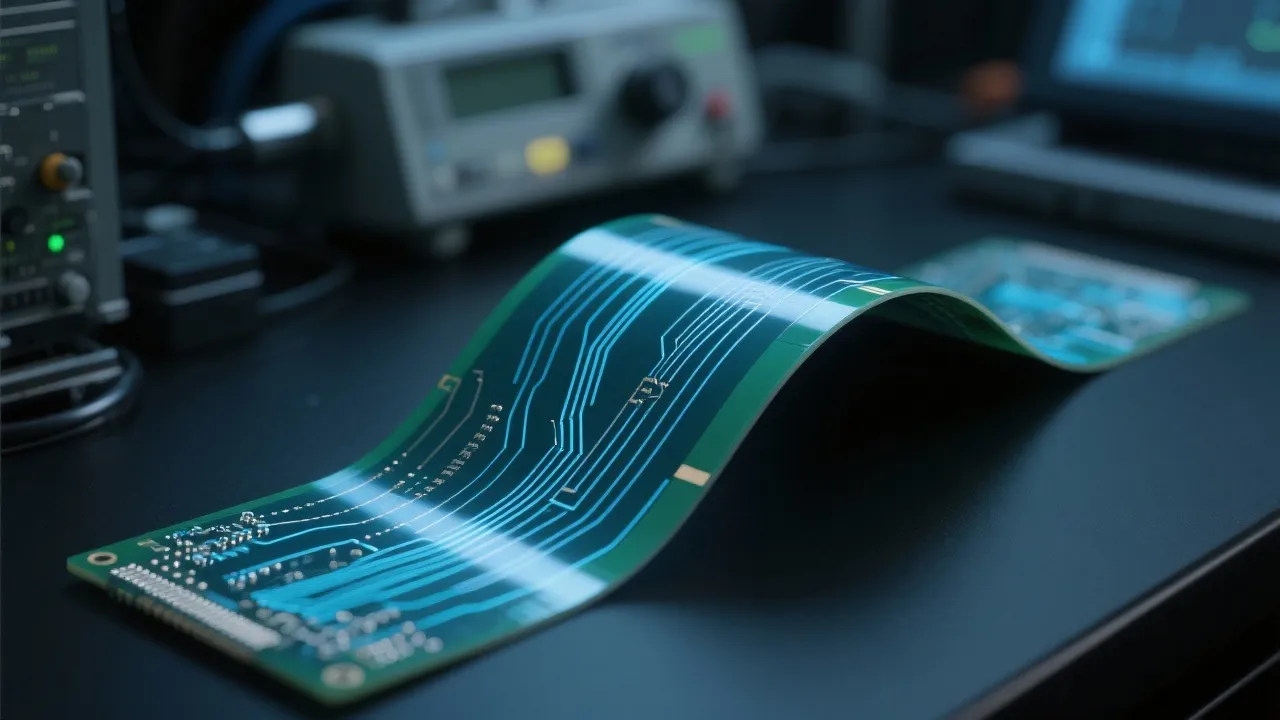
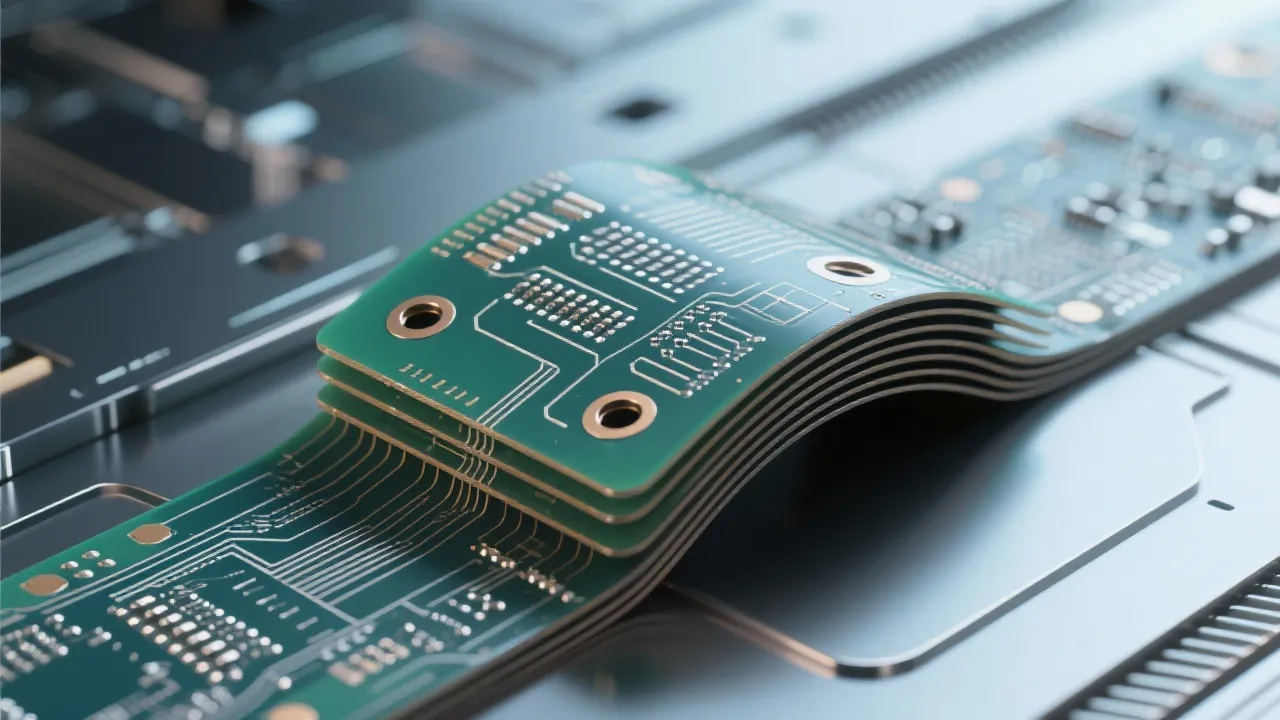
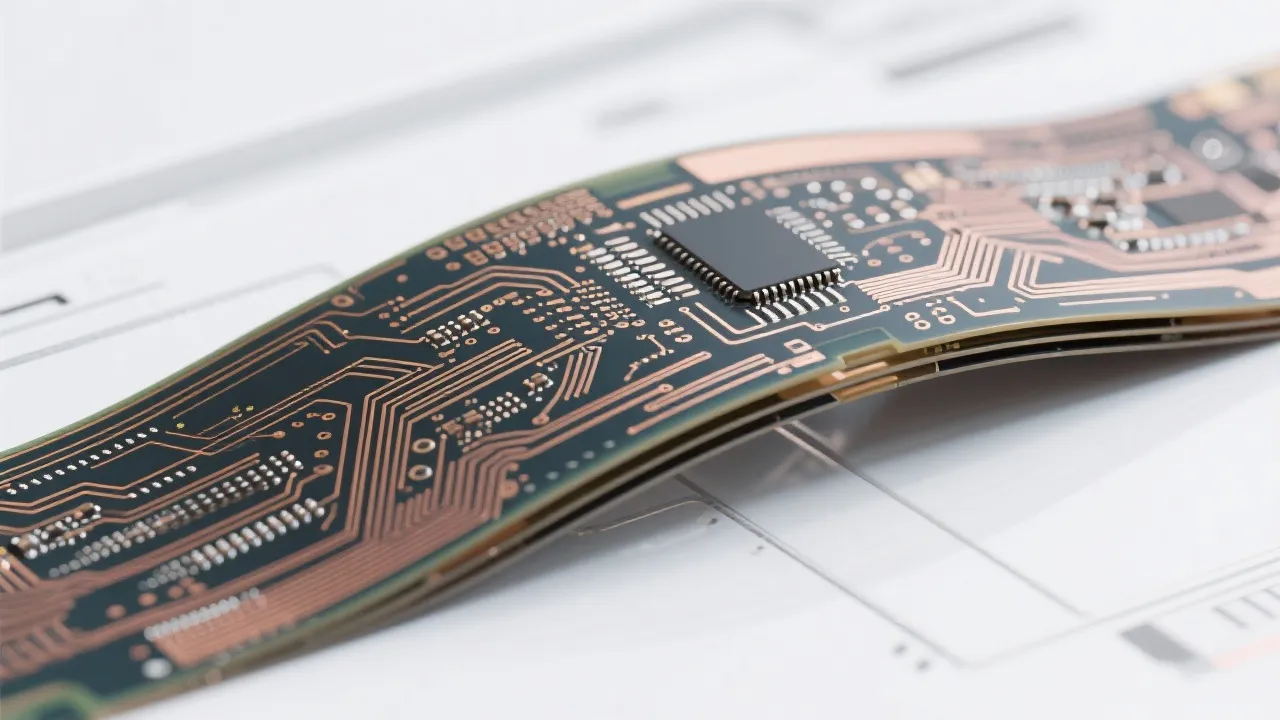
A common mistake is ignoring the role of PI (polyimide) reinforcement at bend zones. For instance, using a 0.3mm-thick PI layer around connectors reduces strain concentration by up to 60%, as validated through our internal fatigue testing on 100+ samples. Without this design consideration, repeated flexing can cause micro-cracks in copper traces—leading to intermittent signal loss or complete open circuits.
Expert Tip: Always model stress distribution using finite element analysis (FEA). We’ve seen clients save 30% on prototyping costs when they simulate bending before committing to tooling.
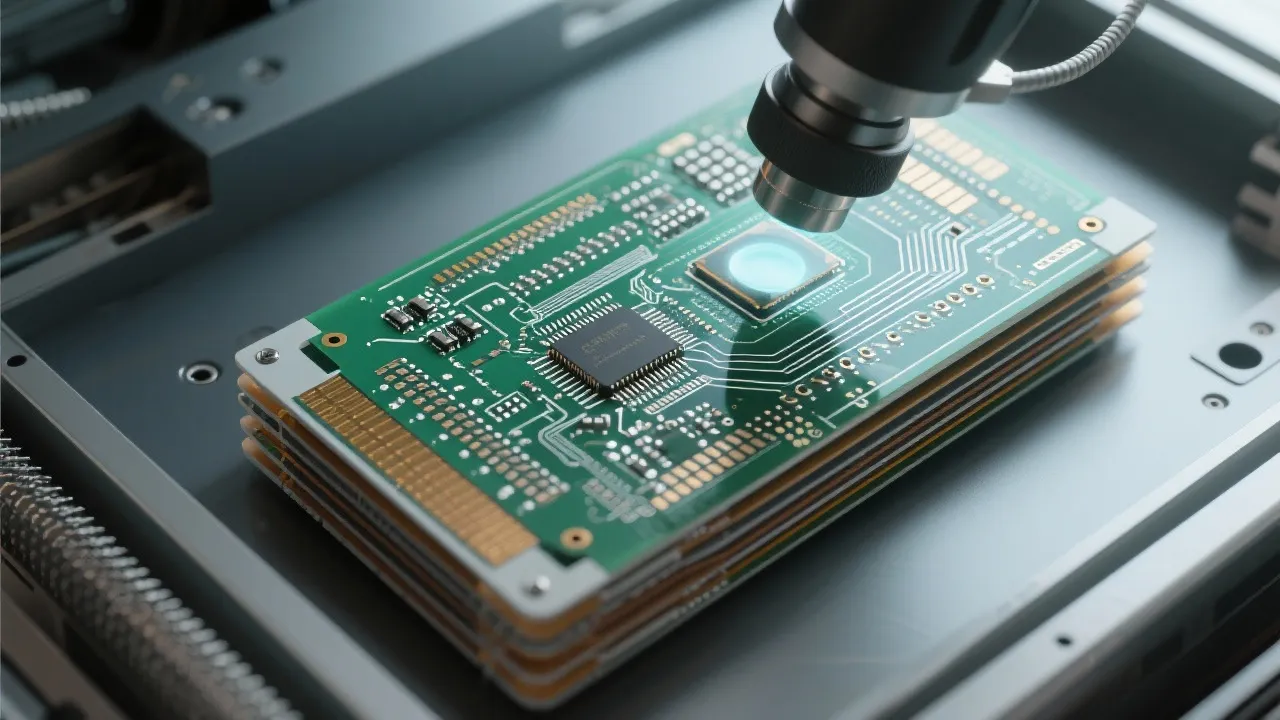
Virtual solder joints—often caused by incorrect reflow profiles—are another frequent issue. A study by Ruiheng PCB found that optimizing the temperature curve (e.g., ramp-up rate of 1.5°C/sec and peak temp at 245°C ± 5°C) reduced void formation by 70%. This not only improves electrical continuity but also ensures compliance with IPC-A-610 Class 3 standards for mission-critical devices.
We've helped over 50 industrial clients eliminate false positives in functional tests by implementing proper ENIG (Electroless Nickel Immersion Gold) surface finish—ideal for fine-pitch components and long-term reliability. Unlike OSP, ENIG resists oxidation and supports multiple rework cycles without compromising joint integrity.
Many companies still source FPC fabrication and SMT assembly separately—a strategy that increases risk and delays time-to-market. Choosing a partner like Ruiheng PCB, which offers DIP/SMT integration, allows you to reduce development time by an average of 35%, according to our client feedback data from Q1–Q3 2024.
Our test fixtures are designed to validate full functionality—not just connectivity—before shipment. In one case, we identified a hidden contact resistance issue in a medical device’s connector layout, preventing a costly recall. That’s the kind of proactive support that turns suppliers into trusted engineering partners.
CTA: Ready to build more reliable FPCs? Get a free design review from our senior engineers today → Request Your Free FPC Reliability Assessment
 340
|
340
|
 FPC high-density wiring
Flexible circuit board design skills
Electromagnetic compatibility optimization
Flexible PCB manufacturing process
High-density printed circuit board
125
|
high-density FPC layout
flexible PCB design techniques
electromagnetic compatibility optimization
signal crosstalk prevention
advanced flexible PCB manufacturing
402
|
four-layer thick copper PCB design
power electronics PCB thermal optimization
thick copper PCB minimum trace spacing
ENIG surface finish benefits
high Tg FR-4 applications
476
|
thick copper PCB etching
4oz copper PCB
high precision PCB traces
solder mask for power electronics
uniform etching process
42
|
FPC high-density wiring
Flexible circuit board design techniques
Electromagnetic compatibility optimization
High-density flexible PCB manufacturing process
Minimum hole diameter 0.2mm
FPC high-density wiring
Flexible circuit board design skills
Electromagnetic compatibility optimization
Flexible PCB manufacturing process
High-density printed circuit board
125
|
high-density FPC layout
flexible PCB design techniques
electromagnetic compatibility optimization
signal crosstalk prevention
advanced flexible PCB manufacturing
402
|
four-layer thick copper PCB design
power electronics PCB thermal optimization
thick copper PCB minimum trace spacing
ENIG surface finish benefits
high Tg FR-4 applications
476
|
thick copper PCB etching
4oz copper PCB
high precision PCB traces
solder mask for power electronics
uniform etching process
42
|
FPC high-density wiring
Flexible circuit board design techniques
Electromagnetic compatibility optimization
High-density flexible PCB manufacturing process
Minimum hole diameter 0.2mm
-1.png?x-oss-process=image/resize,h_800,m_lfit/format,webp)








-L4-4.png?x-oss-process=image/resize,m_fill,h_800,w_800/format,webp)

-1.png?x-oss-process=image/resize,m_fill,h_800,w_800/format,webp)
