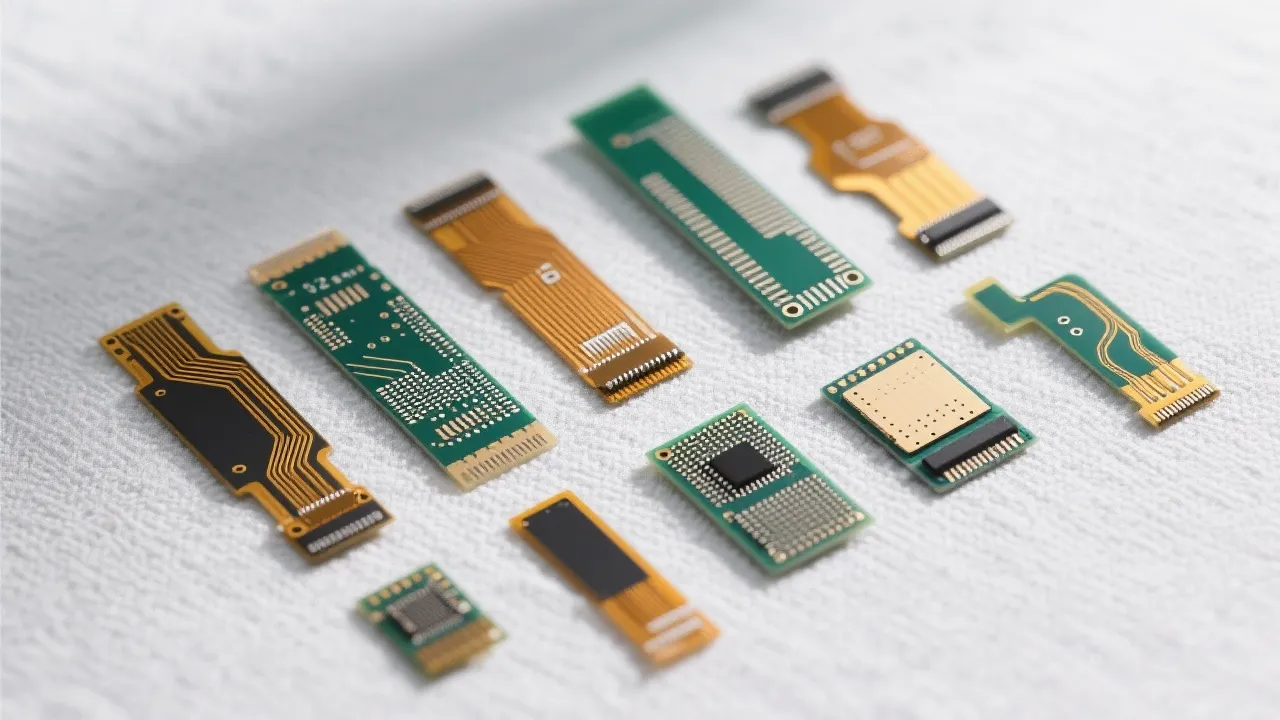
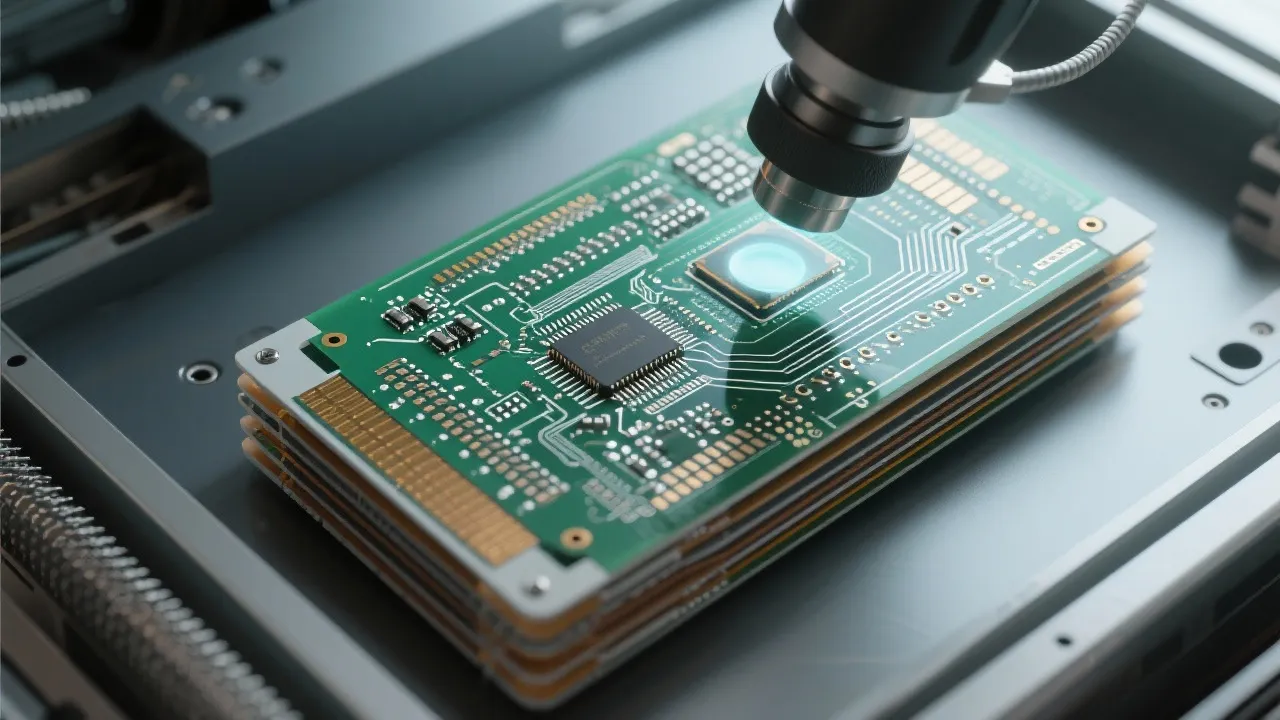
In consumer electronics manufacturing, choosing the right printed circuit board (PCB) type is critical for performance, reliability, and cost efficiency. Kunshan Ruiheng Electronic Technology specializes in both rigid FR-4 and flexible PI PCBs—each with unique material properties, structural characteristics, and application boundaries. This guide helps engineers, designers, and procurement teams make informed decisions based on technical requirements and real-world use cases.
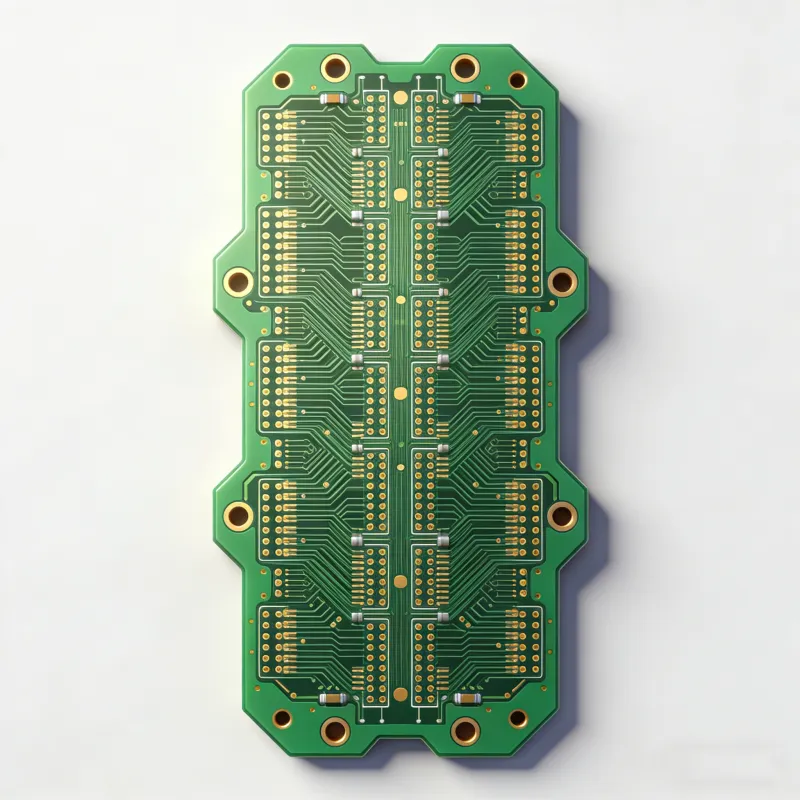
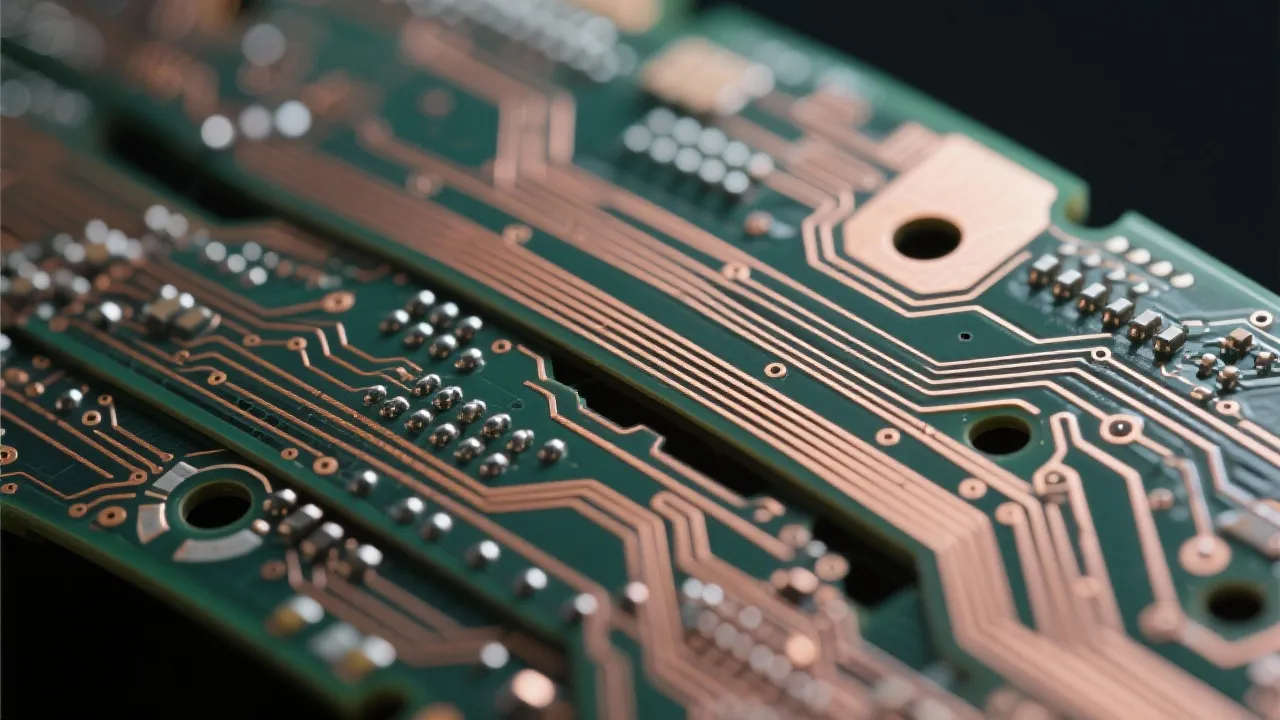
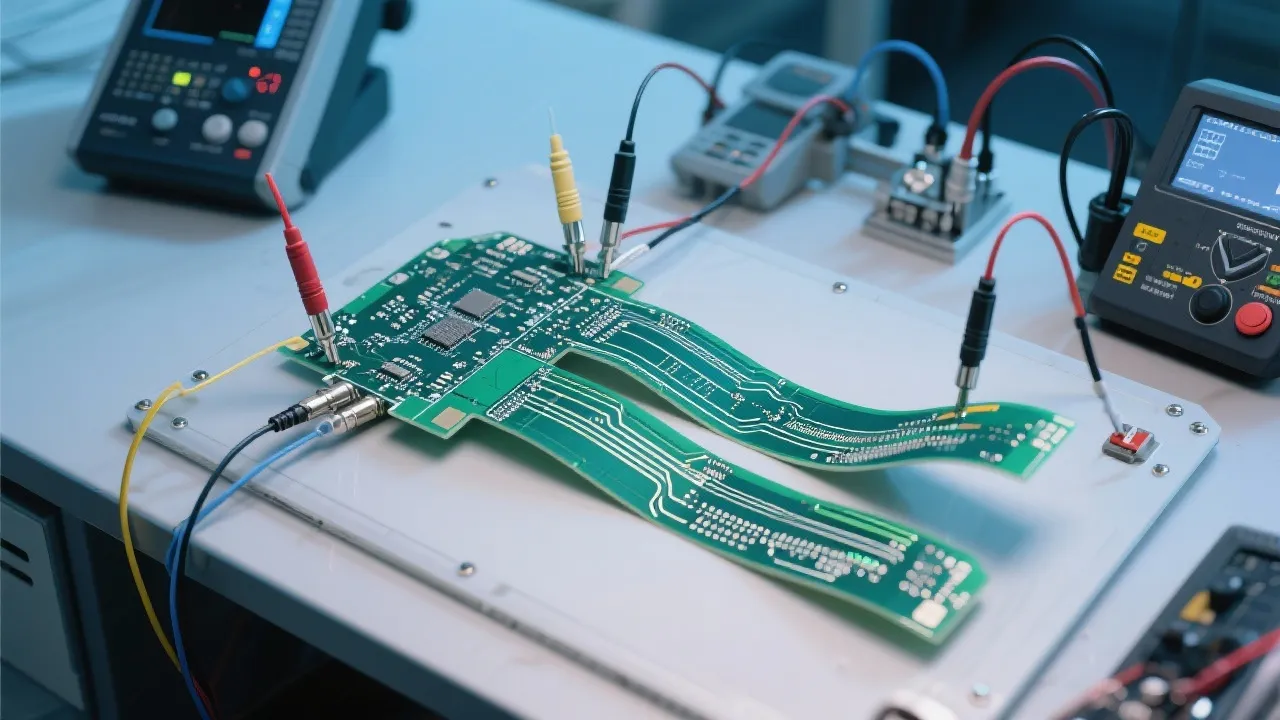
Rigid PCBs made from FR-4 (a glass-reinforced epoxy laminate) are the most common type used in consumer electronics due to their mechanical stability, electrical insulation, and cost-effectiveness. They maintain a fixed shape under load and are ideal for applications requiring high durability and consistent signal integrity.
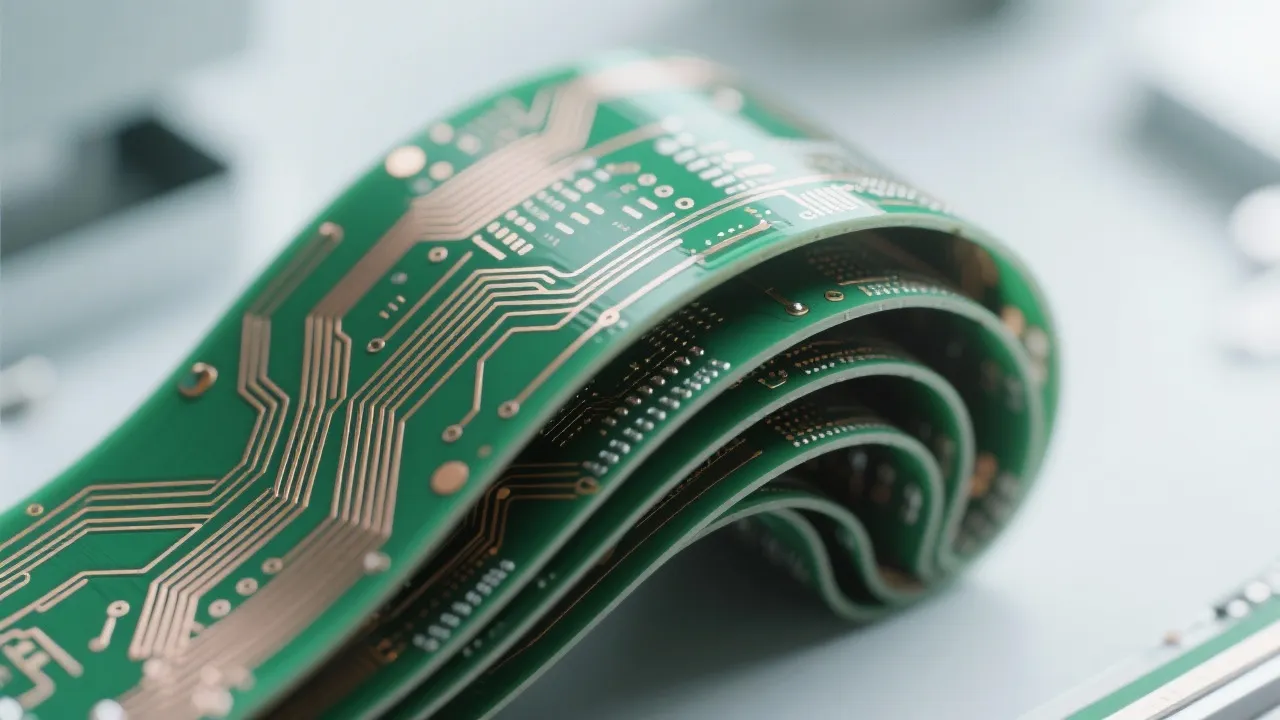
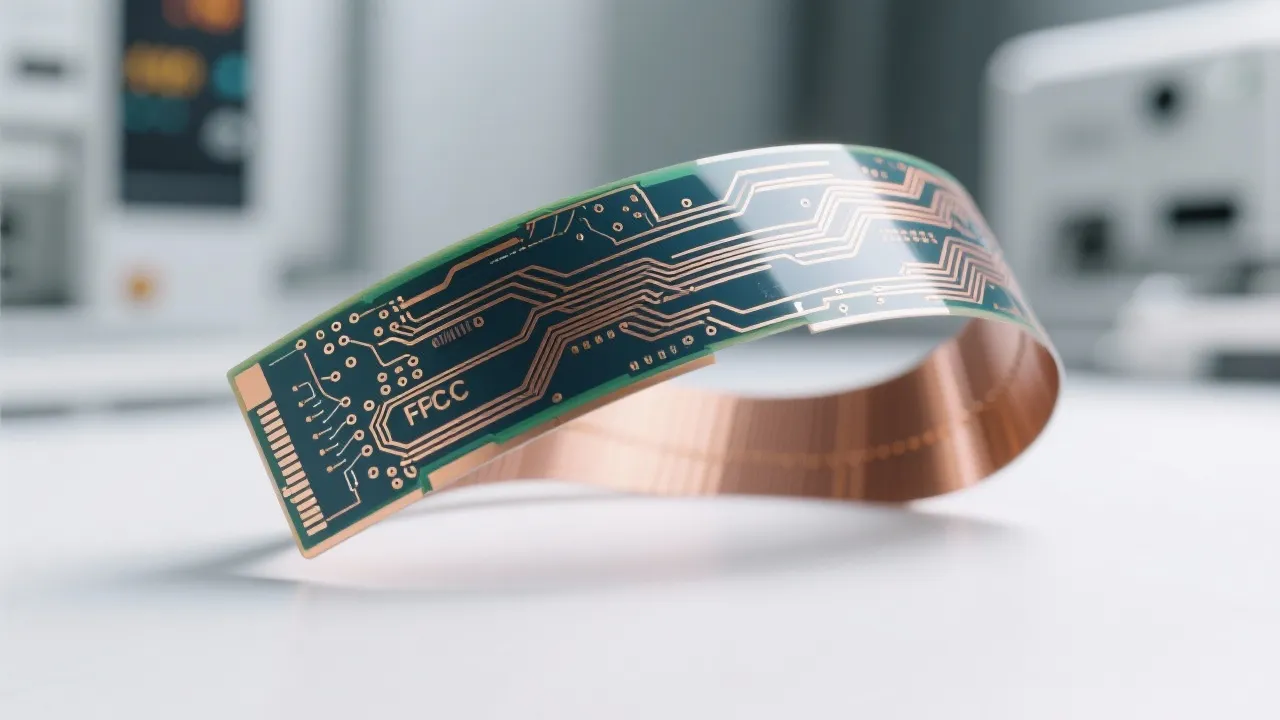
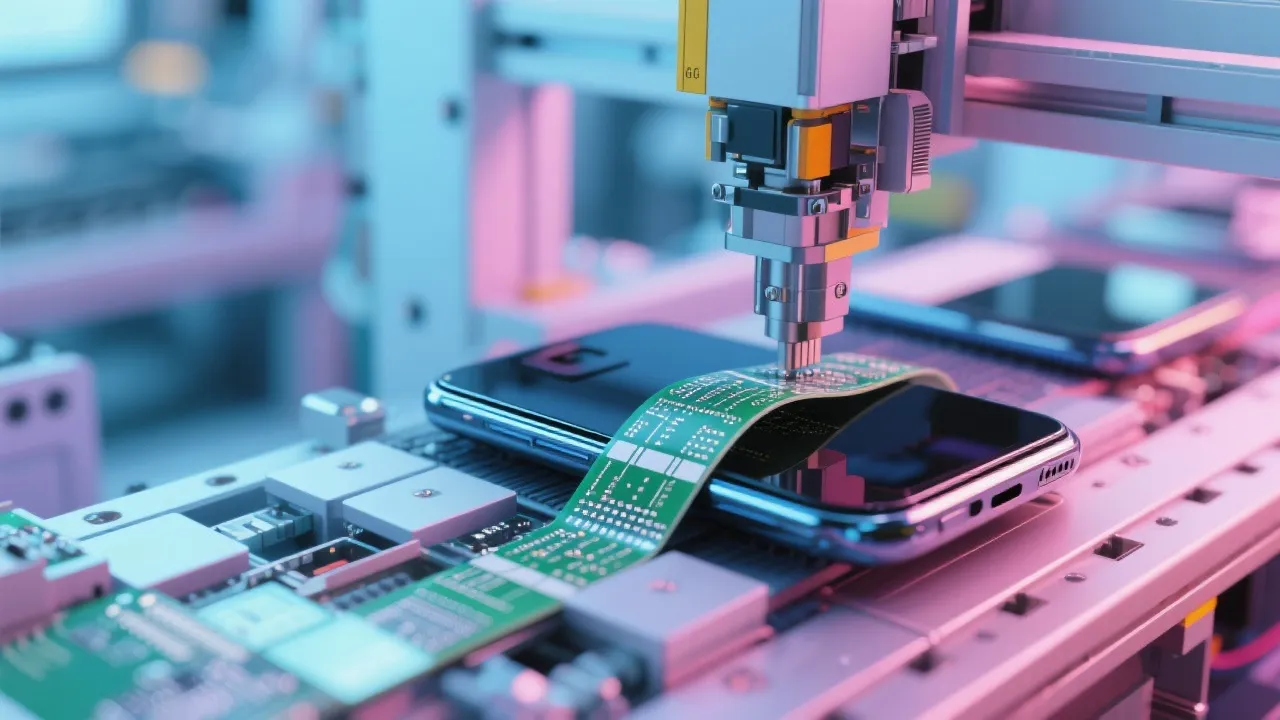
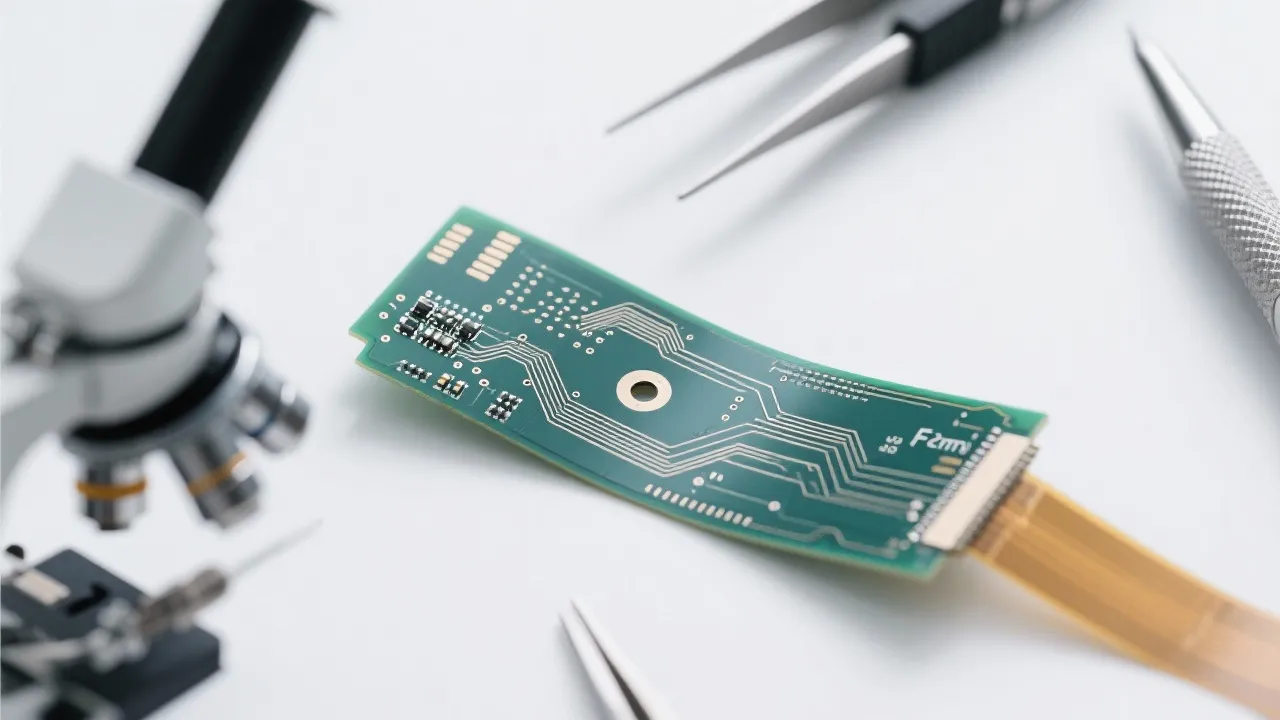
Flexible PCBs use polyimide (PI) as the base material, offering bendability, lightweight design, and space-saving capabilities. These boards are essential in compact or dynamic devices where movement, flexibility, or miniaturization is required.
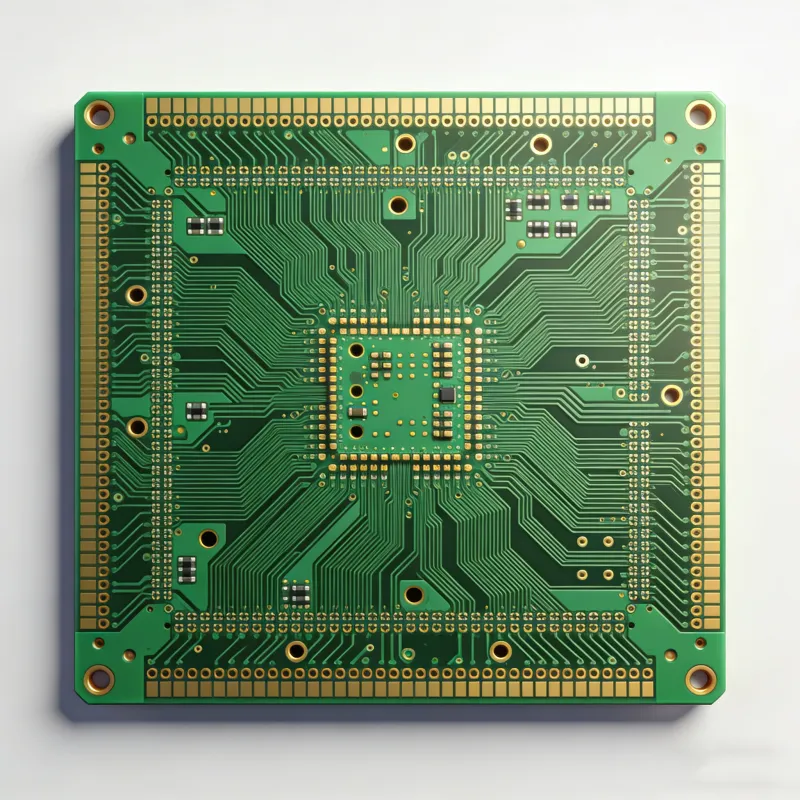
Whether you need a robust rigid PCB like our 4-layer 4 oz heavy copper PCB for power electronics or a flexible solution for compact designs, Ruiheng delivers precision engineering and global quality standards. Our expertise includes:
"For power-sensitive applications such as inverters, battery management systems, and industrial power supplies, our thick-copper rigid PCBs offer unmatched performance and consistency—backed by years of successful deployment in global markets."
Ready to explore how Kunshan Ruiheng can support your next project? Contact us today for custom PCB design consultation, prototyping, and full-scale production tailored to your specifications.
 268
|
268
|
 flexible circuit board trace width precision
industrial FPC manufacturing process
ENIG surface finish advantages
high-density FPC design guidelines
optical image transfer in PCB fabrication
403
|
ENIG surface finish
flexible PCB
solder reliability
corrosion resistance
PCB manufacturing
115
|
high precision FPC design
4 layer flexible PCB
2mil line width
0.15mm hole diameter
ENIG surface finish
307
|
Ruiheng Electronics
rigid PCB
flexible PCB
FR-4
PI polyimide
431
|
rigid PCB
flexible PCB
FR-4
PI material
Ruiheng Electronics
flexible circuit board trace width precision
industrial FPC manufacturing process
ENIG surface finish advantages
high-density FPC design guidelines
optical image transfer in PCB fabrication
403
|
ENIG surface finish
flexible PCB
solder reliability
corrosion resistance
PCB manufacturing
115
|
high precision FPC design
4 layer flexible PCB
2mil line width
0.15mm hole diameter
ENIG surface finish
307
|
Ruiheng Electronics
rigid PCB
flexible PCB
FR-4
PI polyimide
431
|
rigid PCB
flexible PCB
FR-4
PI material
Ruiheng Electronics





-L4-4.png?x-oss-process=image/resize,m_fill,h_800,w_800/format,webp)
-1.png?x-oss-process=image/resize,m_fill,h_800,w_800/format,webp)
-4.png?x-oss-process=image/resize,m_fill,h_800,w_800/format,webp)