
Kunshan Ruiheng Electronic Technology Co., Ltd.
In consumer electronics manufacturing, the choice between a rigid PCB and a flexible PCB affects product structure, assembly method, durability, and design freedom. Kunshan Ruiheng Electronic Technology Co., Ltd. focuses on the R&D, production, and export of FR-4 rigid PCB and PI/polyimide flexible PCB, supporting global customers with reliable circuit board solutions built around quality, technical consistency, and practical application needs.
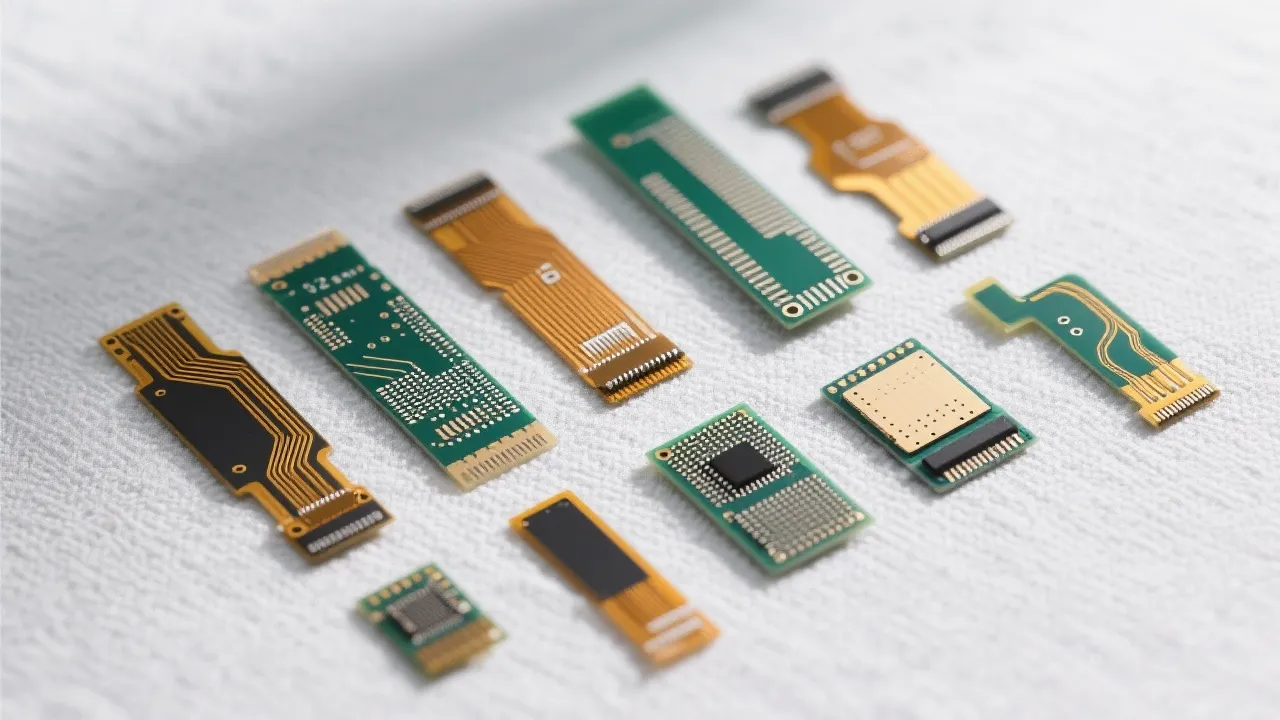
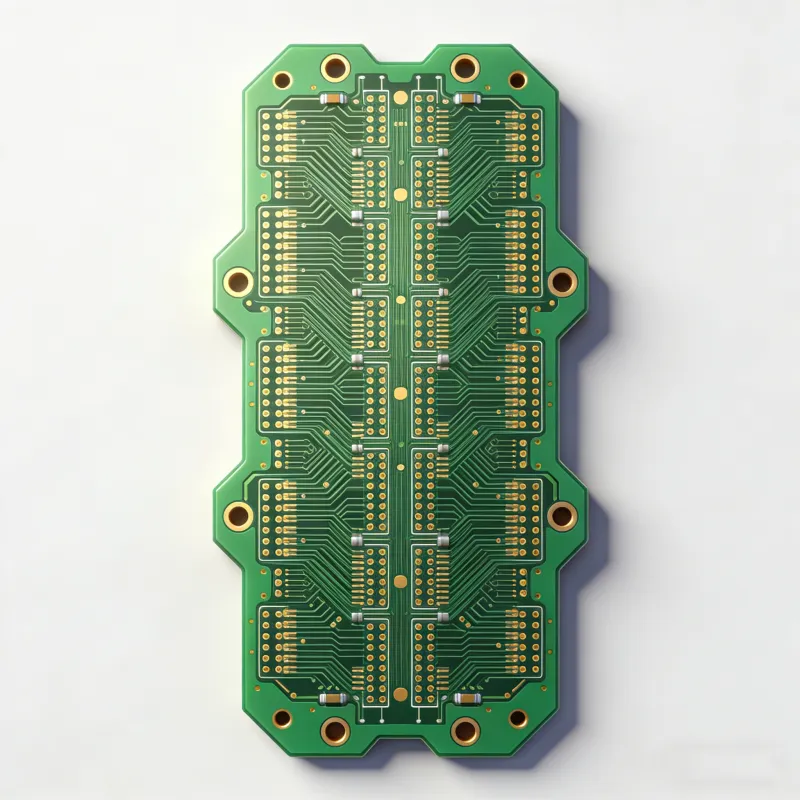
A rigid PCB is a circuit board designed with a stable, non-bendable base material. In most consumer electronics applications, FR-4 is the common substrate used for this type of board. Its structural stability makes it suitable for assemblies that require fixed positioning, reliable electrical performance, and efficient mass production.
Because of its balanced mechanical strength and manufacturing maturity, rigid PCB is widely used as a core electrical interconnect platform in products where the board can remain in a defined shape throughout the product lifecycle.
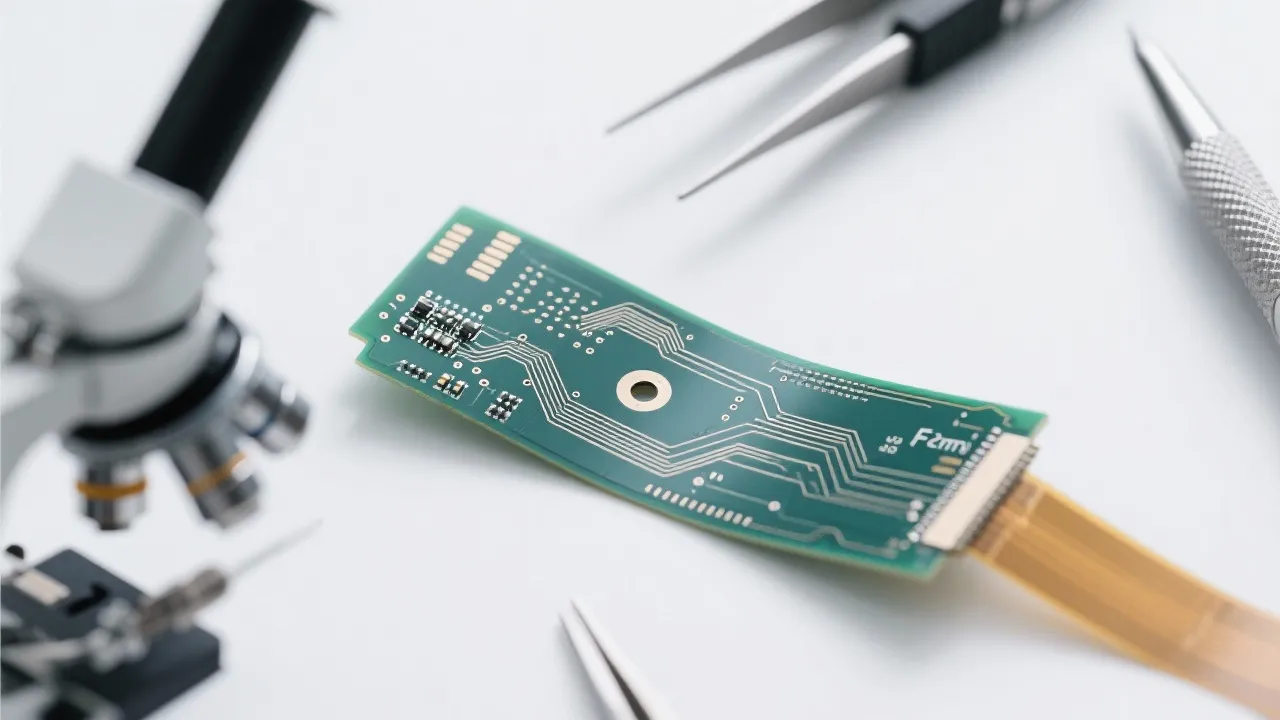
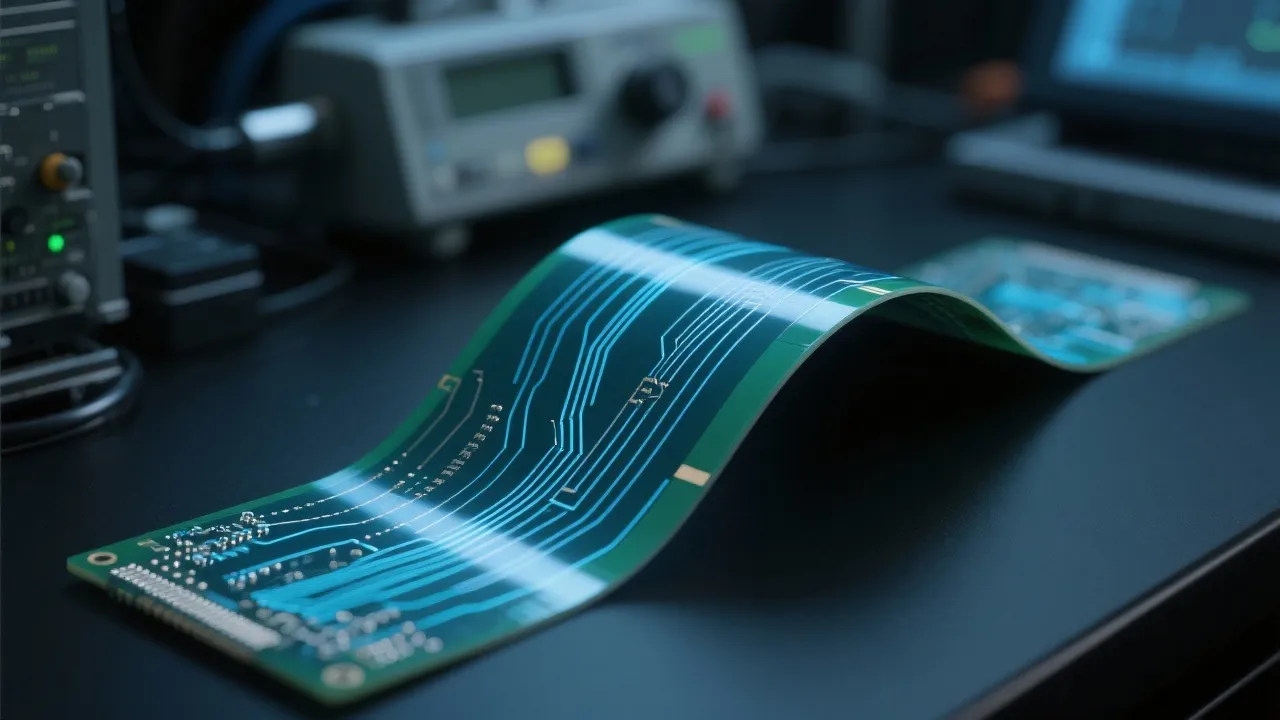
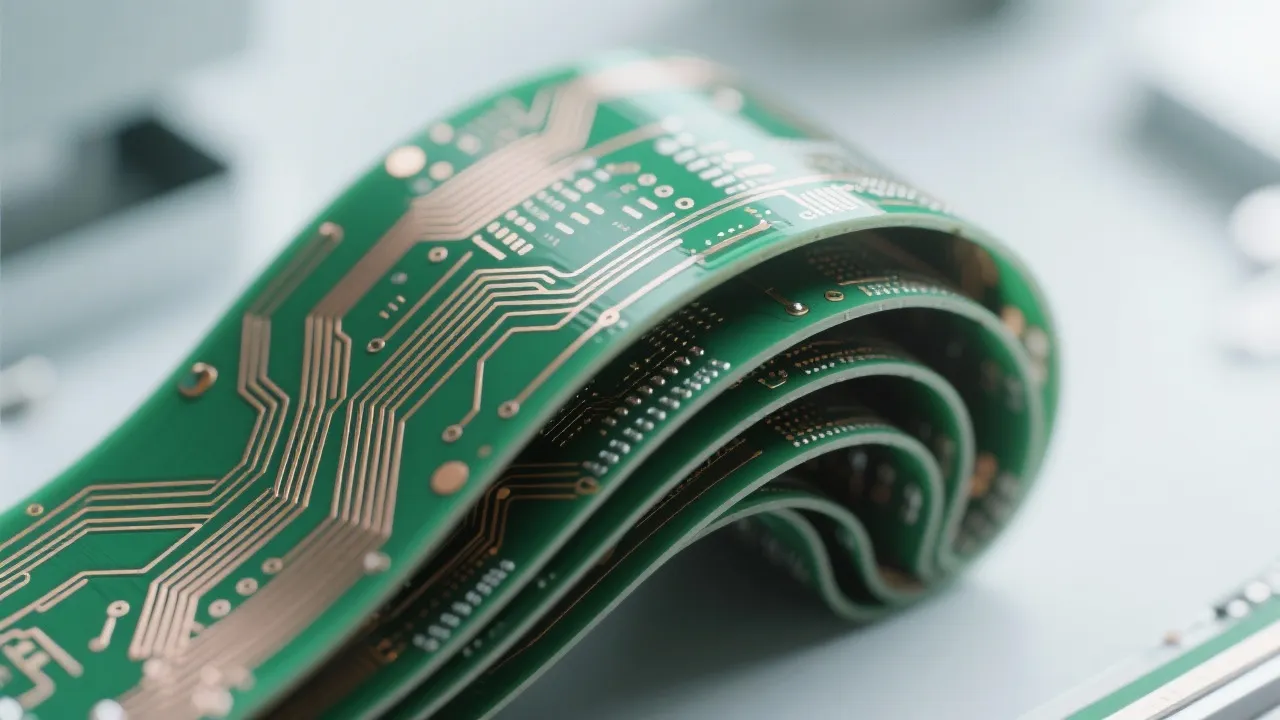
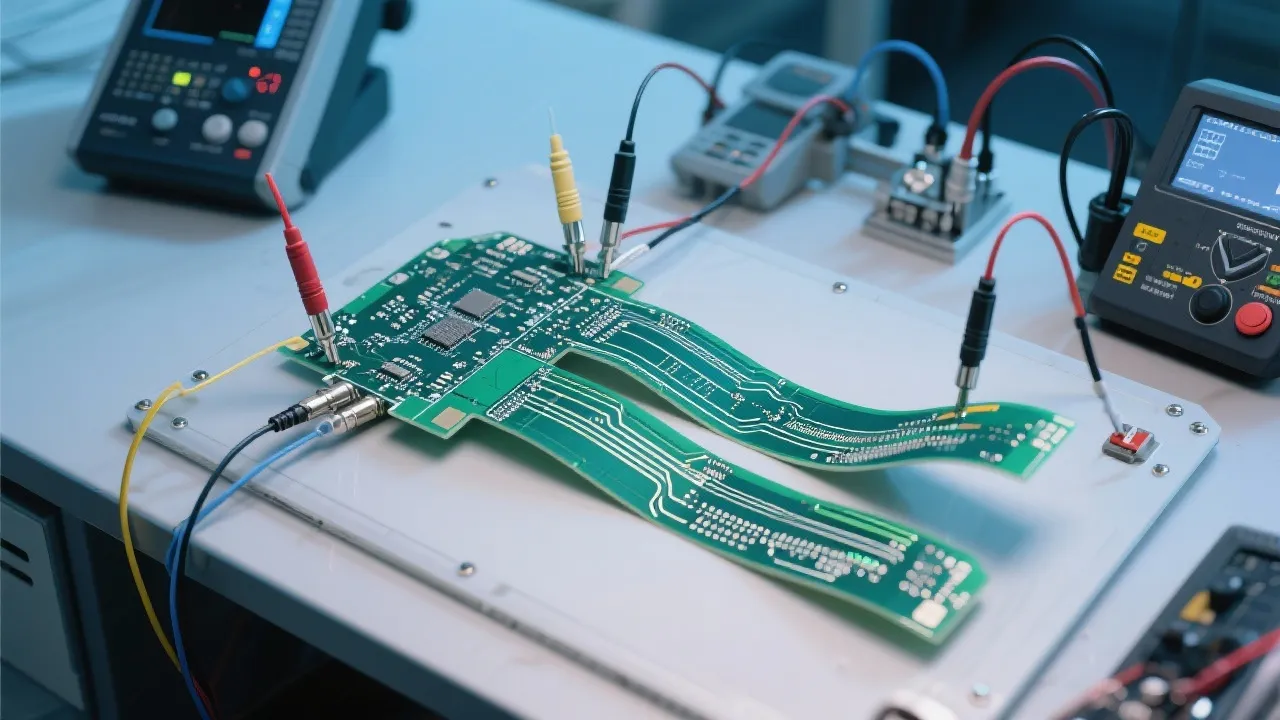
A flexible PCB is built on a bendable base material, typically PI/polyimide. Unlike rigid boards, flexible PCB is designed to accommodate movement, folding, and space-constrained routing. This makes it useful in electronic products that require compact layouts, dynamic connections, or repeated mechanical flexing within controlled limits.
In modern consumer electronics, flexible PCB helps engineers optimize internal space, simplify wiring paths, and support more compact product structures without sacrificing circuit connectivity.
| Comparison Item | Rigid PCB | Flexible PCB |
|---|---|---|
| Base material | FR-4 | PI / polyimide |
| Mechanical property | Stable and non-bendable | Bendable and space-efficient |
| Typical advantage | Structural consistency and assembly stability | Routing flexibility and compact design support |
| Common use | Board structures that remain fixed in shape | Products with limited space or moving sections |
| Design consideration | Focus on rigidity, reliability, and production consistency | Focus on bend radius, routing path, and mechanical adaptability |
The two board types are not direct substitutes in every design. Selection depends on product structure, internal space, electrical routing needs, and manufacturing requirements.
For product development and procurement teams, the choice should start from the actual design requirements rather than the board type alone. A practical selection process usually considers the following points:
In many consumer electronics projects, rigid PCB and flexible PCB may also be used together within one product to balance stability, routing efficiency, and structural design requirements.
Dedicated to rigid PCB and flexible PCB manufacturing, with clear process understanding for FR-4 and PI/polyimide applications.
Built around strict quality management and technical control to support high consistency across production runs.
Supports both small-batch prototyping and medium-to-large batch production according to project needs.
Serving customers across Europe, North America, Southeast Asia, and the Middle East with export-oriented communication and supply support.
With the principle of quality as the foundation and technology as the driving force, Kunshan Ruiheng Electronic Technology Co., Ltd. provides a practical manufacturing base for customers looking for dependable PCB solutions. Whether your project requires a rigid PCB built on FR-4 or a flexible PCB based on PI/polyimide, the key is to align the board structure with the product’s technical and assembly requirements.
For consumer electronics teams seeking a clear understanding of PCB basics, this page serves as a technical reference for evaluating board types and selecting the right manufacturing path.
 268
|
268
|
 flexible circuit board trace width precision
industrial FPC manufacturing process
ENIG surface finish advantages
high-density FPC design guidelines
optical image transfer in PCB fabrication
111
|
industrial FPC line width precision
optical image transfer process
precision etching technology
ENIG surface finish
flexible circuit board manufacturing
63
|
FR-4 PCB
PI flexible PCB
selection guide
consumer electronics PCB
Kunshan Ruiheng Electronic Technology Co., Ltd.
160
|
Kunshan Ruiheng Electronic Technology Co., Ltd.
PCB prototyping
custom PCB
technical preparation
rework risk
292
|
Ruiheng Electronic
rigid PCB
flexible PCB
PCB selection
consumer electronics
flexible circuit board trace width precision
industrial FPC manufacturing process
ENIG surface finish advantages
high-density FPC design guidelines
optical image transfer in PCB fabrication
111
|
industrial FPC line width precision
optical image transfer process
precision etching technology
ENIG surface finish
flexible circuit board manufacturing
63
|
FR-4 PCB
PI flexible PCB
selection guide
consumer electronics PCB
Kunshan Ruiheng Electronic Technology Co., Ltd.
160
|
Kunshan Ruiheng Electronic Technology Co., Ltd.
PCB prototyping
custom PCB
technical preparation
rework risk
292
|
Ruiheng Electronic
rigid PCB
flexible PCB
PCB selection
consumer electronics






-1.png?x-oss-process=image/resize,m_fill,h_800,w_800/format,webp)
-4.png?x-oss-process=image/resize,m_fill,h_800,w_800/format,webp)

-L4-4.png?x-oss-process=image/resize,m_fill,h_800,w_800/format,webp)