Kunshan Ruiheng Electronic Technology Co., Ltd.
In consumer electronics, the right PCB structure affects product size, assembly method, reliability, and overall manufacturing efficiency. Kunshan Ruiheng Electronic Technology Co., Ltd. manufactures rigid PCB (FR-4) and flexible PCB (PI / polyimide) for B2B customers who need dependable circuit board solutions for prototype development, design validation, and production ramp-up.
Rigid PCB and flexible PCB are not simply two competing options. They solve different design problems. A rigid board supports stable mounting and structural strength, while a flexible board supports movement, folding, compact routing, and space-constrained layouts. For consumer electronics teams, the selection should begin with the product architecture: enclosure design, interconnect needs, assembly process, reliability targets, and cost expectations.
As a manufacturer focused on rigid PCB and flexible PCB production, Ruiheng Electronic supports projects across different stages, from small-batch samples to medium and large-volume manufacturing. That makes the selection process more practical: engineers can compare technical needs, and sourcing teams can evaluate manufacturability with a clearer view of risk and consistency.
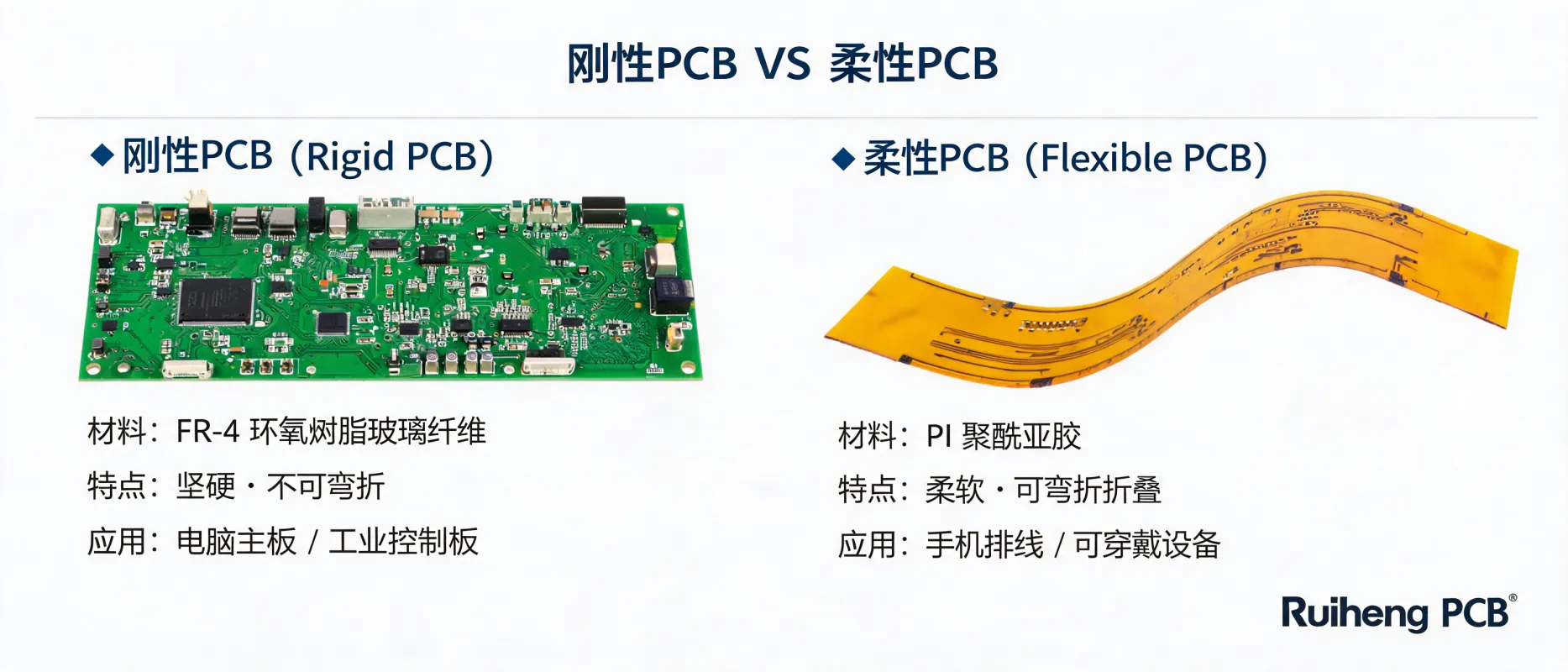
| Evaluation item | Rigid PCB | Flexible PCB |
|---|---|---|
| Base material | FR-4 | PI / polyimide |
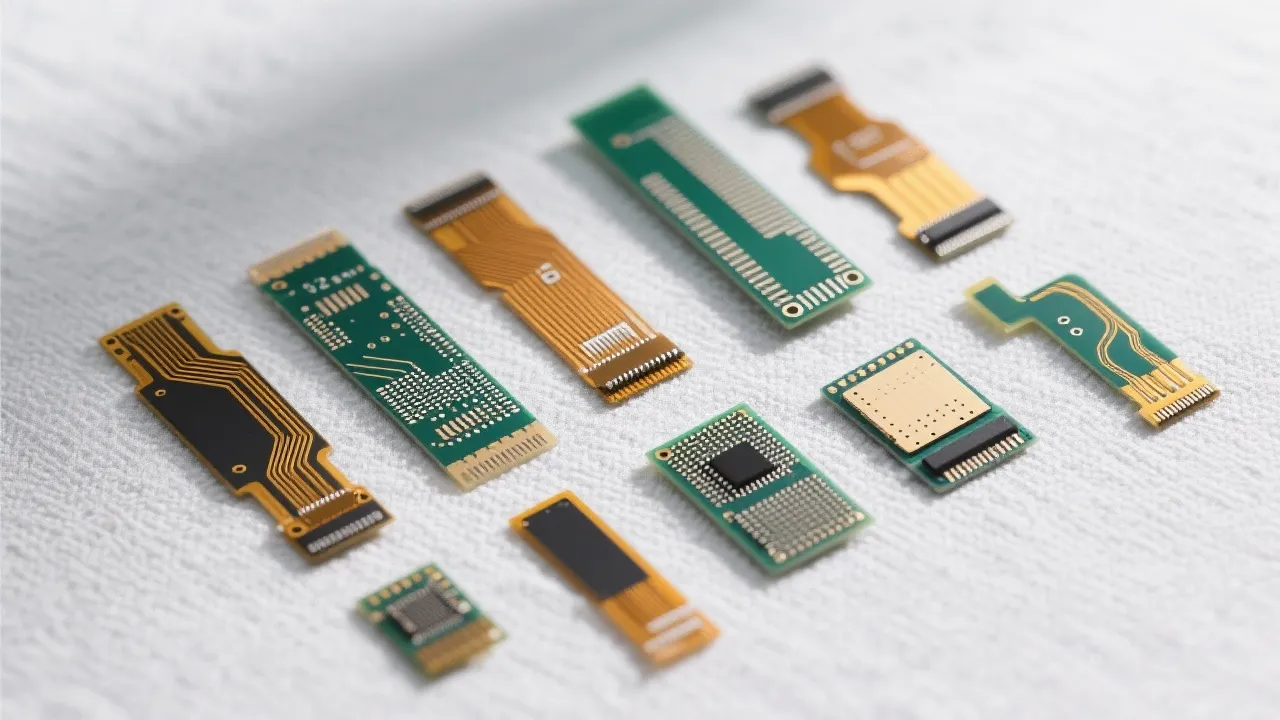
| Mechanical form | Stable and rigid | Bendable and space-saving |
| Best fit | Standard layouts, solid mounting, conventional assembly | Compact devices, folding interconnects, moving or curved structures |
| Assembly consideration | Generally straightforward for many consumer electronics designs | Requires careful routing, handling, and installation planning |
| Design priority | Structural strength and stable electrical performance | Flexibility, routing efficiency, and packaging optimization |
| Typical decision factor | Cost efficiency in stable designs | Space saving and mechanical adaptability |
The final choice depends on the full product design, not on a single factor such as price or material preference.
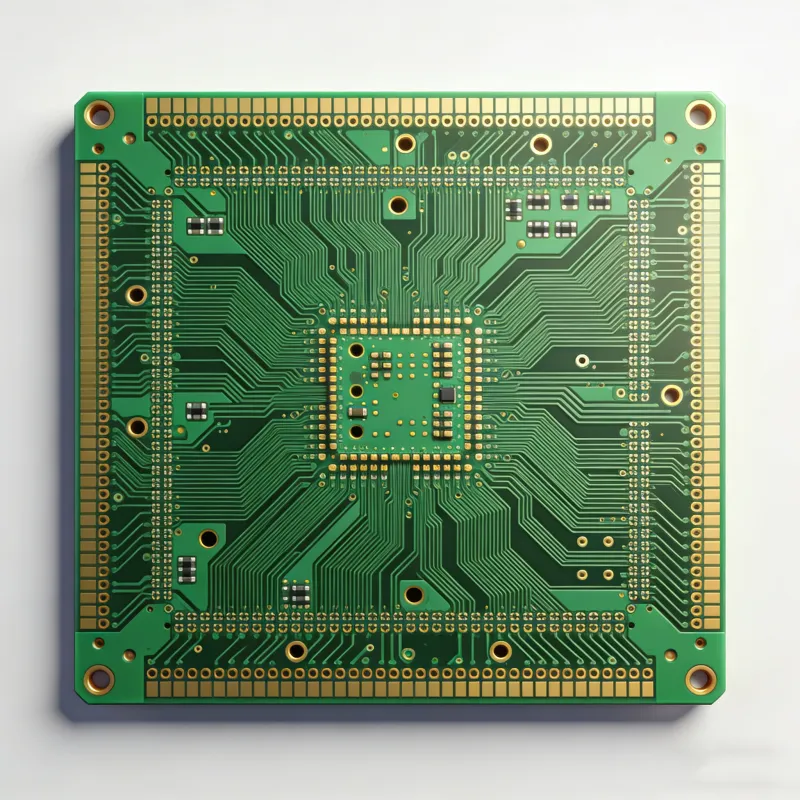
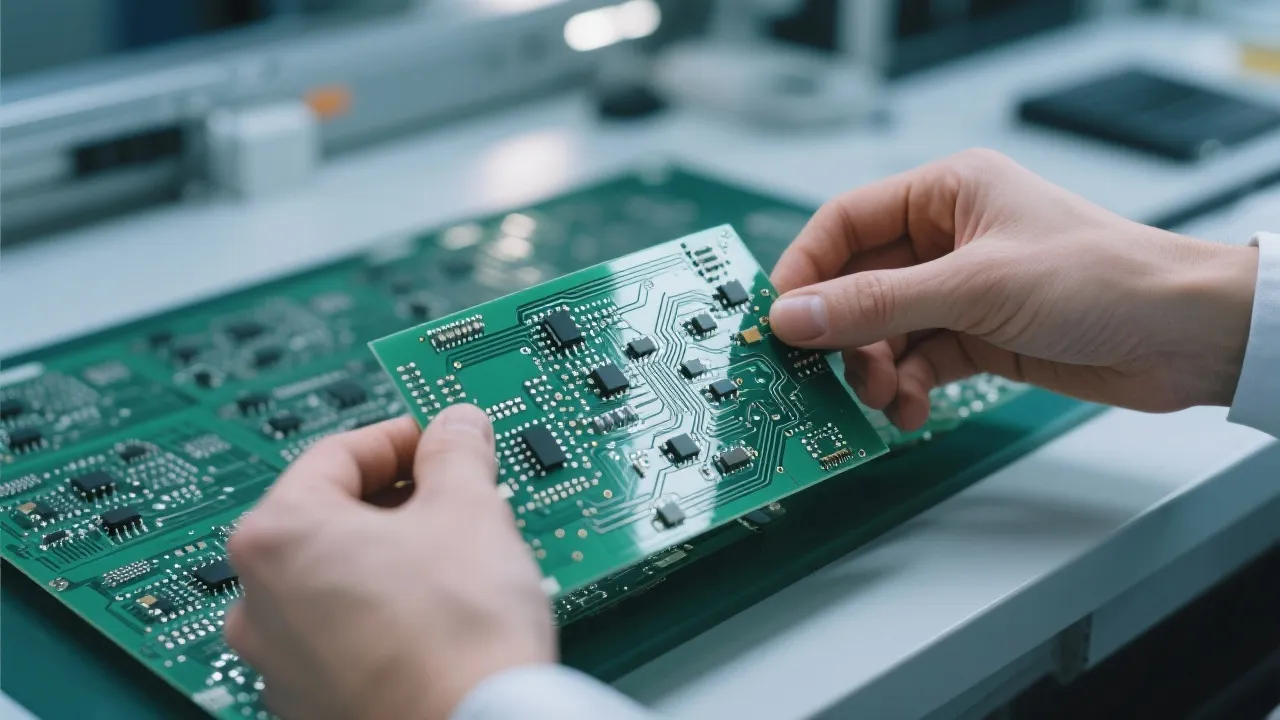
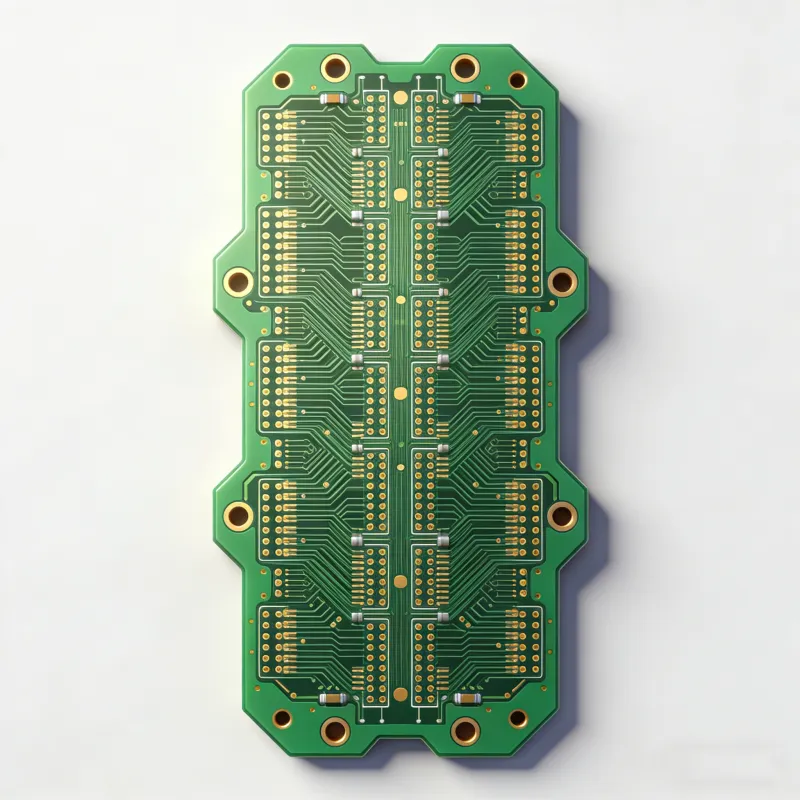
A rigid PCB is often the preferred choice when the product structure is stable and the board is expected to remain fixed inside the device.
For many consumer electronics products, rigid PCB remains the core choice because it offers a mature balance of manufacturability, consistency, and broad application compatibility.
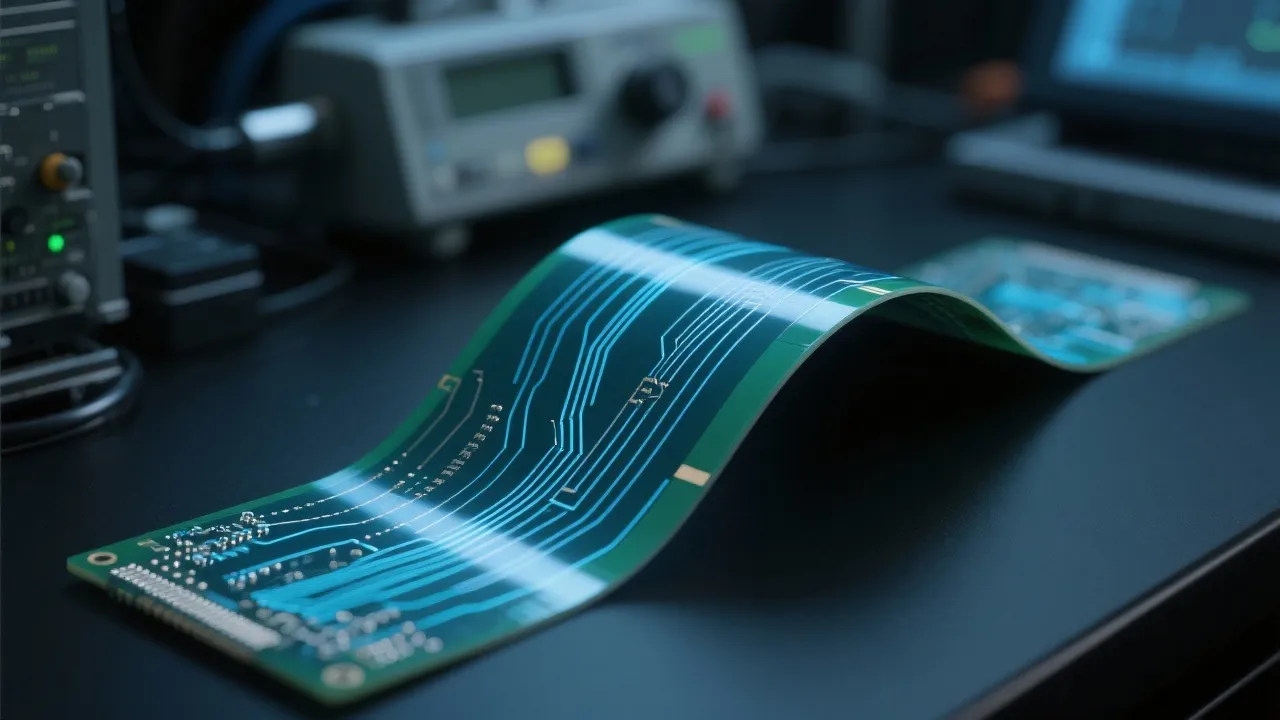
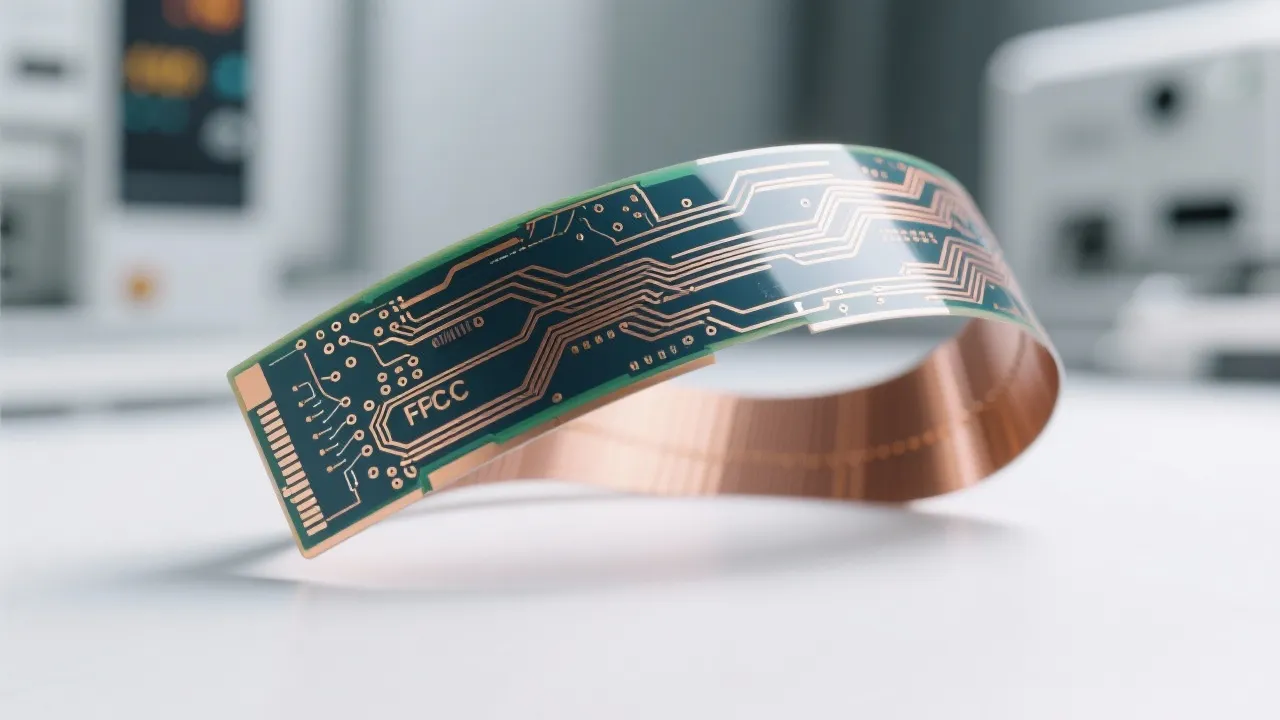
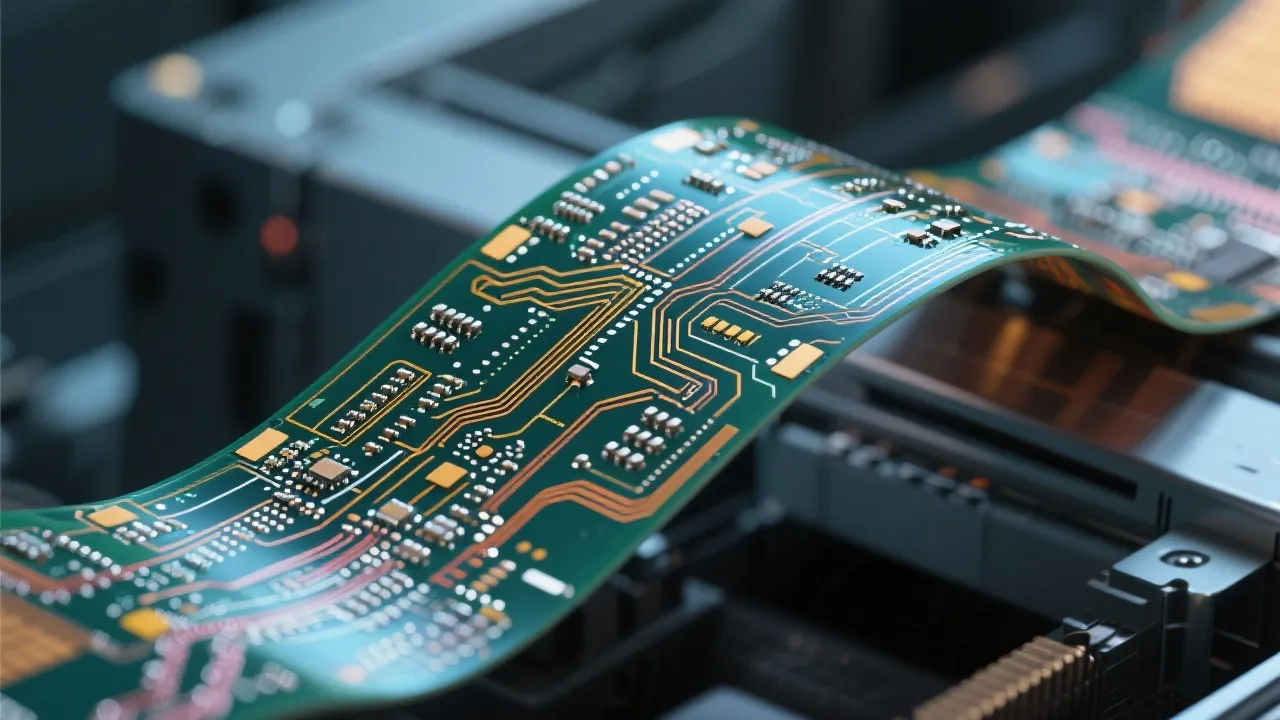
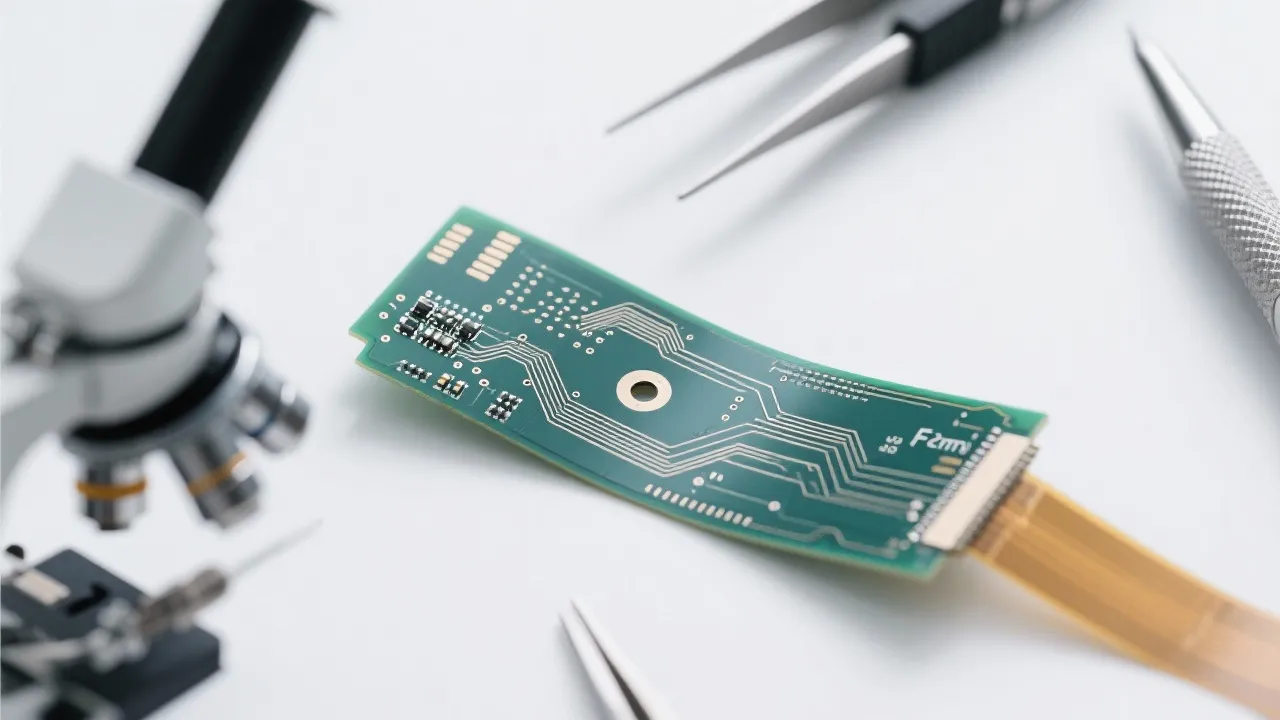
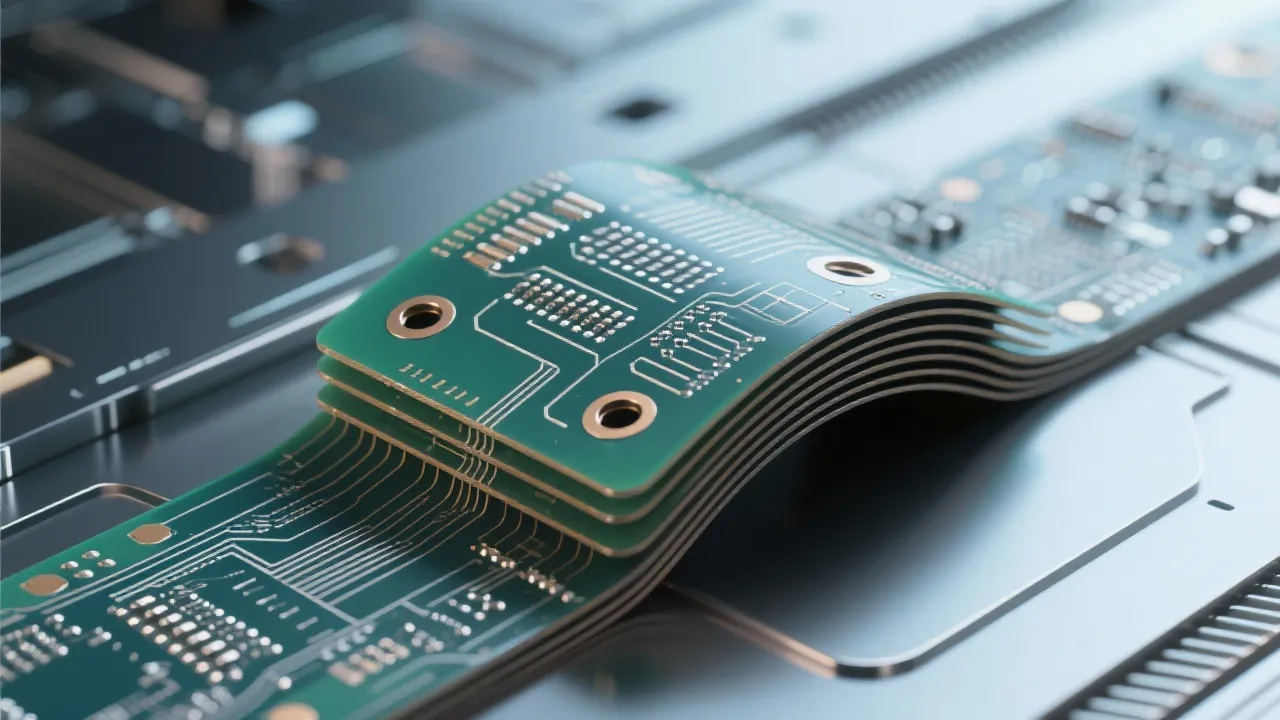
A flexible PCB is better suited to products that require bending, folding, or routing in tight and irregular spaces.
In these cases, flexible PCB helps the design team create a more compact structure while maintaining a controlled electrical interconnect path.
Assess whether the board must stay rigid, or whether the design needs bending, folding, or a shape that follows the device structure.
Compare not only material cost, but also assembly complexity, installation risk, and the impact of the PCB choice on the total project budget.
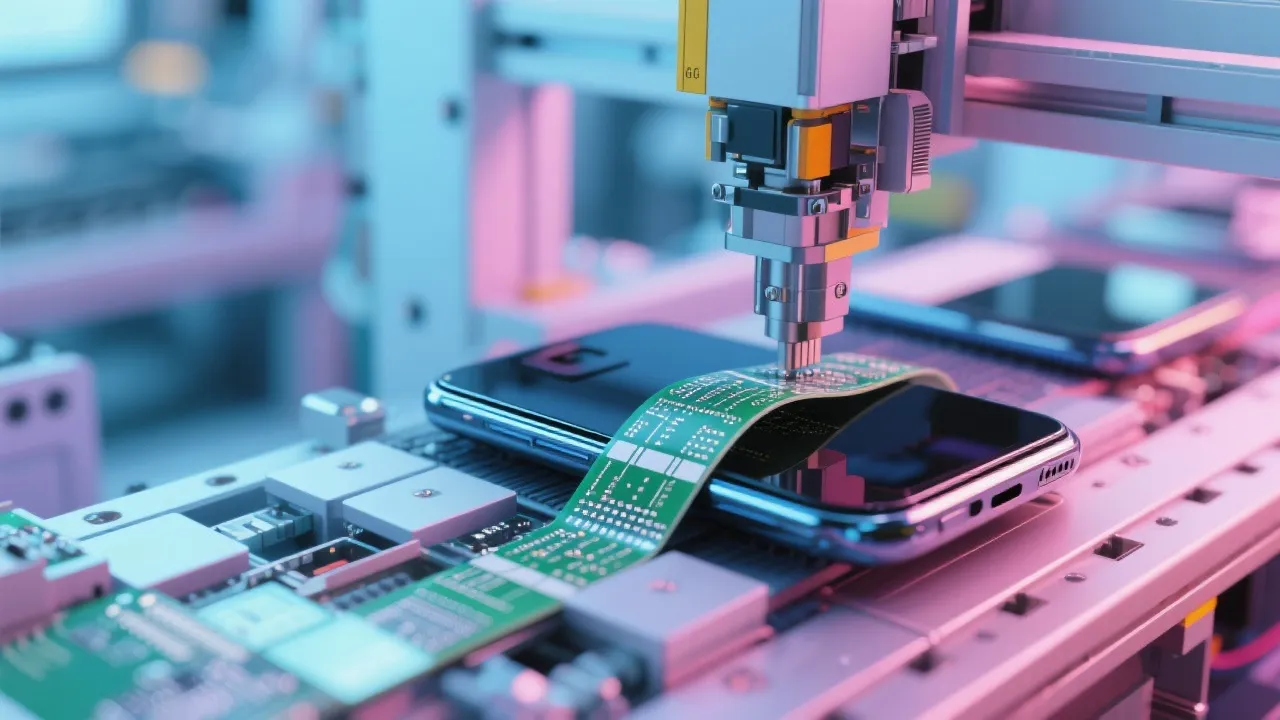
Consider the manufacturing process, handling requirements, and how the board will be integrated into the final device during production.
Match the PCB type to the product’s operating conditions, mechanical stress, and consistency requirements across the expected production volume.
Use the end-product scenario as the final reference, because consumer electronics projects often combine compact size, functional integration, and appearance constraints.
Kunshan Ruiheng Electronic Technology Co., Ltd. focuses on the research, production, and export of rigid PCB and flexible PCB products. With manufacturing capability rooted in the East China PCB cluster, the company serves international customers in Europe, North America, Southeast Asia, and the Middle East.
For customers evaluating a new consumer electronics project, the value of a PCB supplier is not limited to production capacity. It also includes engineering communication, process control, quality consistency, and the ability to support different order sizes. Ruiheng Electronic combines advanced equipment, a strict quality management system, and an experienced technical team to help customers move from sample stage to stable production with a clearer path.
Whether your project requires a rigid PCB for a stable layout or a flexible PCB for a compact and adaptable design, the selection should be based on technical fit, production feasibility, and long-term supply consistency.
For consumer electronics projects, the choice between rigid PCB and flexible PCB should be guided by structure, cost, assembly, reliability, and application needs. Kunshan Ruiheng Electronic Technology Co., Ltd. provides manufacturing support for both options, helping engineering and procurement teams build a selection process that is practical, consistent, and aligned with the final product design.
 339
|
339
|
 industrial FPC line width precision
0.05mm FPC trace width
ENIG surface finish for FPC
flexible circuit board manufacturing process
optical image transfer in FPC
210
|
FPC bending failure analysis
PI reinforcement edge design
stress concentration in flexible circuits
SMT reflow soldering for FPC
industrial FPC reliability
418
|
rolling copper FPC
flexible circuit board materials
FPC bend life improvement
high-reliability PCB design
automotive sensor PCB
99
|
yellow cover film for FPC
high-frequency flexible PCB shielding
EMI protection in flexible circuits
FPC cover film selection guide
Ruiheng PCB
201
|
industrial FPC manufacturing defects
FPC bending crack prevention
SMT reflow soldering optimization
ENIG surface finish benefits
Ruiheng PCB flexible circuit solutions
industrial FPC line width precision
0.05mm FPC trace width
ENIG surface finish for FPC
flexible circuit board manufacturing process
optical image transfer in FPC
210
|
FPC bending failure analysis
PI reinforcement edge design
stress concentration in flexible circuits
SMT reflow soldering for FPC
industrial FPC reliability
418
|
rolling copper FPC
flexible circuit board materials
FPC bend life improvement
high-reliability PCB design
automotive sensor PCB
99
|
yellow cover film for FPC
high-frequency flexible PCB shielding
EMI protection in flexible circuits
FPC cover film selection guide
Ruiheng PCB
201
|
industrial FPC manufacturing defects
FPC bending crack prevention
SMT reflow soldering optimization
ENIG surface finish benefits
Ruiheng PCB flexible circuit solutions





-L4-4.png?x-oss-process=image/resize,m_fill,h_800,w_800/format,webp)