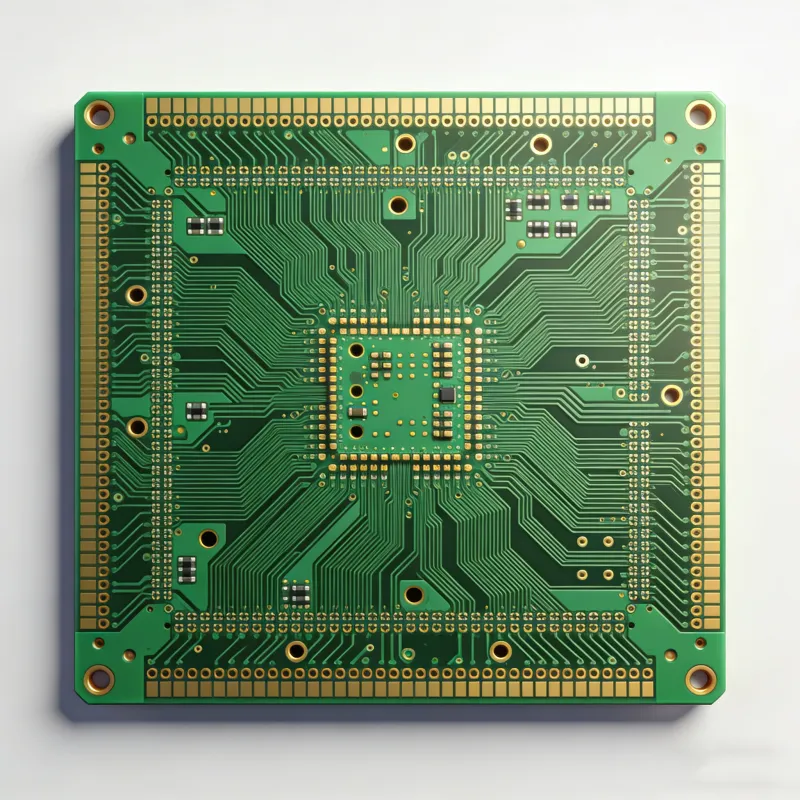
Choosing between a rigid PCB and a flexible PCB affects product structure, assembly method, reliability, space utilization and total manufacturing cost. The right option depends on the mechanical and electrical requirements of the application—not simply on whether the board is classified as “rigid” or “flexible.”
Kunshan Ruiheng Electronic Technology Co., Ltd. provides rigid FR-4 PCBs and flexible PI PCBs for consumer electronics and other electronic equipment applications. This guide explains their main differences and offers practical considerations for procurement, R&D and engineering teams.
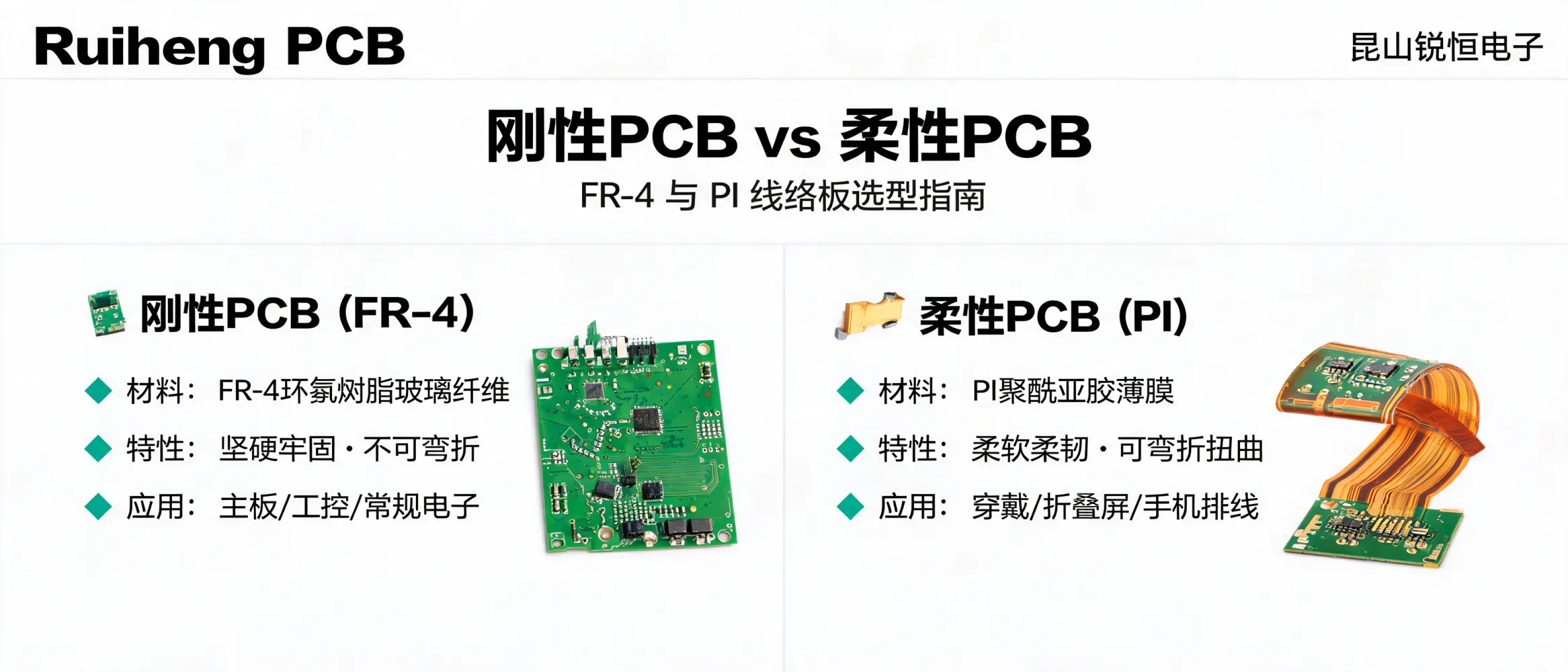
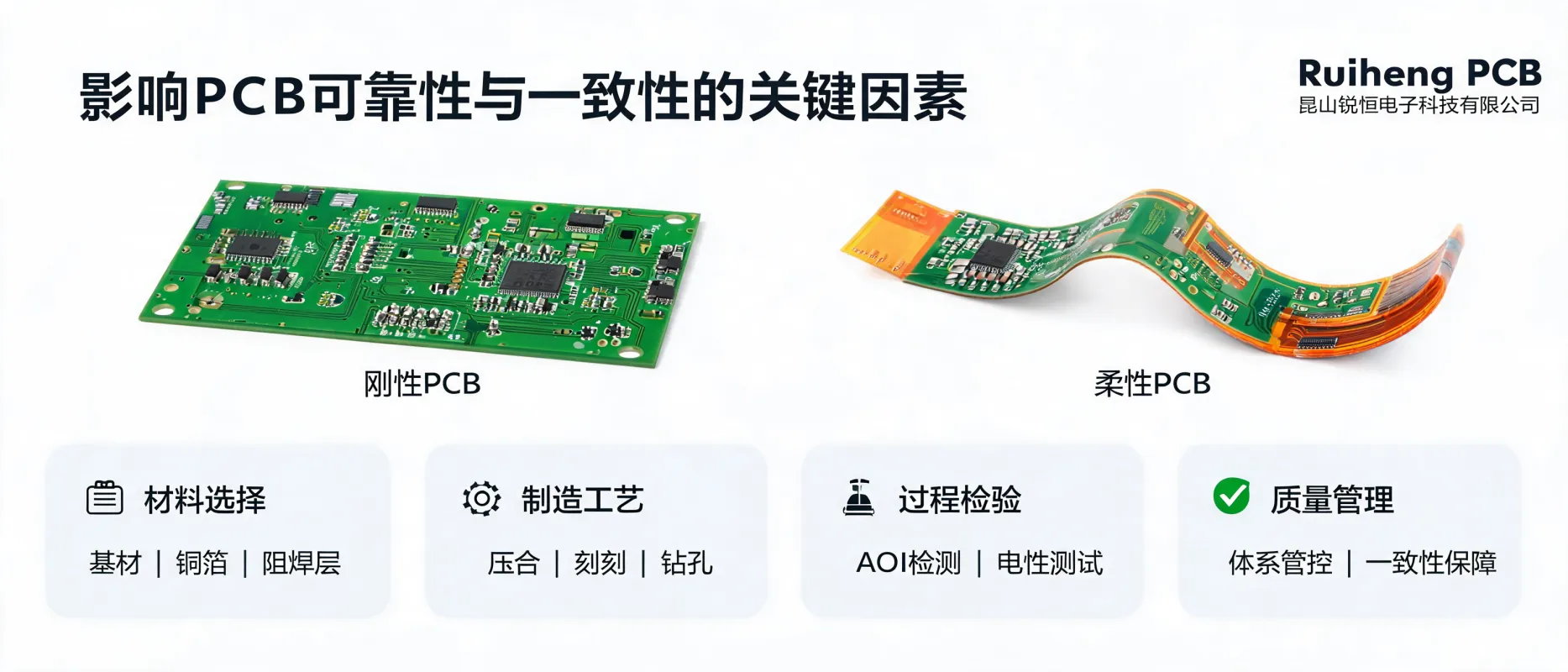
The primary difference between rigid and flexible PCBs is the substrate material and its mechanical behavior. A rigid PCB uses a solid, dimensionally stable base material, while a flexible PCB uses a bendable polymer film substrate.
Rigid PCBs commonly use FR-4, a glass-fiber-reinforced epoxy laminate. The board maintains a fixed shape during handling and assembly, providing a stable platform for components, connectors and mechanical mounting.
Flexible PCBs commonly use PI, or polyimide, film as the substrate. The circuit can bend or fold within its design limits, helping connect components in compact, moving or irregularly shaped assemblies.
| Consideration | Rigid FR-4 PCB | Flexible PI PCB |
|---|---|---|
| Substrate | FR-4 glass-fiber-reinforced epoxy laminate | PI/polyimide flexible film |
| Mechanical form | Maintains a fixed shape | Can bend or fold within specified limits |
| Space utilization | Suitable for conventional board layouts and mounting structures | Suitable for compact, three-dimensional or irregular assemblies |
| Assembly role | Provides a stable component carrier | Can combine electrical connection and routing in a flexible structure |
| Typical design priority | Board stability, manufacturability and conventional integration | Bendability, compact routing and movement tolerance |
| Cost consideration | Often practical for standard, flat-board designs | May require additional design and process control for flexible structures |
A rigid FR-4 circuit board is generally selected when the product has a defined mounting plane and does not require repeated movement. Its fixed geometry can simplify component placement, enclosure integration and production handling.
A PI flexible PCB is considered when the circuit must follow a curved path, pass through a narrow space, connect separate sections of an assembly or accommodate controlled movement. Flexibility must be evaluated together with bend radius, bending direction, bend frequency, copper pattern layout and mechanical support.
Important design point: “Flexible” does not mean that a PI flexible PCB can be bent without limits. The required bending conditions should be defined during design review so that the material structure, copper layout and assembly method are appropriate for the intended use.
Rigid and flexible PCBs share basic circuit-board manufacturing principles, but their materials and mechanical characteristics require different process attention. Product specifications, artwork, layer structure, surface requirements and inspection criteria should be reviewed before production.
In some products, rigid and flexible sections can be considered together as part of the overall interconnection strategy. The most appropriate structure depends on the product’s mechanical layout, electrical requirements, production plan and expected operating conditions.
The cost difference between a rigid FR-4 PCB and a flexible PI PCB cannot be determined from material choice alone. Board dimensions, layer structure, circuit complexity, order quantity, processing requirements, inspection standards and assembly design can all influence the final project cost.
A flexible PCB may provide value when it replaces multiple wires, connectors or mechanical connections. A rigid PCB may be a practical choice when the design is flat, stable and compatible with conventional assembly. A meaningful comparison should therefore consider the complete product structure rather than only the price of the bare board.
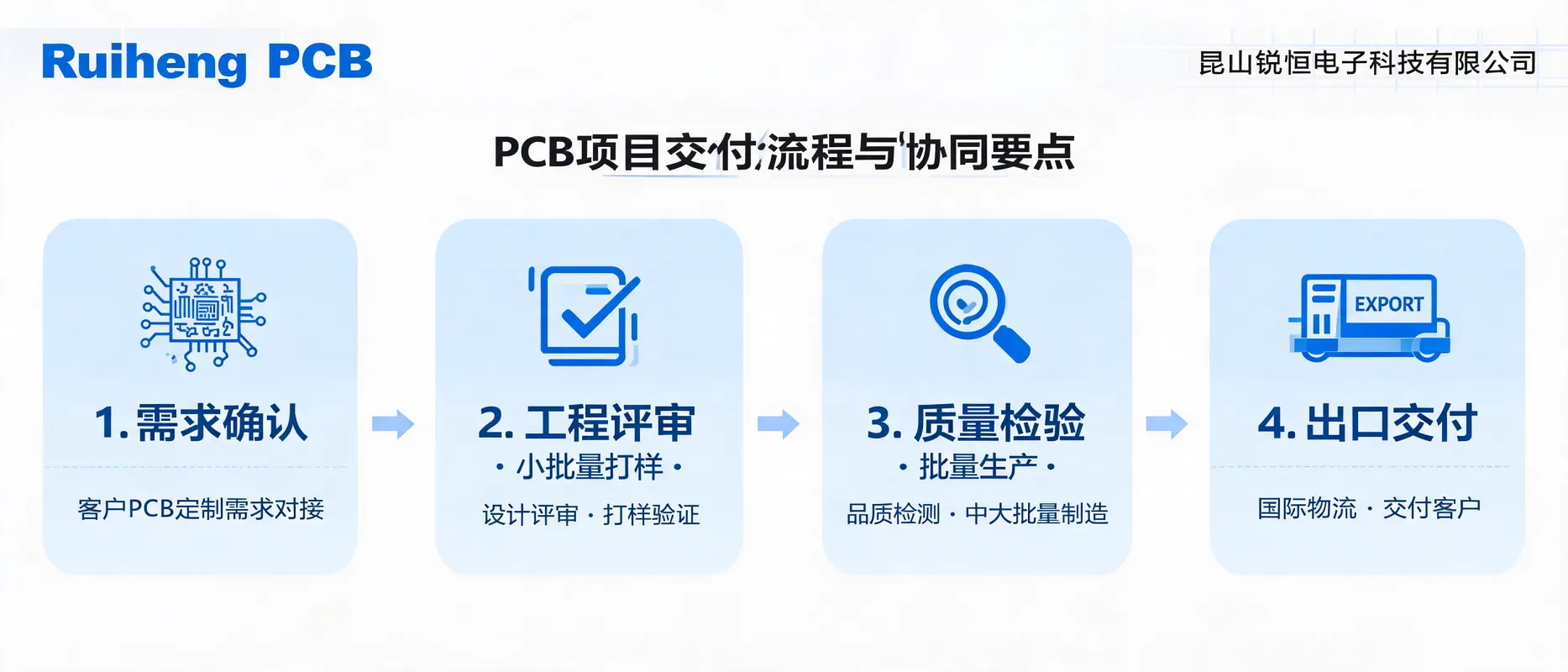
Kunshan Ruiheng Electronic Technology Co., Ltd. focuses on the development, production and export of rigid FR-4 PCBs and flexible PI PCBs. The company supports different project stages, from small-batch prototyping to medium- and large-volume production, based on the customer’s product requirements and manufacturing plan.
With an engineering-focused approach, Ruiheng Electronic works to align material selection, board structure, production requirements and quality expectations. This supports customers in Europe, the Americas, Southeast Asia and the Middle East who need a reliable PCB manufacturing partner for consumer electronics and related applications.
Not necessarily. FR-4 can be practical for stable, flat-board designs, but the total cost should also include wiring, connectors, assembly and mechanical integration.
No. A flexible PCB is selected for specific space, routing or movement requirements. If the product needs a stable mounting platform, a rigid PCB may be more appropriate.
Useful information typically includes board drawings or Gerber data, material requirements, layer structure, dimensions, quantity, surface and finish requirements, electrical specifications and any special mechanical conditions.
 379
|
379
|
 Kunshan Ruiheng Electronic Technology Co., Ltd.
PCB selection
rigid PCB
flexible PCB
consumer electronics design
196
|
Kunshan Ruiheng Electronic Technology
FR-4 rigid PCB
PI flexible PCB
consumer electronics
PCB material characteristics
199
|
Ruiheng Electronics
rigid PCB
flexible PCB
PCB definition
PCB selection
119
|
Kunshan Ruiheng Electronic Technology Co., Ltd.
PCB procurement
supplier evaluation
delivery acceptance
procurement risks
71
|
Kunshan Ruiheng Electronic Technology Co., Ltd.
PCB procurement pitfalls
hidden costs
yield and lead time management
B2B PCB sourcing
Kunshan Ruiheng Electronic Technology Co., Ltd.
PCB selection
rigid PCB
flexible PCB
consumer electronics design
196
|
Kunshan Ruiheng Electronic Technology
FR-4 rigid PCB
PI flexible PCB
consumer electronics
PCB material characteristics
199
|
Ruiheng Electronics
rigid PCB
flexible PCB
PCB definition
PCB selection
119
|
Kunshan Ruiheng Electronic Technology Co., Ltd.
PCB procurement
supplier evaluation
delivery acceptance
procurement risks
71
|
Kunshan Ruiheng Electronic Technology Co., Ltd.
PCB procurement pitfalls
hidden costs
yield and lead time management
B2B PCB sourcing






-4.png?x-oss-process=image/resize,m_fill,h_800,w_800/format,webp)


-1.png?x-oss-process=image/resize,m_fill,h_800,w_800/format,webp)