

In consumer electronics design, choosing between rigid PCB (FR-4) and flexible PCB (PI) is a critical decision that impacts performance, reliability, and manufacturing efficiency. At Kunshan Ruiheng Electronic Technology Co., Ltd., we specialize in both rigid and flexible PCB solutions—tailored for diverse applications from power systems to portable devices.
This guide explores the core differences between these two fundamental board types, helping engineers and product designers make informed choices based on technical requirements, environmental conditions, and production scale.
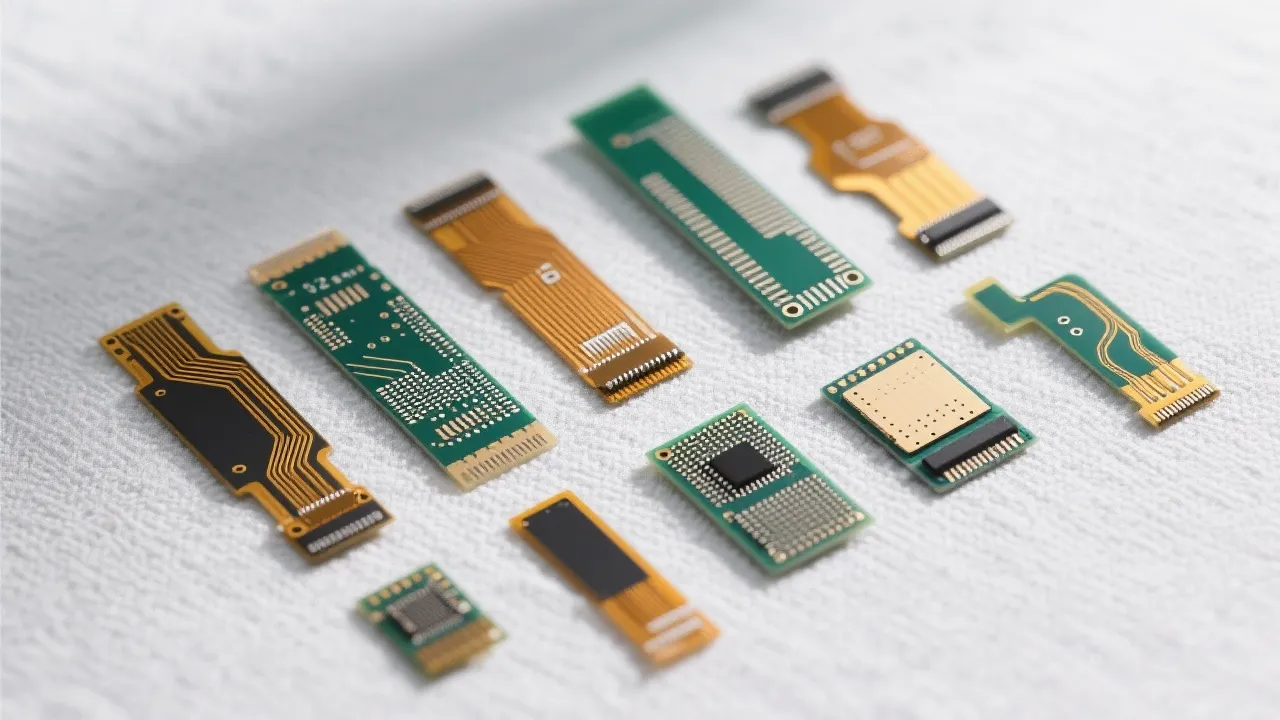
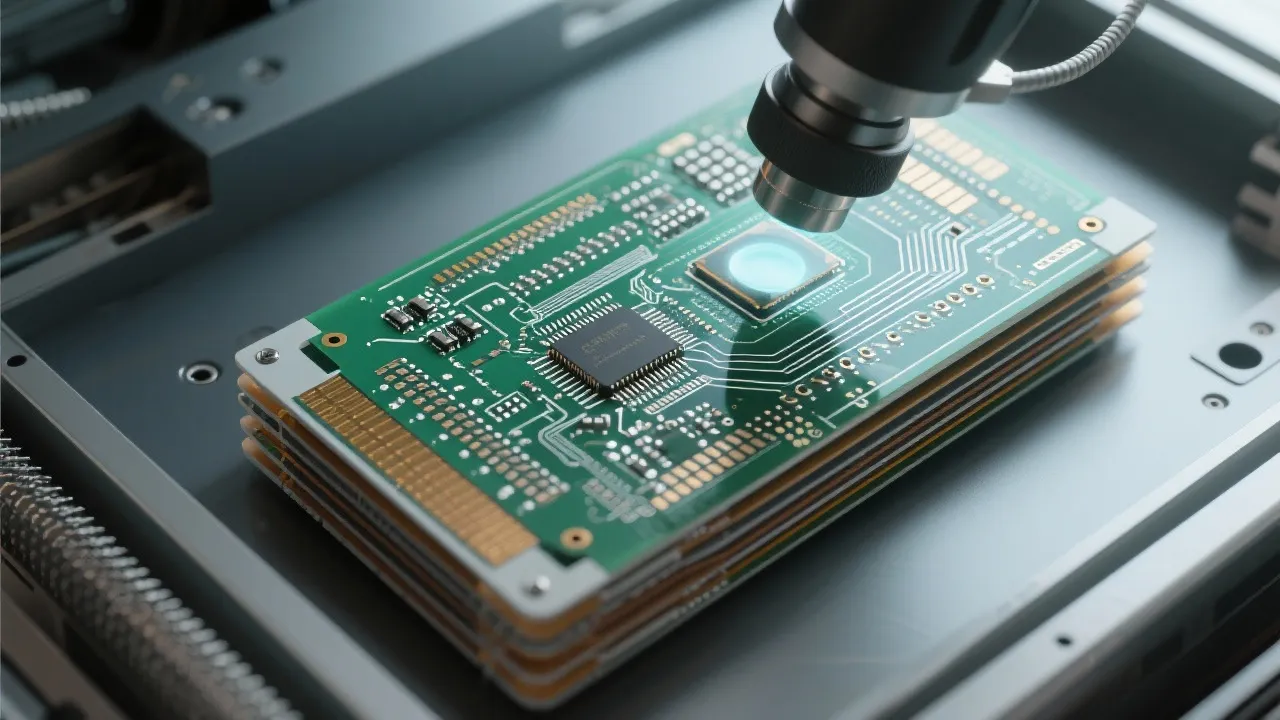
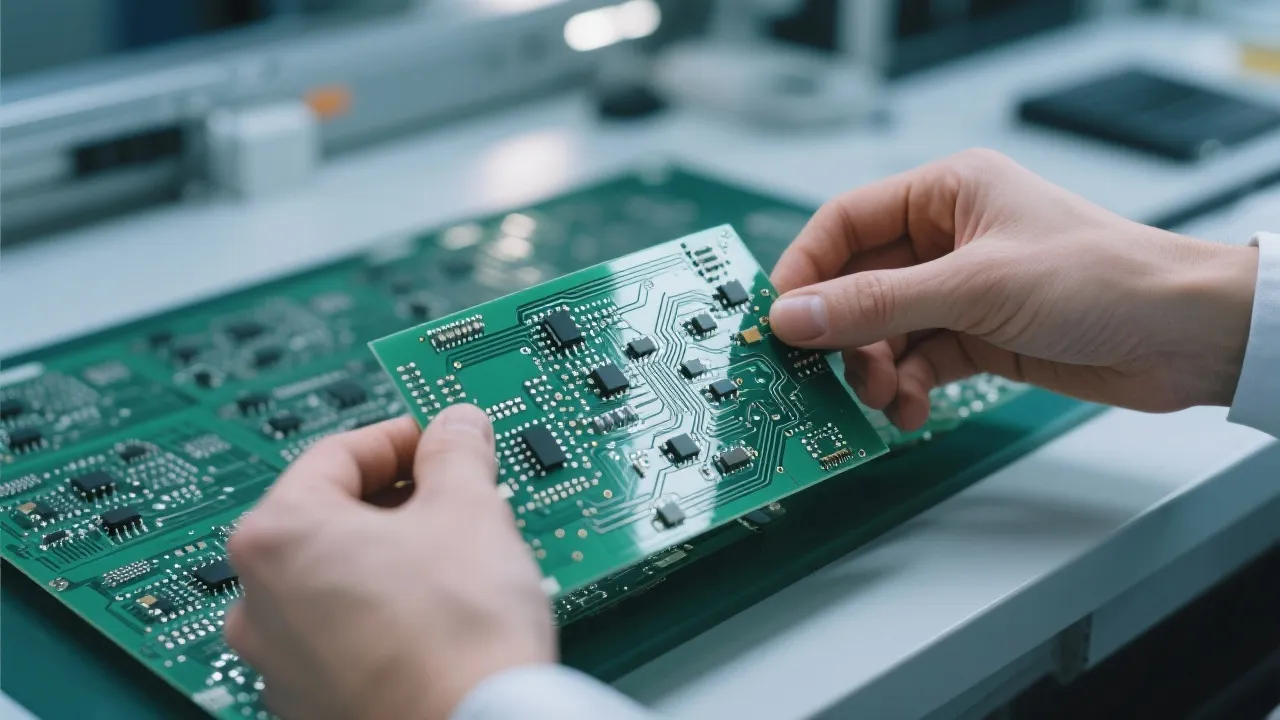
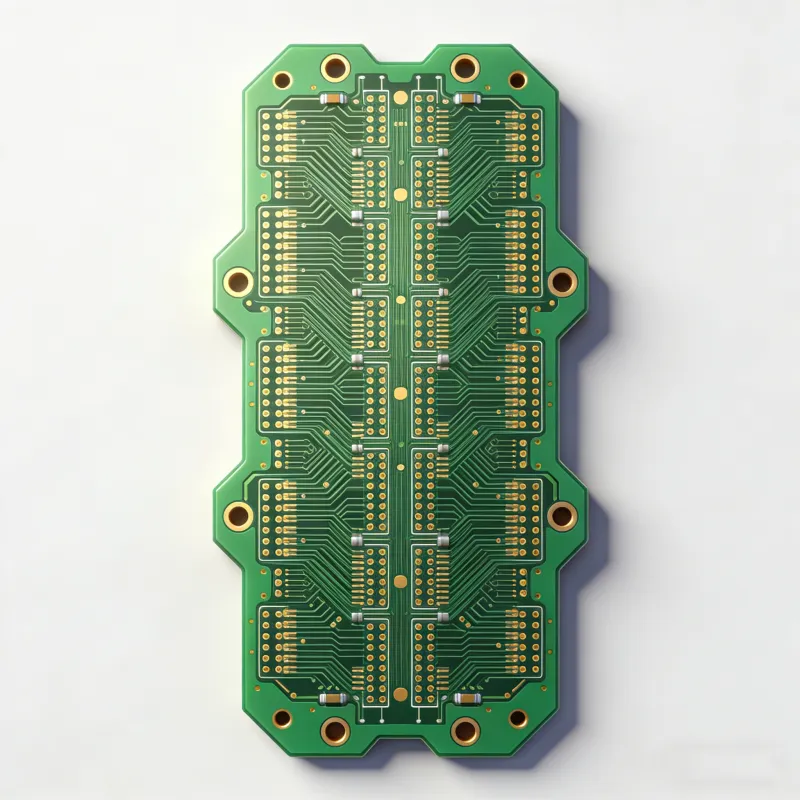
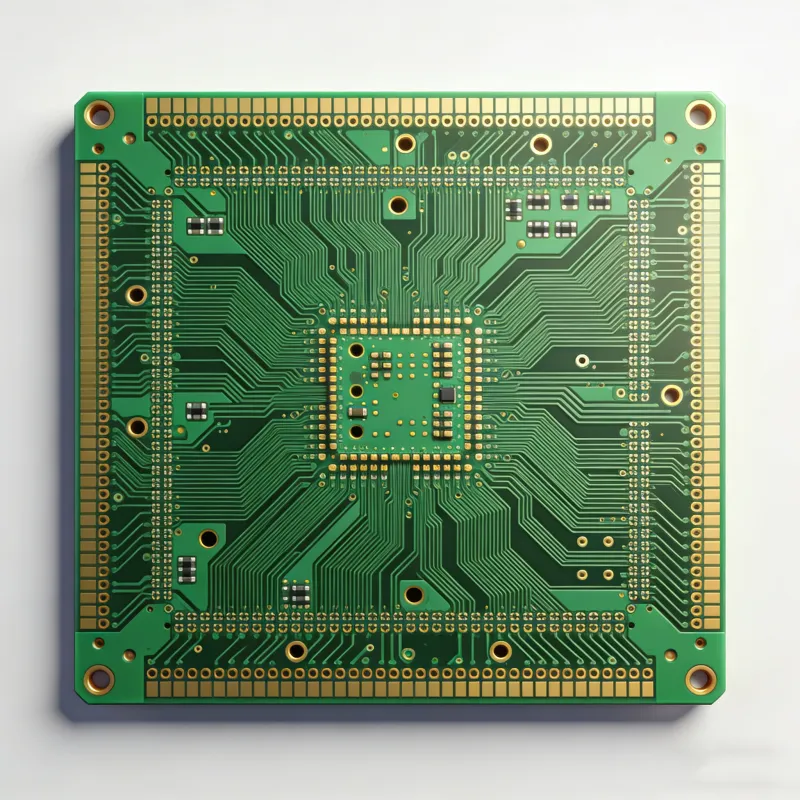
Rigid PCBs made from FR-4 material are the industry standard for most consumer electronics due to their structural integrity, cost-effectiveness, and proven reliability. They are ideal for fixed-form-factor devices such as smartphones, laptops, home appliances, and power supplies.
Example: Our 4-layer 4 oz heavy copper PCB (80mm x 80mm, 1.6mm thickness) is engineered for power electronics applications like inverters, motor drives, and industrial controllers where thermal management and current handling are paramount.
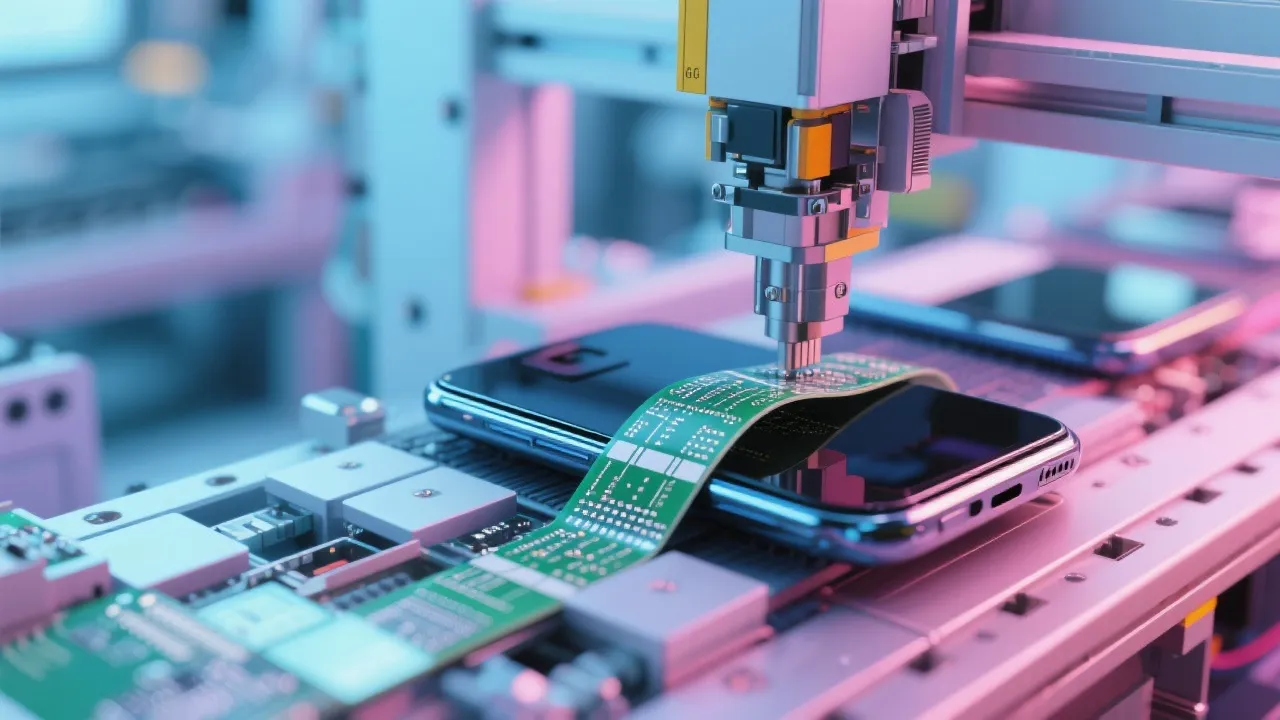
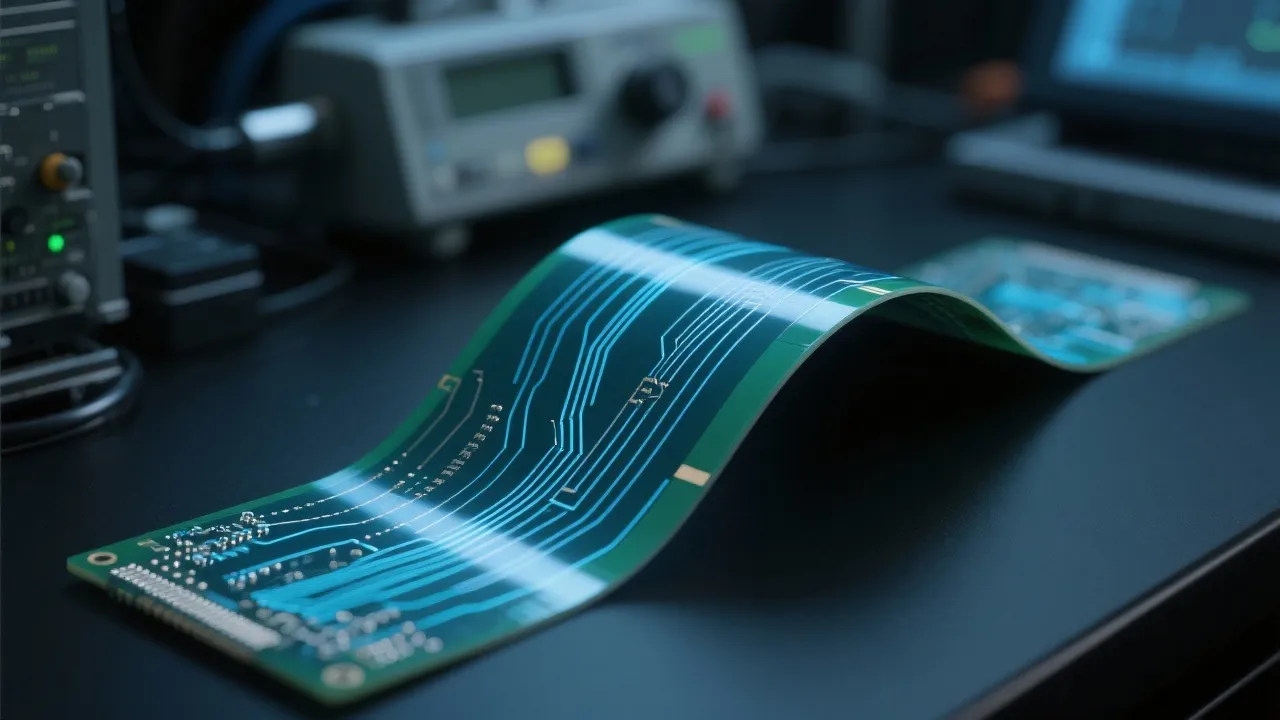
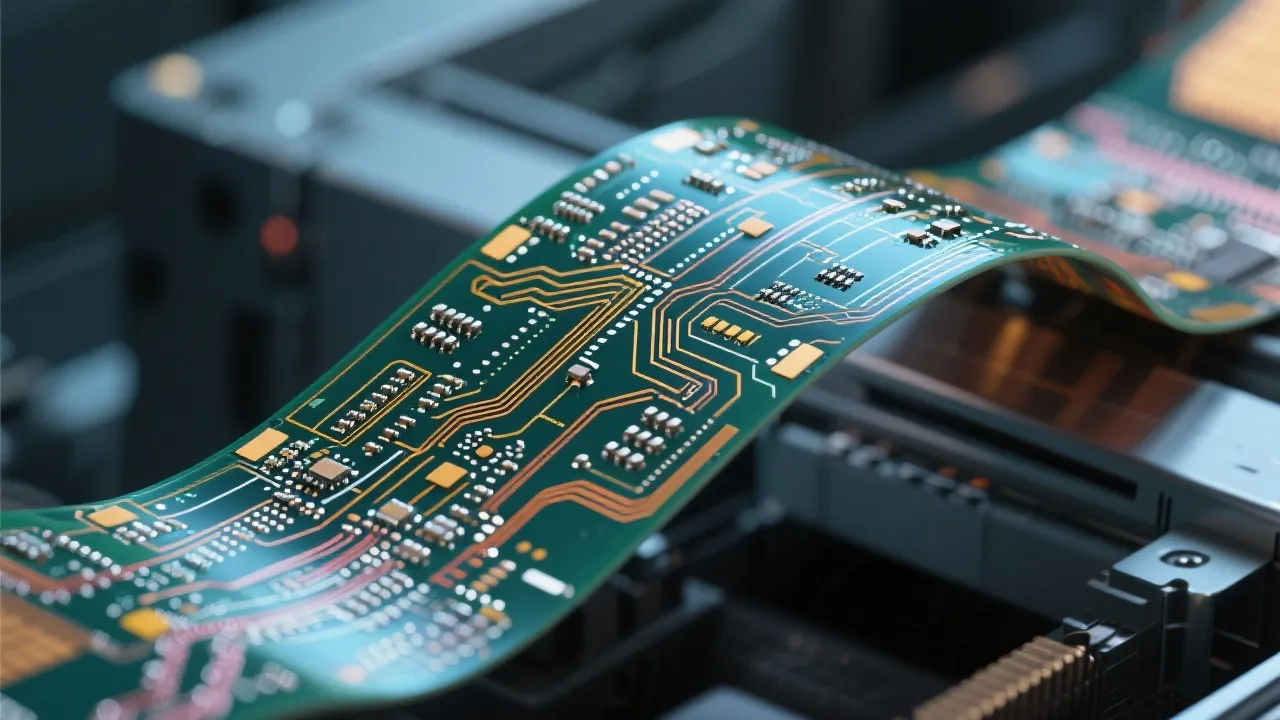
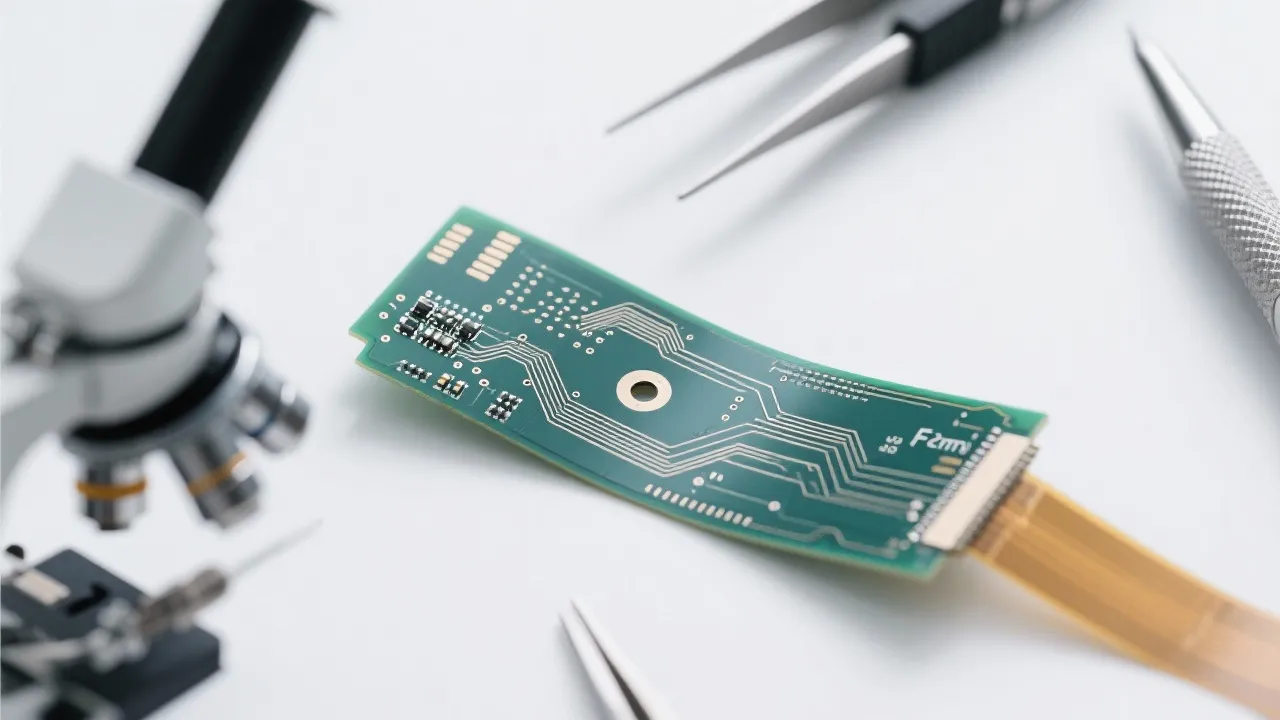
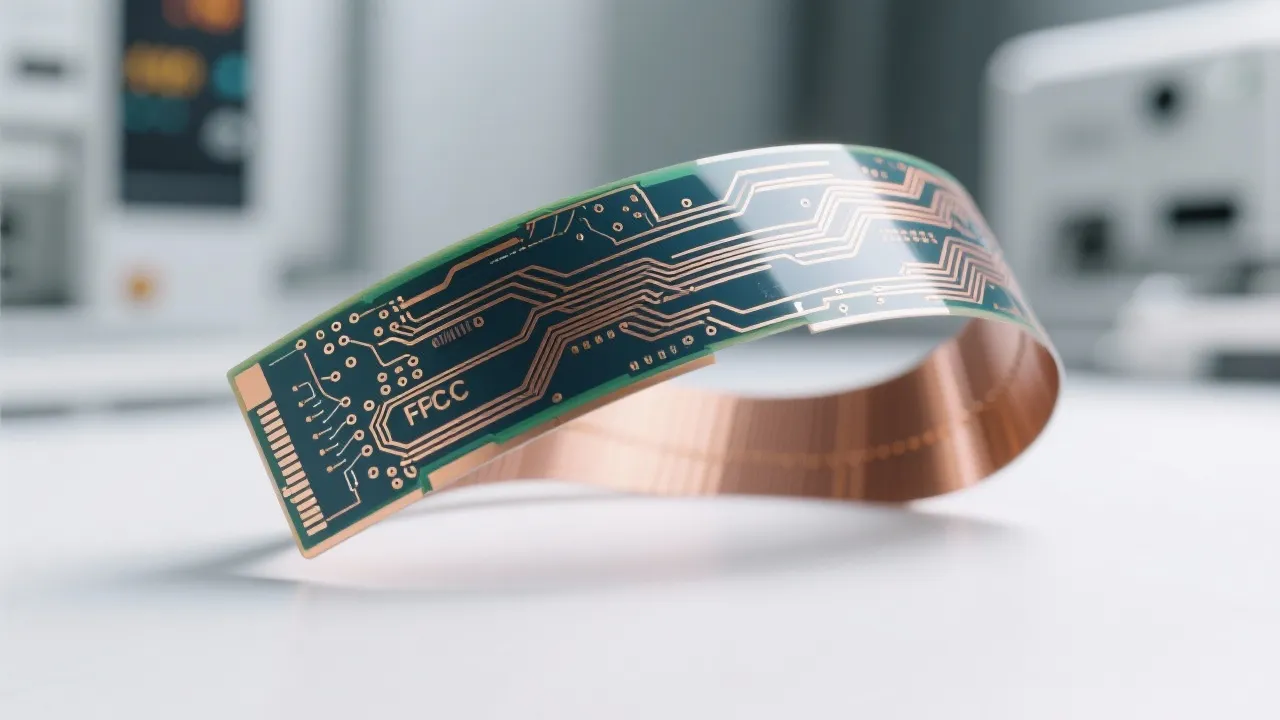
Flexible PCBs using polyimide (PI) substrates offer unique advantages in space-constrained designs, including foldable phones, wearables, medical devices, and automotive sensors. Their ability to bend, twist, and conform to irregular shapes makes them indispensable in modern miniaturized electronics.
| Criteria | Rigid PCB (FR-4) | Flexible PCB (PI) |
|---|---|---|
| Thermal Resistance | High (Tg ≥ 170°C) | Moderate to High |
| Flexibility | None | Yes |
| Current Capacity | Up to 12 oz copper possible | Typically up to 4 oz |
| Manufacturing Complexity | Standard process | Higher precision required |
As a trusted manufacturer of both rigid and flexible PCBs, Ruiheng Electronics brings over a decade of experience in delivering high-quality, customized solutions to global clients—including leading brands in the Philippines, Europe, and Southeast Asia.
Whether you need a robust, high-current rigid PCB or a lightweight, flexible solution for wearable tech, our engineering team supports you from prototype to full-scale production—with strict quality control, fast turnaround, and transparent communication.
 338
|
338
|
 industrial FPC line width precision
0.05mm FPC trace width
ENIG surface finish for FPC
flexible circuit board manufacturing process
optical image transfer in FPC
376
|
HDI PCB
warpage control
IPC-II standard
semiconductor test equipment
multi-layer stack-up design
71
|
FPC manufacturing defects
FPC bend cracking
FPC solder joint reliability
SMT reflow profile optimization
edge reinforcement design for flexible PCB
488
|
high precision fpc design
2mil trace width
4 layer flexible pcb
enig surface finish
ruiheng pcb
197
|
industrial FPC manufacturing defects
FPC bending crack prevention
SMT reflow soldering optimization
ENIG surface finish benefits
Ruiheng PCB flexible circuit solutions
industrial FPC line width precision
0.05mm FPC trace width
ENIG surface finish for FPC
flexible circuit board manufacturing process
optical image transfer in FPC
376
|
HDI PCB
warpage control
IPC-II standard
semiconductor test equipment
multi-layer stack-up design
71
|
FPC manufacturing defects
FPC bend cracking
FPC solder joint reliability
SMT reflow profile optimization
edge reinforcement design for flexible PCB
488
|
high precision fpc design
2mil trace width
4 layer flexible pcb
enig surface finish
ruiheng pcb
197
|
industrial FPC manufacturing defects
FPC bending crack prevention
SMT reflow soldering optimization
ENIG surface finish benefits
Ruiheng PCB flexible circuit solutions







-L4-4.png?x-oss-process=image/resize,m_fill,h_800,w_800/format,webp)