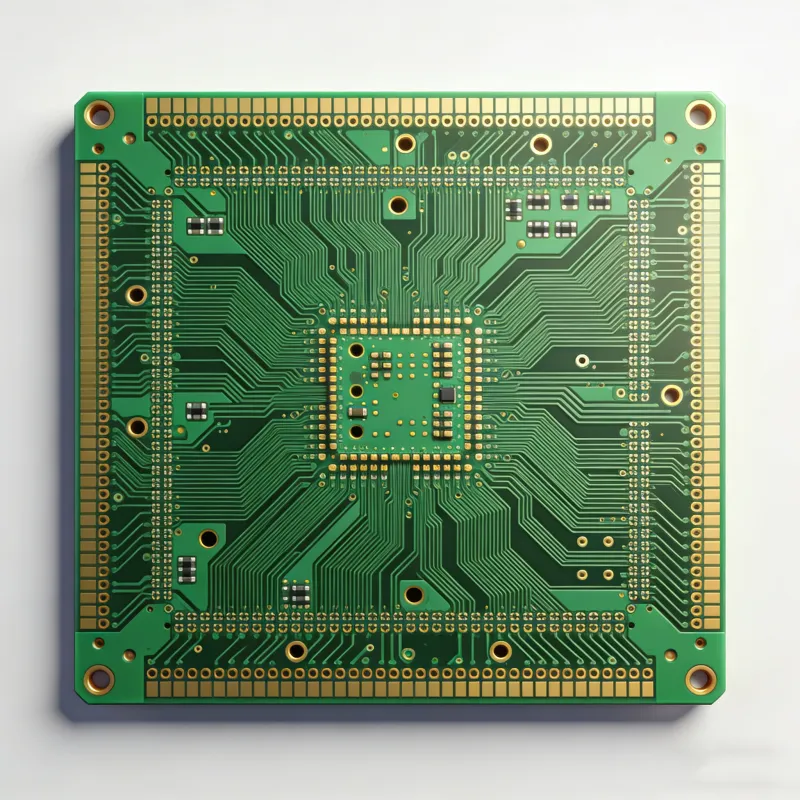
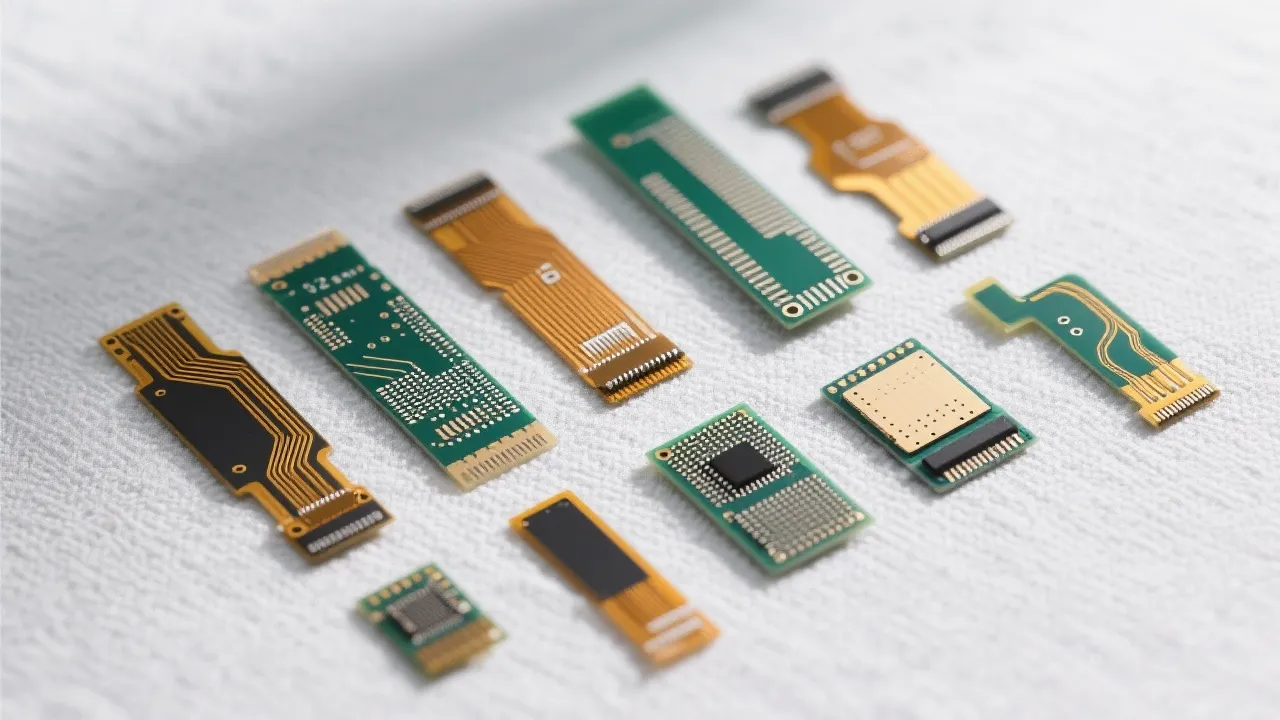
In the rapidly evolving world of consumer electronics, choosing the right printed circuit board (PCB) is critical for performance, reliability, and manufacturability. At Kunshan Ruiheng Electronic Technology Co., Ltd., we specialize in both rigid FR-4 and flexible PI-based PCBs—each designed to meet specific engineering needs across power systems, compact devices, and high-reliability applications.
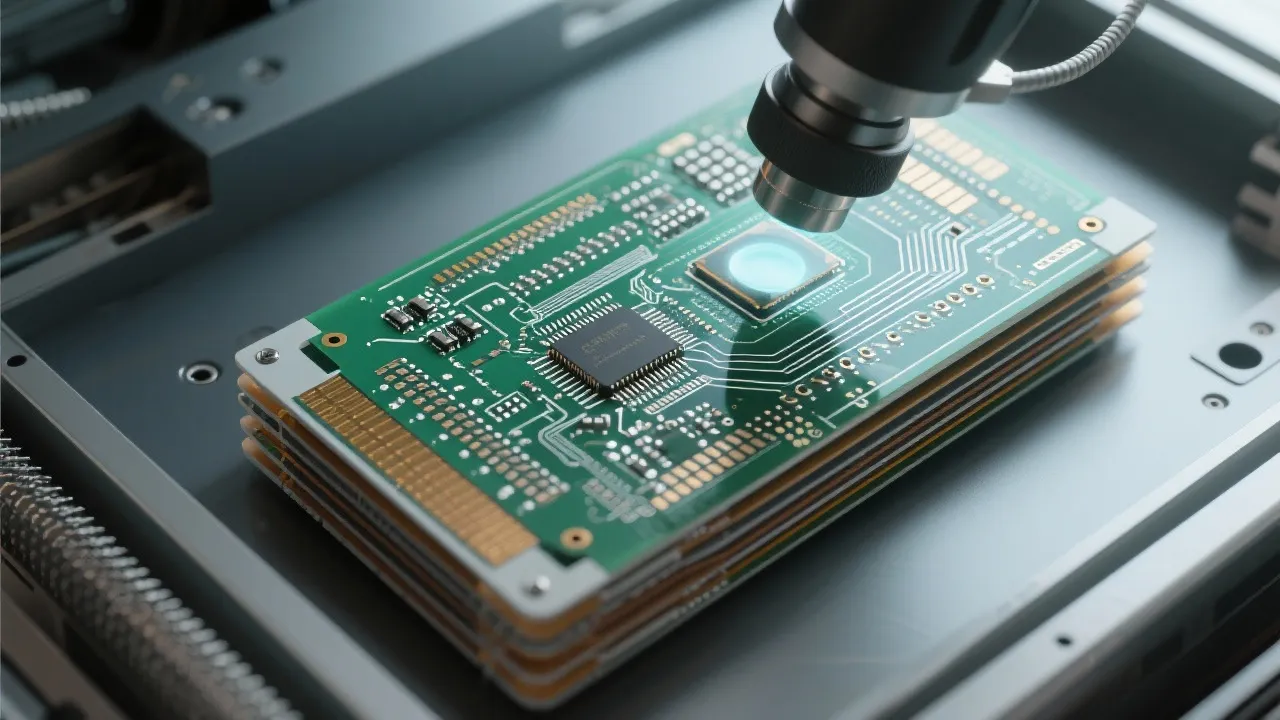
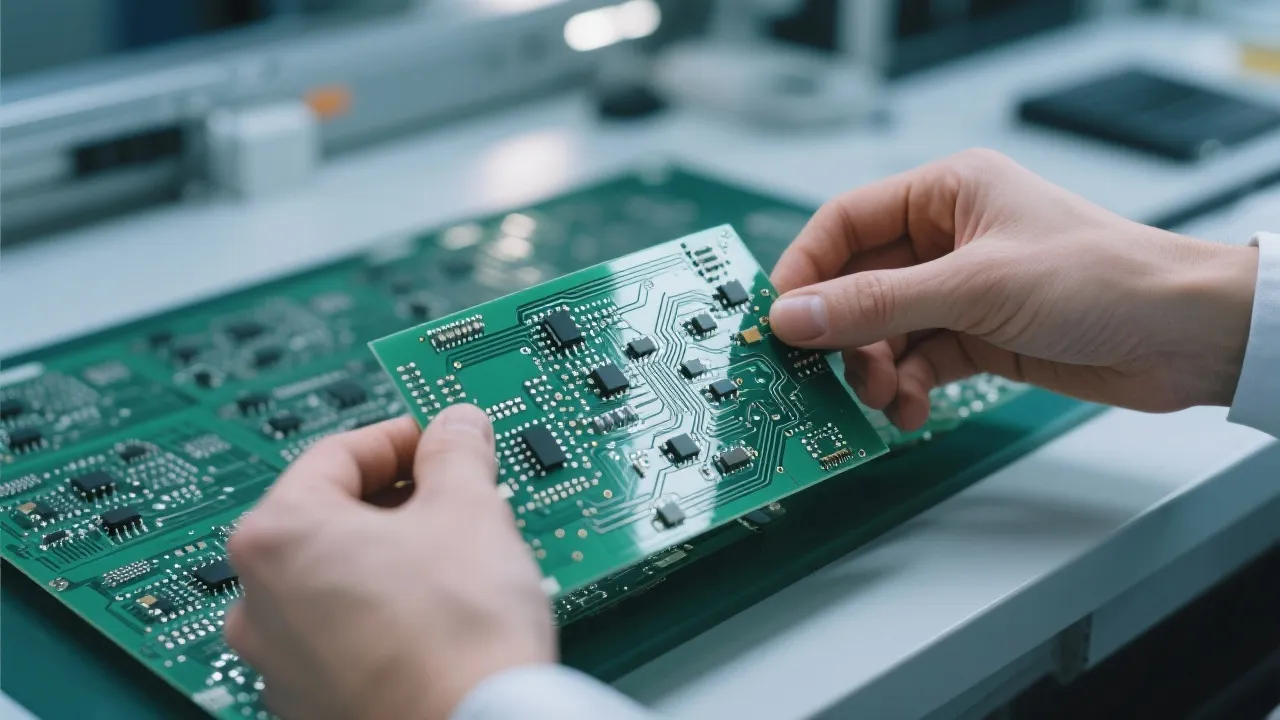
Both types are manufactured at our facility in Kunshan, China, with strict quality control processes ensuring precision, durability, and consistency—whether you're sourcing a single prototype or scaling to mass production.
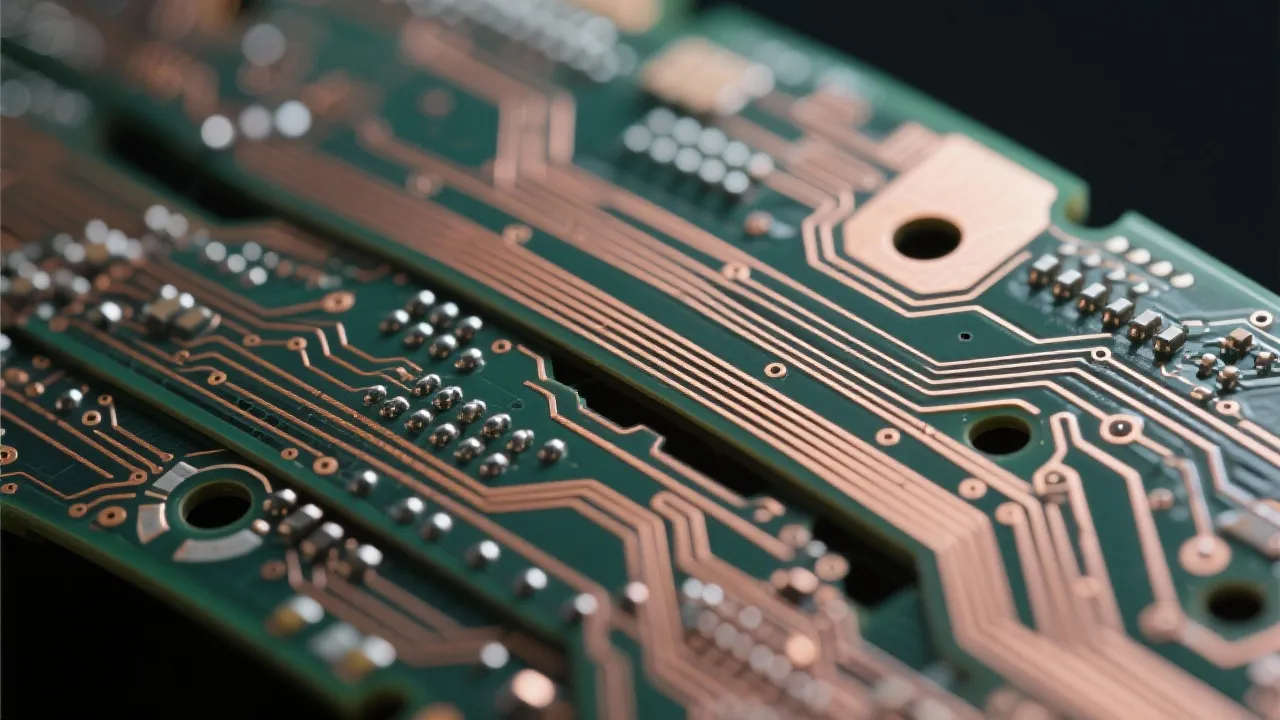
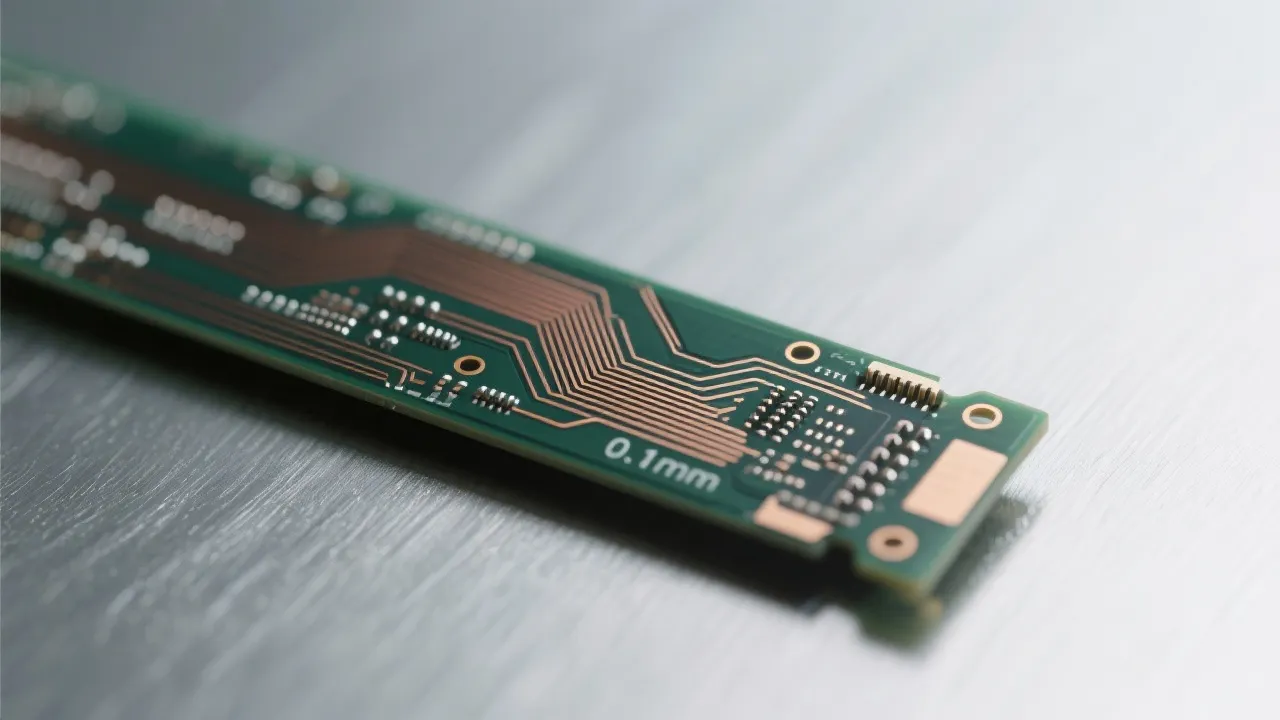
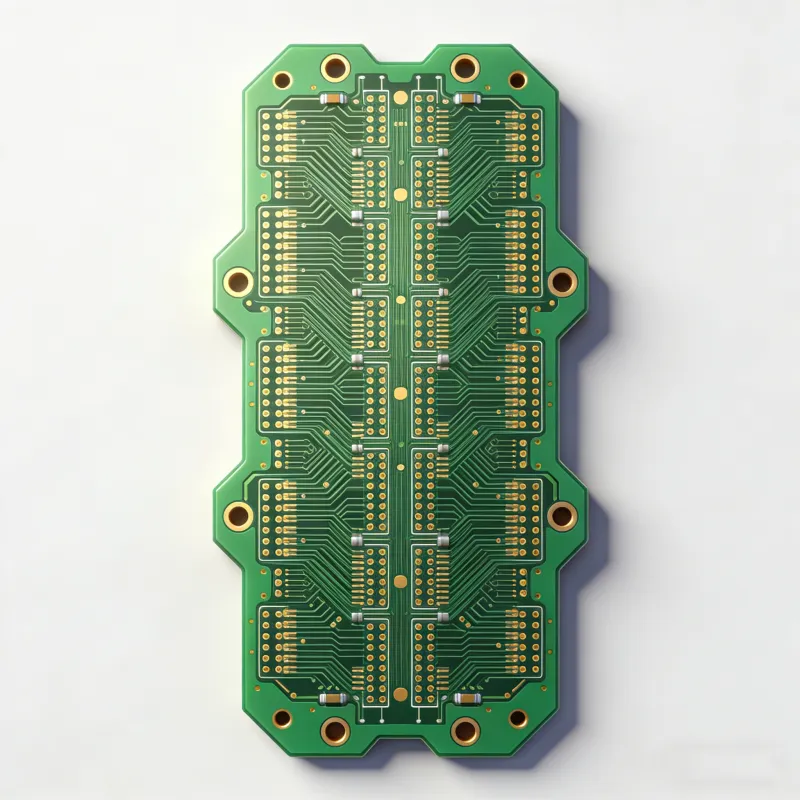
Our 4-layer 4 oz copper thick PCB exemplifies the advantages of rigid boards in demanding environments:
Trusted by global clients such as Emerson Philippines, this PCB demonstrates how rigid FR-4 solutions can deliver unmatched performance in advanced power electronics systems.
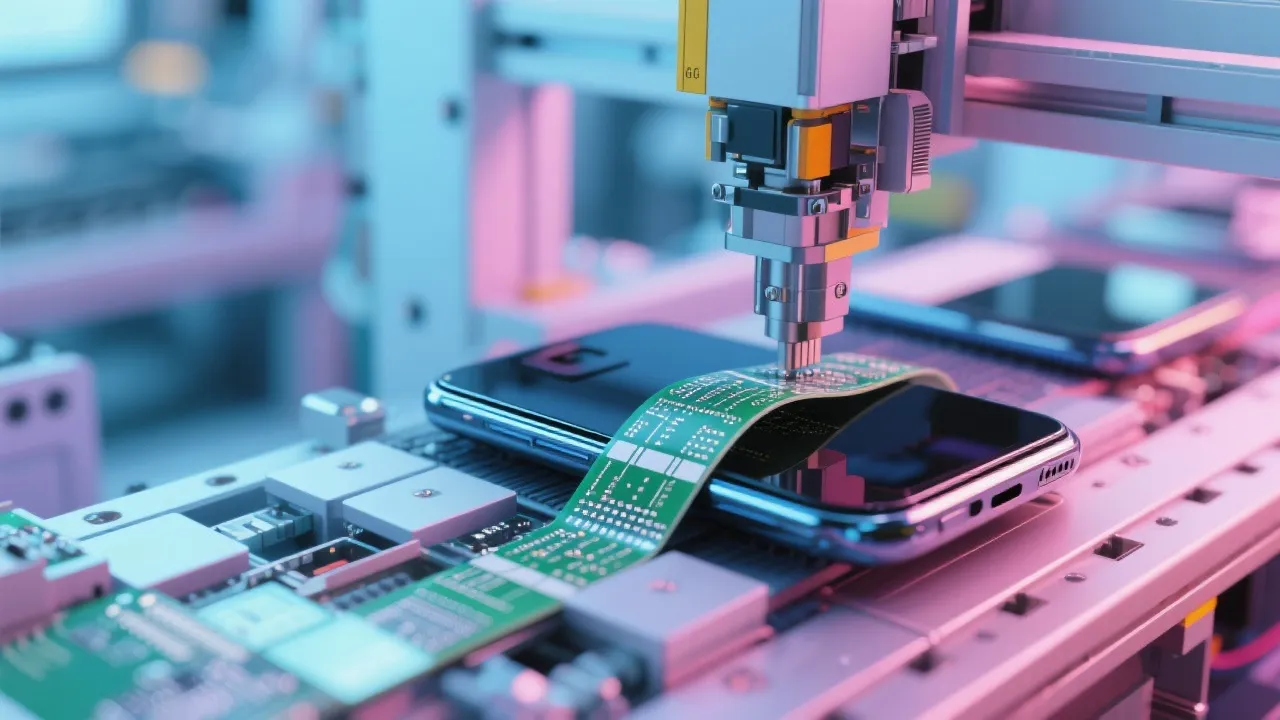
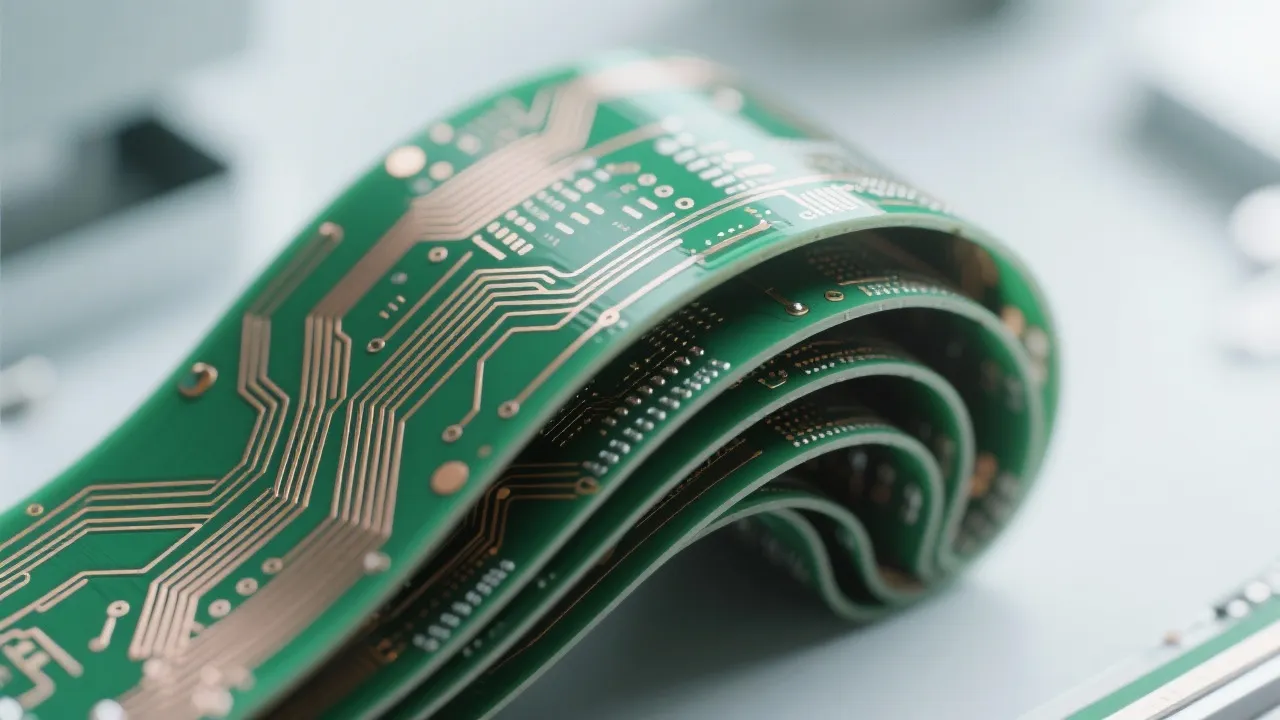
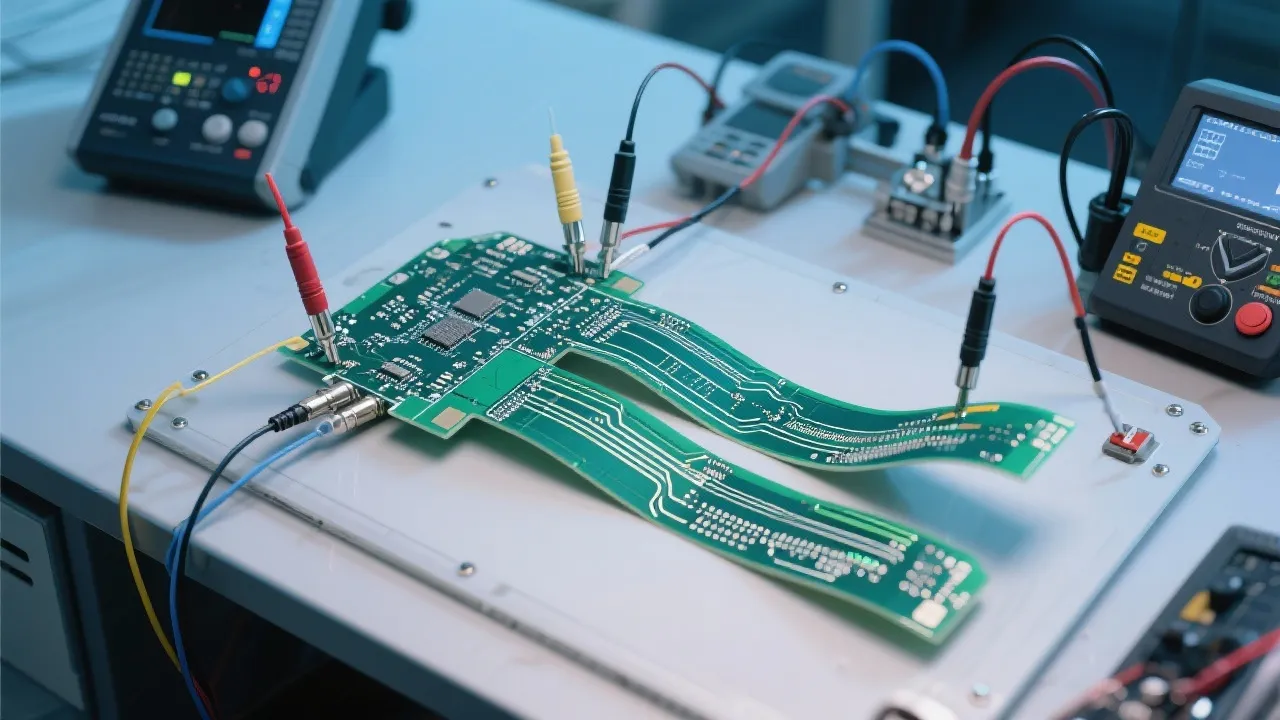
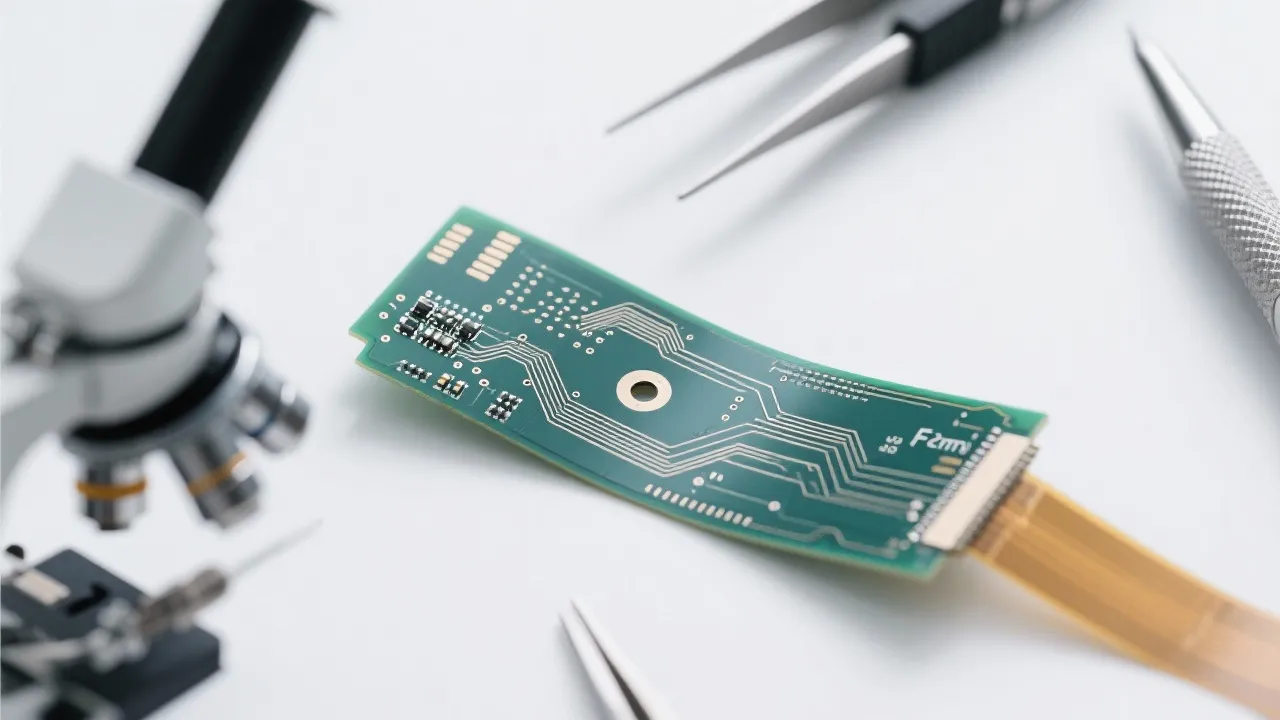
While rigid PCBs dominate many applications, flexible PCBs shine in scenarios requiring:
Ruiheng Electronics provides full-stack capabilities—from design consultation to prototyping and volume production—for both rigid and flexible PCBs tailored to your product roadmap.
Whether it's a robust 4-layer thick copper PCB for power electronics or a lightweight flexible solution for next-gen wearables, Ruiheng Electronics delivers precision-engineered products backed by over a decade of experience in global supply chains.
Let us help you optimize your design with materials that match your application’s demands—without compromising on quality, lead time, or cost efficiency.
 105
|
105
|
 industrial FPC line width precision
optical image transfer process
precision etching technology
ENIG surface finish
flexible circuit board manufacturing
403
|
ENIG surface finish
flexible PCB
solder reliability
corrosion resistance
PCB manufacturing
53
|
thick copper etching
4 oz copper PCB
high precision PCB design
solder mask for power PCBs
0.5mm microvia drilling
241
|
24 layer high frequency pcb design
pcb trace width optimization
signal integrity in multilayer pcb
impedance control in high frequency pcb
3mil trace pcb manufacturing
95
|
yellow cover film for FPC
high-frequency flexible PCB shielding
EMI protection in flexible circuits
FPC cover film selection guide
Ruiheng PCB
industrial FPC line width precision
optical image transfer process
precision etching technology
ENIG surface finish
flexible circuit board manufacturing
403
|
ENIG surface finish
flexible PCB
solder reliability
corrosion resistance
PCB manufacturing
53
|
thick copper etching
4 oz copper PCB
high precision PCB design
solder mask for power PCBs
0.5mm microvia drilling
241
|
24 layer high frequency pcb design
pcb trace width optimization
signal integrity in multilayer pcb
impedance control in high frequency pcb
3mil trace pcb manufacturing
95
|
yellow cover film for FPC
high-frequency flexible PCB shielding
EMI protection in flexible circuits
FPC cover film selection guide
Ruiheng PCB





-L4-4.png?x-oss-process=image/resize,m_fill,h_800,w_800/format,webp)
-1.png?x-oss-process=image/resize,m_fill,h_800,w_800/format,webp)