

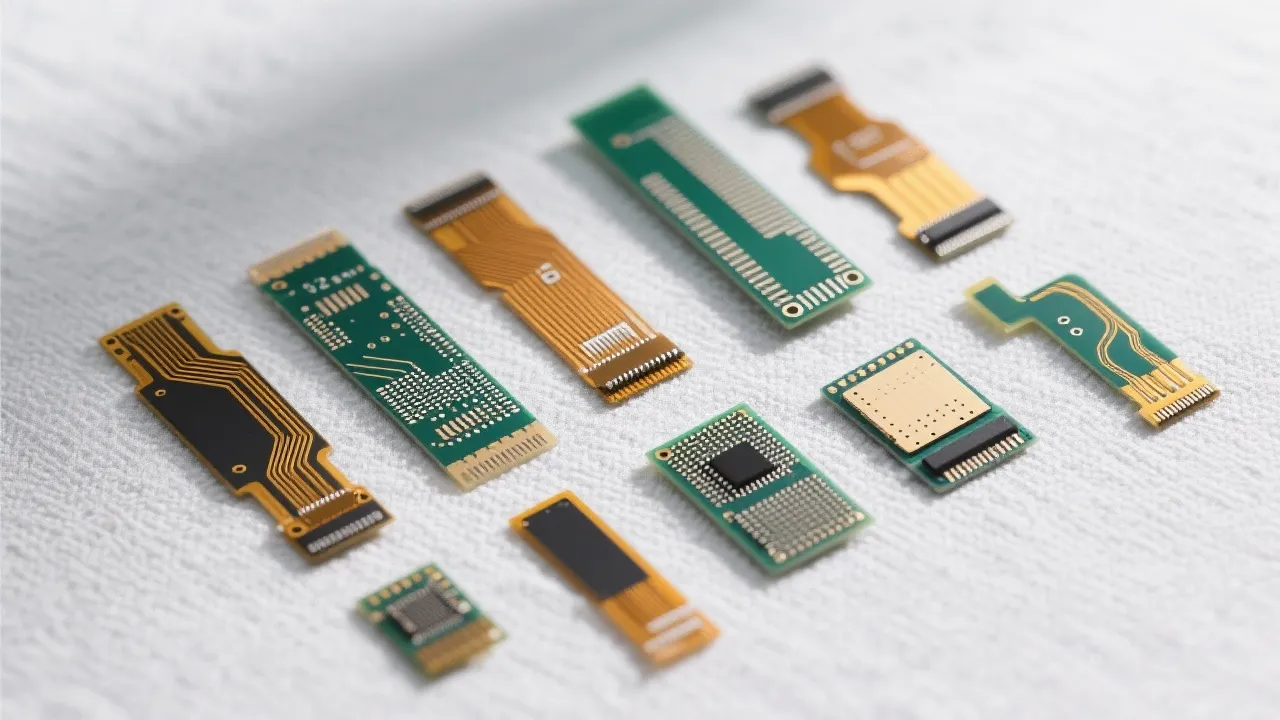
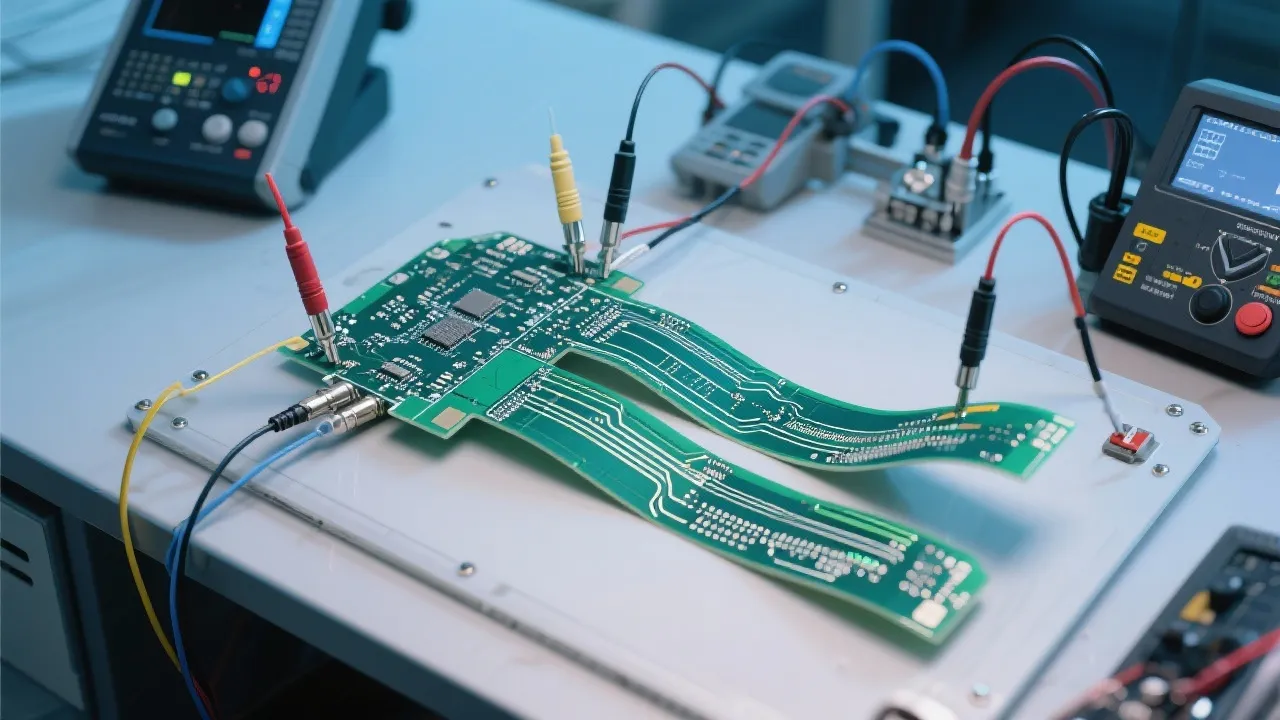
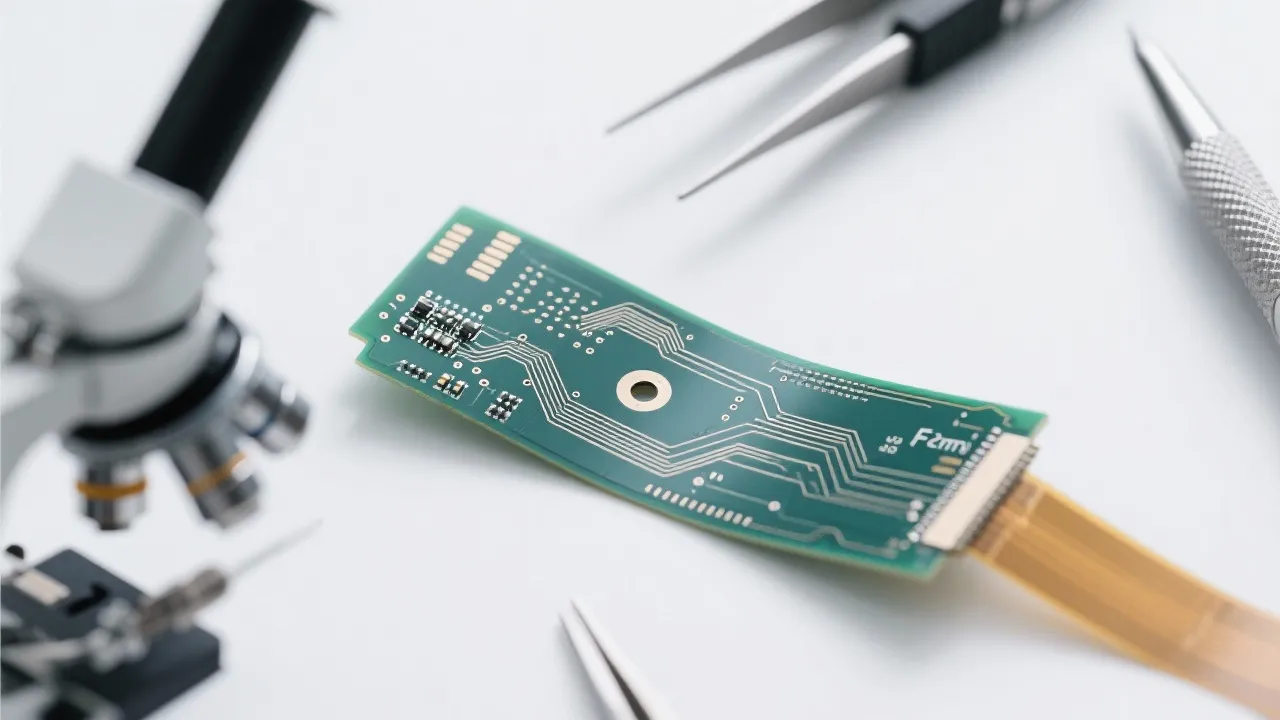
In the global electronics manufacturing landscape, choosing between rigid PCB (FR-4) and flexible PCB (PI) is a critical decision that impacts product performance, reliability, and scalability. At Kunshan Ruiheng Electronic Technology Co., Ltd., we specialize in both rigid and flexible circuit board solutions—each engineered for specific applications and environmental demands. This guide clarifies key distinctions to help procurement managers, engineers, and sourcing teams make informed decisions based on electrical needs, thermal stability, and long-term durability.
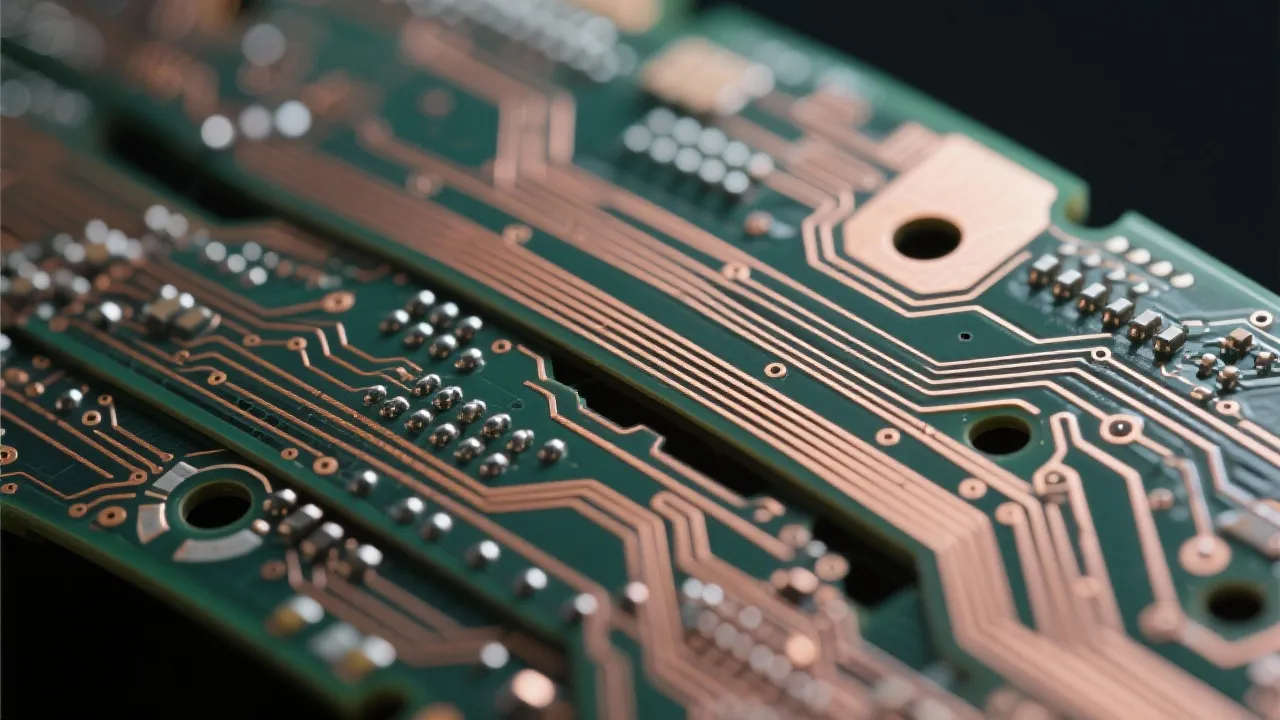
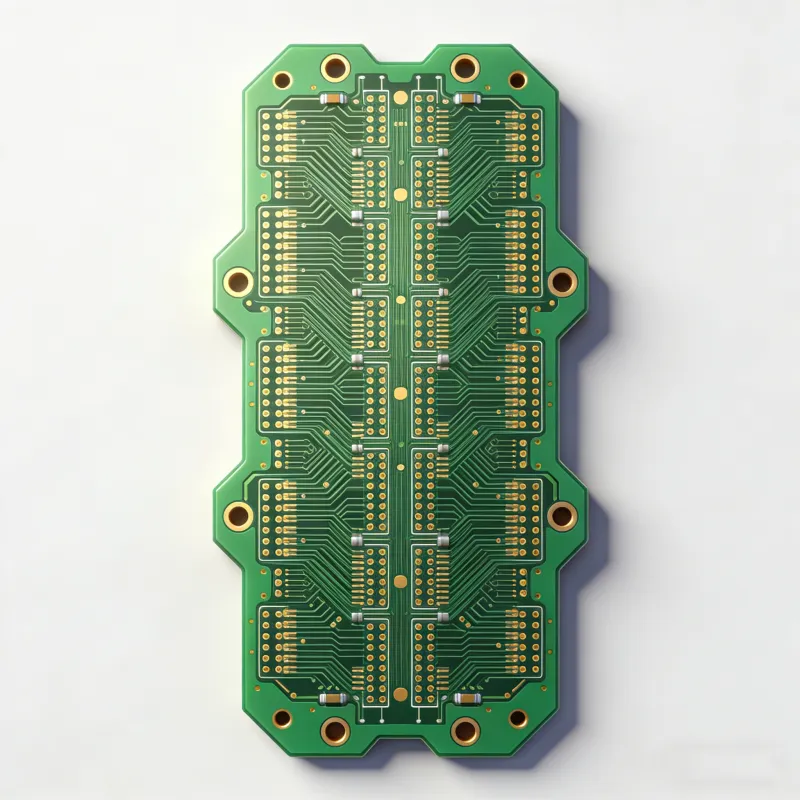
For power electronics—such as inverters, motor drives, and DC-DC converters—rigid PCBs with thick copper layers (like our 4-layer 4 oz heavy copper PCB) are often preferred due to their superior heat dissipation and current-carrying capacity. Our products feature:
“This 4-layer heavy copper PCB has been adopted by Emerson Philippines for their high-power switching modules due to its exceptional thermal management and signal integrity.” — Verified Client Feedback
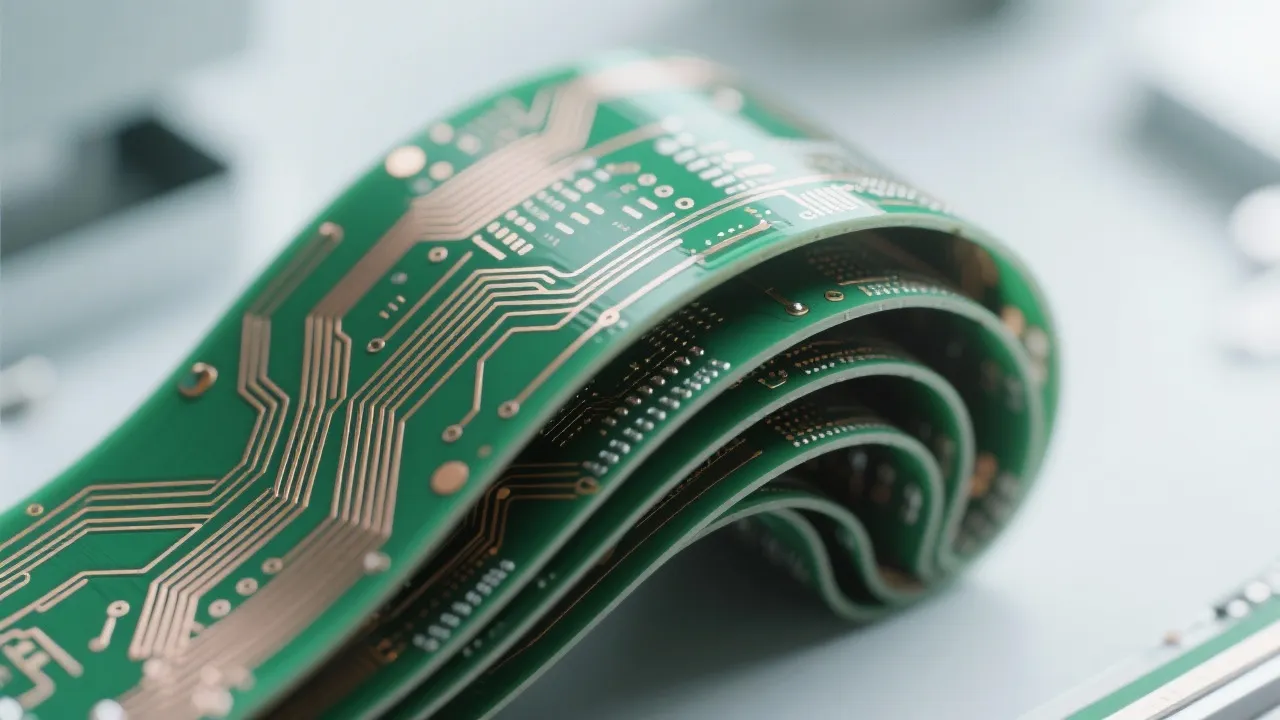
As a trusted manufacturer serving clients in Europe, Southeast Asia, and the Middle East, Ruiheng Electronics combines advanced production capabilities with rigorous quality assurance. Whether you need rigid PCBs for stable, high-performance power systems—or flexible PCBs for dynamic, space-sensitive applications—we deliver tailored solutions backed by over a decade of experience in PCB development and export compliance.
Our commitment to technical excellence, material consistency, and customer collaboration ensures that every board meets international standards—from small-batch prototypes to large-scale production runs.
 412
|
412
|
 HDI PCB manufacturing
0.1 mm laser microvia
0.5 mm back drilling
IPC Class 3 via plating
semiconductor test PCB
478
|
thick copper PCB etching
4oz copper PCB
high precision PCB traces
solder mask for power electronics
uniform etching process
407
|
four-layer thick copper PCB design
power electronics PCB thermal optimization
thick copper PCB minimum trace spacing
ENIG surface finish benefits
high Tg FR-4 applications
96
|
yellow cover film for FPC
high-frequency flexible PCB shielding
EMI protection in flexible circuits
FPC cover film selection guide
Ruiheng PCB
197
|
industrial FPC manufacturing defects
FPC bending crack prevention
SMT reflow soldering optimization
ENIG surface finish benefits
Ruiheng PCB flexible circuit solutions
HDI PCB manufacturing
0.1 mm laser microvia
0.5 mm back drilling
IPC Class 3 via plating
semiconductor test PCB
478
|
thick copper PCB etching
4oz copper PCB
high precision PCB traces
solder mask for power electronics
uniform etching process
407
|
four-layer thick copper PCB design
power electronics PCB thermal optimization
thick copper PCB minimum trace spacing
ENIG surface finish benefits
high Tg FR-4 applications
96
|
yellow cover film for FPC
high-frequency flexible PCB shielding
EMI protection in flexible circuits
FPC cover film selection guide
Ruiheng PCB
197
|
industrial FPC manufacturing defects
FPC bending crack prevention
SMT reflow soldering optimization
ENIG surface finish benefits
Ruiheng PCB flexible circuit solutions








-1.png?x-oss-process=image/resize,m_fill,h_800,w_800/format,webp)
-4.png?x-oss-process=image/resize,m_fill,h_800,w_800/format,webp)
