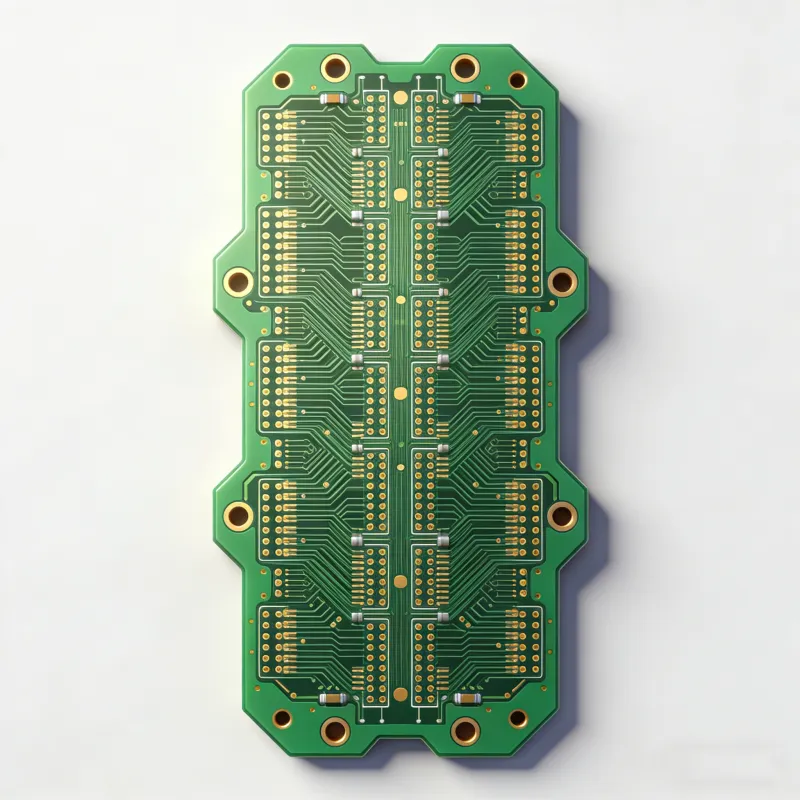
At Kunshan Ruiheng Electronic Technology Co., Ltd., we specialize in both rigid and flexible PCB solutions tailored for high-performance applications in power electronics, industrial systems, and beyond. This guide clarifies the core distinctions between rigid and flexible printed circuit boards—material composition, structural characteristics, performance traits, and real-world use cases—to help engineers and procurement teams make informed decisions for their next project.
A rigid PCB (Printed Circuit Board) is constructed from a solid substrate such as FR-4, which provides mechanical stability and electrical insulation. These boards are commonly used in devices requiring durability, heat resistance, and precise layout control—such as power supplies, motor controllers, and embedded systems.
Example: Our 4-layer 4 oz thick copper rigid PCB (80mm x 80mm, 1.6mm thickness) is designed specifically for power converters and high-current circuits where consistent current distribution and thermal management are critical.
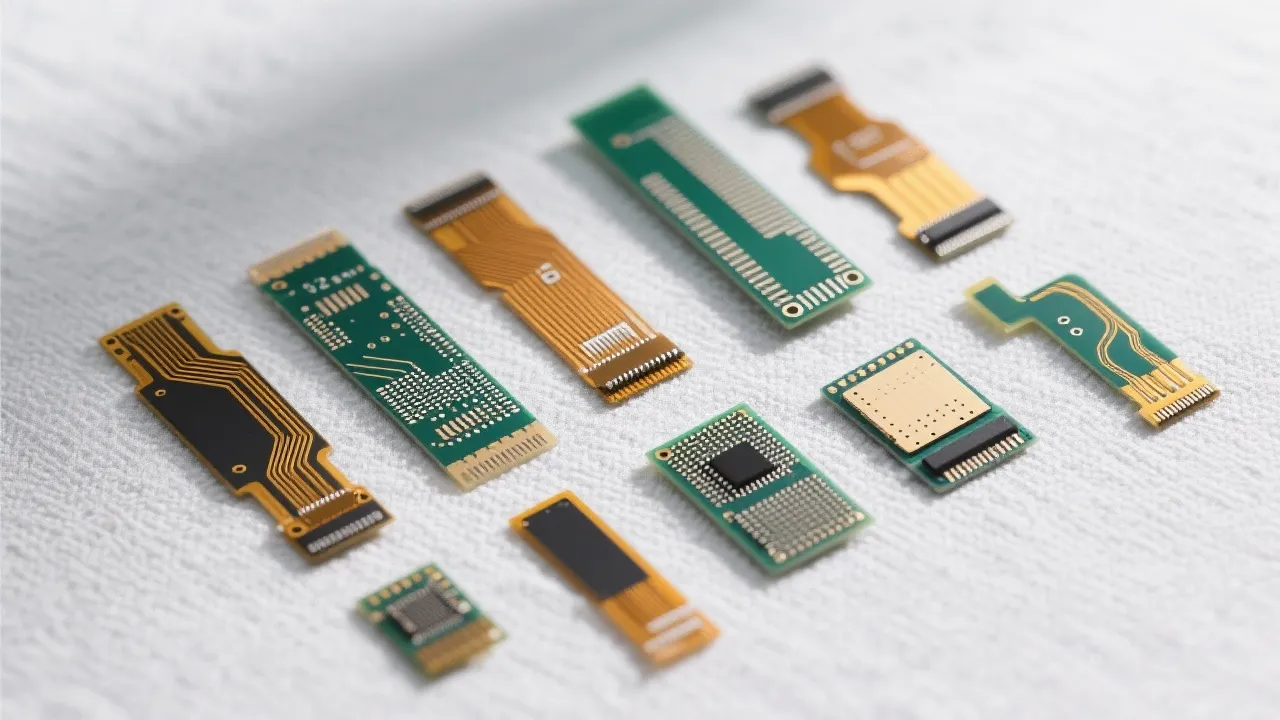
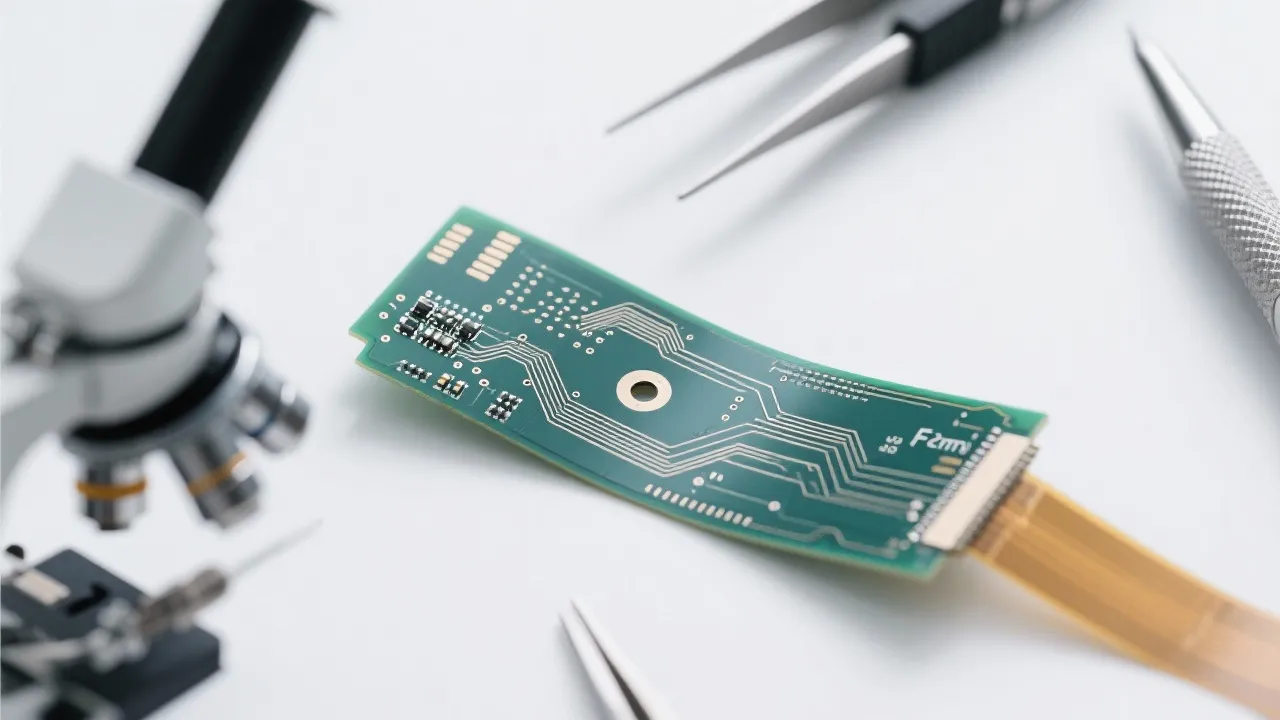
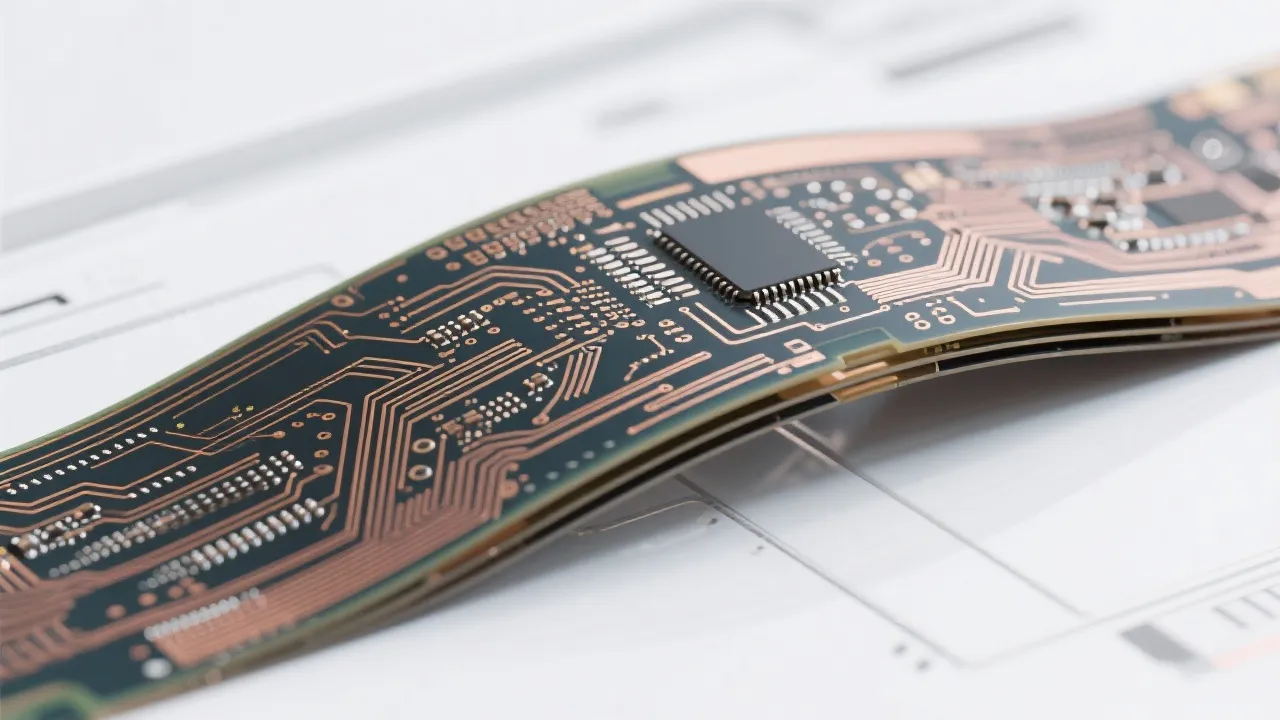
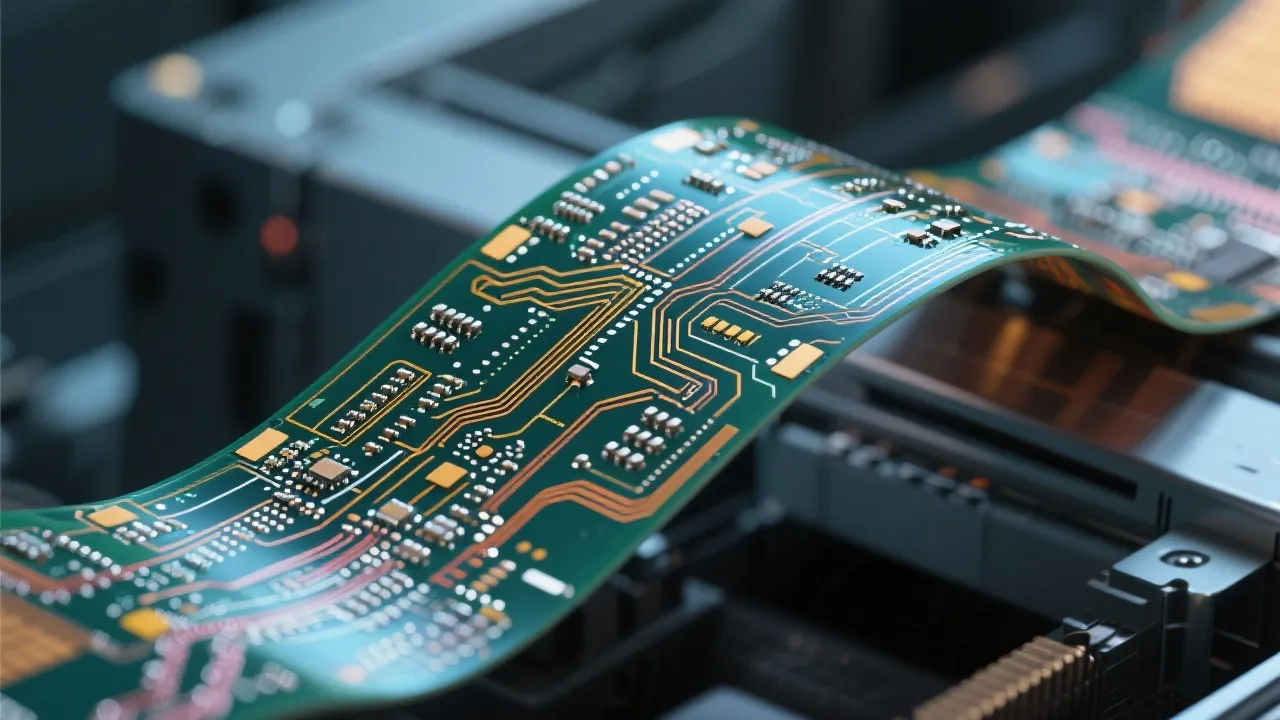
A flexible PCB uses a bendable substrate like polyimide (PI), enabling conformal designs that fit into compact or moving components. Ideal for space-constrained environments, these boards offer dynamic flexibility while maintaining reliable signal integrity.
Note: While our focus here is on rigid PCBs, we also provide full-service flexible PCB manufacturing capabilities to support complex product architectures requiring foldable or curved form factors.
| Feature | Rigid PCB | Flexible PCB |
|---|---|---|
| Substrate Material | FR-4 (rigid) | Polyimide (flexible) |
| Thermal Stability | High (Tg ≥ 170°C) | Good (up to 260°C continuous) |
| Current Capacity | Excellent (e.g., 4 oz Cu layers) | Moderate (depends on thickness) |
| Design Flexibility | Fixed geometry | Conformable, bendable |
| Typical Use Cases | Power supplies, servers, industrial controls | Wearables, cameras, mobile devices |
For power electronics applications—such as inverters, battery management systems, and DC-DC converters—rigid PCBs offer unmatched advantages:
As demonstrated by our successful partnerships with clients like Emerson Philippines, this approach delivers robustness, repeatability, and scalability for mission-critical systems.
Whether you're designing a new power module or optimizing an existing system, understanding the differences between rigid and flexible PCBs helps ensure your choice aligns with both functional requirements and manufacturing feasibility.
Kunshan Ruiheng Electronic Technology Co., Ltd. offers end-to-end support—from prototype development to mass production—for both rigid and flexible PCBs. Let us help you build better, faster, and more reliably.
 498
|
498
|
 ENIG surface finish
flexible PCB
high precision FPC
signal integrity
PCB corrosion resistance
338
|
industrial FPC line width precision
0.05mm FPC trace width
ENIG surface finish for FPC
flexible circuit board manufacturing process
optical image transfer in FPC
59
|
FR-4 PCB
PI flexible PCB
selection guide
consumer electronics PCB
Kunshan Ruiheng Electronic Technology Co., Ltd.
412
|
HDI PCB manufacturing
0.1 mm laser microvia
0.5 mm back drilling
IPC Class 3 via plating
semiconductor test PCB
478
|
thick copper PCB etching
4oz copper PCB
high precision PCB traces
solder mask for power electronics
uniform etching process
ENIG surface finish
flexible PCB
high precision FPC
signal integrity
PCB corrosion resistance
338
|
industrial FPC line width precision
0.05mm FPC trace width
ENIG surface finish for FPC
flexible circuit board manufacturing process
optical image transfer in FPC
59
|
FR-4 PCB
PI flexible PCB
selection guide
consumer electronics PCB
Kunshan Ruiheng Electronic Technology Co., Ltd.
412
|
HDI PCB manufacturing
0.1 mm laser microvia
0.5 mm back drilling
IPC Class 3 via plating
semiconductor test PCB
478
|
thick copper PCB etching
4oz copper PCB
high precision PCB traces
solder mask for power electronics
uniform etching process






-L4-4.png?x-oss-process=image/resize,m_fill,h_800,w_800/format,webp)
-4.png?x-oss-process=image/resize,m_fill,h_800,w_800/format,webp)