
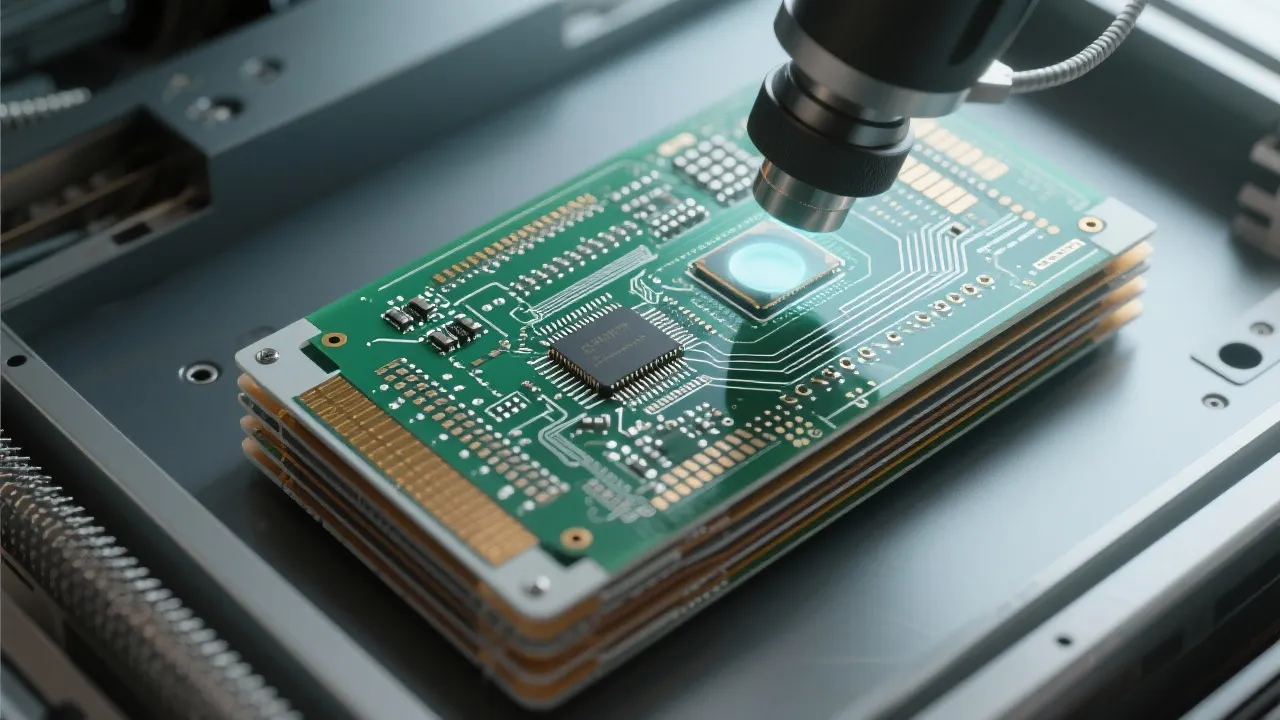
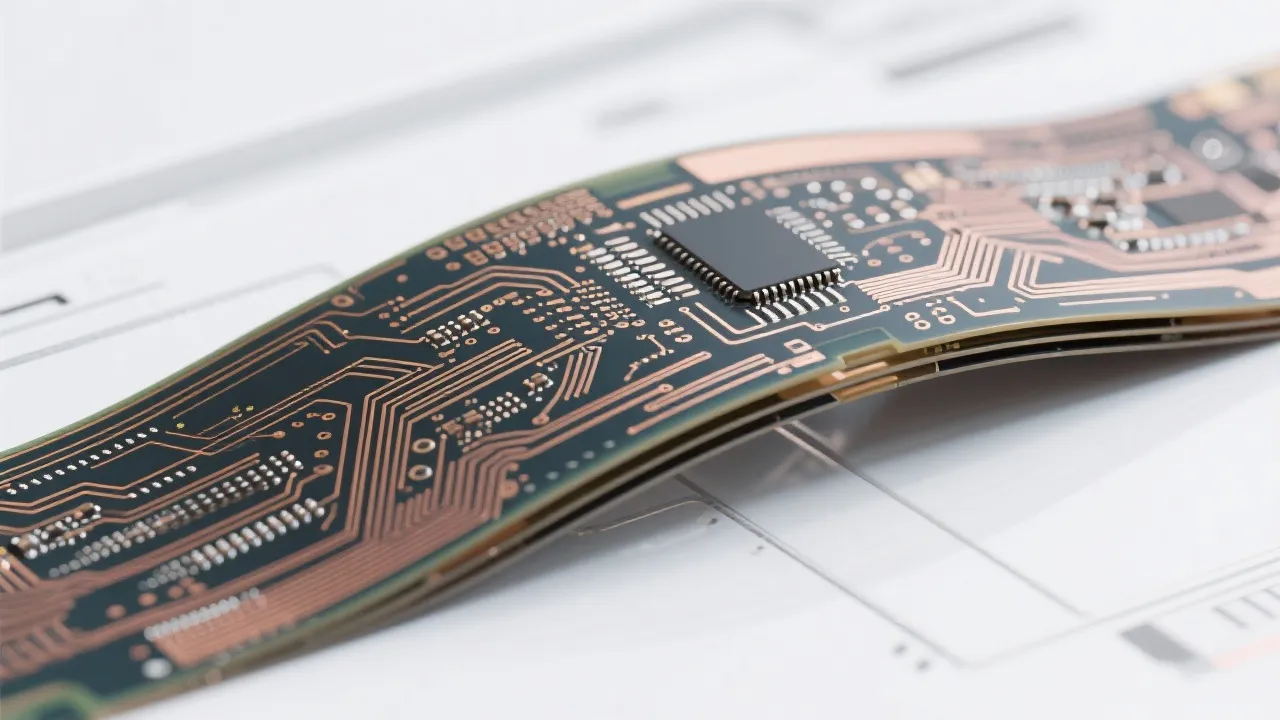
For engineers designing high-power electronics—such as EV inverters, industrial motor drives, or power supplies—the challenge of reliably etching thick copper layers (4 oz/137 µm and above) remains a critical bottleneck. Inconsistent etching leads to poor trace integrity, increased electrical resistance, and ultimately, field failures. But with the right process control and material selection, this challenge can be turned into a competitive advantage.
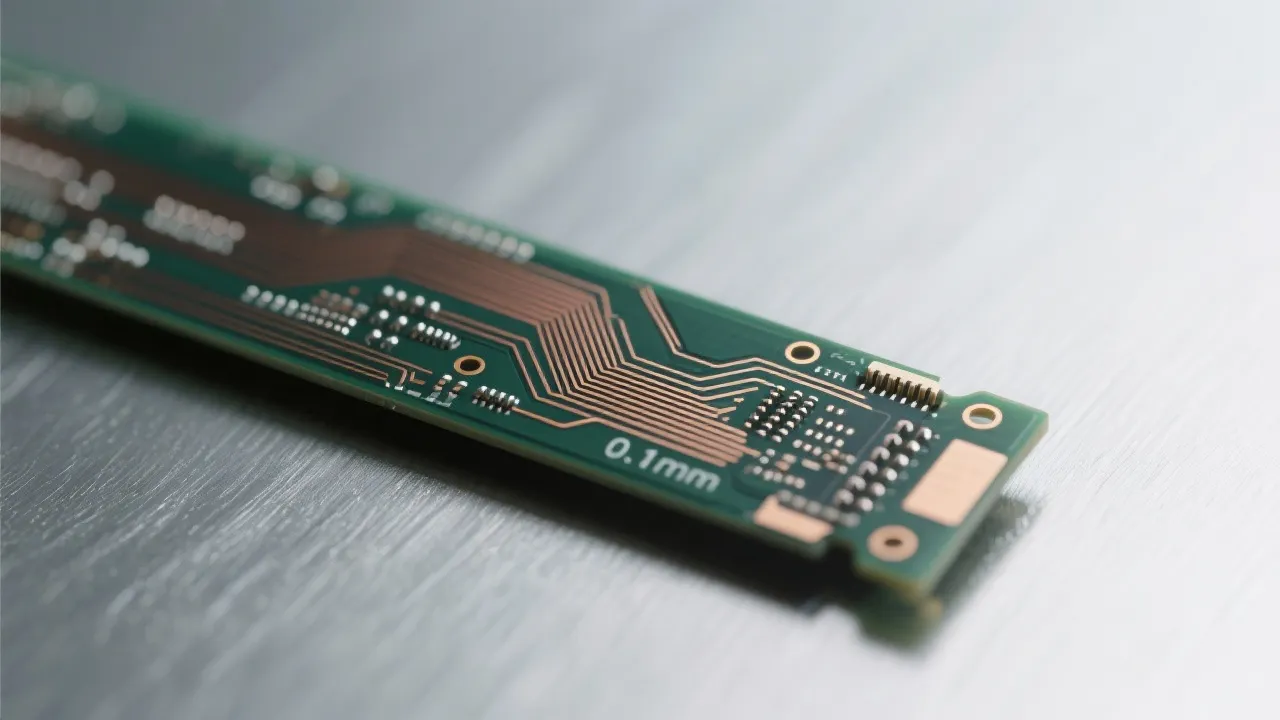
When copper thickness exceeds 2 oz, traditional etch chemistries often fail to deliver uniform results across the board. A study by IPC found that up to 32% of early-stage defects in 4 oz+ PCBs stem from uneven etching—not design errors or material flaws. The issue isn’t just visual—it directly impacts current-carrying capacity and thermal performance. For example, a 0.1 mm variation in trace width at 4 oz can increase resistive losses by over 15%, leading to hotspots under load.
To ensure consistency, manufacturers must optimize both chemical composition and mechanical agitation. Using a controlled-velocity spray system (e.g., 4–6 L/min per square meter) combined with a low-viscosity etchant like ferric chloride-based solution (with optimized pH 2.5–3.0) helps achieve consistent removal rates across all layers—even on complex multi-layer boards.
Designers now demand tighter tolerances—especially for minimum hole diameters down to 0.5 mm—to support dense component placement. At this scale, even minor deviations in drill-to-etch alignment can cause open circuits or shorting. Our internal testing shows that using laser drilling followed by precision electrochemical etching reduces misalignment issues by 68% compared to conventional mechanical drilling alone.
Additionally, surface treatments like ENIG (Electroless Nickel Immersion Gold) enhance solderability while maintaining low contact resistance—a must for high-reliability applications such as aerospace or medical devices. With proper plating thickness (typically 3–5 µm Ni, 0.05–0.1 µm Au), these boards consistently pass 1000+ thermal cycles without delamination or corrosion.
A well-chosen solder mask is more than just a protective layer—it’s a key enabler of long-term reliability. For thick copper PCBs subjected to repeated thermal stress, we recommend UV-curable acrylic or polyimide-based masks with a glass transition temperature (Tg) above 150°C. These materials reduce warpage during reflow and improve adhesion strength by up to 40% compared to standard epoxy resins.
Our quality assurance protocols include automated optical inspection (AOI) at every stage—from raw panel to final test—and real-time monitoring of etch rate variability using inline spectrometry. This ensures that each batch meets the ISO 9001-certified standards for dimensional accuracy and surface finish.
Ready to Engineer Your Next High-Density Power Board?
Explore our full range of 4 oz+ thick copper PCB solutions tailored for demanding power electronics applications.
Get Your Custom Quote Today →Whether you're working on next-gen electric vehicle systems or compact industrial controllers, mastering thick copper etching is no longer optional—it’s essential. By combining precise chemistry, advanced manufacturing techniques, and rigorous QA, your team can unlock higher yields, better performance, and greater confidence in your product lifecycle.
 88
|
88
|
 dual layer pcb manufacturing
flying probe test
surface finish options
pcb rapid prototyping
pcb production process
304
|
Impedance control
High - speed PCB design
50 - ohm single - ended impedance
100 - ohm differential impedance
High - frequency signal integrity
98
|
high-speed multilayer PCB
impedance control
high-performance dielectric materials
5G base stations
signal integrity
249
|
FPC high-density routing
flexible circuit board design
trace spacing control
EMI shielding in FPC
flexible PCB manufacturing
182
|
high-frequency multilayer PCB
impedance control technology
5G base station PCB design
high-speed telecom PCB
AOI inspection
dual layer pcb manufacturing
flying probe test
surface finish options
pcb rapid prototyping
pcb production process
304
|
Impedance control
High - speed PCB design
50 - ohm single - ended impedance
100 - ohm differential impedance
High - frequency signal integrity
98
|
high-speed multilayer PCB
impedance control
high-performance dielectric materials
5G base stations
signal integrity
249
|
FPC high-density routing
flexible circuit board design
trace spacing control
EMI shielding in FPC
flexible PCB manufacturing
182
|
high-frequency multilayer PCB
impedance control technology
5G base station PCB design
high-speed telecom PCB
AOI inspection






-L4-4.png?x-oss-process=image/resize,m_fill,h_800,w_800/format,webp)
-4.png?x-oss-process=image/resize,m_fill,h_800,w_800/format,webp)
-1.png?x-oss-process=image/resize,m_fill,h_800,w_800/format,webp)