
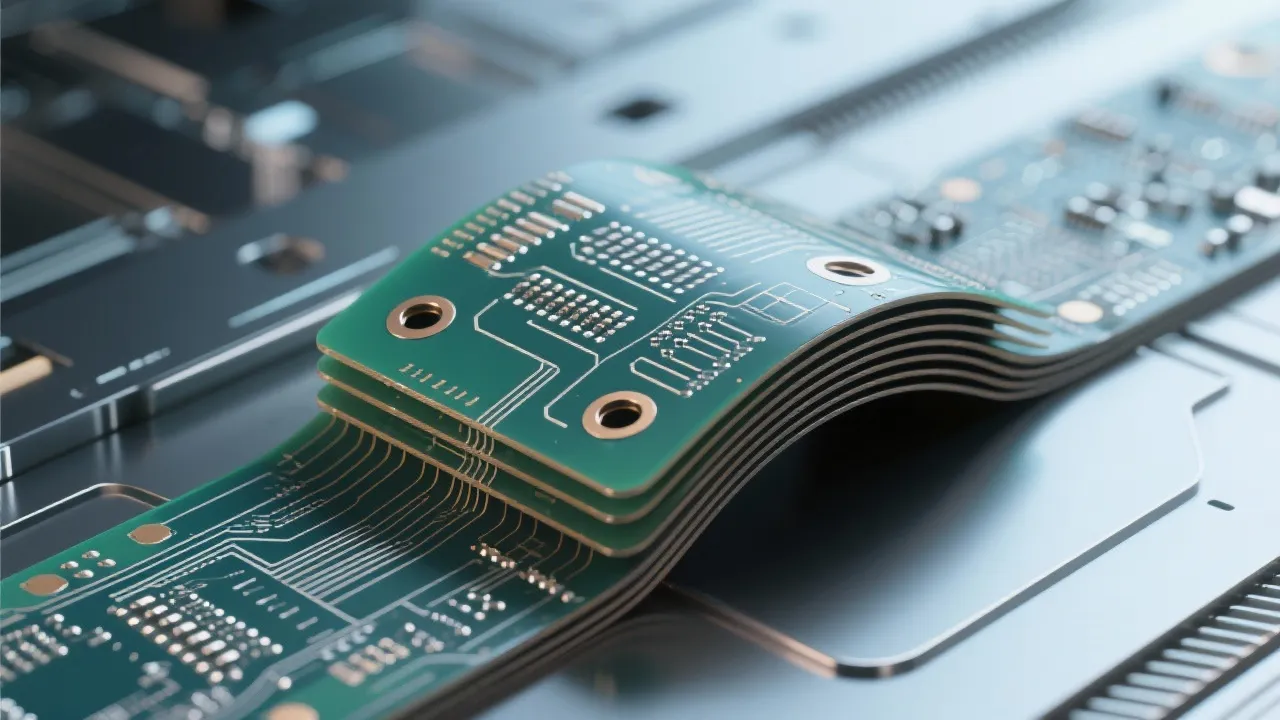
When designing power electronics PCBs, one of the most critical challenges engineers face is achieving consistent etching on copper layers exceeding 4 oz/ft²—especially when precision routing and mechanical durability are non-negotiable. This guide dives deep into real-world technical hurdles and proven solutions used by leading manufacturers to produce high-reliability thick copper PCBs for industrial, automotive, and renewable energy applications.
Standard etching methods often fail at 4 oz (137 µm) or higher due to uneven chemical reaction rates across thick copper profiles. According to IPC-4562 standards, non-uniform etch depth can exceed ±15% without optimized process control. To maintain circuit integrity, advanced techniques like pulsed current etching and multi-stage developer chemistry must be implemented. For instance, a case study from a Tier-1 EV supplier showed that switching from conventional batch etching to continuous flow etching improved yield from 82% to 96% on 6 oz copper boards.
The choice of solder mask directly impacts long-term thermal and mechanical stability. Epoxies with low Tg values (<120°C) may delaminate under repeated thermal cycling—a common issue in motor drives and inverters. We recommend using UV-curable acrylics or polyimide-based masks rated for >180°C operating temps. A comparative test conducted by UMC demonstrated that polyimide masks retained adhesion after 500 thermal shock cycles (−40°C to +150°C), while standard epoxy failed at cycle 250.
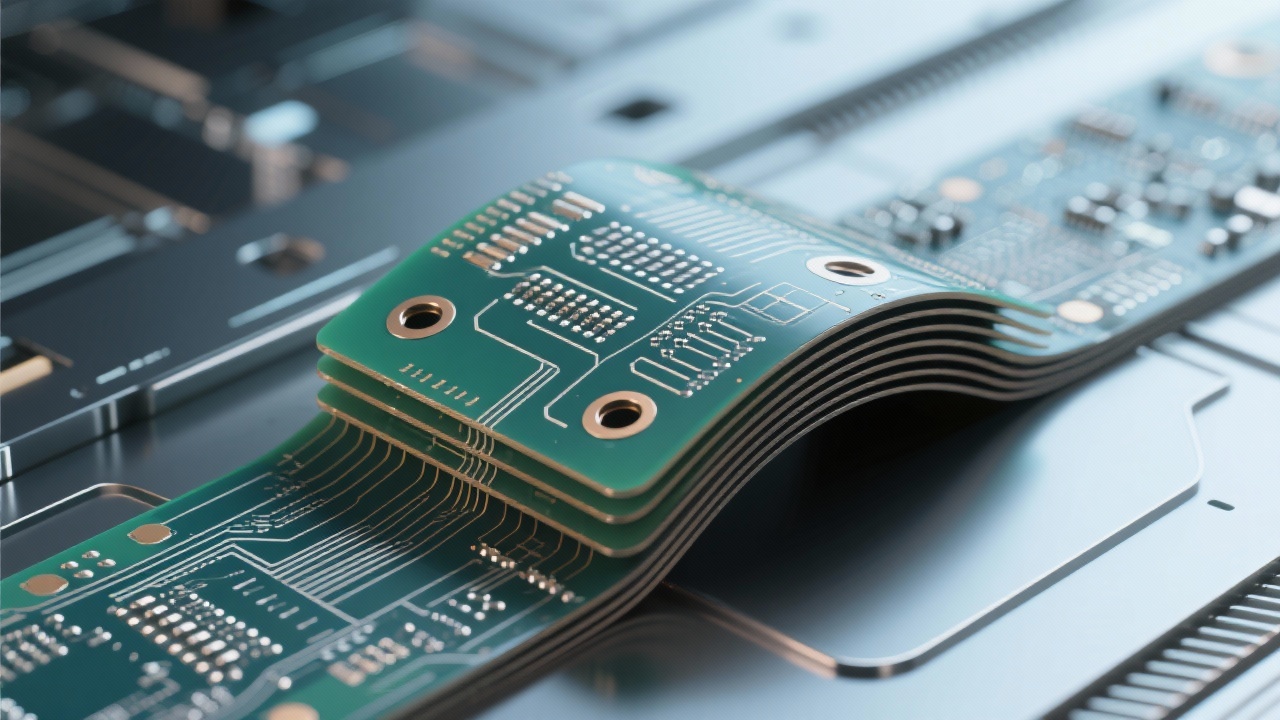
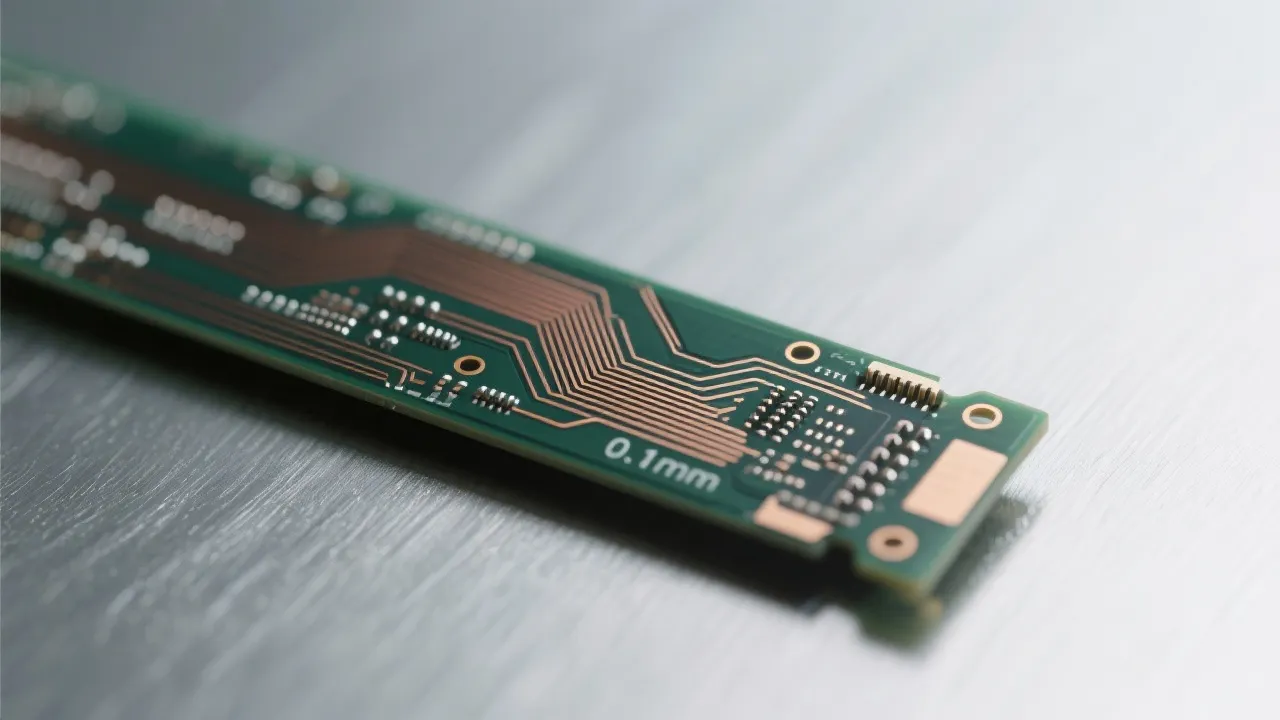
As board densities increase, drilling holes as small as 0.5 mm becomes essential—not just for signal integrity but also for mechanical anchoring in vibration-prone environments. Using laser drilling instead of mechanical drills reduces burr formation by up to 70%, per a 2023 report from PCDM. Additionally, implementing automated drill path optimization software ensures hole-to-hole positional accuracy within ±0.02 mm—critical for high-density surface mount assembly.
Top-tier manufacturers now integrate inline AOI (Automated Optical Inspection) systems with real-time data logging. These tools catch defects early—like partial etching or microcracks in solder mask—before they escalate. One European PCB maker reported a 40% reduction in rework costs after deploying AI-powered AOI that flagged anomalies based on historical failure patterns.
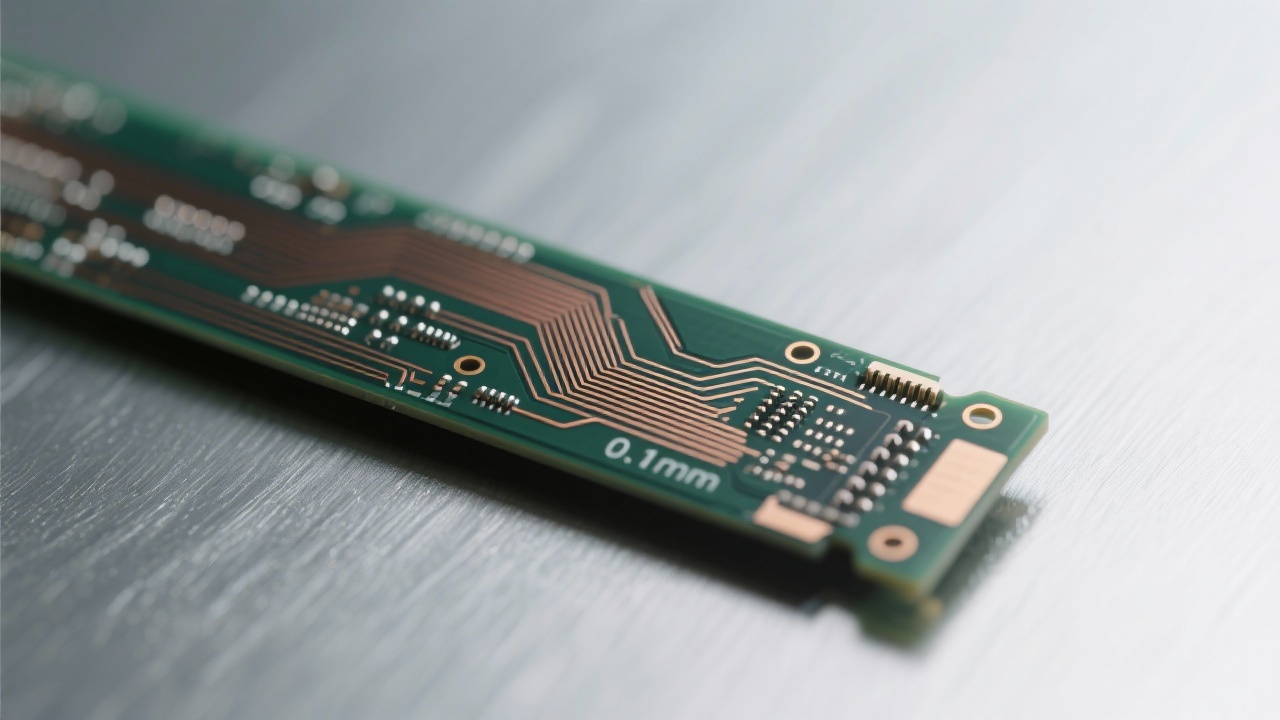
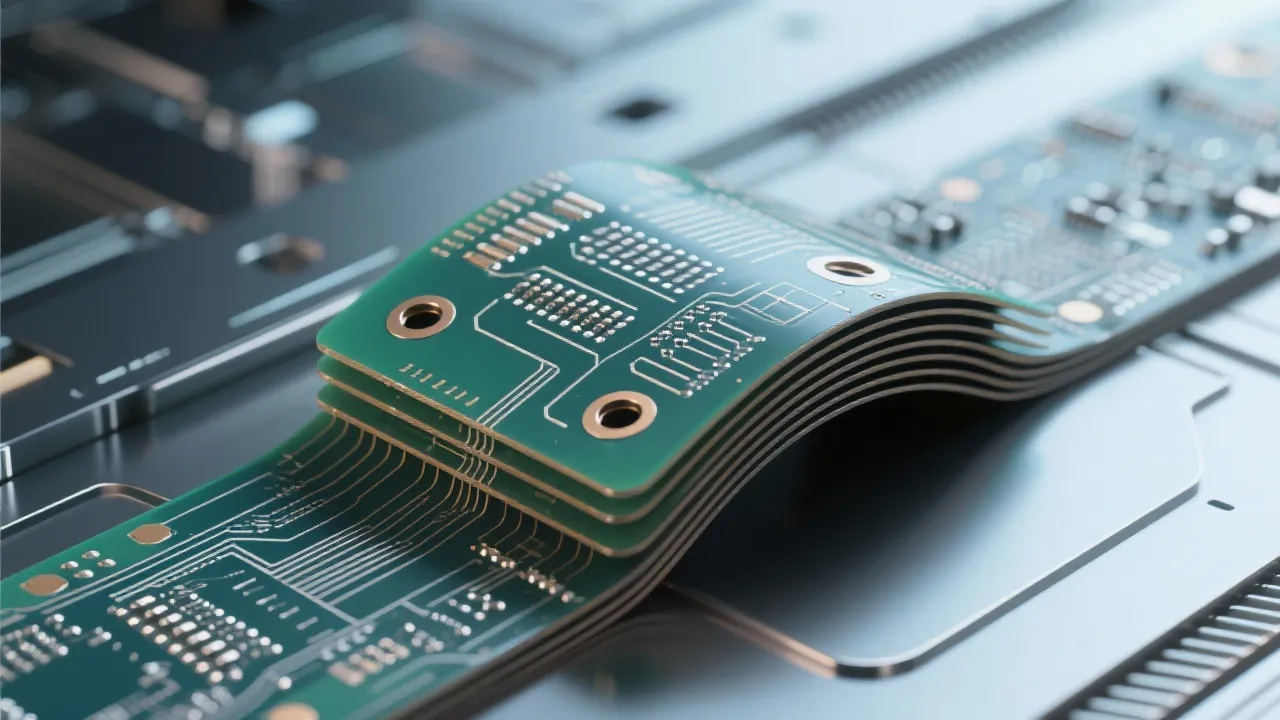
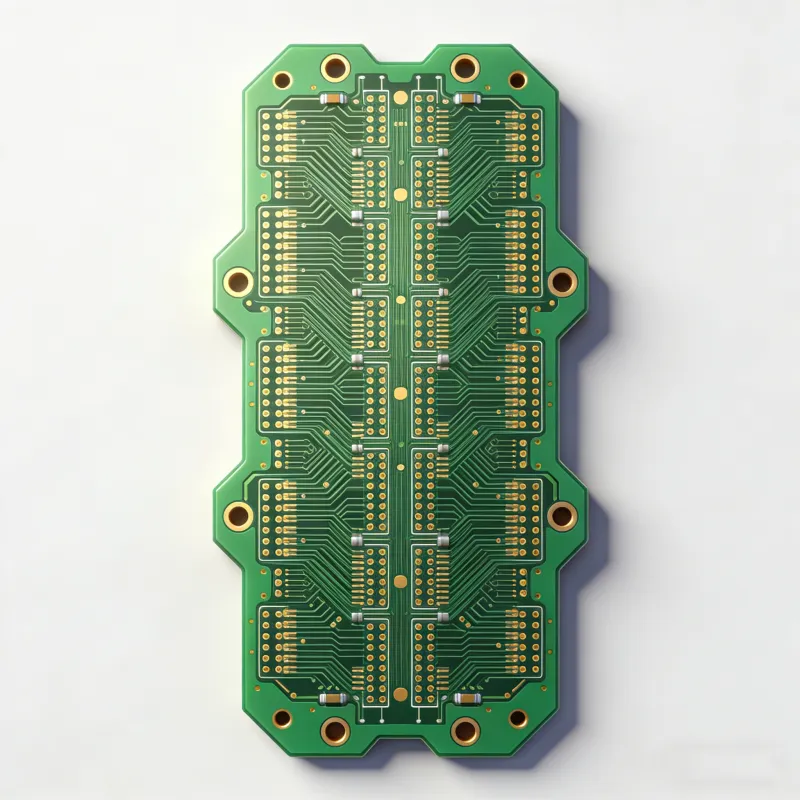
If your project demands reliable performance under extreme conditions—whether it’s high current, frequent thermal stress, or harsh mechanical environments—your PCB partner must go beyond basic capabilities. At Shengyi, we specialize in thick copper PCBs with ENIG finish, capable of handling 6 oz copper, 0.5 mm vias, and over 1000 hours of thermal cycling without degradation.
 88
|
88
|
 dual layer pcb manufacturing
flying probe test
surface finish options
pcb rapid prototyping
pcb production process
249
|
FPC high-density routing
flexible circuit board design
trace spacing control
EMI shielding in FPC
flexible PCB manufacturing
126
|
0.5% PCB warpage
HDI PCB flatness control
IPC PCB warpage limit
semiconductor test PCB
high-end HDI PCB export quality
154
|
5G PCB design
impedance control
high-frequency communication modules
high-speed multilayer PCB
signal integrity
96
|
FPC high - density wiring
Flexible circuit board design techniques
Electromagnetic compatibility optimization
High - density flexible PCB
Multi - layer FPC manufacturing process
dual layer pcb manufacturing
flying probe test
surface finish options
pcb rapid prototyping
pcb production process
249
|
FPC high-density routing
flexible circuit board design
trace spacing control
EMI shielding in FPC
flexible PCB manufacturing
126
|
0.5% PCB warpage
HDI PCB flatness control
IPC PCB warpage limit
semiconductor test PCB
high-end HDI PCB export quality
154
|
5G PCB design
impedance control
high-frequency communication modules
high-speed multilayer PCB
signal integrity
96
|
FPC high - density wiring
Flexible circuit board design techniques
Electromagnetic compatibility optimization
High - density flexible PCB
Multi - layer FPC manufacturing process






-4.png?x-oss-process=image/resize,m_fill,h_800,w_800/format,webp)
-1.png?x-oss-process=image/resize,m_fill,h_800,w_800/format,webp)


