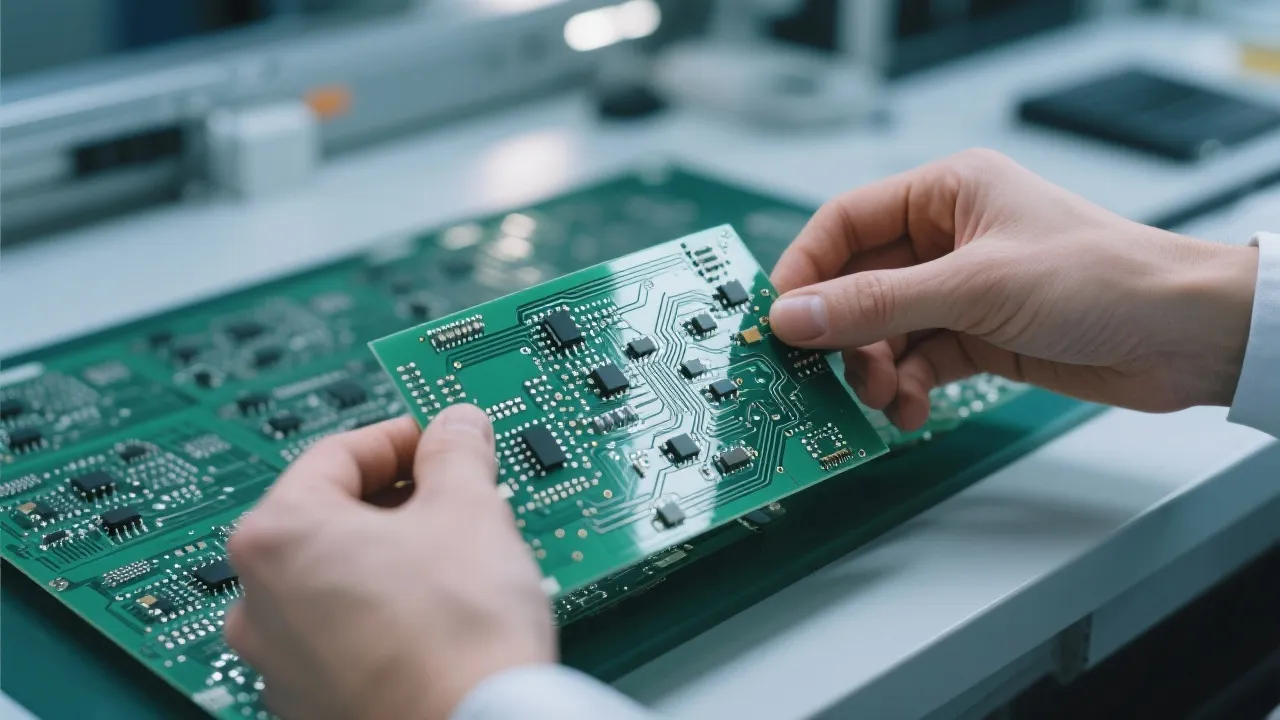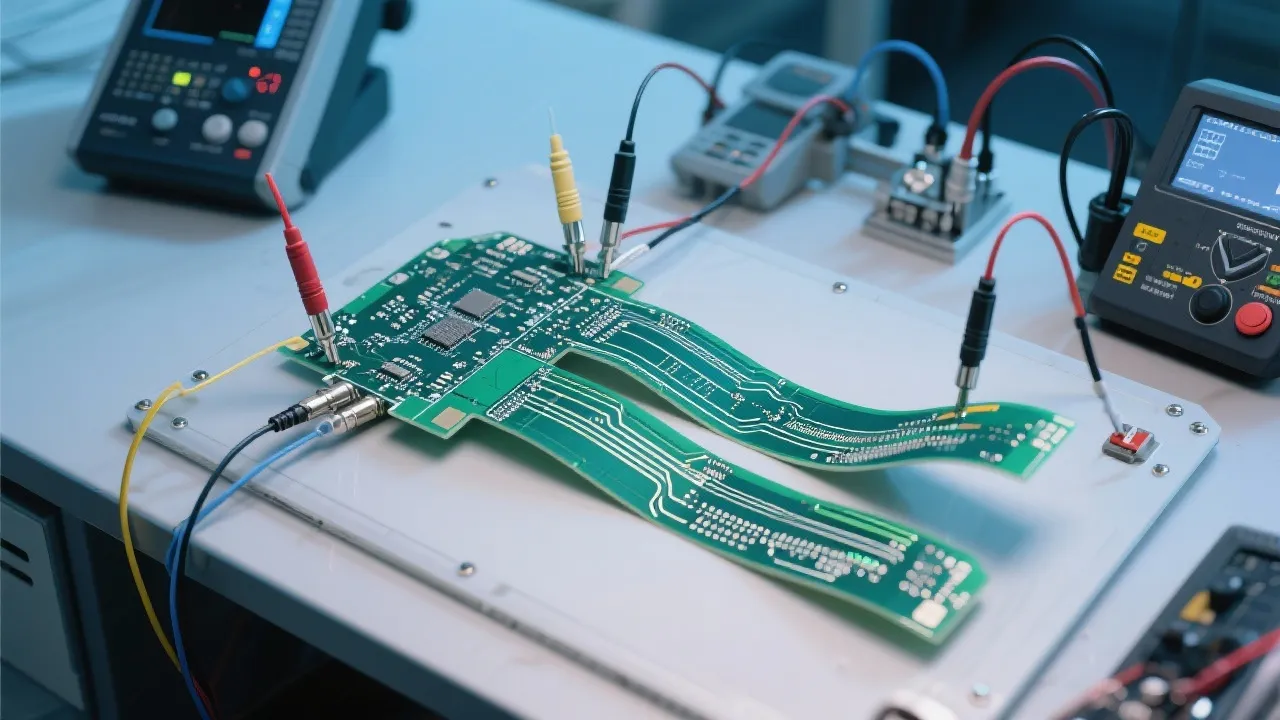
When it comes to high-reliability electronics—especially in automotive sensors, LED lighting, and industrial control systems—the choice of flexible circuit board (FPC) materials isn't just about performance—it's about safety. The UL94V0 flammability standard serves as a critical benchmark for ensuring that FPCs don’t propagate fire under real-world conditions.
According to Underwriters Laboratories (UL), the UL94V0 test evaluates how quickly a material burns when exposed to flame and whether it self-extinguishes within 10 seconds after removal of the ignition source. For FPCs used in demanding environments like engine compartments or outdoor lighting fixtures, this isn’t optional—it’s mandatory. In fact, over 72% of global OEMs now require UL94V0 certification for all new FPC designs entering production.
Flexible circuits are inherently more complex than rigid PCBs because they must balance mechanical flexibility with thermal stability and electrical integrity. Traditional laminates often fail under extreme heat or physical stress—but advanced materials like polyimide films combined with rolled copper foil offer a superior solution.
For example, Ruiheng PCB has developed a proprietary process using thin (<0.05mm) rolled copper layers that improve both conductivity and flame resistance without compromising bend radius. This allows designers to meet UL94V0 while maintaining flexibility down to 1mm minimum bend radius—a key requirement in wearable tech and robotics.

In practical terms, this means fewer short circuits during vibration or thermal cycling—two leading causes of field failures in automotive electronics. A case study from a Tier-1 supplier showed a 40% reduction in fire-related warranty claims after switching to UL94V0-certified FPCs made with optimized dielectric layers and pressure-sensitive adhesive (PSA).
Consider an LED streetlight manufacturer in Germany who switched to UL94V0-compliant FPCs for their power modules. Before the change, they experienced intermittent failures due to localized overheating in junction boxes. After implementing Ruiheng’s flame-retardant stack-up design, failure rates dropped by 65%, and customer satisfaction scores rose significantly.
Similarly, in electric vehicle (EV) battery management systems, where space is tight and heat buildup common, UL94V0 compliance ensures that even if one section ignites, it won’t spread across the entire module—an essential safety feature in today’s fast-evolving EV market.
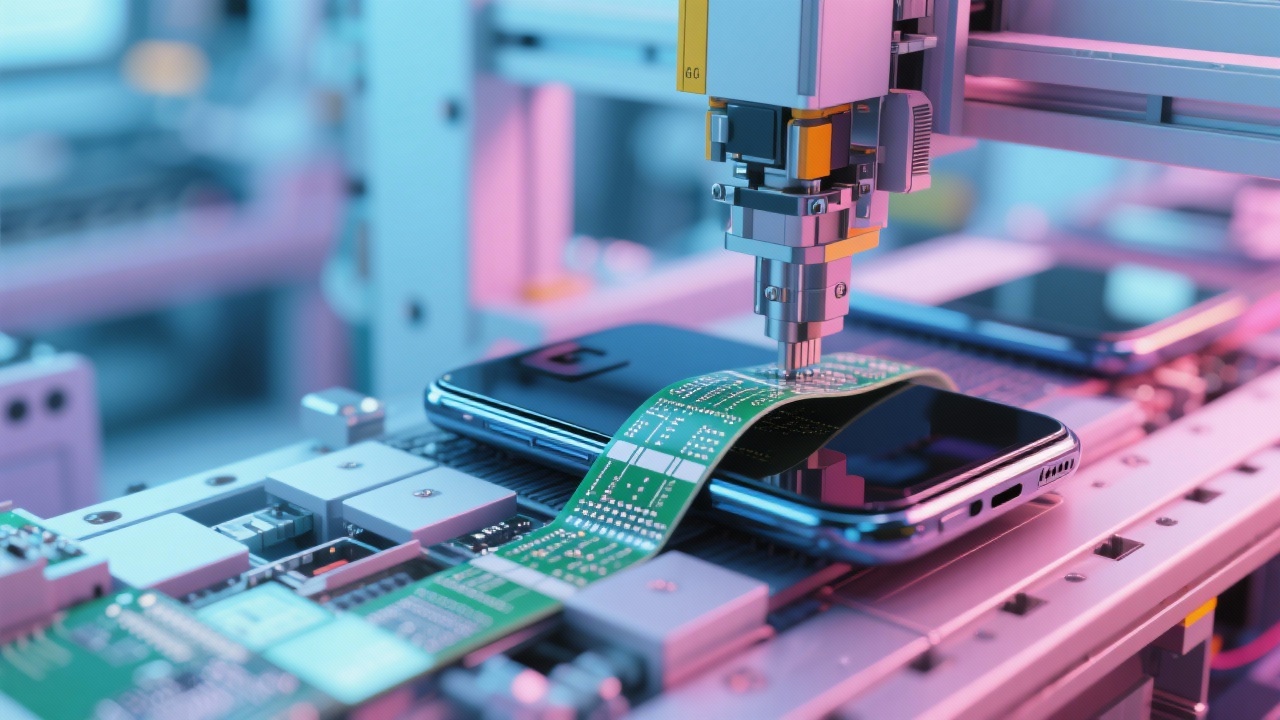
These aren’t just technical wins—they’re business ones. With increasing regulatory pressure globally—from EU RoHS to China GB standards—designers must future-proof their products early. Choosing UL94V0-compliant materials isn’t just a compliance checkbox anymore; it’s a strategic advantage in competitive markets.
Download our free guide: "How to Select the Right Flame-Retardant Materials for High-Density Flexible Circuits"
Explore Ruiheng PCB’s Material Selection Guide 116
|
116
|
 High-speed multilayer PCB
Impedance control
5G base station
High-frequency communication module
AOI detection
157
|
5G PCB design
impedance control
high-frequency communication modules
high-speed multilayer PCB
signal integrity
110
|
high precision FPC design
4 layer flexible PCB
2mil line width
0.15mm hole diameter
ENIG surface finish
158
|
high precision FPC design
4 layer flexible PCB
2mil trace width
0.15mm via hole
ENIG surface finish
96
|
FPC high - density wiring
Flexible circuit board design techniques
Electromagnetic compatibility optimization
High - density flexible PCB
Multi - layer FPC manufacturing process
High-speed multilayer PCB
Impedance control
5G base station
High-frequency communication module
AOI detection
157
|
5G PCB design
impedance control
high-frequency communication modules
high-speed multilayer PCB
signal integrity
110
|
high precision FPC design
4 layer flexible PCB
2mil line width
0.15mm hole diameter
ENIG surface finish
158
|
high precision FPC design
4 layer flexible PCB
2mil trace width
0.15mm via hole
ENIG surface finish
96
|
FPC high - density wiring
Flexible circuit board design techniques
Electromagnetic compatibility optimization
High - density flexible PCB
Multi - layer FPC manufacturing process





-L4-4.png?x-oss-process=image/resize,m_fill,h_800,w_800/format,webp)