

Kunshan Ruiheng Electronic Technology Co., Ltd.
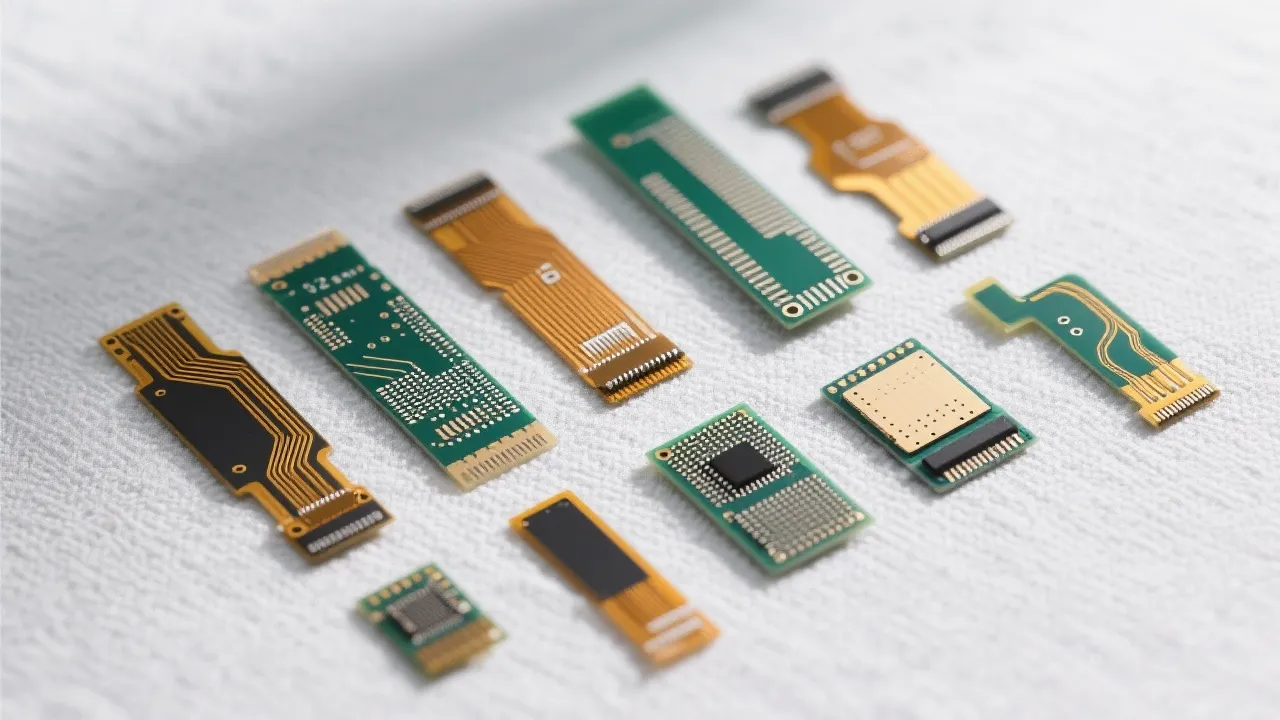
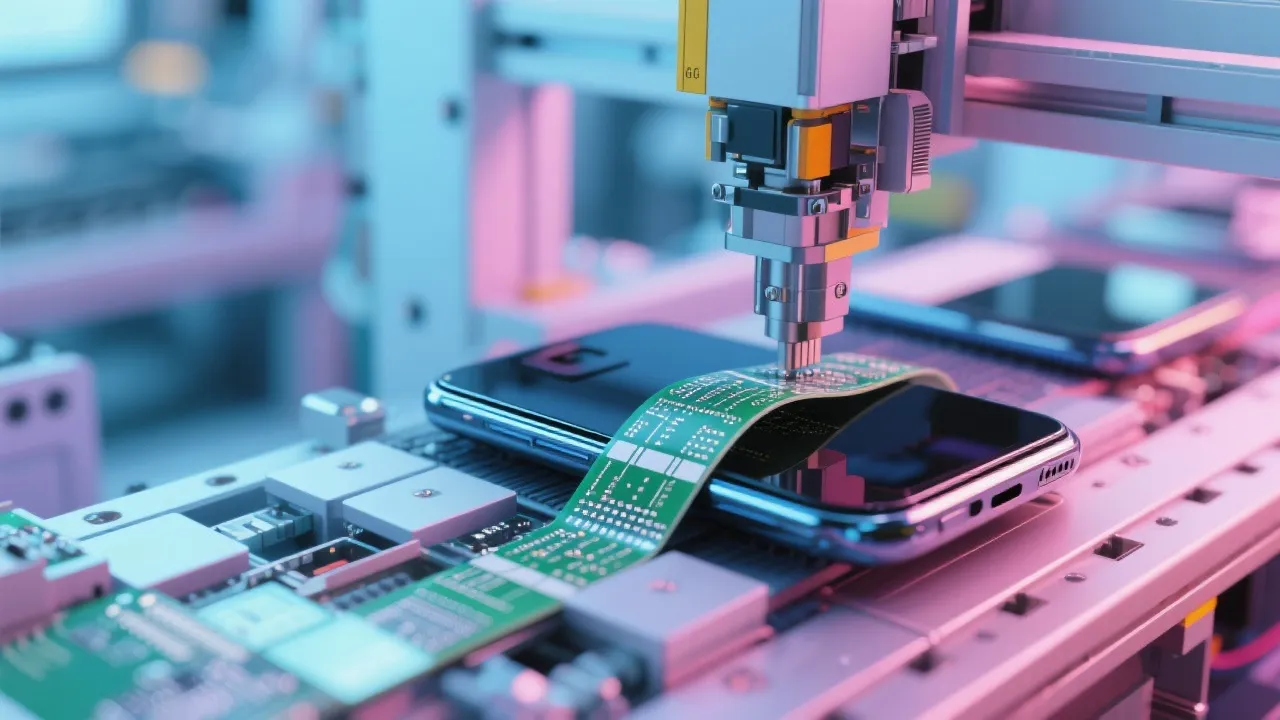
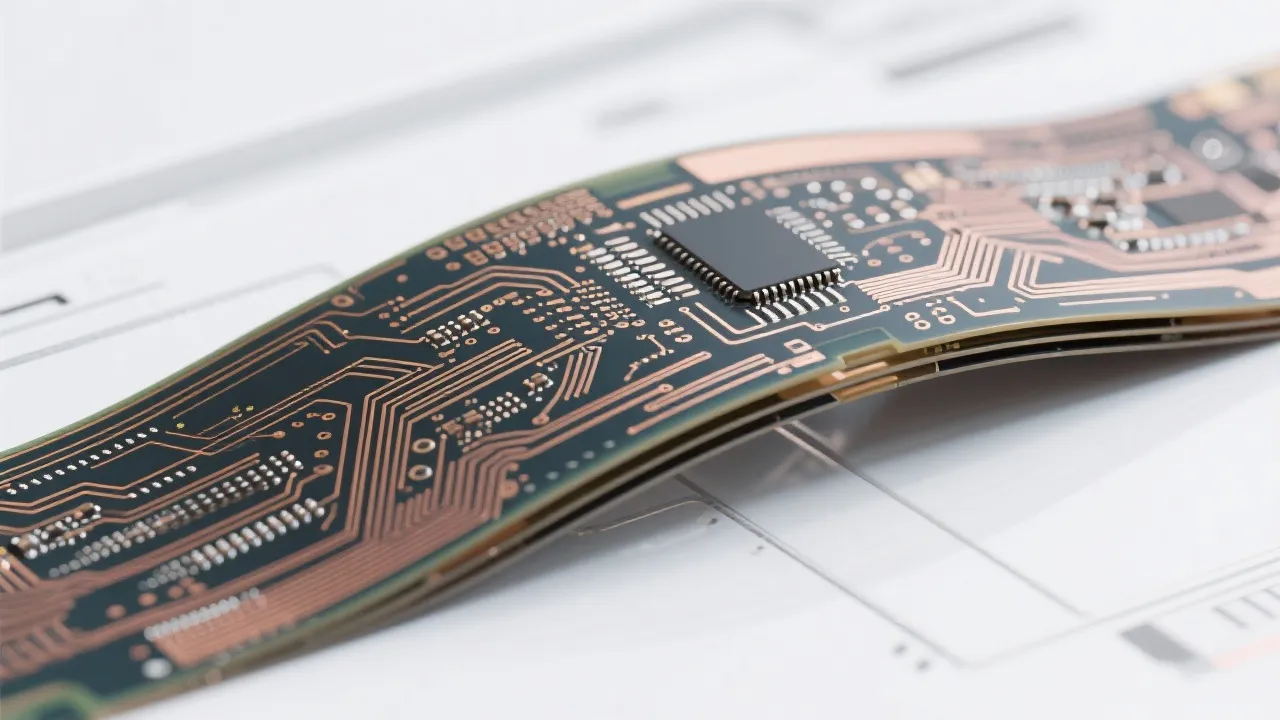
Flexible PCB, also known as PI or polyimide flexible circuit, is a circuit board solution designed for products that need bending capability, compact layout, and reliable electrical performance. For electronic assemblies where space is limited or where routing must follow a curved path, flexible PCB provides a practical way to combine structural adaptability with stable signal transmission.
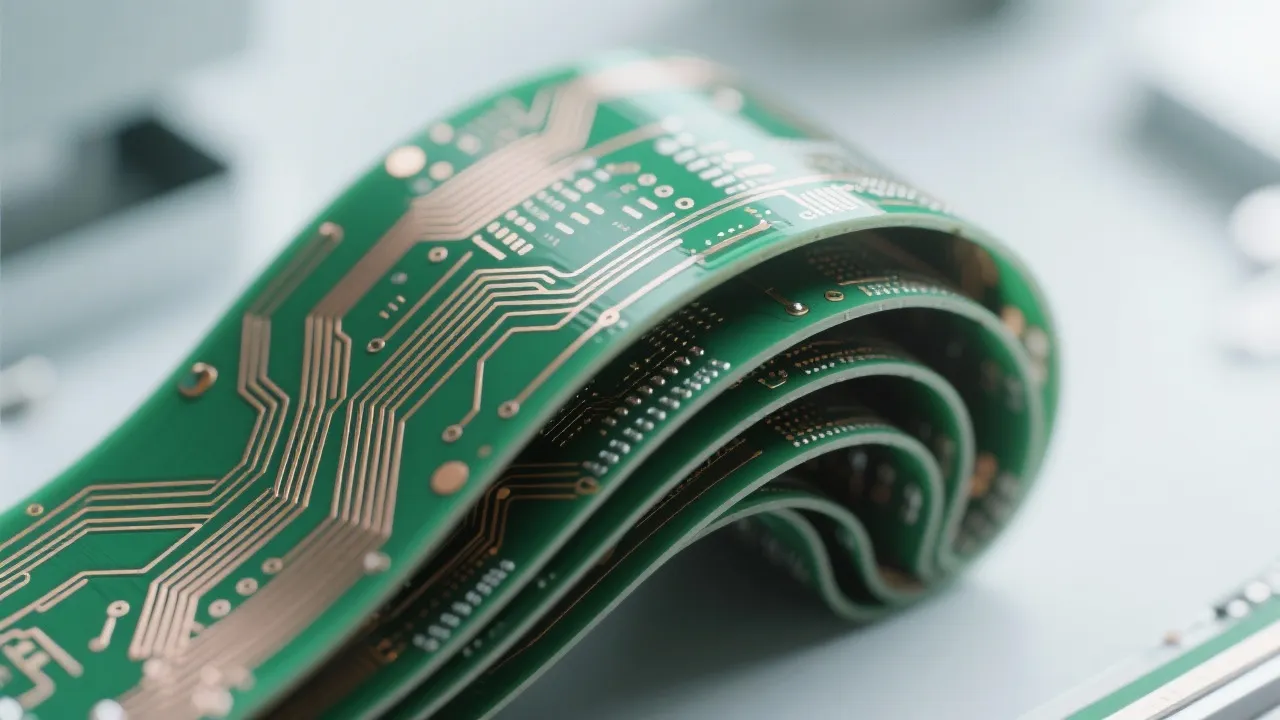
A flexible PCB is a printed circuit board built on a flexible substrate, with polyimide as one of the most common base materials. Unlike a traditional rigid board, a flexible PCB can bend, fold, or fit into narrow spaces while supporting electrical interconnection between components.
At Kunshan Ruiheng Electronic Technology Co., Ltd., flexible PCB manufacturing is positioned for B2B applications that require consistency, precision, and dependable build quality across different production volumes.
As electronic products continue to become smaller, thinner, and more integration-oriented, the circuit board must do more than simply carry signals. It must also support mechanical design, product layout, and assembly efficiency. Flexible PCB is often selected when rigid structures cannot fully meet these requirements.
For engineering teams, the value of flexible PCB lies in its ability to bridge the gap between electronic function and physical form. It can help simplify routing, improve packaging options, and support product designs that are difficult to realize with only rigid PCB formats.
Flexible PCB is widely used in electronic assemblies that require bendable routing or a compact structure. Typical scenarios include:
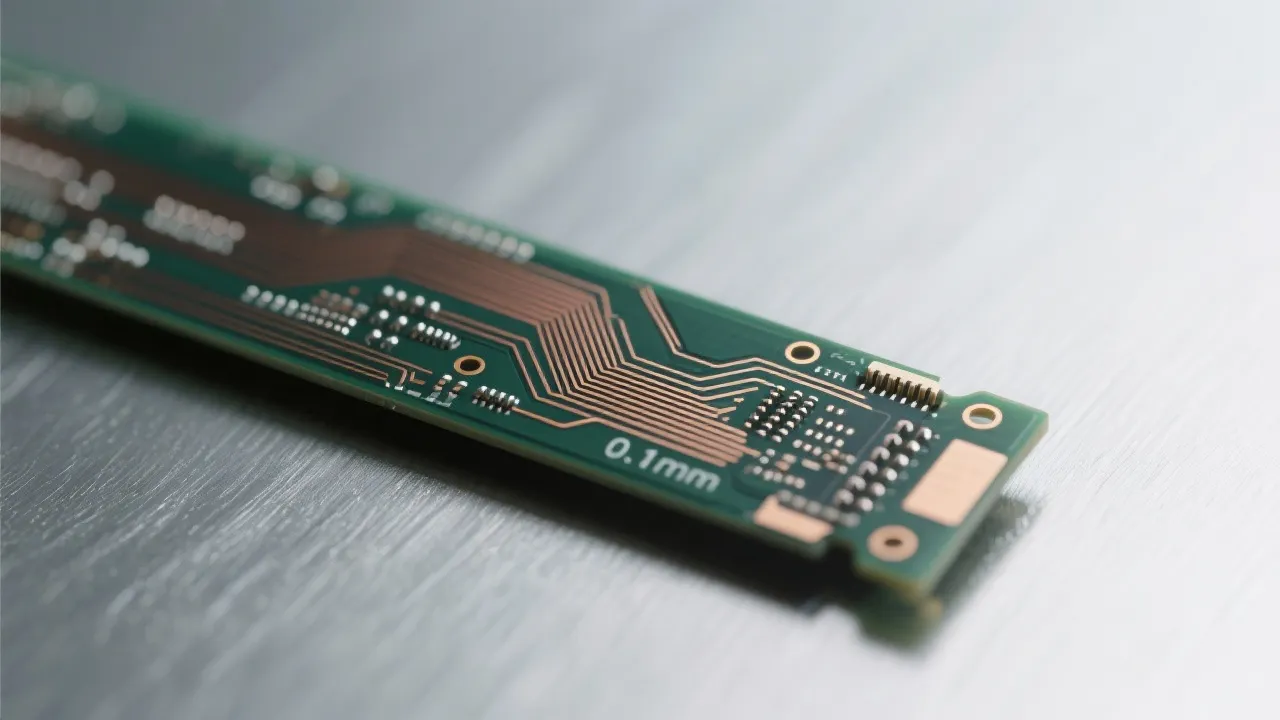
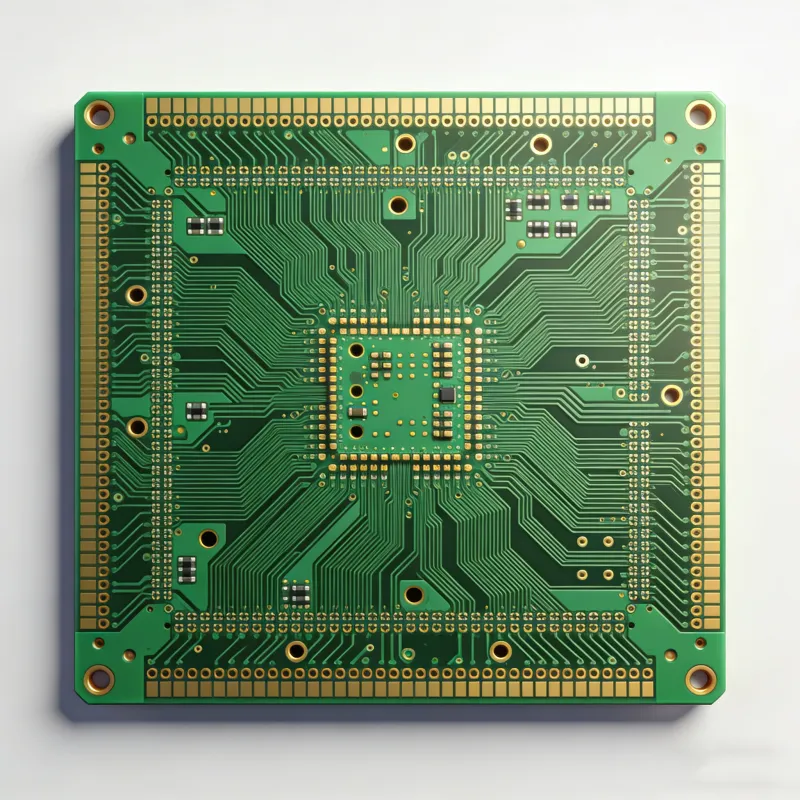
Kunshan Ruiheng Electronic Technology Co., Ltd. manufactures both rigid PCB and flexible PCB, allowing customers to choose the right structure according to product design requirements. The difference is not simply about material, but about how the board supports the final application.
| Aspect | Flexible PCB | Rigid PCB |
|---|---|---|
| Structure | Bendable and adaptable | Stable and fixed in shape |
| Design focus | Space efficiency and routing flexibility | Mechanical support and installation stability |
| Typical use | Compact or curved assemblies | General-purpose electronic systems |
| Selection logic | Chosen when flexibility is part of the product design | Chosen when a firm board structure is preferred |
Flexible PCB helps engineers fit circuit paths into constrained product layouts without relying on oversized assemblies.
It supports designs where electronics, mechanical parts, and internal routing need to work as a single compact system.
For projects that require tailored structure or production flexibility, a customized flexible PCB solution can better align with the final product architecture.
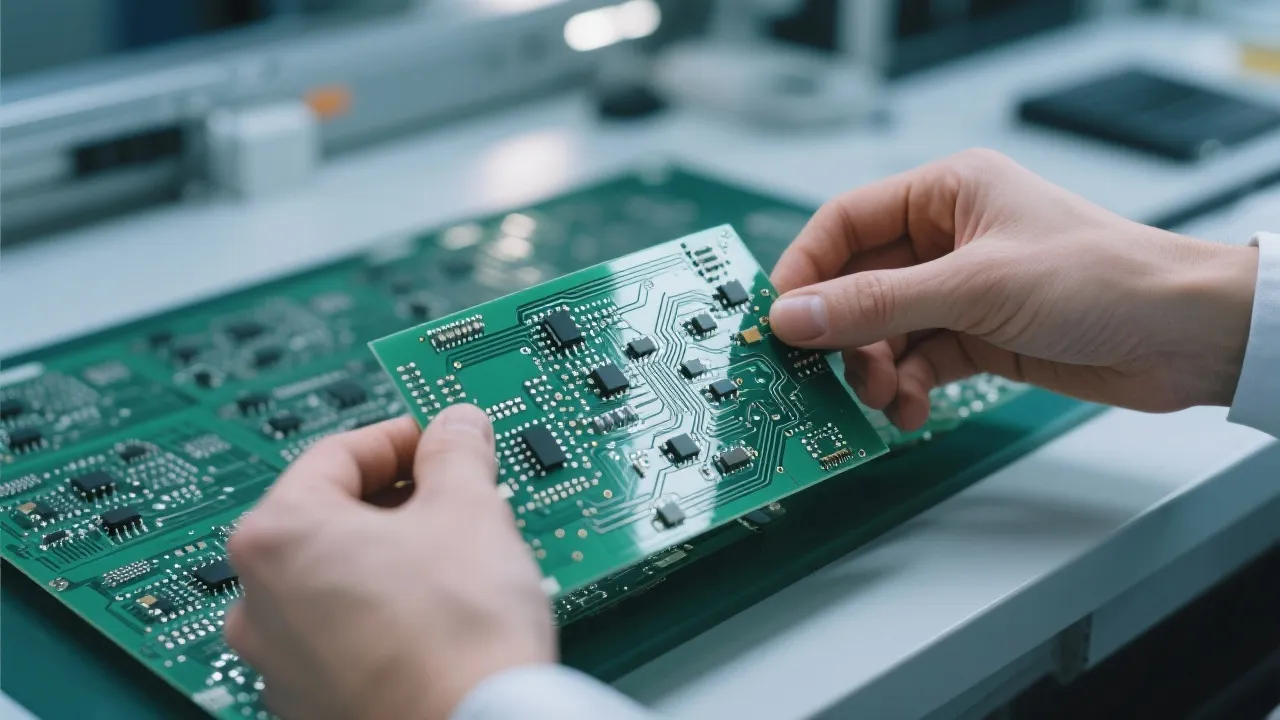
With a manufacturing base in the East China PCB industrial cluster, Kunshan Ruiheng Electronic Technology Co., Ltd. focuses on high reliability, high precision, and high consistency in PCB production. The company combines advanced equipment, a strict quality management system, and an experienced engineering team to support different project stages.
Flexible PCB projects can involve varying requirements for sampling, engineering validation, and batch production. Ruiheng’s manufacturing approach is designed to support:
Ruiheng’s flexible PCB products are supplied to customers across Europe, Southeast Asia, and the Middle East. This international experience supports the company’s understanding of cross-border B2B expectations, including product consistency, communication efficiency, and long-term cooperation.
For buyers seeking a reliable PCB partner, flexible PCB is not only a component choice but also a design decision. When bendability, compactness, and build quality all matter, PI / polyimide flexible PCB offers a mature and practical path for modern electronic assemblies.
 432
|
432
|
 yellow coverlay for FPC
EMI shielding in flexible circuits
PI FR-4 composite substrate
high-frequency signal integrity
FPC manufacturing process
210
|
FPC bending failure analysis
PI reinforcement edge design
stress concentration in flexible circuits
SMT reflow soldering for FPC
industrial FPC reliability
308
|
Ruiheng Electronics
rigid PCB
flexible PCB
FR-4
PI polyimide
126
|
UL94V0
flexible circuit board materials
flame retardant FPC
rolled copper foil
automotive electronics
433
|
rigid PCB
flexible PCB
FR-4
PI material
Ruiheng Electronics
yellow coverlay for FPC
EMI shielding in flexible circuits
PI FR-4 composite substrate
high-frequency signal integrity
FPC manufacturing process
210
|
FPC bending failure analysis
PI reinforcement edge design
stress concentration in flexible circuits
SMT reflow soldering for FPC
industrial FPC reliability
308
|
Ruiheng Electronics
rigid PCB
flexible PCB
FR-4
PI polyimide
126
|
UL94V0
flexible circuit board materials
flame retardant FPC
rolled copper foil
automotive electronics
433
|
rigid PCB
flexible PCB
FR-4
PI material
Ruiheng Electronics






-L4-4.png?x-oss-process=image/resize,m_fill,h_800,w_800/format,webp)

-1.png?x-oss-process=image/resize,m_fill,h_800,w_800/format,webp)
