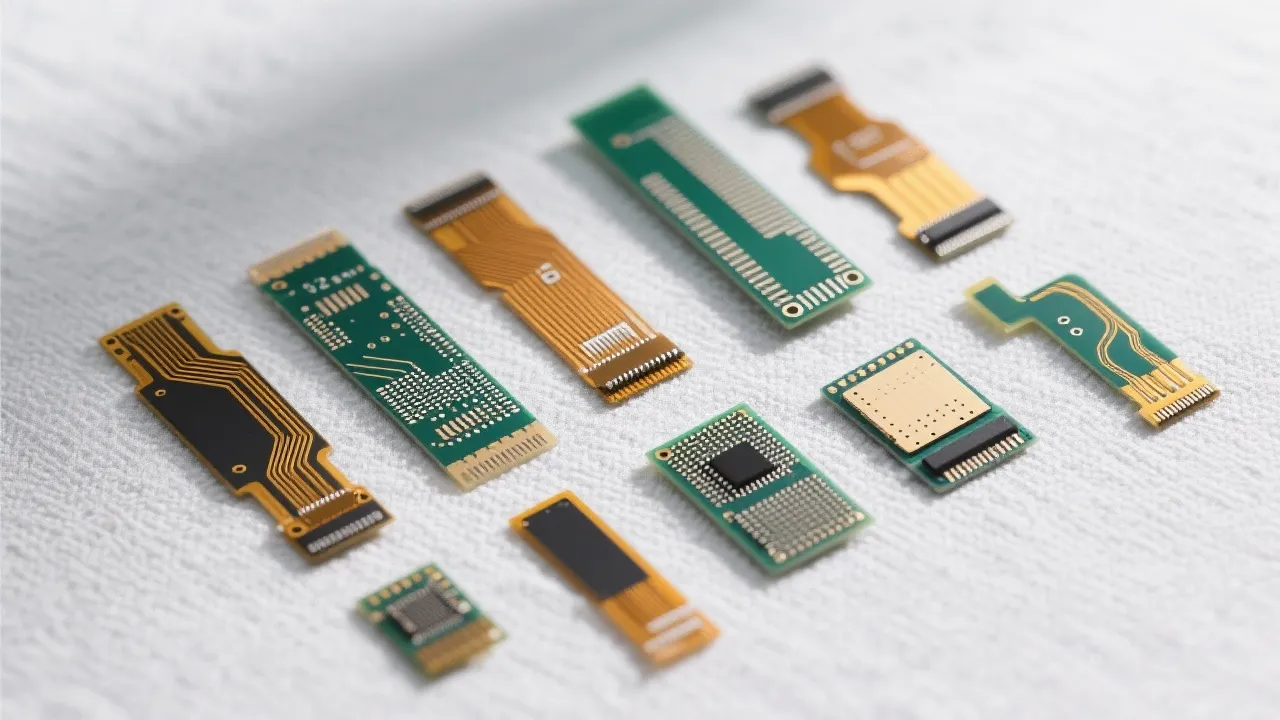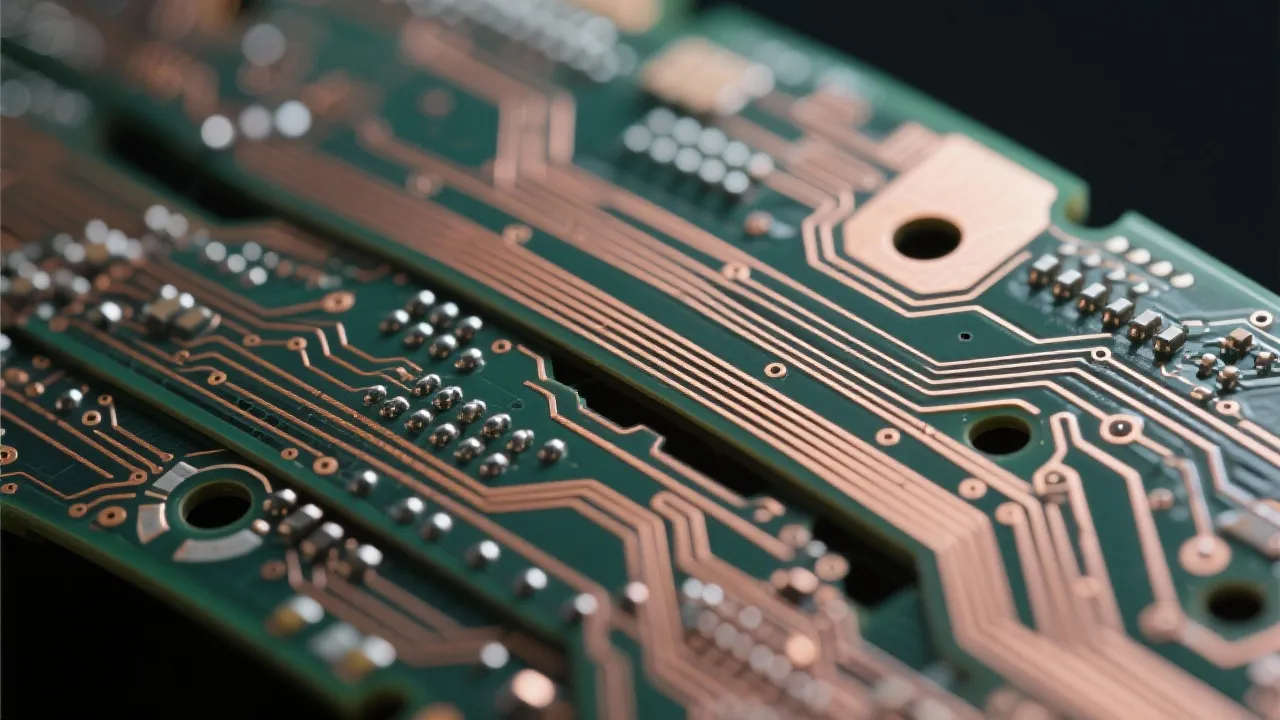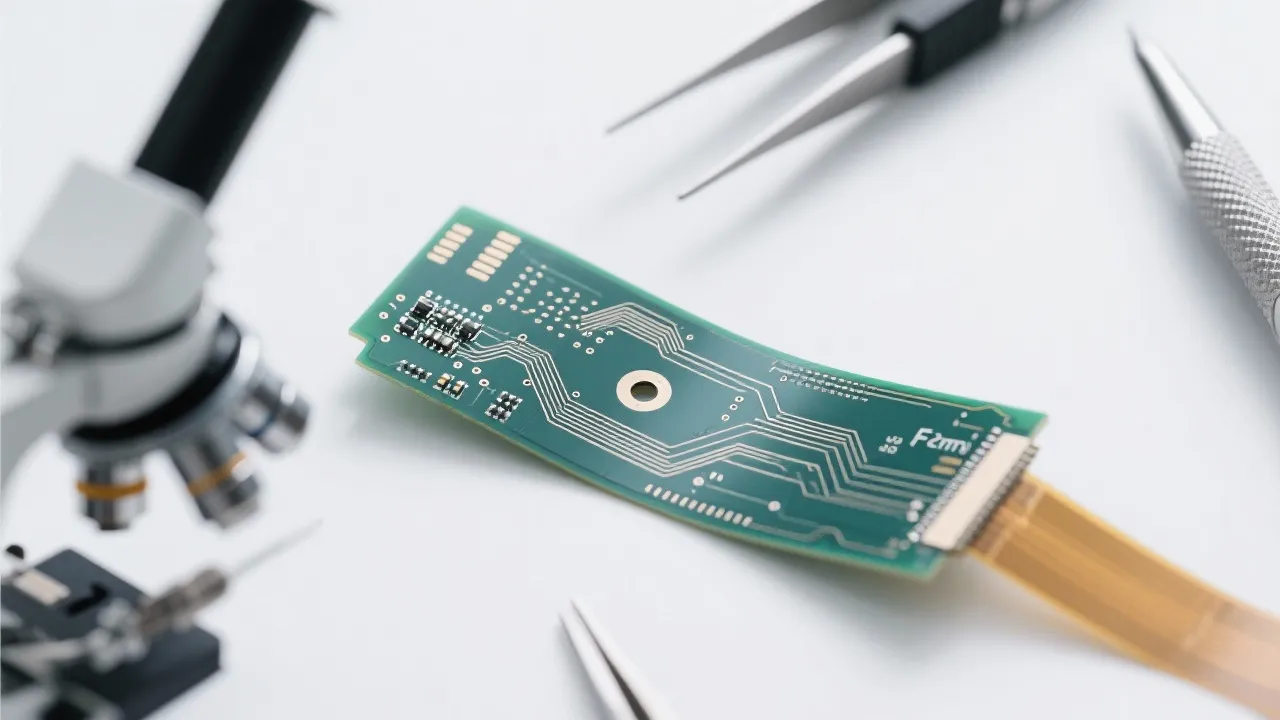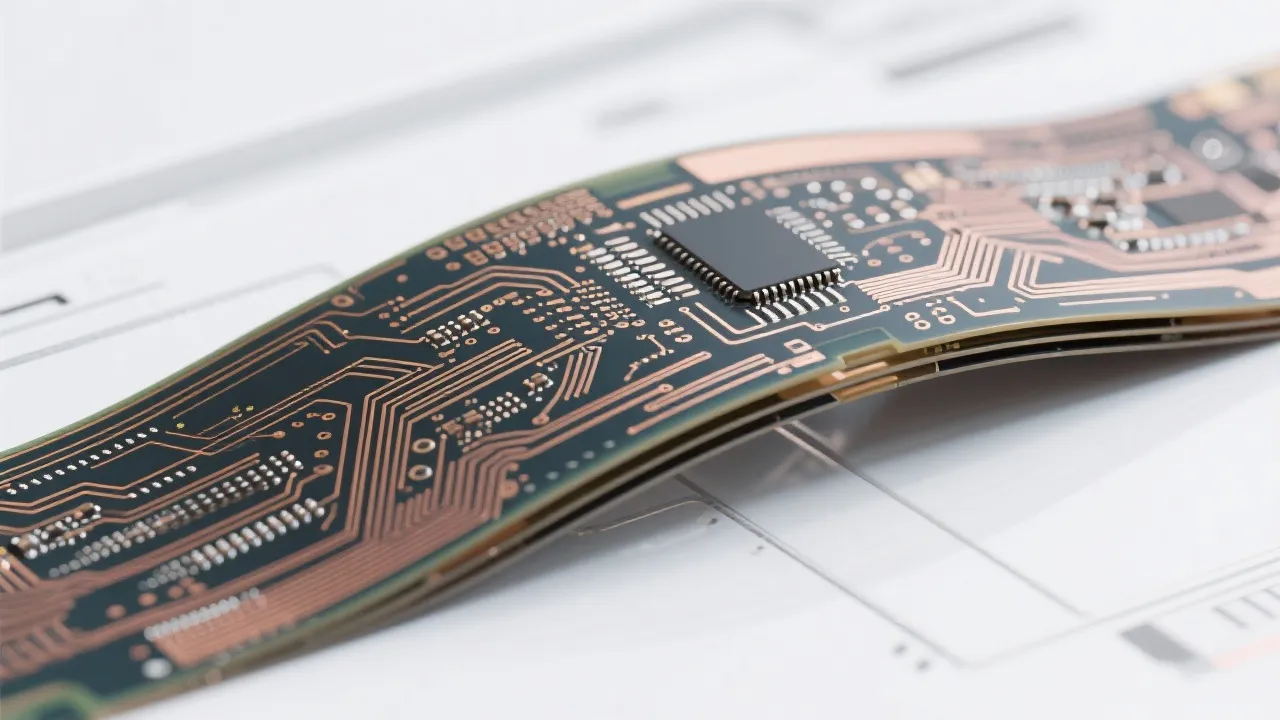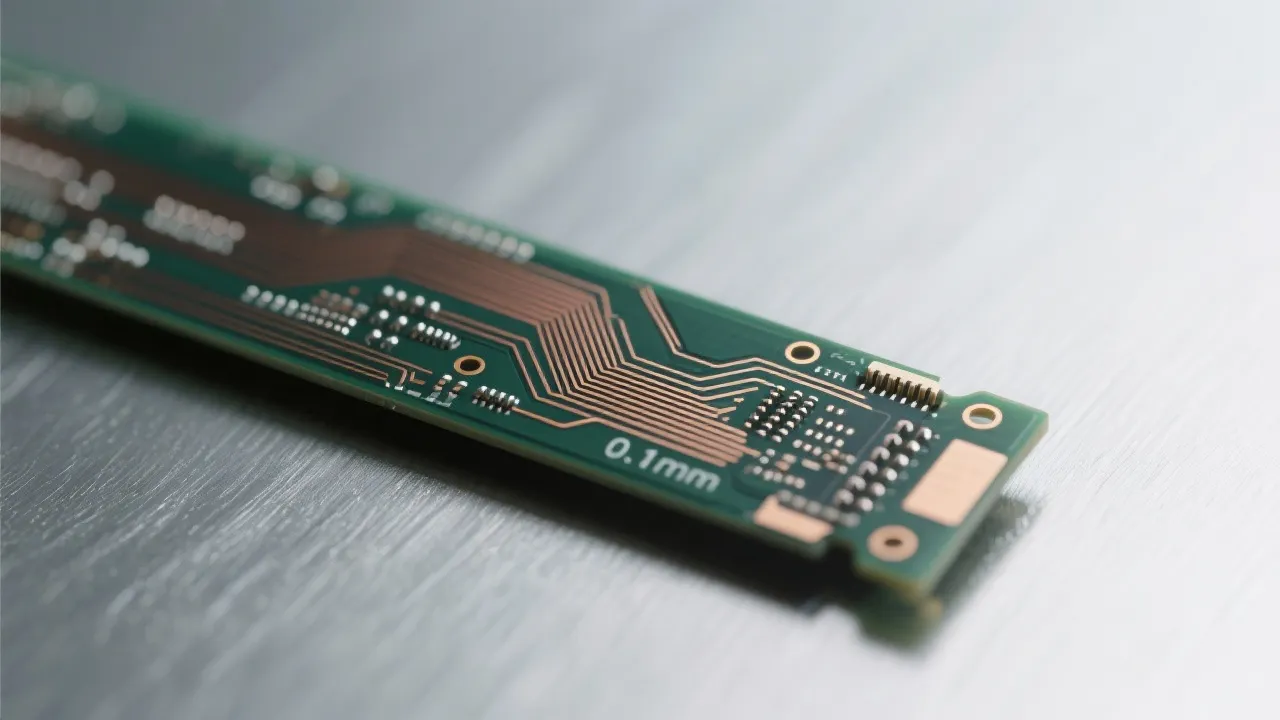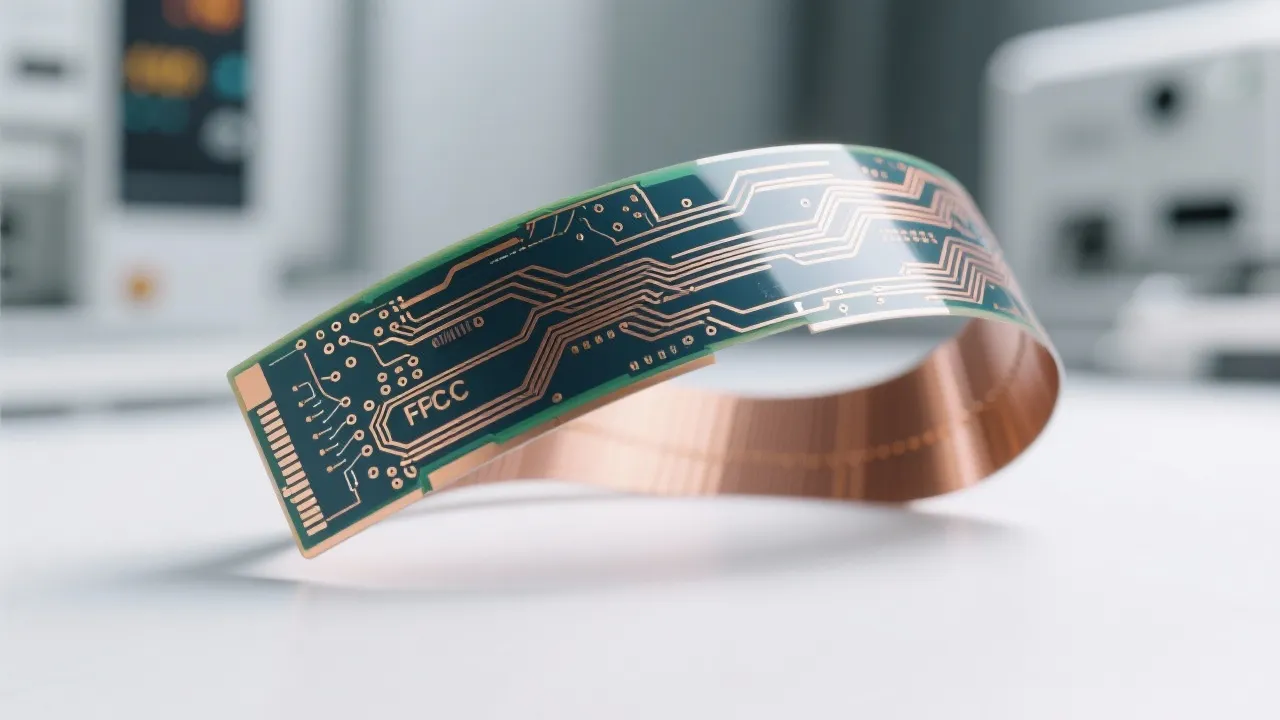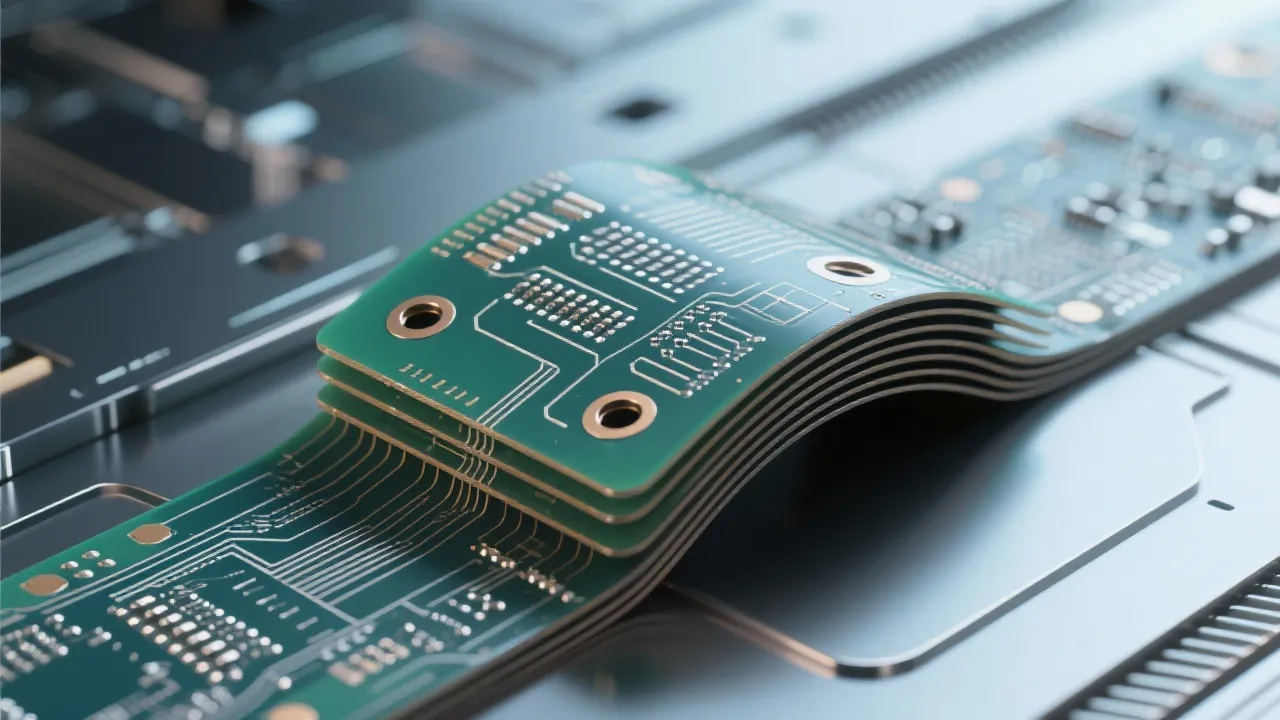
In high-density multi-layer flexible printed circuit boards (FPCs), electromagnetic interference (EMI) remains a critical challenge—especially in smartphones, medical devices, and aerospace systems where signal integrity directly impacts performance. One often overlooked yet highly effective solution is the use of yellow cover film, which offers not only physical protection but also measurable improvements in EMI shielding effectiveness.
The yellow cover film used in modern FPCs typically consists of a copper-clad polyimide (PI) base with a conductive adhesive layer. According to industry data from IPC-2152 and JEDEC JESD201, this structure can achieve an average shielding effectiveness (SE) of 45–60 dB at frequencies between 100 MHz and 3 GHz, making it suitable for applications requiring strict compliance with FCC Part 15 and EN 55022 standards.
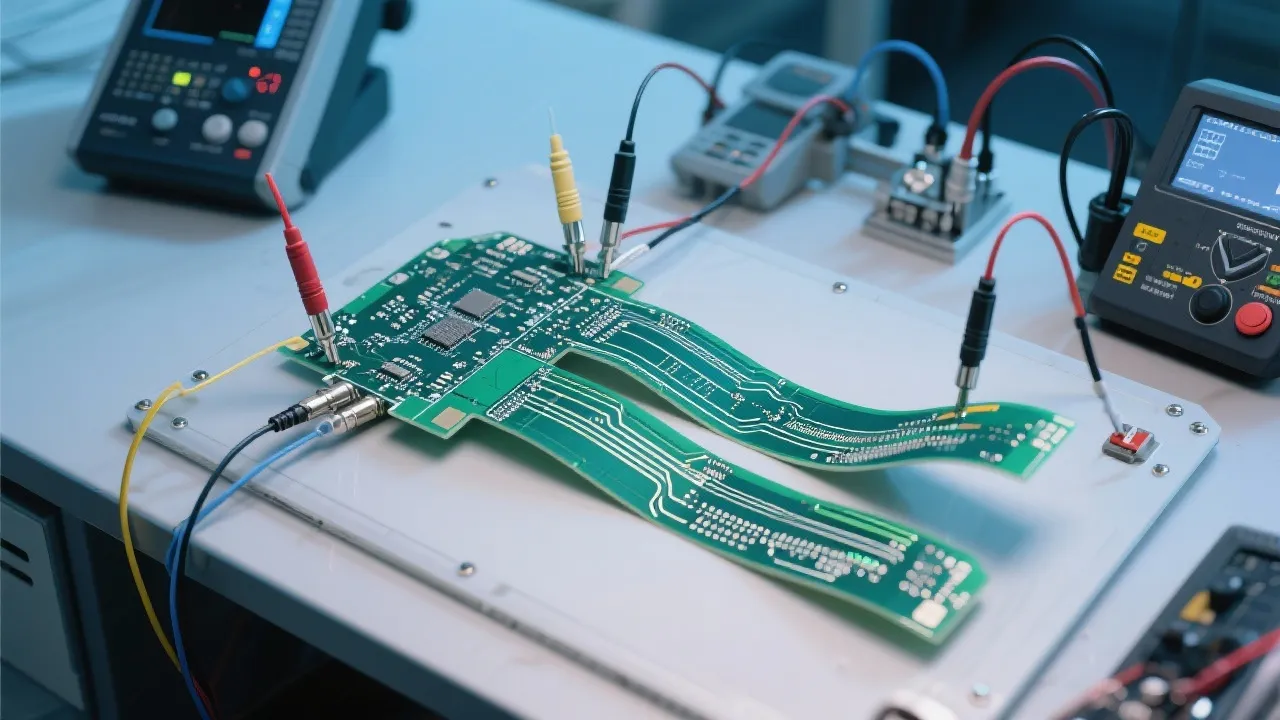
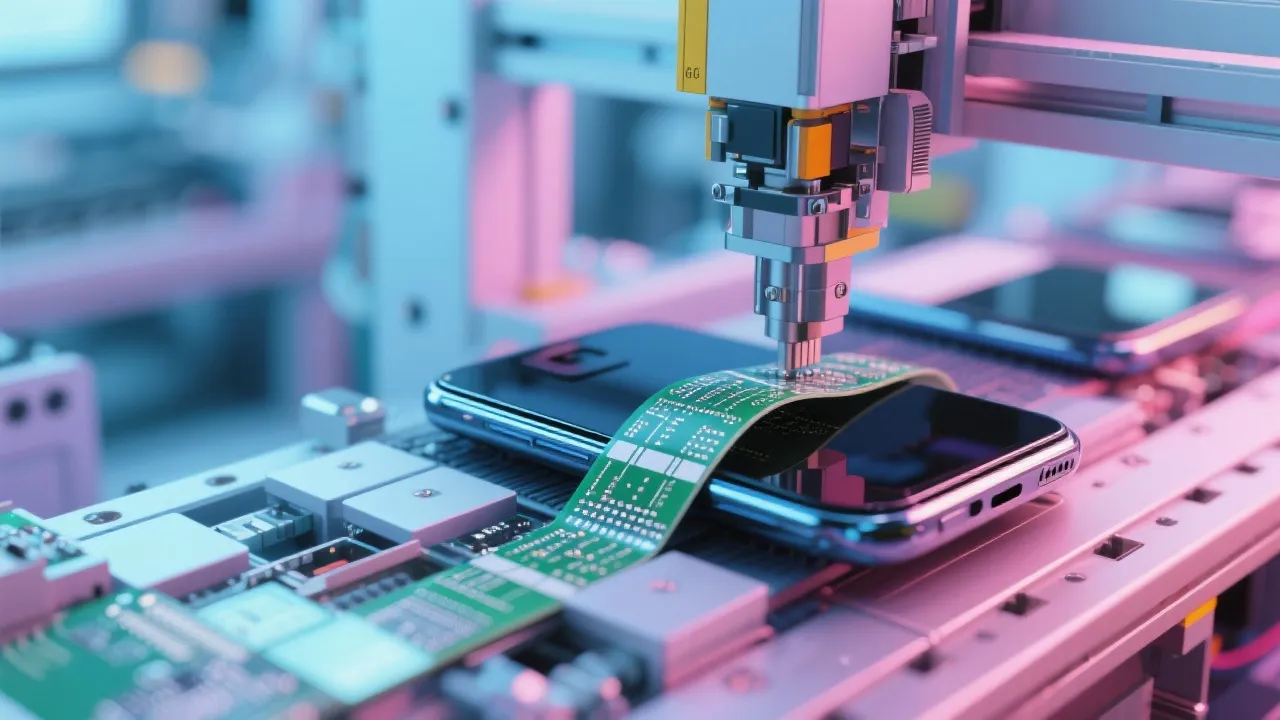
When combined with high-strength PI or FR-4 composite materials, the yellow cover film enhances mechanical robustness while maintaining flexibility—a key requirement for wearable electronics and foldable displays. In a real-world test conducted by Ruiheng PCB on a 12-layer FPC design for a consumer smartphone, the addition of the cover film reduced signal crosstalk by up to 32% compared to bare board configurations, as verified via time-domain reflectometry (TDR).
Moreover, the film’s inherent resistance to moisture ingress (tested per IEC 60068-2-30) and abrasion (ASTM D3077) ensures long-term reliability under harsh conditions—such as temperature cycling from -40°C to +125°C or continuous vibration in automotive environments.
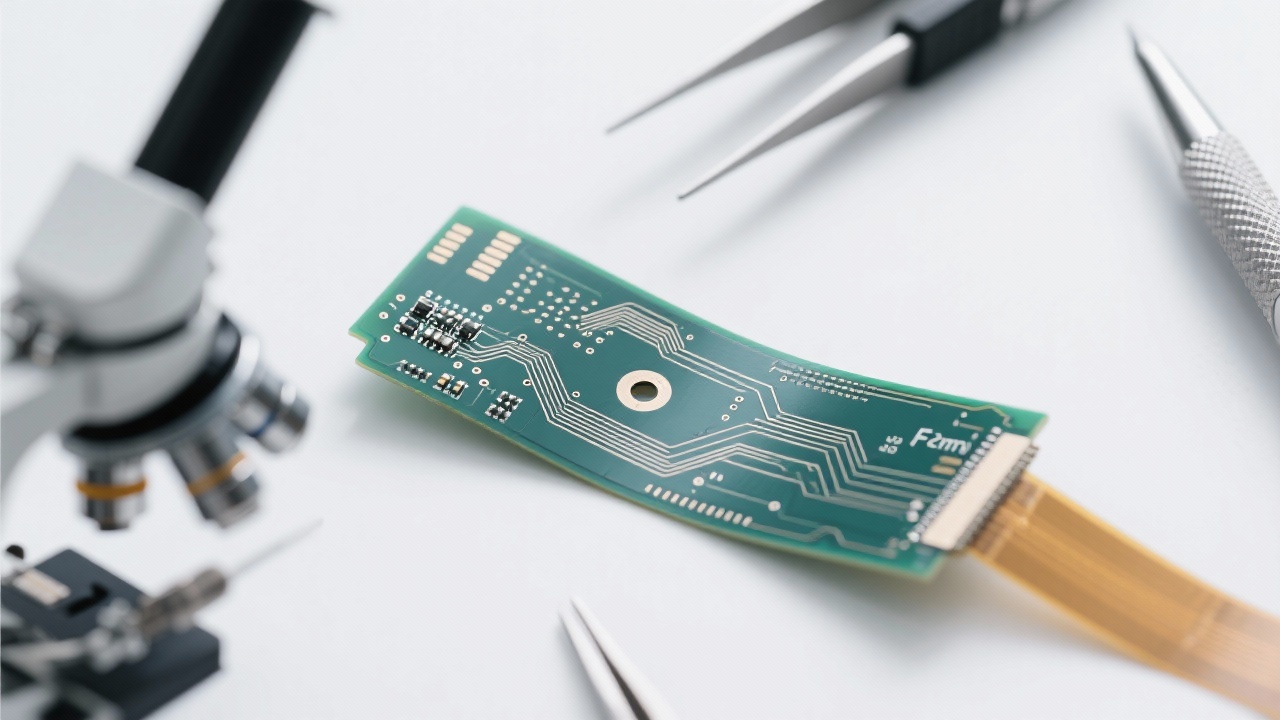
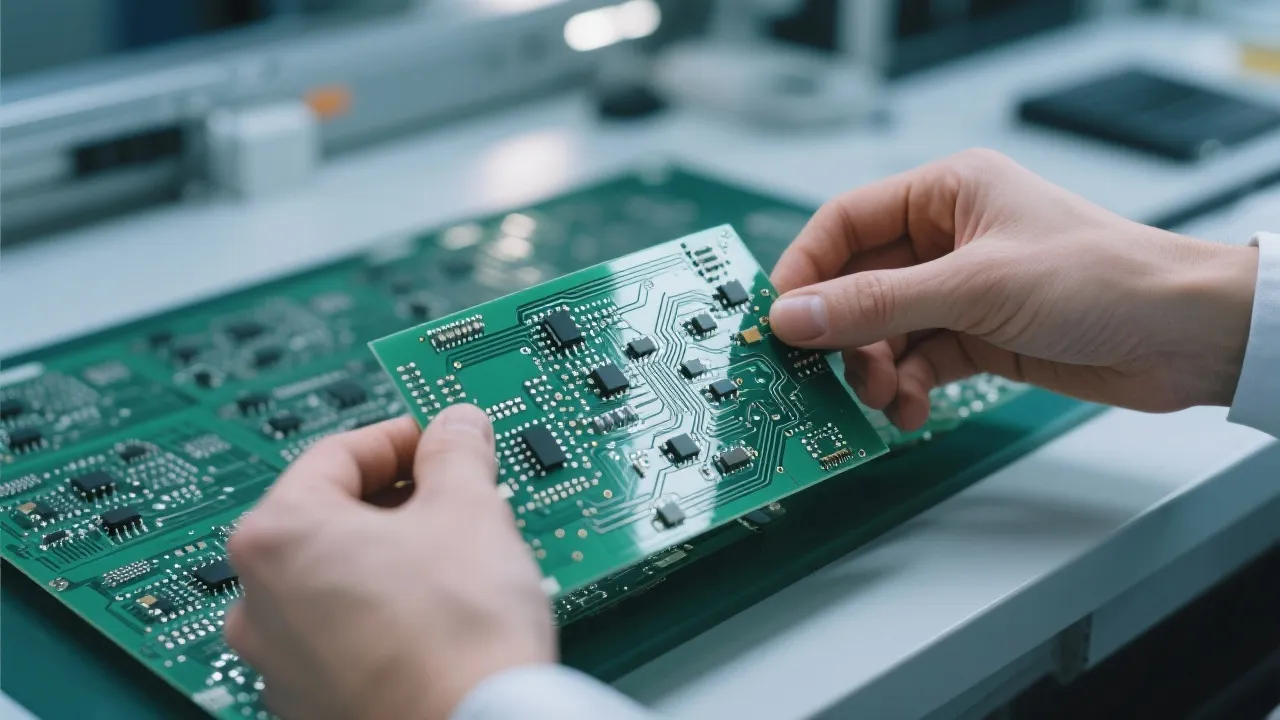
To ensure consistent performance, manufacturers must implement rigorous quality checks—including visual inspection, peel strength testing (minimum 0.5 N/mm per MIL-STD-202G), and X-ray fluorescence (XRF) analysis for uniformity of conductive coating. These steps are crucial for achieving reliable results in mass production, especially when using ENIG surface finish, which demands precise control over solder mask adhesion.
For engineers designing next-gen flexible circuits, integrating yellow cover film early in the layout phase—not just as an afterthought—can significantly reduce redesign cycles and improve first-pass yield rates. This proactive approach aligns with best practices shared by leading OEMs such as Samsung and Honeywell.
Download our free technical guide: "Designing High-Reliability Flexible Circuits with Yellow Cover Film"
Get the Technical Guide → 350
|
350
|
 High - speed multilayer PCB
Impedance control
5G communication PCB
Signal integrity
High - frequency PCB manufacturing
56
|
high-density FPC routing
flexible PCB design techniques
EMI optimization in FPC
precision via design for flexible circuits
FPC manufacturing process
403
|
four-layer thick copper PCB design
power electronics PCB thermal optimization
thick copper PCB minimum trace spacing
ENIG surface finish benefits
high Tg FR-4 applications
157
|
multilayer flexible pcb via design
micro-hole processing in fpc
high-density flex pcb layout
emc optimization in flexible circuits
flexible pcb manufacturing process
267
|
FPC high - density wiring
Flexible printed circuit design techniques
Microhole processing technology
Electromagnetic compatibility optimization
High - reliability flexible PCB
High - speed multilayer PCB
Impedance control
5G communication PCB
Signal integrity
High - frequency PCB manufacturing
56
|
high-density FPC routing
flexible PCB design techniques
EMI optimization in FPC
precision via design for flexible circuits
FPC manufacturing process
403
|
four-layer thick copper PCB design
power electronics PCB thermal optimization
thick copper PCB minimum trace spacing
ENIG surface finish benefits
high Tg FR-4 applications
157
|
multilayer flexible pcb via design
micro-hole processing in fpc
high-density flex pcb layout
emc optimization in flexible circuits
flexible pcb manufacturing process
267
|
FPC high - density wiring
Flexible printed circuit design techniques
Microhole processing technology
Electromagnetic compatibility optimization
High - reliability flexible PCB





-1.png?x-oss-process=image/resize,m_fill,h_800,w_800/format,webp)


-L4-4.png?x-oss-process=image/resize,m_fill,h_800,w_800/format,webp)