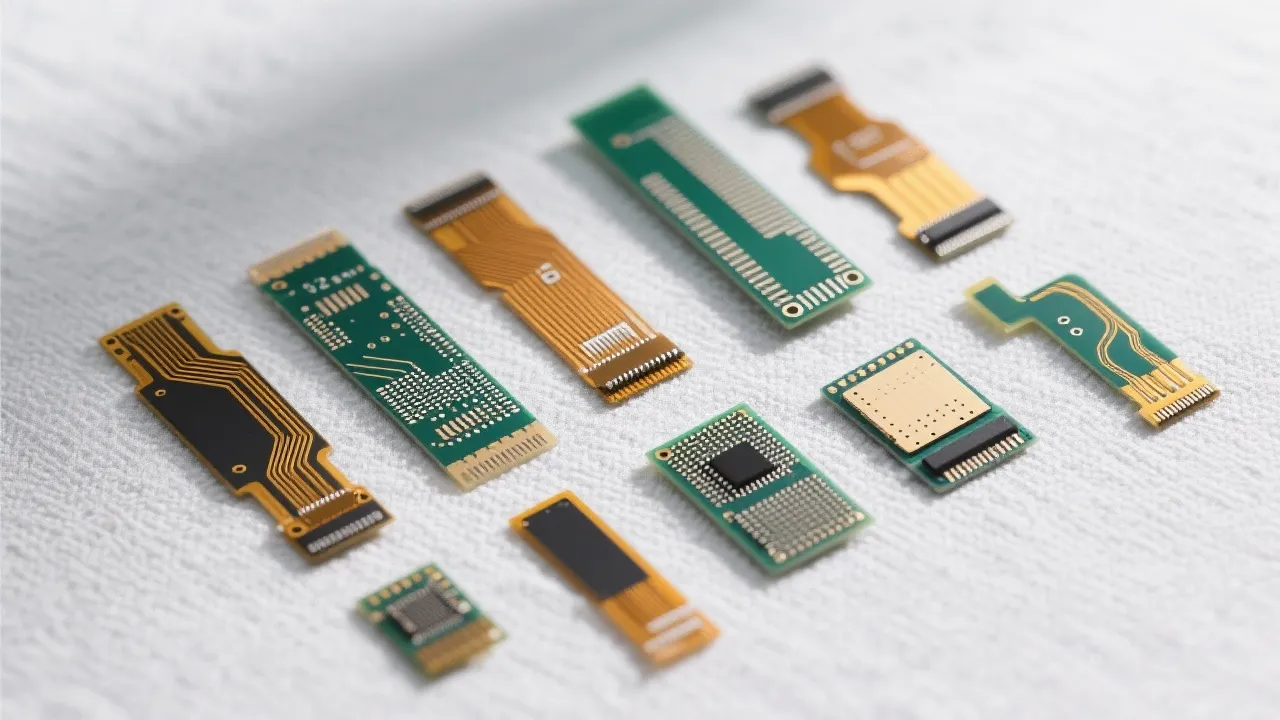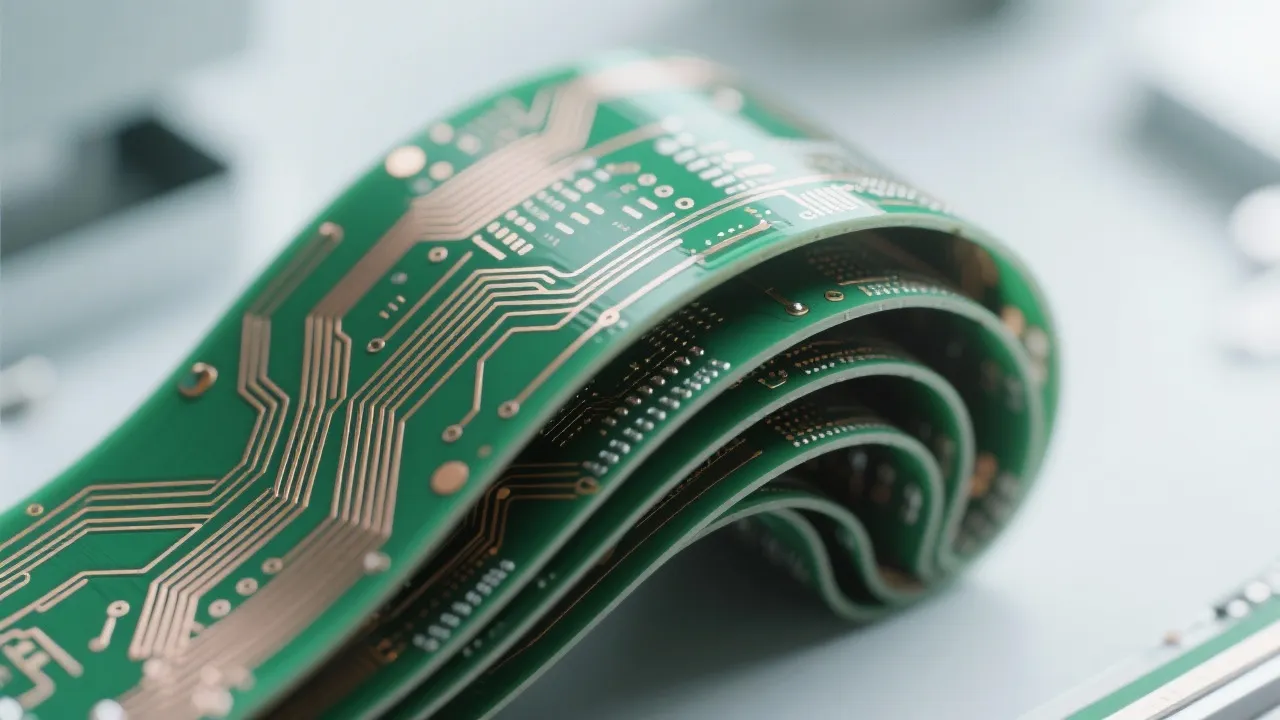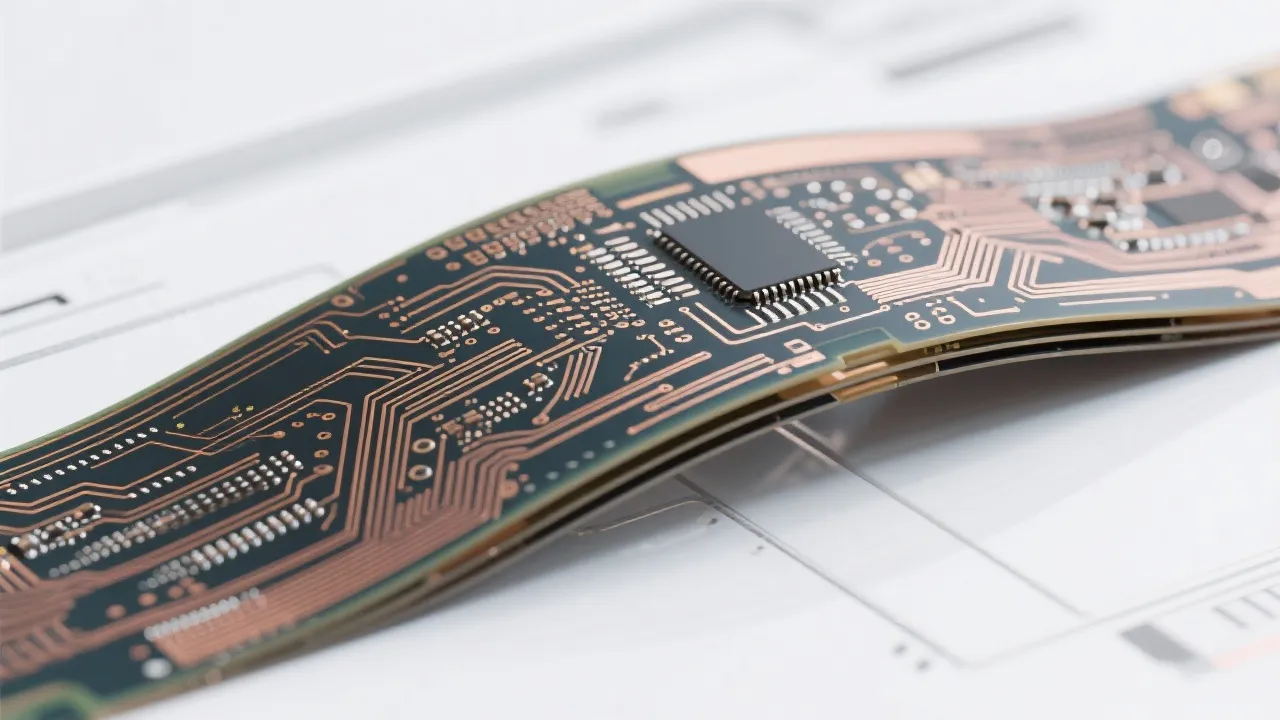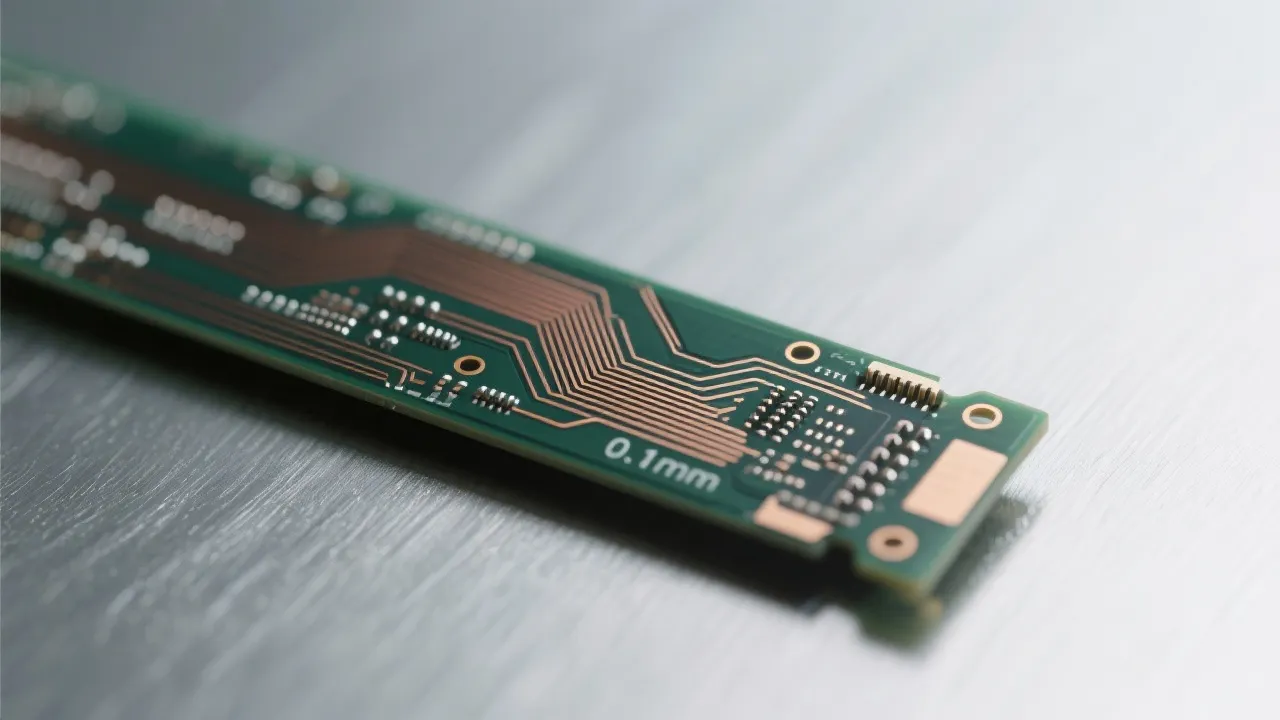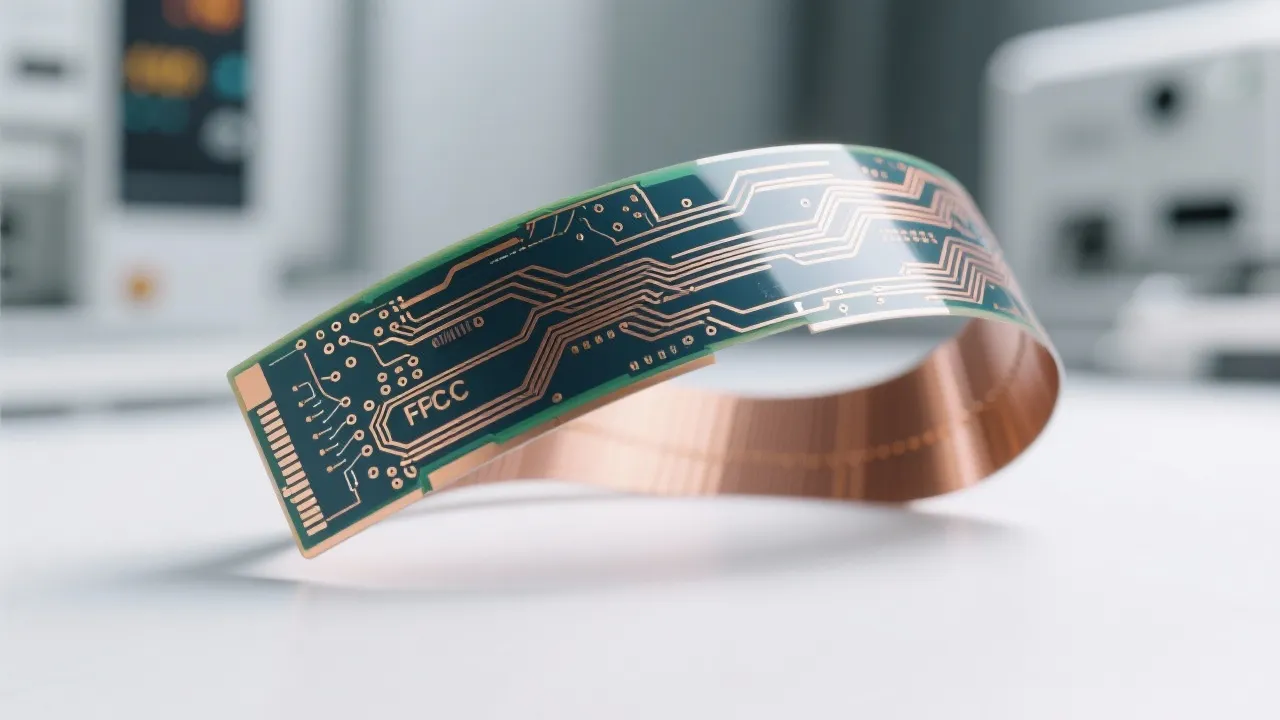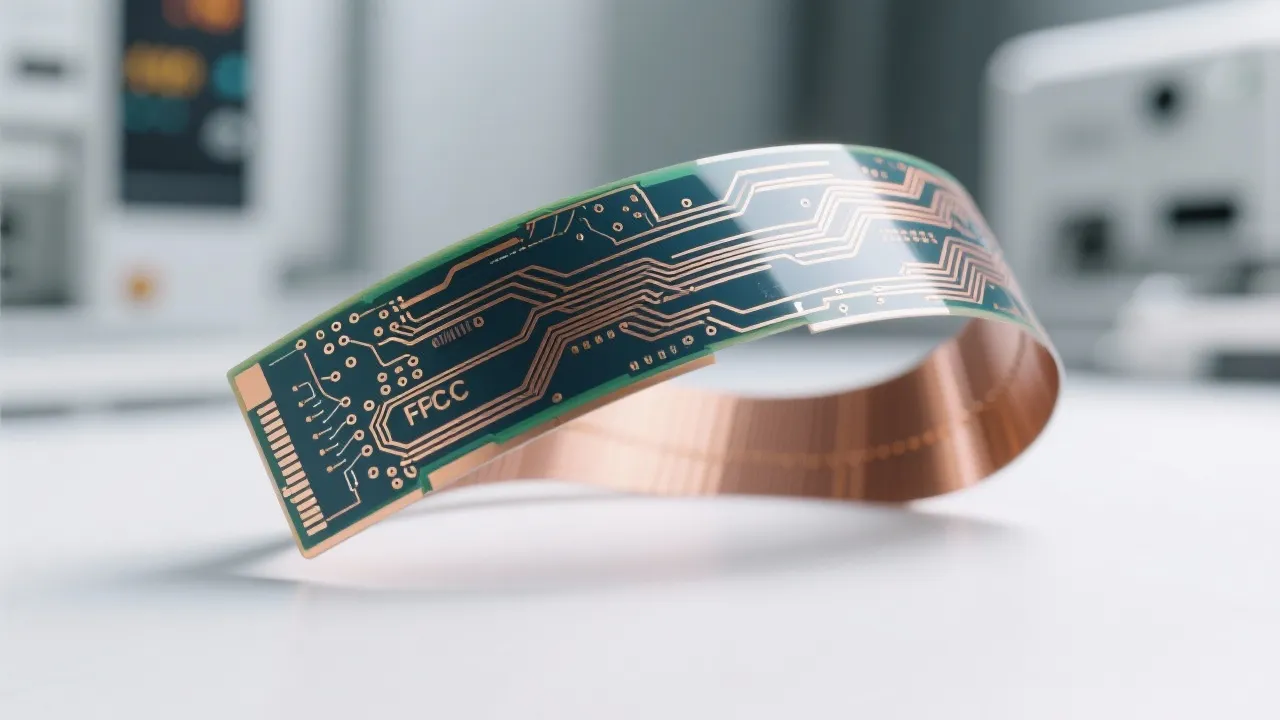
In high-frequency flexible printed circuit boards (FPCs), electromagnetic interference (EMI) is not just a design challenge—it's a reliability killer. Engineers in smartphone, aerospace, and medical device sectors often overlook one critical component: the yellow coverlay. But as Ruiheng PCB’s R&D team confirms through real-world testing, this seemingly simple layer can make or break signal integrity.
Unlike transparent or white coverlays that rely solely on dielectric properties, yellow coverlay integrates conductive fillers—typically carbon-based or nickel-coated particles—into its polymer matrix. This creates a low-resistance path for stray currents, effectively diverting EMI away from sensitive traces. In controlled lab tests at 2.4 GHz (common in wireless devices), yellow coverlay reduced radiated emissions by up to 27 dB compared to standard PI-only layers.
📌 Key Insight: A 0.13mm thick FPC with ENIG finish and yellow coverlay showed 15% better impedance control under thermal cycling (-40°C to +125°C) than those using conventional materials.
The choice of yellow isn’t arbitrary—it’s engineered. Yellow pigments are typically based on titanium dioxide or organic dyes that remain stable under prolonged exposure to humidity and heat. For instance, after 1,000 hours at 85°C/85% RH, yellow coverlay maintained >95% adhesion strength, while some white variants degraded due to UV-sensitive binders. This makes it ideal for applications like automotive radar sensors and satellite communication modules where long-term stability matters more than aesthetics.
When integrated with PI/FR-4 composite substrates and ENIG surface finishes, yellow coverlay doesn’t act in isolation—it becomes part of an EMI mitigation system. For example, in a dual-layer FPC used in a 5G smartphone antenna module, combining 2μm gold plating with yellow coverlay improved signal-to-noise ratio (SNR) by 3.2 dB, directly impacting data throughput and battery life.
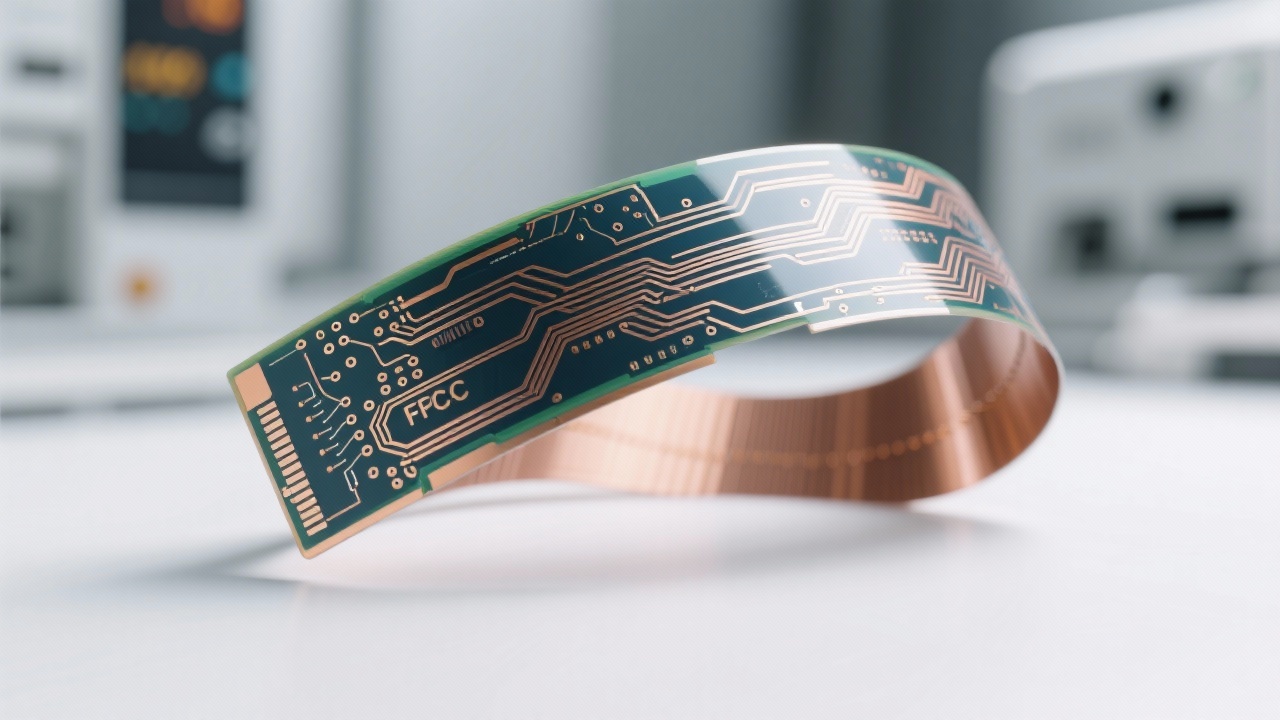
Don’t rely only on vendor claims. Use these methods during evaluation:
🔍 Pro Tip: If your FPC operates above 3 GHz, always validate shield effectiveness using near-field scanning—a step many engineers skip but which reveals hidden hotspots.

Whether you're designing next-gen wearable tech or mission-critical avionics, understanding the role of yellow coverlay in EMI suppression is no longer optional—it’s foundational. At Ruiheng PCB, we’ve seen firsthand how small material choices lead to big gains in product performance and customer trust.
Explore our comprehensive guide on flexible circuit board electromagnetic protection strategies — tailored for engineers who demand precision, reliability, and scalability.
Download the Full EMI Protection Guide
 349
|
349
|
 double layer pcb rapid manufacturing
flying probe test
surface finish for pcb
pcb production process
quick prototype pcb
227
|
high-precision FPC design
2mil trace width
4-layer flexible PCB
ENIG surface finish
impedance control
479
|
HDI PCB Manufacturing
0.1mm Microvia Process
0.5mm Backdrilling Technology
PCB Microvia Formation
IPC-III Standard
497
|
4-layer heavy copper PCB
High Tg FR-4
ENIG surface finish
power electronics PCB
fine line spacing
381
|
thick copper layer etching
PCB solder mask process
fine pitch PCB design
high density PCB assembly
mechanical stress resistance
double layer pcb rapid manufacturing
flying probe test
surface finish for pcb
pcb production process
quick prototype pcb
227
|
high-precision FPC design
2mil trace width
4-layer flexible PCB
ENIG surface finish
impedance control
479
|
HDI PCB Manufacturing
0.1mm Microvia Process
0.5mm Backdrilling Technology
PCB Microvia Formation
IPC-III Standard
497
|
4-layer heavy copper PCB
High Tg FR-4
ENIG surface finish
power electronics PCB
fine line spacing
381
|
thick copper layer etching
PCB solder mask process
fine pitch PCB design
high density PCB assembly
mechanical stress resistance





-1.png?x-oss-process=image/resize,m_fill,h_800,w_800/format,webp)


-L4-4.png?x-oss-process=image/resize,m_fill,h_800,w_800/format,webp)