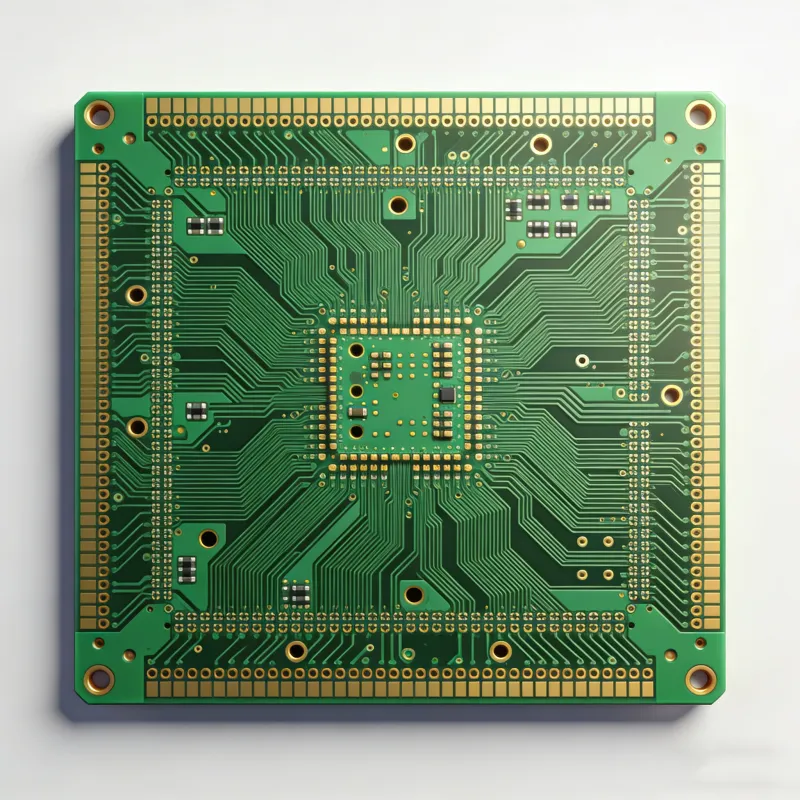
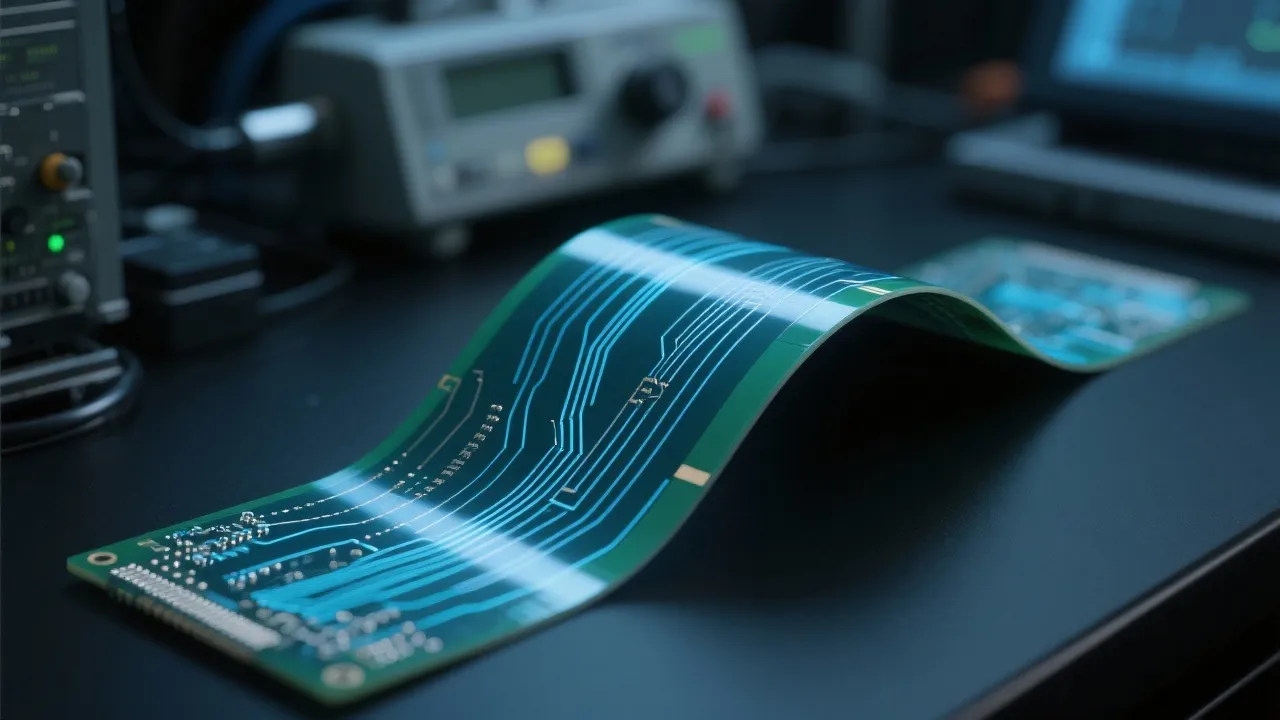
In high-frequency semiconductor testing applications, even minor deviations in printed circuit board (PCB) design can lead to signal degradation, increased failure rates, and costly rework. The rise of HDI (High-Density Interconnect) technology—particularly with microvias as small as 0.3mm and aspect ratios up to 17:1—is no longer just a trend but a necessity for precision engineering.
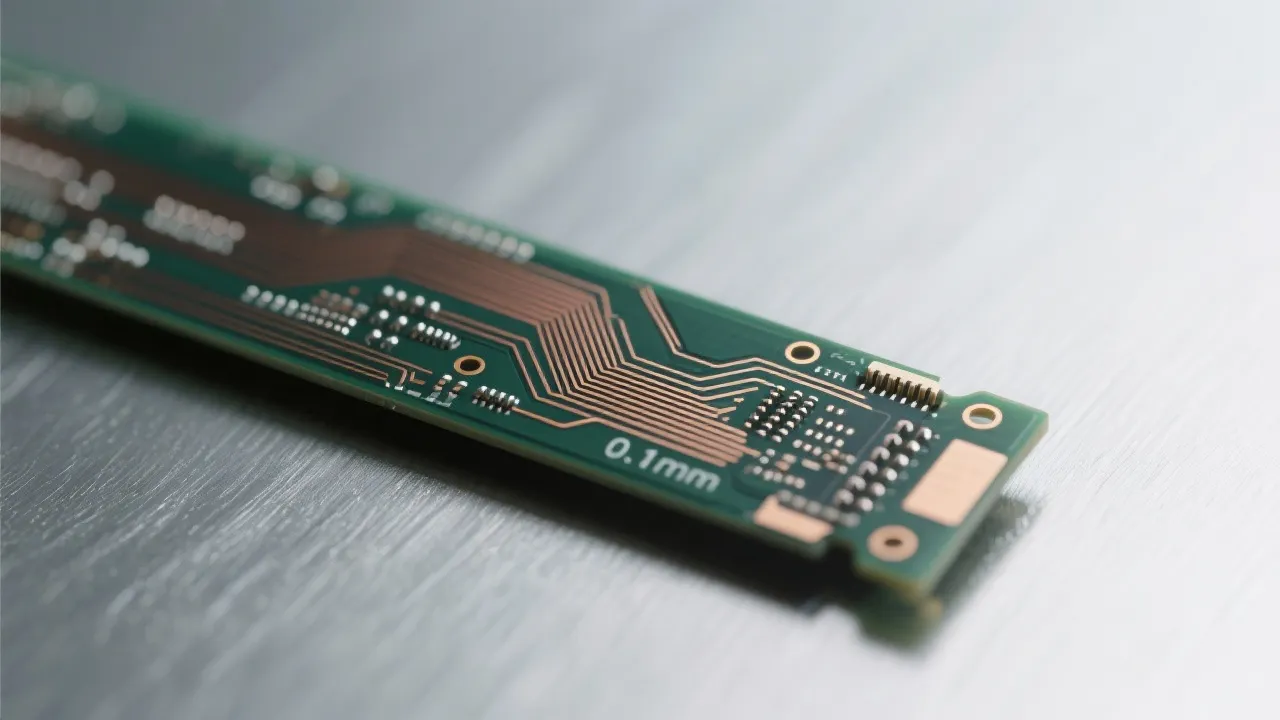
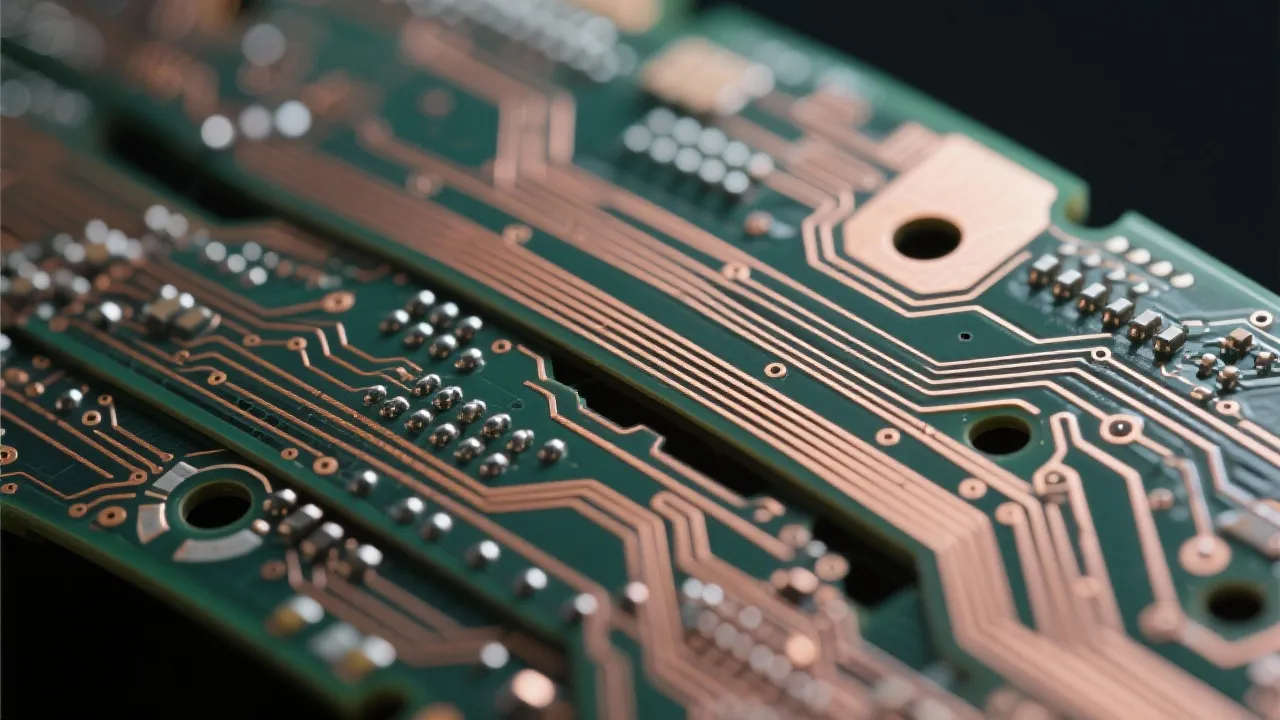
A microvia is a blind or buried via with a diameter ≤ 0.3mm, enabling tighter routing density on multilayer boards. When combined with an aspect ratio of 17:1 (depth-to-diameter), it pushes manufacturing limits—especially in copper plating uniformity, hole wall integrity, and thermal stress distribution during assembly.
Key Data Point: Boards with 17:1 aspect ratio show 34% lower impedance variation under 10GHz signals compared to traditional 6:1 designs (based on JEDEC J-STD-020C test data).
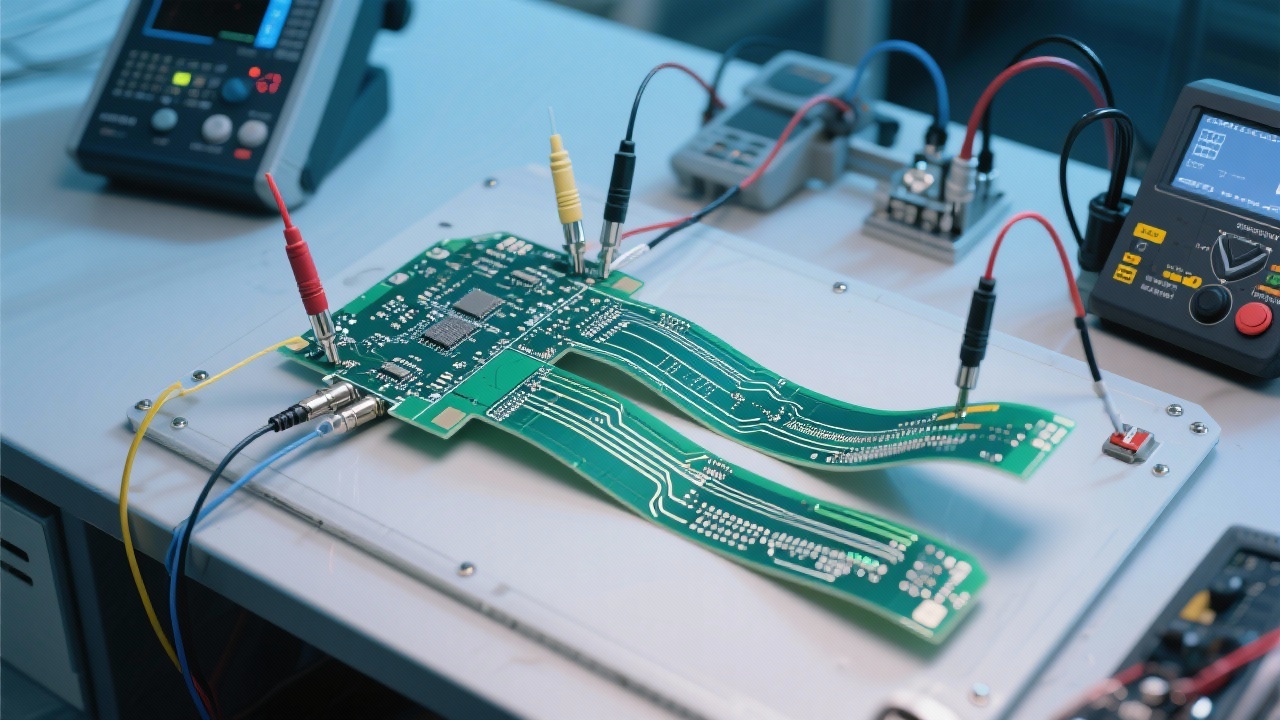
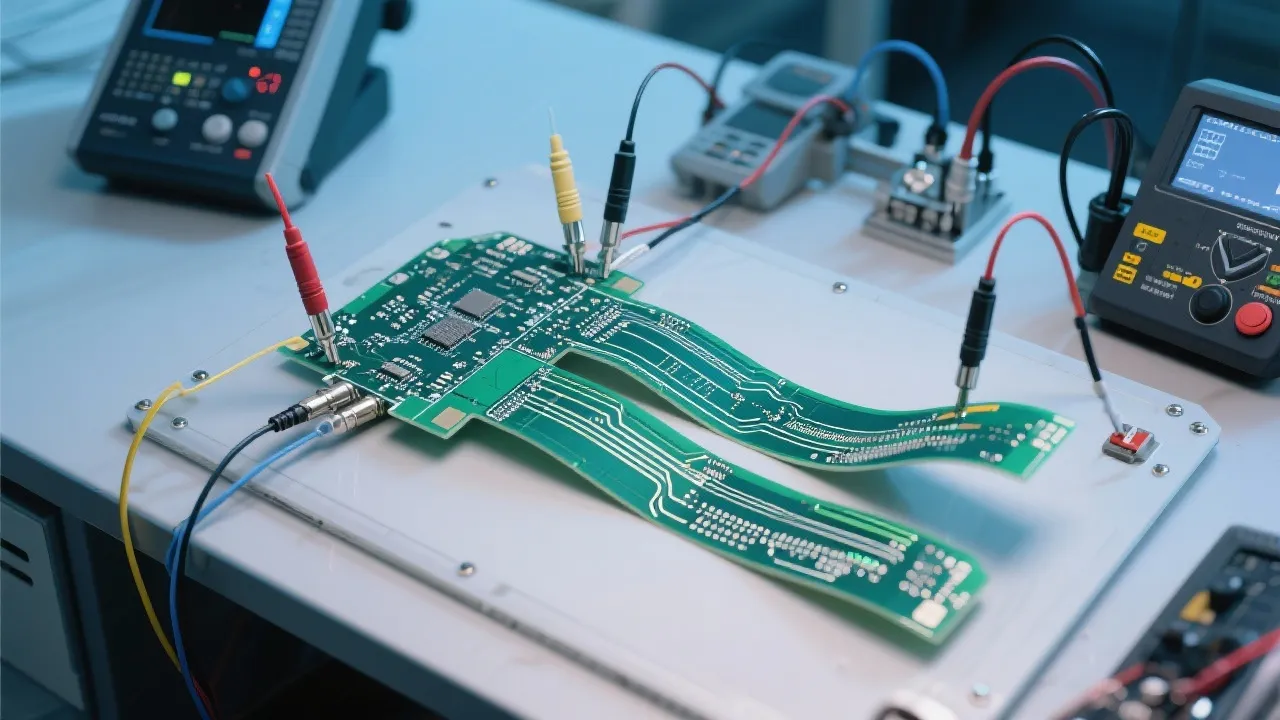
Achieving consistent performance at this scale requires advanced laser drilling systems (like those from Trumpf or Coherent) and precision electroplating baths that ensure copper thickness variation remains within ±5μm across all layers—a critical factor for signal stability.
Our process includes:
These innovations directly translate into real-world benefits: reduced crosstalk (down to -35dB at 5GHz) and improved mechanical robustness—key for automated pick-and-place and wave soldering processes.
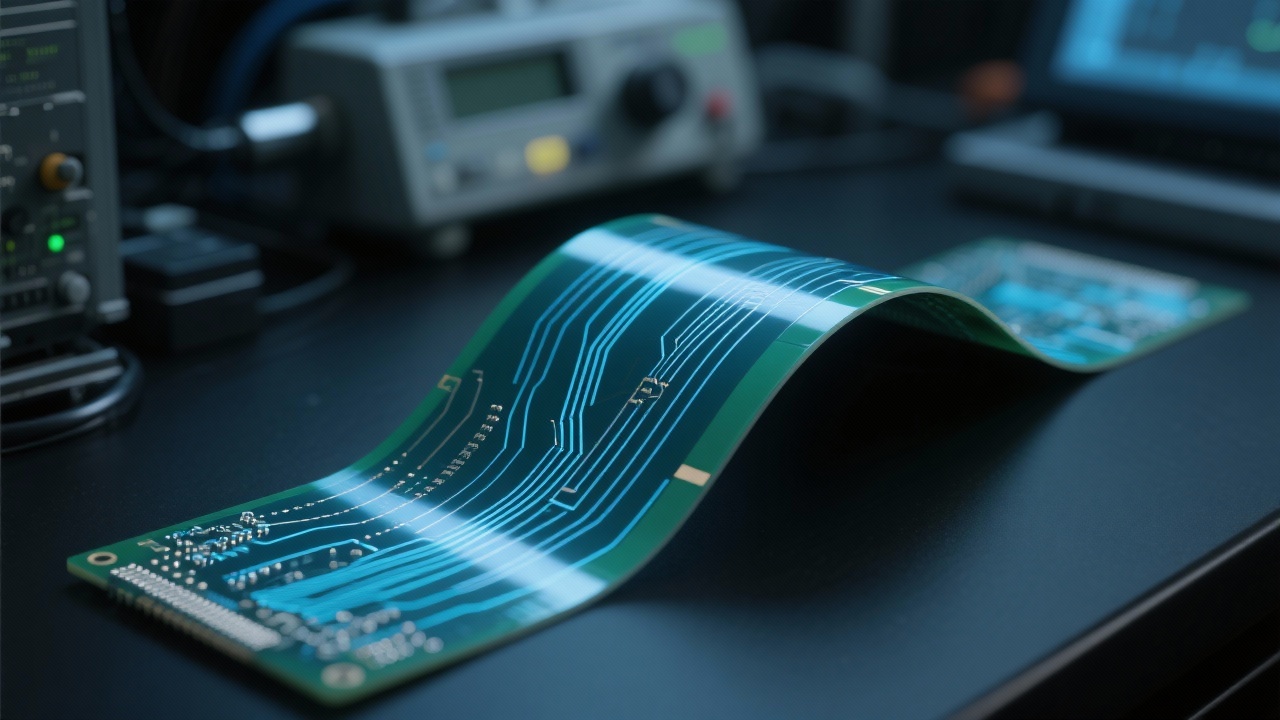
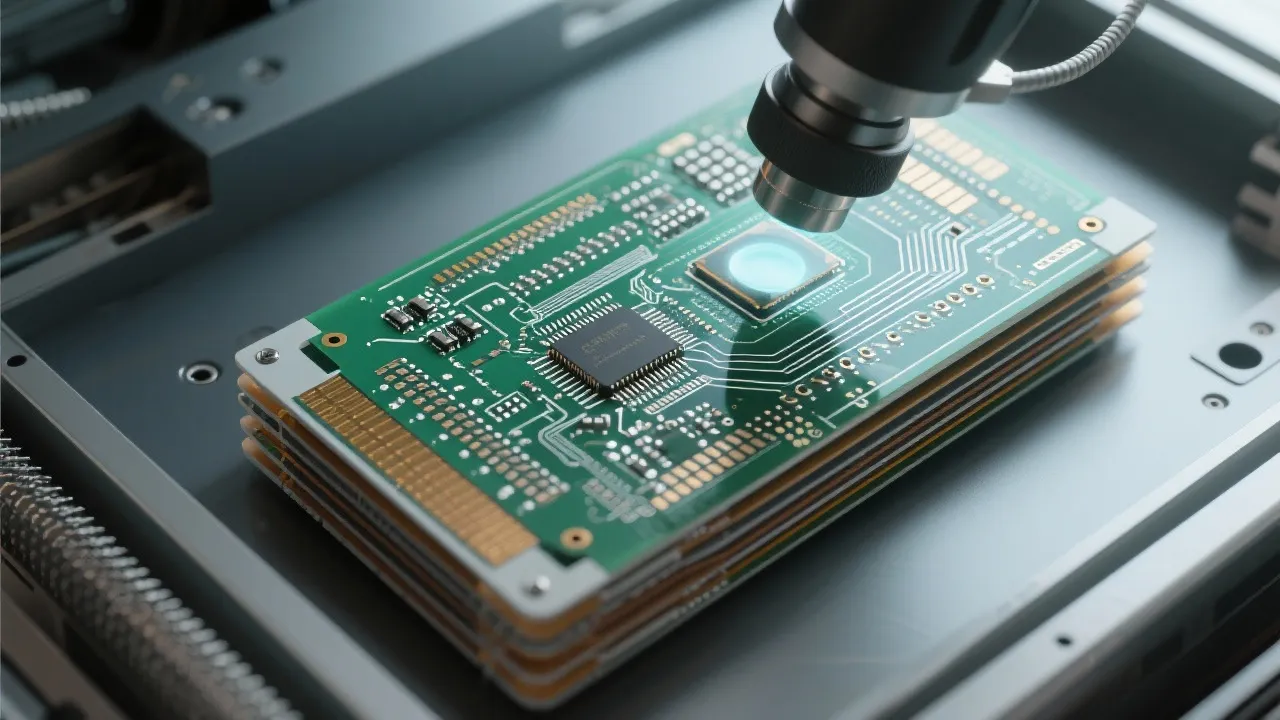
We’ve validated our 34-layer HDI PCBs in multiple semiconductor test platforms—from wafer-level probe stations to final packaged device verification. One client reported a 40% reduction in field failures after switching from standard FR4 to our HDI solution, primarily due to better heat dissipation and less warpage (measured at 0.5%翘曲度).
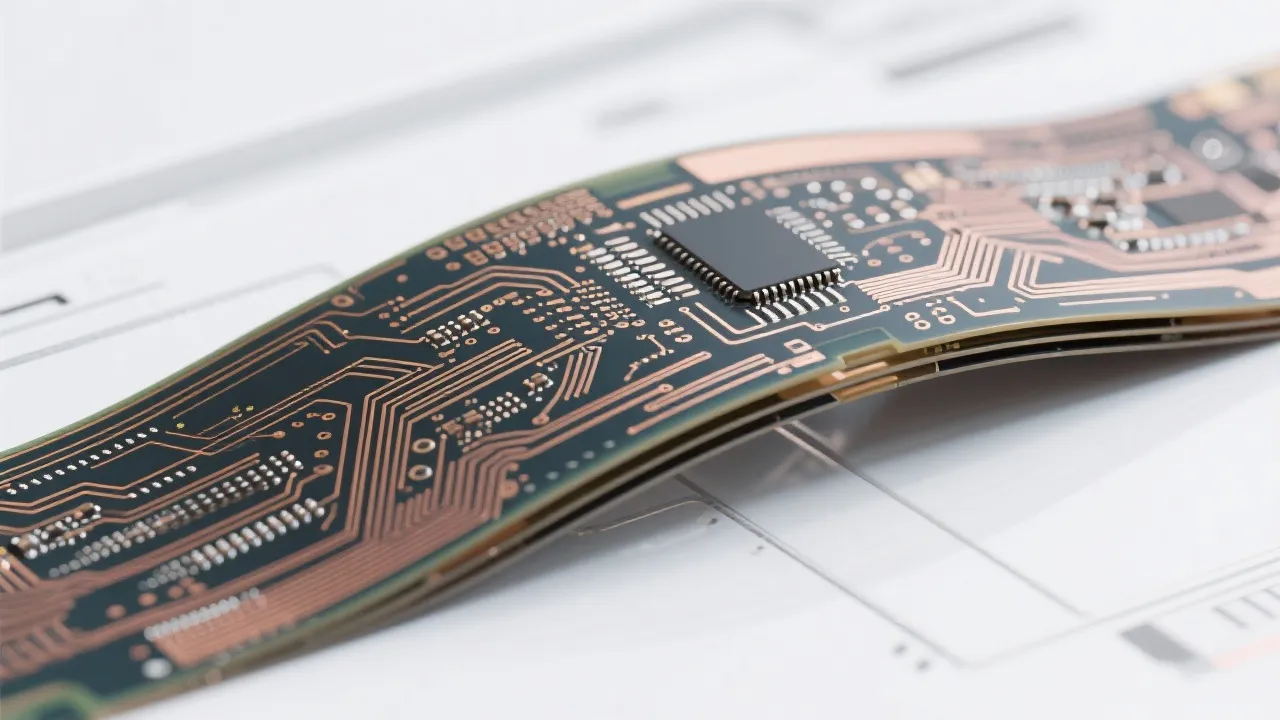
Unlike conventional PCBs, which suffer from delamination under repeated thermal cycling (>500 cycles), our HDI structures maintain structural integrity thanks to optimized resin flow and controlled glass transition temperature (Tg > 170°C).
When evaluating PCB vendors, ask for actual test reports—not just specs. Look for data on insertion loss, return loss, and dielectric constant consistency across batches.
The industry is moving toward 0.2mm microvias and 20:1+ aspect ratios, driven by AI-based DFM tools that predict manufacturability risks before production begins. Sustainability is also gaining traction—our latest process reduces chemical waste by 30% while maintaining yield above 98%.
We use German-engineered equipment to manufacture 34-layer HDI PCBs with 0.3mm microvias and 17:1 aspect ratio—already trusted by leading semiconductor test equipment manufacturers worldwide.
Get Your Customized Technical Proposal Now 305
|
305
|
 High - frequency PCB impedance control
High - speed multilayer PCB design
Signal integrity optimization
5G base station PCB
High - performance dielectric materials
114
|
High-speed multilayer PCB
Impedance control
5G base station
High-frequency communication module
AOI detection
132
|
High-speed multilayer PCB
Impedance control technology
5G base station PCB
High-frequency communication module
Impedance matching method
152
|
5G PCB design
impedance control
high-frequency communication modules
high-speed multilayer PCB
signal integrity
363
|
Impedance control
High-frequency PCB
5G base station PCB
Signal integrity
Multilayer PCB manufacturing
High - frequency PCB impedance control
High - speed multilayer PCB design
Signal integrity optimization
5G base station PCB
High - performance dielectric materials
114
|
High-speed multilayer PCB
Impedance control
5G base station
High-frequency communication module
AOI detection
132
|
High-speed multilayer PCB
Impedance control technology
5G base station PCB
High-frequency communication module
Impedance matching method
152
|
5G PCB design
impedance control
high-frequency communication modules
high-speed multilayer PCB
signal integrity
363
|
Impedance control
High-frequency PCB
5G base station PCB
Signal integrity
Multilayer PCB manufacturing







-1.png?x-oss-process=image/resize,m_fill,h_800,w_800/format,webp)
-L4-4.png?x-oss-process=image/resize,m_fill,h_800,w_800/format,webp)

-4.png?x-oss-process=image/resize,m_fill,h_800,w_800/format,webp)