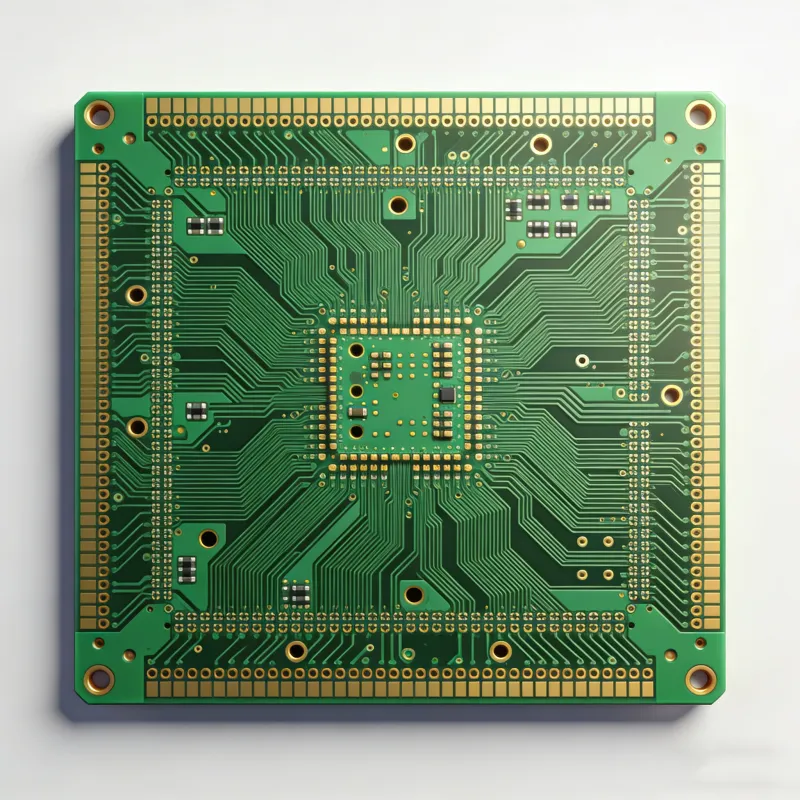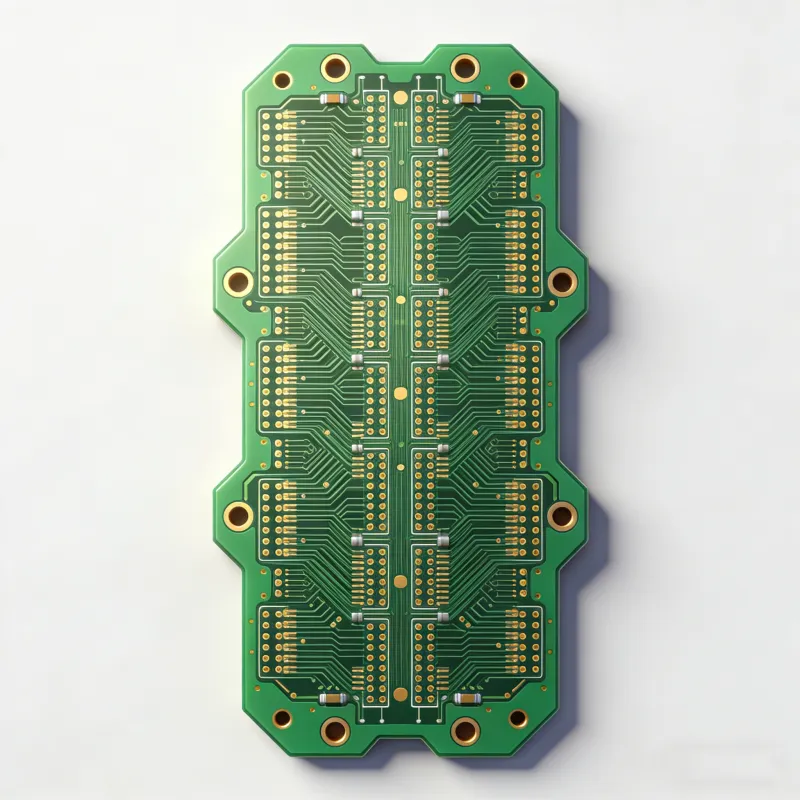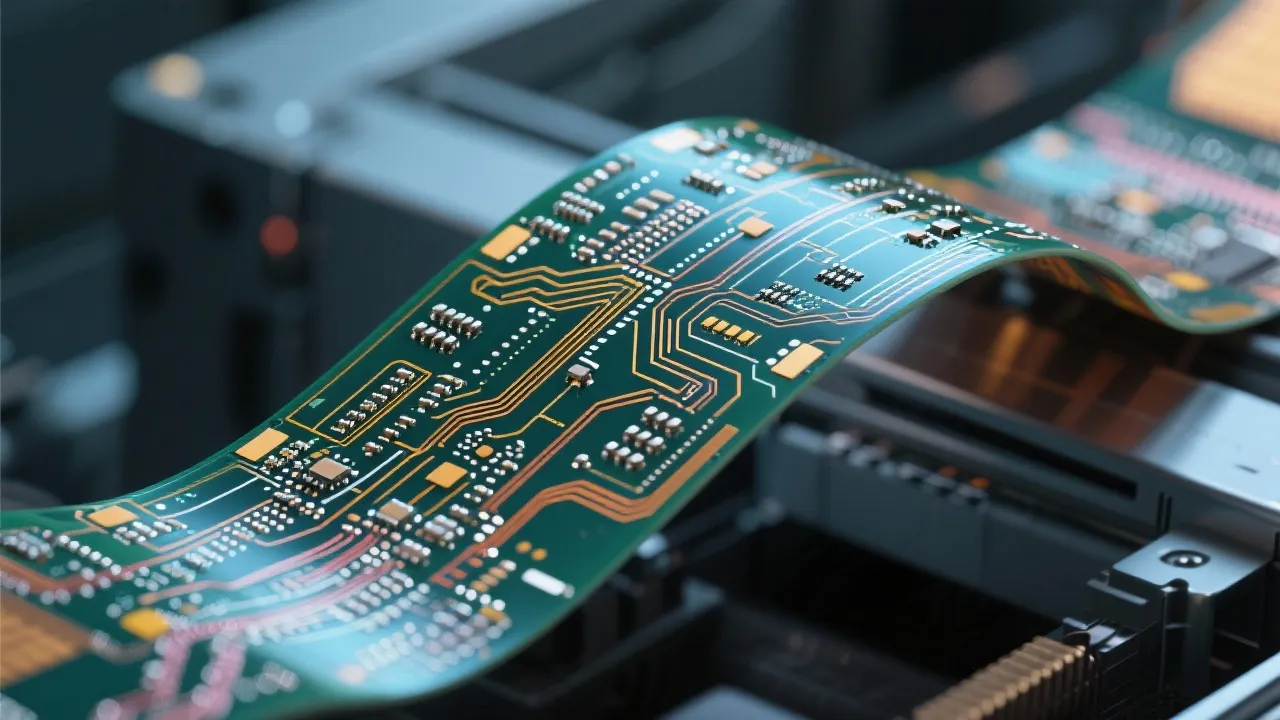
In the era of rapid development of high - speed communication, high - speed multilayer PCBs play a crucial role in ensuring the reliability of high - speed telecom systems. This tutorial aims to provide in - depth insights into impedance control technology and AOI detection in high - speed multilayer PCB design, helping engineers improve product quality and signal integrity.
Impedance is a key factor affecting signal integrity in high - speed multilayer PCBs. The 50 - ohm single - ended and 100 - ohm differential impedance standards are widely used in high - speed signal transmission. For example, in a 5G base station, the 50 - ohm single - ended impedance can effectively reduce signal reflection, which is crucial for maintaining stable signal transmission. Research shows that improper impedance matching can lead to up to 30% signal loss, seriously affecting the performance of communication equipment.
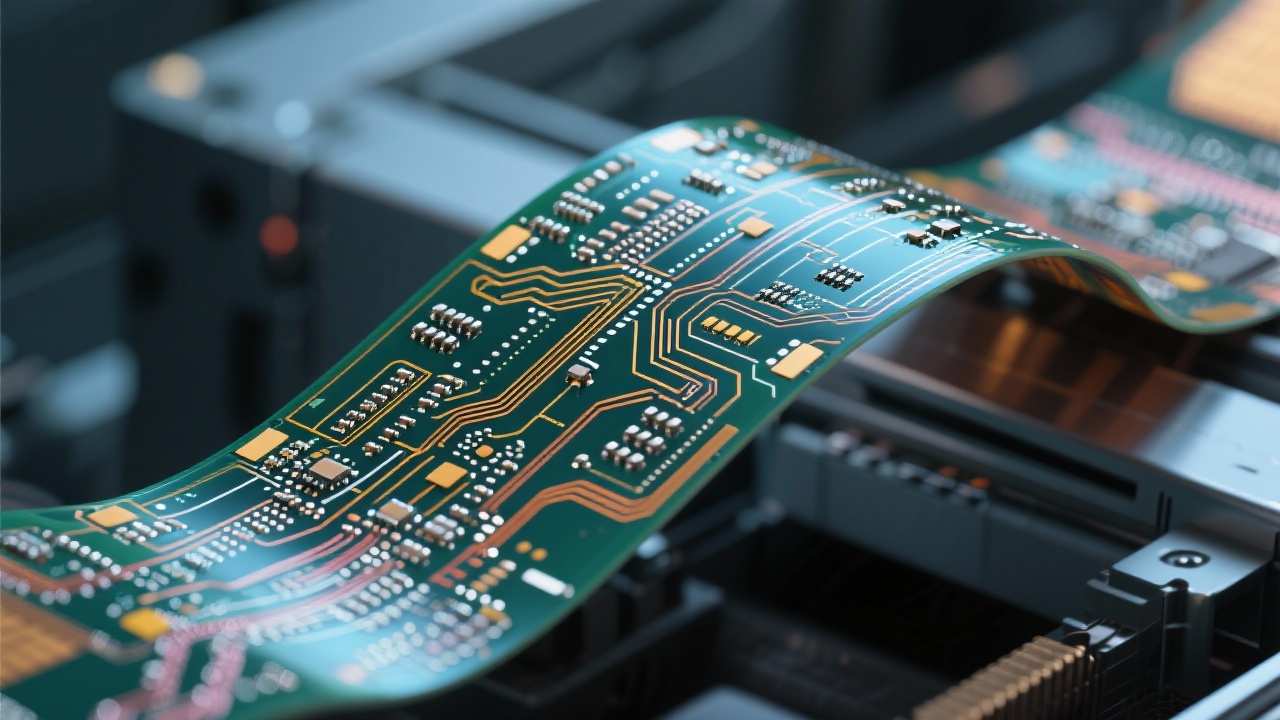
Let's take 5G base stations and high - frequency communication modules as examples. In 5G base stations, impedance matching ensures that signals can be transmitted accurately between different components. By using impedance matching methods, the signal reflection coefficient can be reduced to less than 0.1, greatly improving signal quality. High - performance dielectric materials such as ISOLA 370HR and Panasonic MENTRON6 are often used to ensure impedance stability. These materials have low dielectric loss and stable dielectric constant, which can effectively reduce the influence of manufacturing tolerances on impedance.
Case Study: In a high - frequency communication module project, through the use of ISOLA 370HR material and precise impedance matching design, the signal crosstalk was reduced by 25%, and the overall performance of the module was significantly improved.

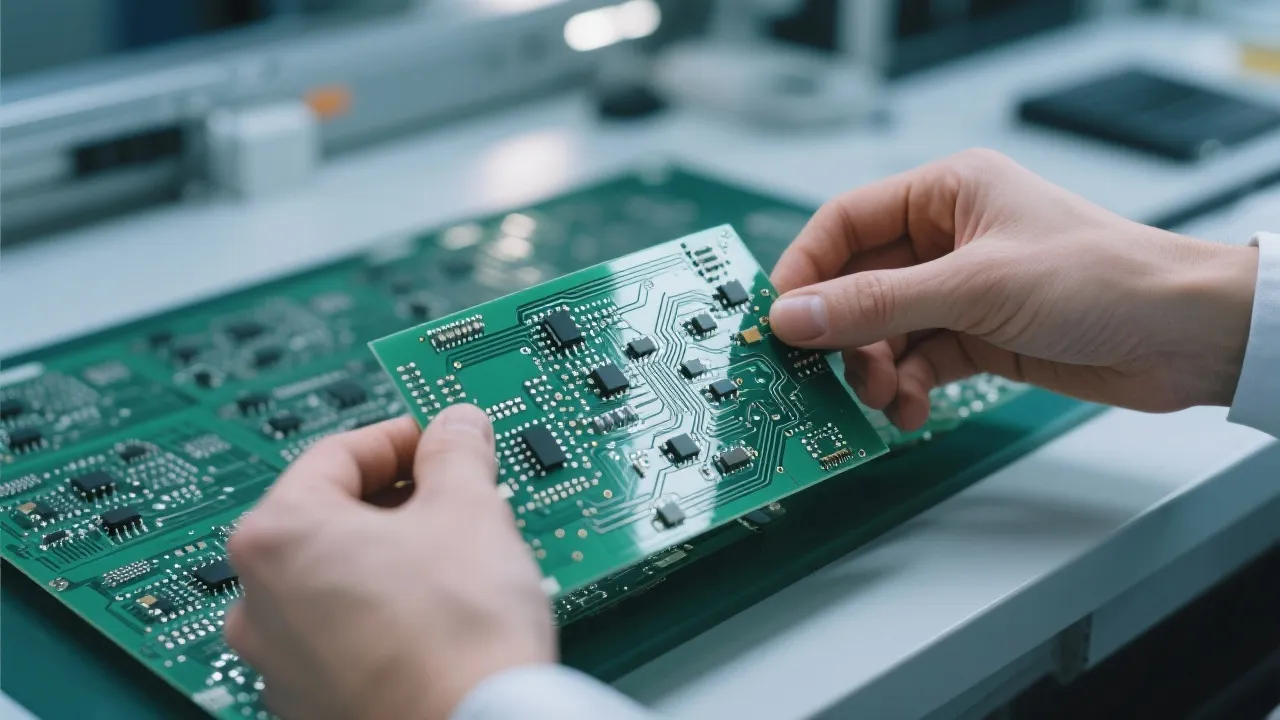
Accurate impedance measurement is the key to ensuring impedance control. Advanced impedance measurement methods can detect impedance deviations within ± 1 ohm, ensuring the accuracy of impedance. AOI (Automated Optical Inspection) detection is also an important step in the PCB manufacturing process. It can detect surface defects, copper thickness variations, and other issues that may affect impedance, improving product quality.
Design simulation also plays a vital role in product quality assurance. Through simulation, engineers can predict impedance changes during the manufacturing process and adjust the design in advance to ensure impedance stability.

Our company has rich experience in high - frequency high - speed PCB manufacturing. We use advanced manufacturing processes and high - performance materials to ensure the impedance stability and signal integrity of PCBs. Our technical team can provide customized solutions according to different customer needs, helping you improve the reliability of your products.
Are you looking for high - quality high - frequency high - speed PCB manufacturing services? Click here to learn more about our solutions!
 301
|
301
|
 Impedance control
High - speed PCB design
50 - ohm single - ended impedance
100 - ohm differential impedance
High - frequency signal integrity
305
|
High - frequency PCB impedance control
High - speed multilayer PCB design
Signal integrity optimization
5G base station PCB
High - performance dielectric materials
254
|
high speed pcb impedance control
5g pcb design
impedance measurement validation
high frequency pcb manufacturing
aoi inspection technology
114
|
High-speed multilayer PCB
Impedance control
5G base station
High-frequency communication module
AOI detection
152
|
5G PCB design
impedance control
high-frequency communication modules
high-speed multilayer PCB
signal integrity
Impedance control
High - speed PCB design
50 - ohm single - ended impedance
100 - ohm differential impedance
High - frequency signal integrity
305
|
High - frequency PCB impedance control
High - speed multilayer PCB design
Signal integrity optimization
5G base station PCB
High - performance dielectric materials
254
|
high speed pcb impedance control
5g pcb design
impedance measurement validation
high frequency pcb manufacturing
aoi inspection technology
114
|
High-speed multilayer PCB
Impedance control
5G base station
High-frequency communication module
AOI detection
152
|
5G PCB design
impedance control
high-frequency communication modules
high-speed multilayer PCB
signal integrity






-L4-4.png?x-oss-process=image/resize,m_fill,h_800,w_800/format,webp)